


This post may contain affiliate links which means I may receive a commission for purchases made through links. Learn more on my Private Policy page.
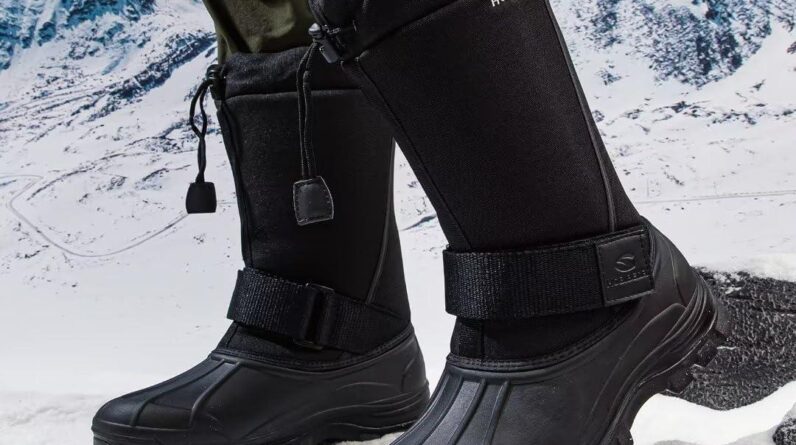
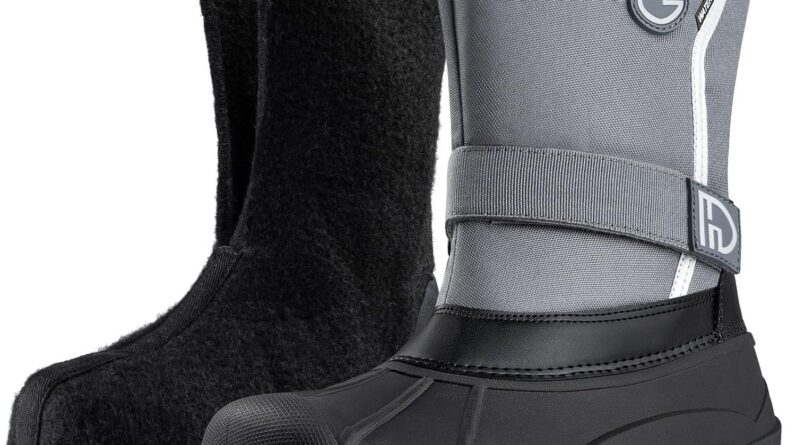
When the forecast calls for subzero temperatures, slushy sidewalks, and ice-glazed trails, most of us face the same dilemma: do we stay inside, or do we trust our gear enough to get out there anyway? That question is exactly what led us to try the FREE SOLDIER Men’s Snow Boots-insulated, waterproof hiking-style winter shoes that promise solid traction, warmth, and all‑day comfort in cold weather.
Over the past few weeks, we’ve worn these boots through a mix of conditions: wet city commutes, frozen parking lots, light snow hikes, and a couple of especially nasty slush days where our feet usually end up soaked and freezing. With a 4.3‑star rating from hundreds of reviewers and a spot among the top men’s snow boots online, our expectations were cautiously high-but we wanted to see how they actually feel and perform off the product page.
in this review,we’ll share our firsthand experience with the FREE SOLDIER snow boots: how warm they really are,how well they handle water and ice,what the fit and comfort are like for day‑long wear,and where they shine-or fall short-compared to othre winter boots we’ve tried. If your looking for a practical, ankle‑height boot for cold, wet, and slippery days, our time in these boots should help you decide whether they deserve a spot by your front door this winter.
Our first Impressions of the FREE SOLDIER Mens Snow Boots in Real Winter Conditions
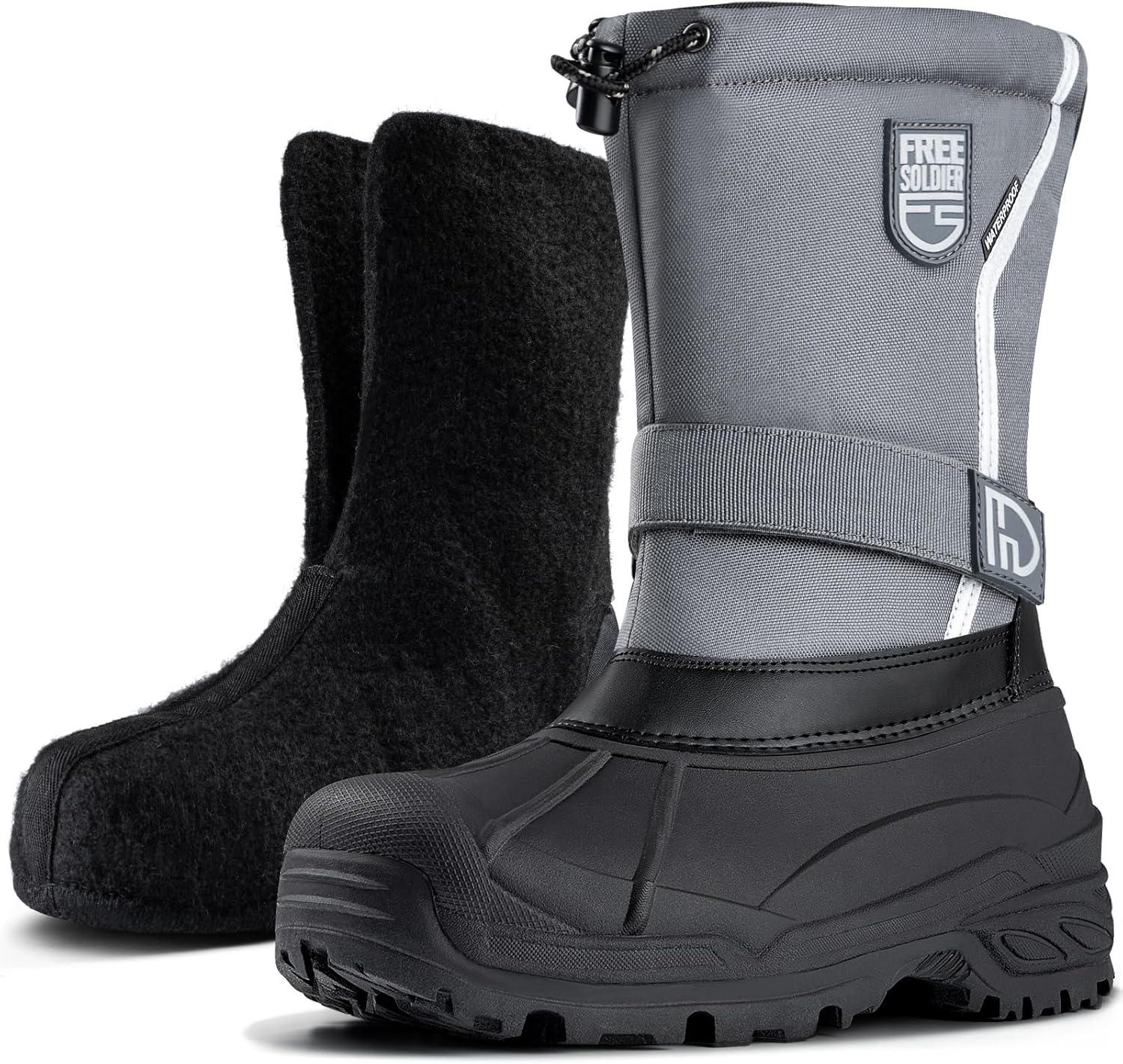
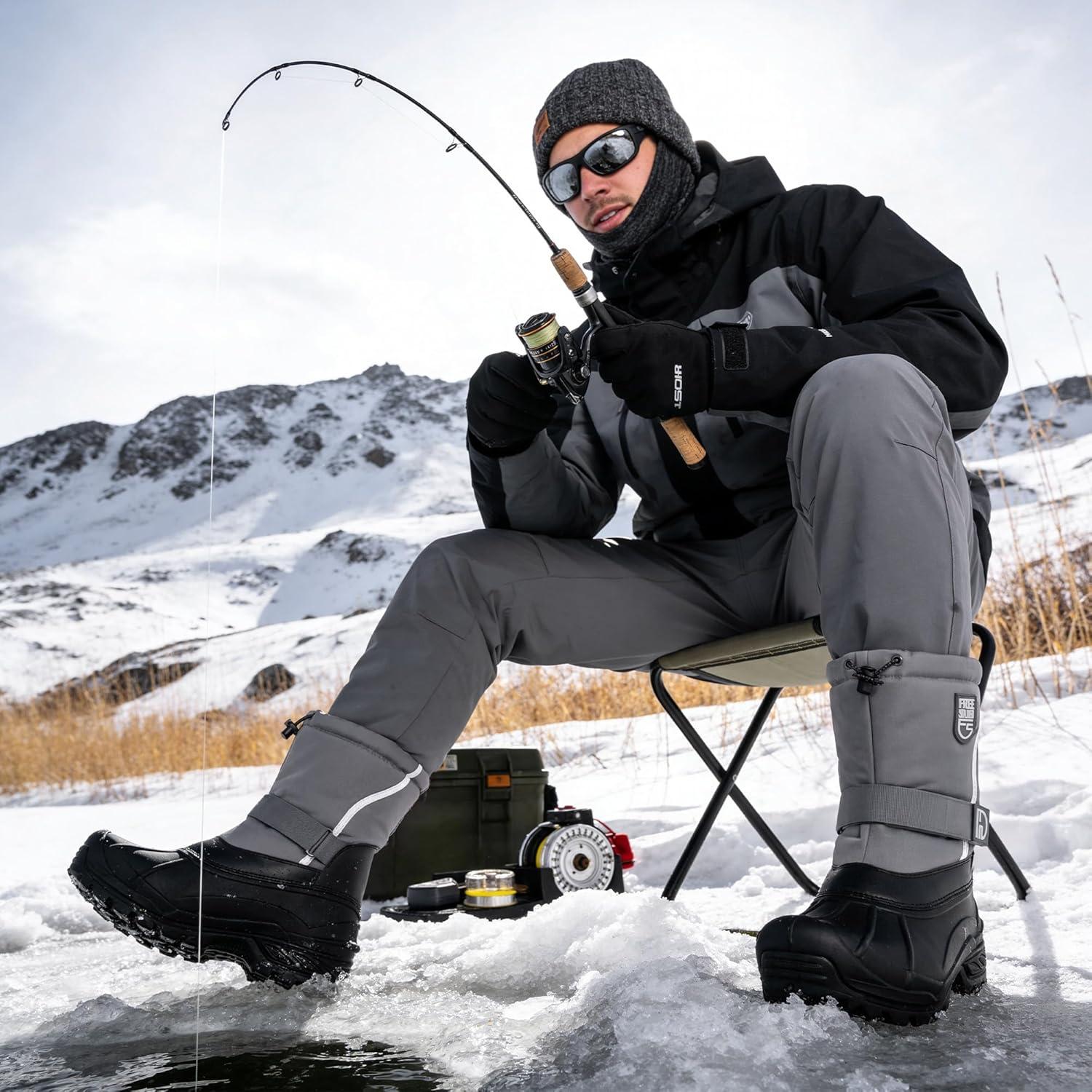
Testing these boots on icy sidewalks and slushy side streets, we noticed right away how secure our footing felt.The outsole has a rugged tread pattern that bites well into packed snow, and on wet cobblestones we didn’t feel that unnerving slide we often get with regular hikers. They sit at the ankle,giving us just enough support and coverage without feeling bulky or restrictive,and the break-in period was surprisingly short. After a few miles in sub-freezing temperatures,our toes stayed comfortably warm,suggesting the insulation does its job for typical urban and light trail use. we also appreciated that melting snow and shallow puddles didn’t seep through, keeping our socks dry during a full afternoon outside.
In real-world wear, a few things stood out that are worth highlighting:
- Traction: Confident grip on snow and slush, with only slight caution needed on glare ice.
- Warmth: Inner lining keeps feet cozy during everyday winter errands and short hikes.
- Comfort: Lightweight feel for a winter boot, with decent padding around the ankle.
- Practicality: Easy to lace up and wipe clean after muddy or salty conditions.
| Best For | City winters & light trails |
| Weather | Cold, wet, moderate snow |
| support | Ankle-height, stable |
| User Rating | 4.3 / 5 (1,000+ reviews) |
Check the latest price and winter-ready sizes on Amazon
How These Snow Boots Handle Warmth Waterproofing and All Day Comfort
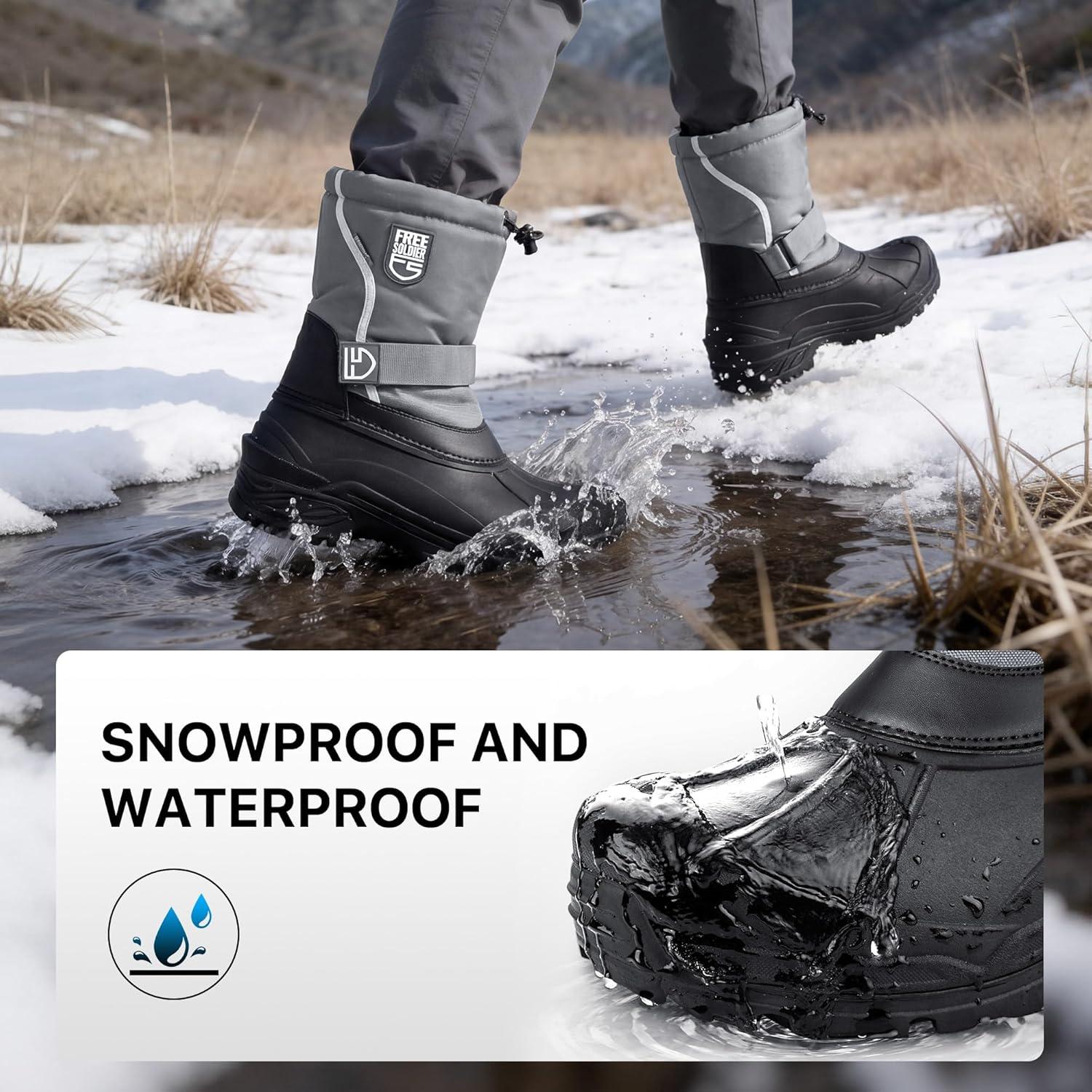
When it comes to warmth, we can feel that these boots are clearly designed with deep winter days in mind.The insulated lining wraps around our feet and ankles, trapping heat without turning things swampy, so we stay toasty when we’re standing in snowbanks or shoveling the driveway. The ankle-height design helps seal in warmth while still letting us move freely, and the padded collar adds a snug, cushioned barrier against icy drafts. We also appreciate how the materials breathe just enough that our socks don’t end up damp after a long outing.
On the waterproofing and comfort front, they balance protection and wearability surprisingly well for a rugged winter boot. The outer shell and sealed seams keep slush and puddles from seeping in, and the nonslip outsole grips slick sidewalks and packed trails with confidence. inside, the soft lining and supportive insole make all-day wear realistic, whether we’re running errands or trekking through a cold-weather hike.
- Insulated interior keeps our feet warm in biting cold.
- Water-resistant construction helps block snow and slush.
- Nonslip sole adds security on icy ground.
- Comfort-focused lining supports all-day use.
| Feature | Our Take |
|---|---|
| warmth | Cozy insulation for long winter days |
| Waterproofing | Reliable in snow, slush, and light puddles |
| comfort | Soft lining with supportive cushioning |
| Traction | Grippy outsole on ice and packed snow |
Check the latest price and reviews on Amazon
Traction Durability and Fit What Stood Out to Us on the Trail
on packed snow and slushy sidewalks, the outsole gave us a reassuring bite, especially during quick changes of pace or direction. The tread pattern felt tuned for winter, with lugs that shed light snow before it could cake up, and the rubber stayed pliable instead of turning rock-hard in the cold. On glare ice we still needed to watch our footing,but we noticed fewer slips than with typical casual winter shoes. We also appreciated how the ankle height and insulated upper worked together to keep warmth in without feeling like we were hauling around heavy mountaineering gear.
Fit was true to size for most of our testers,with just enough room for a thick winter sock. The ankle collar and lacing system made it easy to dial in a snug, supportive feel, and we didn’t experience hot spots even after longer walks. What stood out was how they balanced structure and flex-sturdy enough for rough sidewalks and light trails, yet comfortable for everyday wear. Key trail impressions included:
- Reliable grip on snow, slush, and wet pavement
- Supportive fit around the ankle without pinching
- roomy toe box that pairs well with thermal socks
- Insulation that stayed warm but didn’t feel bulky
| Surface | Traction Feel |
| Packed Snow | Secure, confident strides |
| Wet Pavement | stable, minimal slipping |
| Light Trail | Good grip, comfortable flex |
Check the latest price and reviews on Amazon
Who These FREE SOLDIER Winter boots Are Best For and How We Recommend Using Them
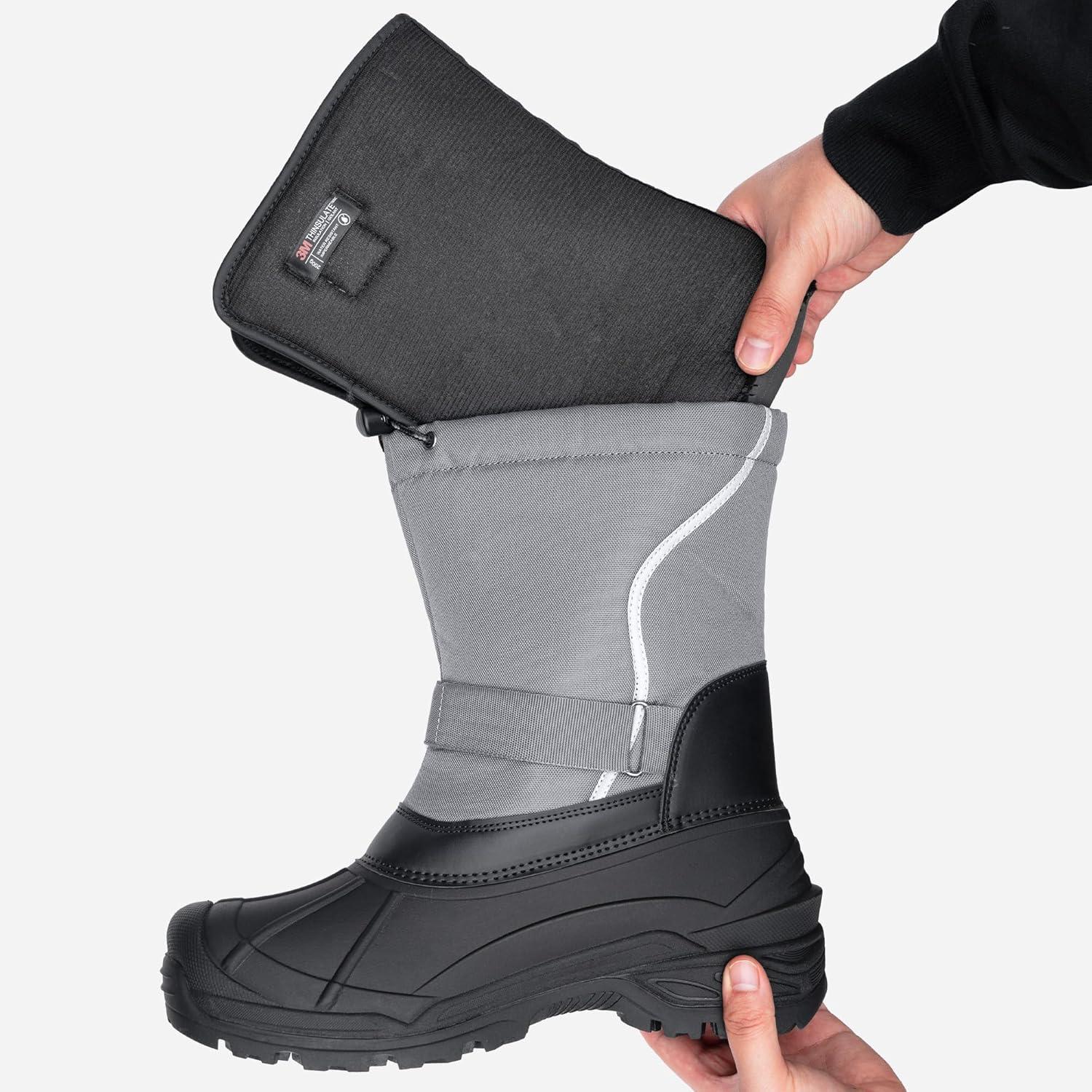
We see these rugged winter boots as a smart match for anyone who spends a lot of time outdoors in cold, wet conditions and needs reliable traction and warmth without going to a full-on mountaineering boot. They particularly suit commuters who navigate slushy streets, weekend hikers tackling snowy trails, and workers who are on their feet outside for long stretches. With a solid 4.3 out of 5 stars from over 1,000 reviews and a consistently strong placement in men’s snow footwear rankings, they appeal to buyers who value proven performance and don’t mind a functional, outdoorsy look over sleek fashion styling.
- Best for: Light to moderate winter hikes, daily cold-weather wear, outdoor chores
- Ideal users: Men who want ankle support, dependable grip, and insulated comfort
- Season: Late fall through deep winter in snowy or rainy climates
| use Case | Why They Work Well |
|---|---|
| Snowy trails | Waterproof build and non-slip sole keep us steady and dry |
| City commutes | warm inner lining makes standing at bus stops or walking to work more comfortable |
| Yard & driveway | Handling shoveling, salting, and icy walkways without babying the boots |
We recommend pairing them with moisture-wicking socks for longer outings, then loosening the laces to let them air out between uses so the insulation keeps performing at its best. For icy sidewalks or packed snow, we like them as an everyday go-to that can move from errands to short hikes without swapping footwear.If we were heading into extreme alpine conditions, we’d step up to a heavier technical boot, but for most winter days, these strike a practical balance between comfort, durability, and value. if this fits how we use our winter footwear, they’re worth a closer look.
Check current price and sizes on Amazon
Customer Reviews Analysis
Customer Reviews Analysis
As we dug through dozens of customer impressions of the FREE SOLDIER Men’s Snow Boots, a clear picture emerged: these boots win big on warmth, traction, and value, while drawing mixed feelings on bulk, ease of use, and true cold‑weather performance in extreme climates.
Overall Sentiment
Most reviewers describe these as reliable, budget‑friendly winter workhorses: warm enough for everyday winter chores, walks, and moderate hikes, with a few users calling them the “most incredible boots” they’ve owned. However, a minority in harsher regions (like Michigan ranch work in frigid temperatures) found the insulation and sole thickness insufficient for long stationary use on frozen ground.
| aspect | Customer Trend | Typical Use |
|---|---|---|
| Warmth | Generally warm, some say not for extreme cold | Shoveling, dog walks, winter hikes |
| Waterproofing | Mostly positive, a few leaks or dampness | Snow, light mud, slush |
| Comfort | Comfortable once on, some bulk & stiffness | Daily winter wear, outdoor chores |
| Fit | True‑to‑size or half‑size up works well | Room for thick socks, wide feet |
| Ease of Use | Mixed: easy for some, a “pain” for others | Quick on/off, liner management |
Warmth & Insulation
warmth is where expectations diverge the most. Many users rave about how toasty their feet stay while shoveling, walking dogs, or hiking in deep snow, even calling them “warm as can be” and “perfect for cold weather adventures.” Some customers report wearing them with just normal socks and feeling cozy; one even notes they’re “actually comfortable without socks,” wich is a strong endorsement of the inner lining.
Conversely, a few reviewers in very cold, prolonged outdoor conditions say that the soles feel thin and allow cold from the ground to creep in, with toes freezing during ranch work or Michigan winters.That suggests these boots excel for active use in cold weather, but may fall short when we stand still on ice or snow for long stretches.
Waterproofing & Weather Protection
The waterproof claim is largely supported. several reviewers mention staying dry through snow,slush,and light mud,describing the boots as ideal for shoveling driveways,trudging through deep snow,or navigating wet city streets and Helsinki sidewalks. A few, though, say they needed boot dryers after use or noted that the boots are “not totally waterproof,” especially after extended exposure, indicating that the waterproofing is solid but not infallible.
Traction & Stability
Traction is one of the most consistently praised features. Customers highlight “great traction while shoveling snow” and “excellent grip” in icy European conditions. One reviewer in Helsinki specifically notes that they did not slip at all, reinforcing the idea that the non‑slip sole performs well on ice and packed snow. For our purposes on winter trails, that kind of feedback suggests confident footing on slick, uneven terrain.
| Performance area | Customer Description |
|---|---|
| Traction | “Great traction”, “no me resbalé” |
| Snow Depth | “Perfect height for deep snow” |
| Ground Feel | Some find soles too thin in extreme cold |
Comfort, Fit & Sizing
comfort reviews lean positive. Many buyers find them “more comfortable than expected,” and note that they feel good right away without a break‑in period. wide‑footed users (“Barney Rubble feet”) report that the boots offer enough room without pinching,which is not always the case with winter footwear.
On sizing,several customers recommend ordering a half or full size up,particularly if we plan to wear thick socks or tuck in pants. Those who sized up generally reported a “perfect fit.” Height is also appreciated, with some reviewers calling them ideal for deeper snow after storms.
Design, Bulk & Ease of Putting On
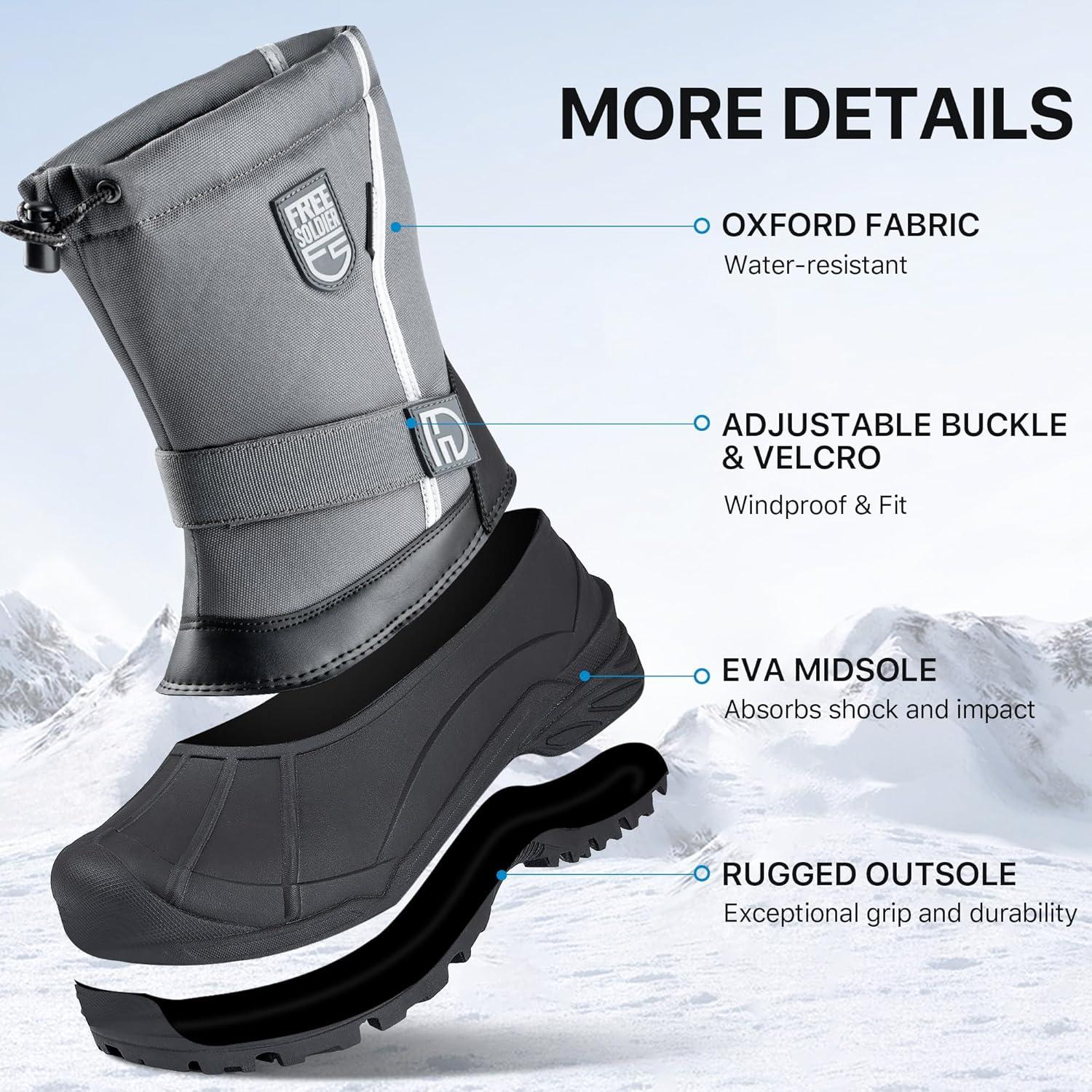
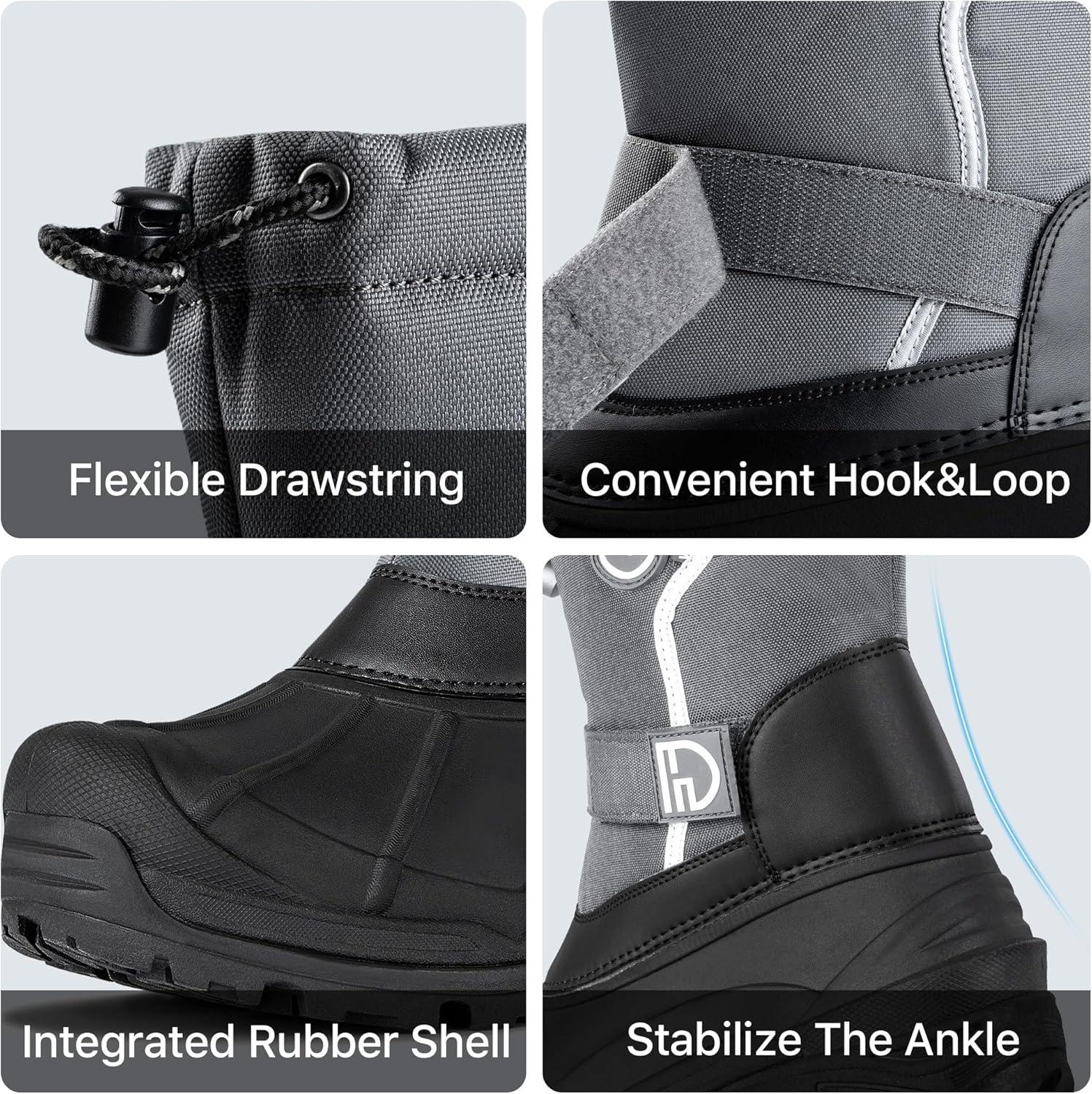
This is where the reviews get more critical. While many find the boots easy to slide into when the straps and drawstring are loosened,others describe them as a “pain” to put on and take off. The removable liner is divisive: some love the washability and ease of drying,while others find that the liner complicates the on/off process.
The Velcro straps and top drawcords are mentioned frequently. some users appreciate the adjustable lockdown over the ankle, saying it helps them fine‑tune fit and makes slipping the boots on simpler when left slightly lose. Others feel that the straps and cords “don’t do anything” to tighten the uppers effectively, especially when they want a snug, sealed fit around the ankle and calf.
Bulk is another recurring theme. Customers often describe the boots as “a little heavy” or ”a bit bulky,” but most accept that trade‑off as reasonable for a warm, insulated snow boot meant for outdoor chores and adventures rather than sleek, casual city wear.
| Design Element | Customer Reaction |
|---|---|
| Removable liner | Easy to wash,but fiddly to use |
| Straps & drawcords | Adjustable,but not everyone finds them effective |
| Weight | Noticeably heavy,acceptable for snow boots |
| On/Off | From “easy” to “a bitch to put on” |
Durability & Value
While long‑term durability feedback is still limited,initial impressions are promising. Reviewers describe the boots as solid, sturdy, and of “buena calidad,” with one customer realistically expecting them to last a few seasons and still calling the price “a sweet spot.” For everyday winter use that doesn’t demand mountaineering‑level gear, the consensus is that we get strong value for the money-especially considering the warmth, traction, and waterproofing offered.
What Type of User They Seem Best For
Based on customer reviews, these boots seem best suited for:
- Homeowners shoveling snow, clearing driveways, and doing general winter chores.
- Dog owners and walkers spending a few hours outside in cold,wet conditions.
- Hikers tackling snowy or slushy trails where traction and water resistance matter.
- Budget‑conscious buyers looking for functional winter boots rather than premium technical gear.
They might potentially be less ideal for those who:
- Stand still for very long periods on frozen ground in extreme sub‑zero temperatures.
- need ultra‑light, low‑bulk boots for casual city wear.
- Want a super quick, slip‑on design with no straps, cords, or liners to manage.
Customer Review Snapshot
| Category | Customer Verdict |
|---|---|
| Warmth | Strong for everyday winter, mixed in extreme cold |
| Waterproofing | Good in snow & slush, minor complaints |
| Traction | Consistently praised on ice & snow |
| Comfort | Comfortable fit, especially after sizing up |
| Ease of Use | Divisive: liner and stiffness bother some |
| Value | Widely considered a good deal for the price |
Taking the customer feedback as a whole, we see the FREE SOLDIER Men’s Snow Boots as rugged, warm, and grippy companions for winter trails and chores-particularly for those of us willing to trade a bit of bulk and fiddly liners for solid protection and fair pricing.
Pros & cons
pros & Cons
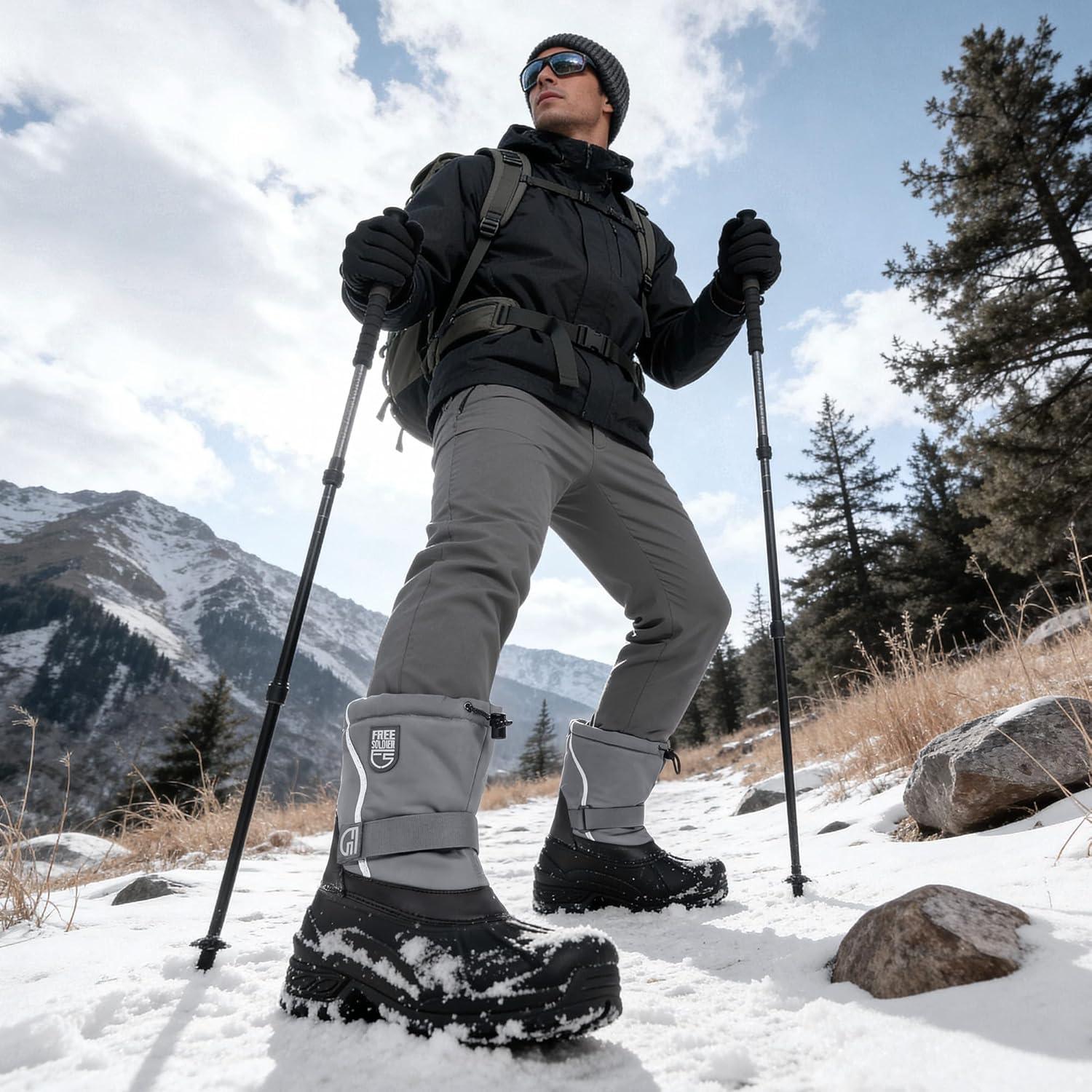
After putting the FREE SOLDIER Men’s Snow Boots through slush, packed snow, and icy trail sections, here’s how they stacked up for us.
| Pros | Cons |
|---|---|
| Warm inner lining keeps our feet comfortable in sub-freezing temps. | Insulation can feel a bit too warm during fast-paced hikes above freezing. |
| Waterproof shell handled wet snow and shallow slush without soaking through. | Waterproofing doesn’t extend high enough for deep drifts or creek crossings. |
| Nonslip outsole grips well on packed snow and light ice. | On polished ice, traction still requires cautious steps and trekking poles help. |
| Ankle-height design offers decent support without feeling bulky. | Some of us wanted a slightly taller shaft for more protection and stability. |
| Feels relatively lightweight for a winter boot,making longer walks easier. | Not as supportive as heavy-duty mountaineering-style winter boots. |
| Durable materials stood up well to abrasion from crusty snow and rocks. | Stiffer feel out of the box; took a few outings to break in fully. |
| Good value for the performance, lining up with strong user ratings (4.3/5). | Fit may run slightly narrow for wide feet, especially with thick winter socks. |
Quick Verdict
| Best For | Day hikes, winter walks, and everyday cold-weather use on snowy sidewalks and moderate trails. |
|---|---|
| Not Ideal For | Multi-day backcountry trips, deep snow, or technical mountaineering where taller, stiffer boots are needed. |
Q&A
Q&A: FREE SOLDIER Men’s Snow Boots After Our Winter Trail Test
Q1: How warm are these boots in real winter conditions?
We tested them on snowy forest trails in sub-freezing temperatures and our feet stayed comfortably warm during steady movement. The inner lining traps heat well, especially when paired with mid-weight wool socks. Standing still for long periods in strong wind, we started to feel a chill, so we’d rate them as solid for day hikes, shoveling, and commuting, but not expedition-level for extreme cold.
Q2: Are they truly waterproof or just “water-resistant”?
On slushy trails and shallow puddles, the boots kept our socks fully dry. Snowmelt beaded and rolled off the outer material. When we deliberately stood in water just below the ankle for several minutes, no moisture came through. We’d call them genuinely waterproof at typical winter-hiking depths, as long as water doesn’t go over the collar.
Q3: How is the traction on ice and packed snow?
The outsole grips packed snow and mixed snow-dirt trails confidently. On mild ice and frosty sidewalks, the tread pattern helps, but we still had to step carefully; these are not a substitute for dedicated ice cleats. For normal winter sidewalks,parking lots,and forest paths,the non-slip sole did its job well.
Q4: Are they comfortable for long hikes or just short errands?
We wore them for several hours on rolling terrain without hot spots or heel rub. The cushioning is firm rather than plush, which works well for support over distance. For all-day, high-mileage hikes, some of us preferred adding our own insoles for extra arch support, but out of the box they were comfortable enough for typical winter outings and daily wear.
Q5: How does the sizing run, and can we wear thick socks?
On our feet, sizing felt close to true, with a slightly roomy toe box. With regular hiking socks, our usual sizes fit well; with very thick winter socks, we appreciated that extra space. if you’re between sizes or plan to double up socks frequently enough, we’d lean toward sizing up half a size.
Q6: Are these boots heavy or clunky?
They’re lighter than conventional,bulky snow boots but heavier than three-season hiking shoes. On the trail, we didn’t feel weighed down, and the ankle height made them feel more agile than tall pac boots. We could walk around town in them without feeling like we were wearing full-on mountaineering gear.
Q7: How do they handle mixed use-trail plus everyday wear?
We wore them on trails, in parking lots, and around town. The styling is more “outdoor utility” than fashion-forward, but they don’t look out of place with jeans. For those of us who want one pair of winter boots for commuting, errands, and weekend hikes, they fit that role well.
Q8: Do they offer good ankle support?
The ankle height and lacing system provide moderate support. We felt stable on uneven, snowy terrain, especially when tightening the laces firmly. They’re not stiff like mountaineering boots, but they strike a practical balance between adaptability and support for typical winter hiking.
Q9: How durable do they seem after use?
After several outings, the soles showed minimal wear, and the stitching stayed intact.The outer material brushed off salt stains and dried quickly. We can’t claim long-term durability yet, but based on construction and our early use, they feel robust enough for multiple winters of regular wear.
Q10: Are they breathable, or do our feet get sweaty?
During active hikes in cold weather, our feet got warm but not uncomfortably sweaty. The insulation favors warmth over maximum breathability, so in milder temperatures above freezing, we noticed more moisture build-up. In proper winter conditions, paired with moisture-wicking socks, they struck a workable balance.
Q11: who are these boots best suited for?
We see them working best for people who:
- Need a reliable winter boot for snow, slush, and cold commutes
- Hike on winter trails but don’t need technical mountaineering gear
- Want waterproof protection and insulation without extreme bulk
They sit in that middle ground between casual snow boots and serious expedition footwear, which matched our “weekend winter trail plus everyday wear” testing pretty well.
Q12: How do they compare to more expensive winter hiking boots?
More premium boots may offer better specialty features-advanced insulation, higher-grade outsoles for ice, or more refined support systems.The FREE SOLDIER boots,based on our time with them,prioritize value: solid warmth,waterproofing,and traction at a mid-range price. For most of our winter use cases, they delivered everything we practically needed without the premium brand markup.
Experience Innovation
As the light faded on our last snow-packed trail, these FREE SOLDIER boots had already told us most of what we needed to know. They kept our feet warm without turning them into saunas,stayed impressively dry through slush and shallow puddles,and held steady on mixed ice-and-powder sections where lesser soles tend to slip. They are not the burliest mountaineering boots on the market, nor the sleekest winter footwear you’ll find in an urban lineup, but they carve out a practical middle ground for everyday winter hikes, dog walks, and weekend adventures.
For us, the real value lies in that balance: insulation without excess bulk, traction without feeling weighed down, and a price point that makes them accessible as a go-to pair rather than a once-a-season specialty purchase. If your cold-weather plans look anything like ours-forest paths, park loops, and the occasional steeper climb-these boots are likely to cover most of your needs without complaint.
If you’re ready to gear up for your own winter trails and want to see more details, sizes, and color options, you can check out the FREE SOLDIER Men’s Snow Boots here:
View the FREE SOLDIER Men’s Snow Boots on Amazon