


This post may contain affiliate links which means I may receive a commission for purchases made through links. Learn more on my Private Policy page.
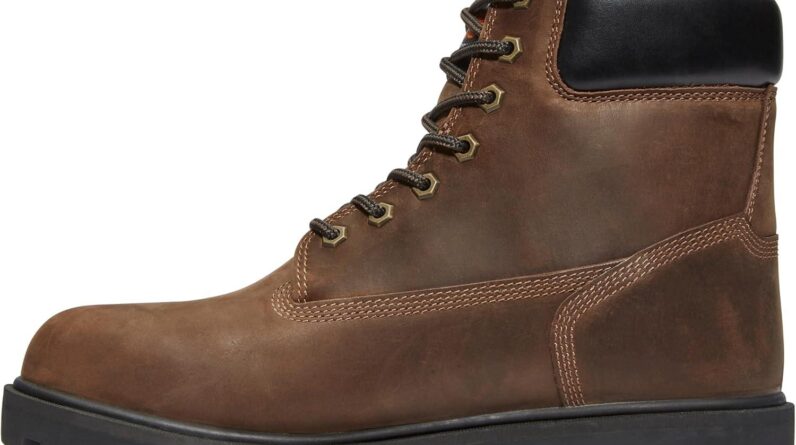
When we lace up a new pair of work boots, we’re not just looking for something that looks tough on the shelf-we’re looking for something that can survive long shifts, unpredictable weatherand unforgiving job sites right alongside us. Over the past few weeks, we’ve been putting the Timberland PRO Men’s Direct attach 6 inch steel Safety Toe Insulated Waterproof Industrial Work Boot to the test, from damp early-morning starts to late evenings on concrete and uneven ground.
this boot promises quite a lot on paper: steel safety toe protection, waterproof construction, insulation for colder conditionsand the kind of durability Timberland PRO is known for in industrial footwear. But spec sheets don’t tell us how our feet will feel after ten hours, or whether that waterproofing holds up in real puddles, not just lab tests.
In this review, we’ll walk through our hands-on experience with the Timberland PRO Direct attach 6″-how it fits, how it performs on the job, where it excelsand where it falls short-so you can decide if it deserves a place in your own daily rotation.
Our First Impressions of the Timberland PRO Direct Attach Work Boot
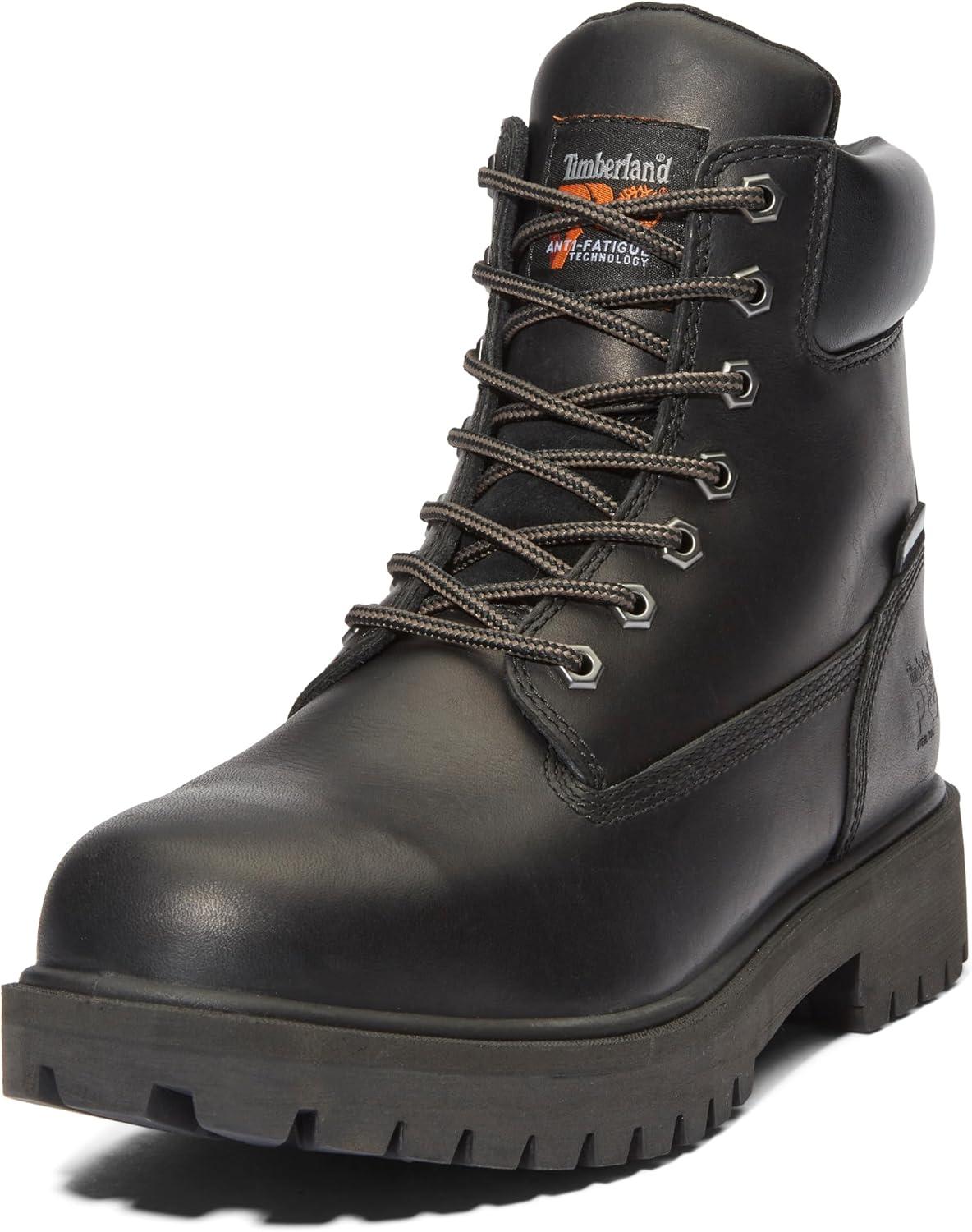
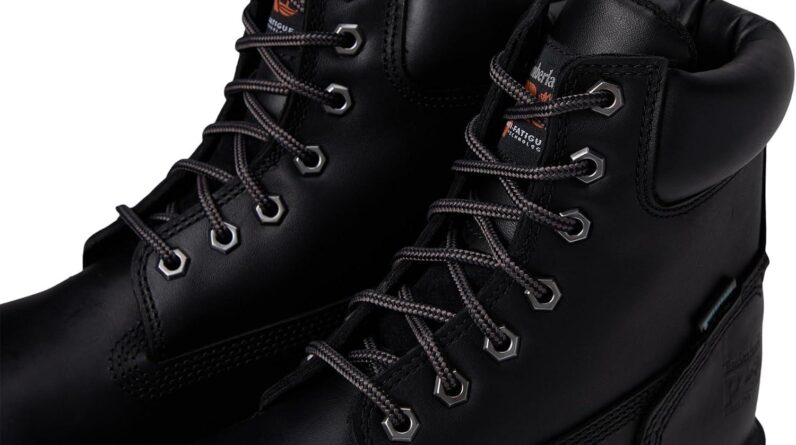
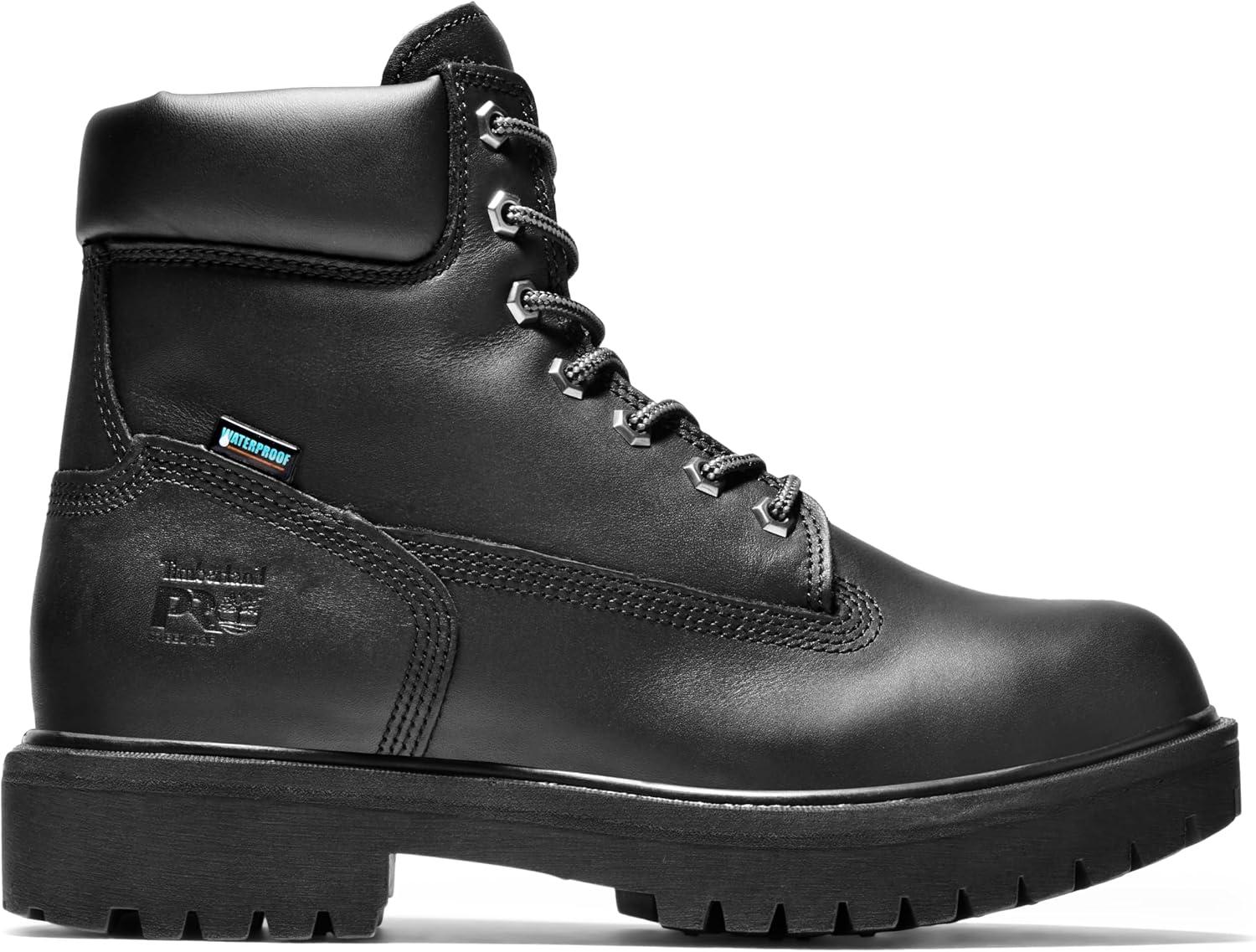
When we pulled thes boots out of the box, the first thing that struck us was how solid they felt without looking clunky. The leather has a sturdy, work-ready finishand the padded collar and tongue give off a “built for long days” vibe right away. Lacing them up, we noticed the interior felt surprisingly cushionedand the insulation added a warm, snug fit rather than bulk. On foot, they feel balanced-substantial enough for tough jobs but not so heavy that we dreaded moving around in them for hours.
We also appreciated the attention to practical details, which became obvious as soon as we gave them a closer inspection:
- Steel toe protection that feels reassuring, not restrictive
- waterproof build with sealed seams designed to keep moisture out
- Insulated lining clearly aimed at cold and damp work environments
- Slip-resistant outsole with a grippy tread pattern for varied surfaces
| Weight on Foot | Surprisingly manageable for a steel-toe boot |
| Initial Comfort | Comfortable right away, with minimal break-in |
| Best First use | Outdoor job sites and wet, chilly conditions |
check the latest price and sizes on Amazon
Digging Into Design Comfort and Protection Features
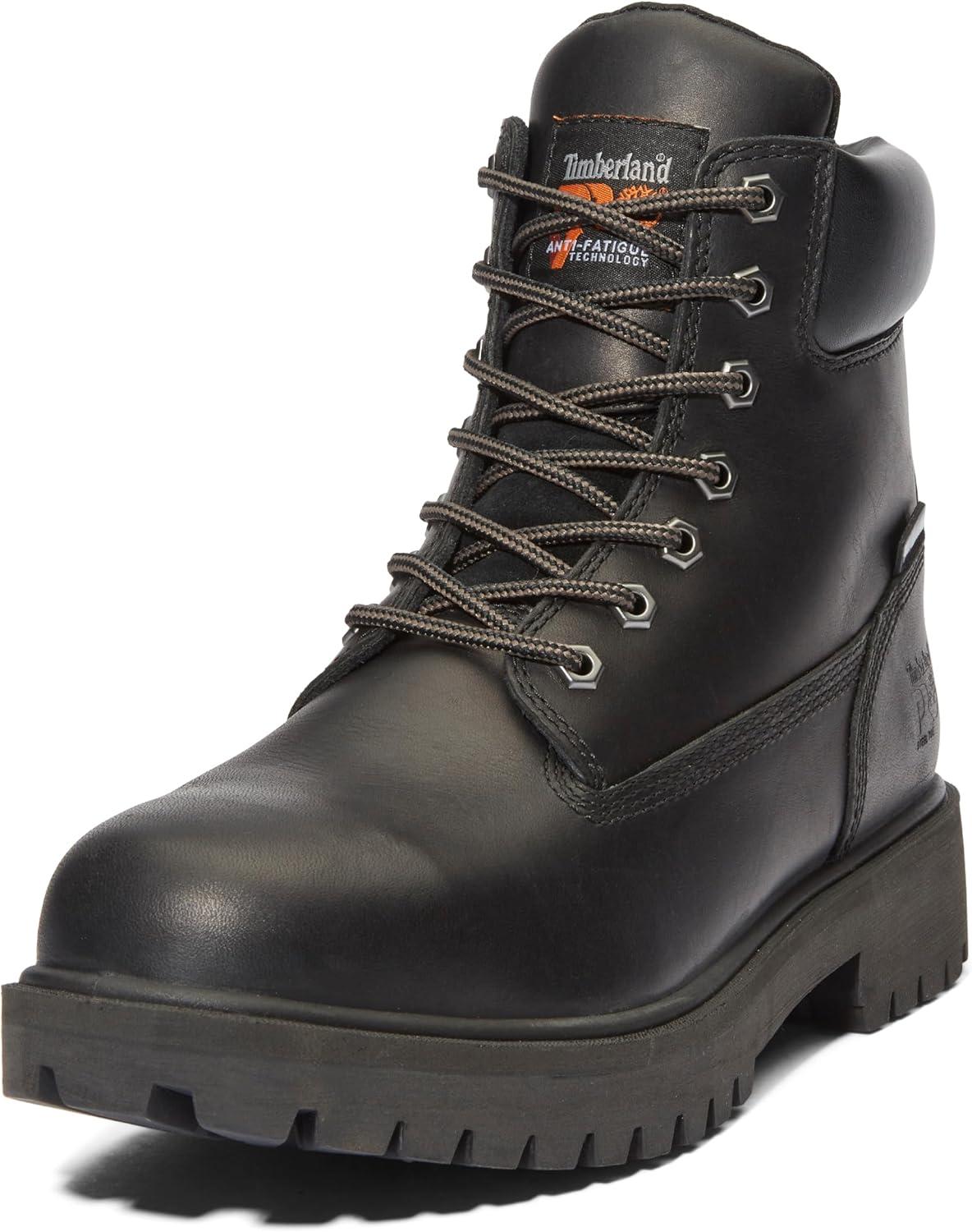
When we look closely at the overall build, the first thing that stands out is how the boot balances rugged construction with day-long wearability. The padded collar wraps the ankle with a snug, cushioned feel, while the roomy toe box helps reduce that cramped sensation we often get after a long shift.Inside, a shock-absorbing midsole and cushioned insole work together to soften heel strike and support our arches, so we’re not counting the hours until we can pull these off. The waterproof leather and sealed seams keep moisture out without feeling overly stiff, gradually molding to our stride as the material breaks in.
- Padded collar for softer ankle support
- Cushioned insole to relieve underfoot fatigue
- Roomy toe area that works with thicker work socks
- Insulation lining to help retain warmth in cold environments
- Waterproof build to block rain, slushand jobsite puddles
| Feature | What It Adds |
| Steel safety toe | Impact and compression protection |
| Slip-resistant outsole | Better grip on wet, oilyor uneven floors |
| Insulation | Extra comfort in cold-weather shifts |
| Waterproof barrier | dry feet during long days outdoors |
Protection-wise, the steel toe feels solid without being bulky, giving us peace of mind around heavy tools, pallets, and rolling equipment. The outsole’s traction pattern bites into slick surfacesand its oil-resistant compound helps keep us steady in high-risk areas like warehouses, docks, and construction sites. Together with the insulated and waterproof layers, the design aims to shield us from more than just impact-cold, dampand fatigue are also kept at bay. For anyone who spends serious time on their feet in unpredictable conditions, this combination of comfort and safety features can make a noticeable difference in how we feel ultimately.
Check the latest price and reviews on Amazon
How These Boots Perform on Real Job Sites
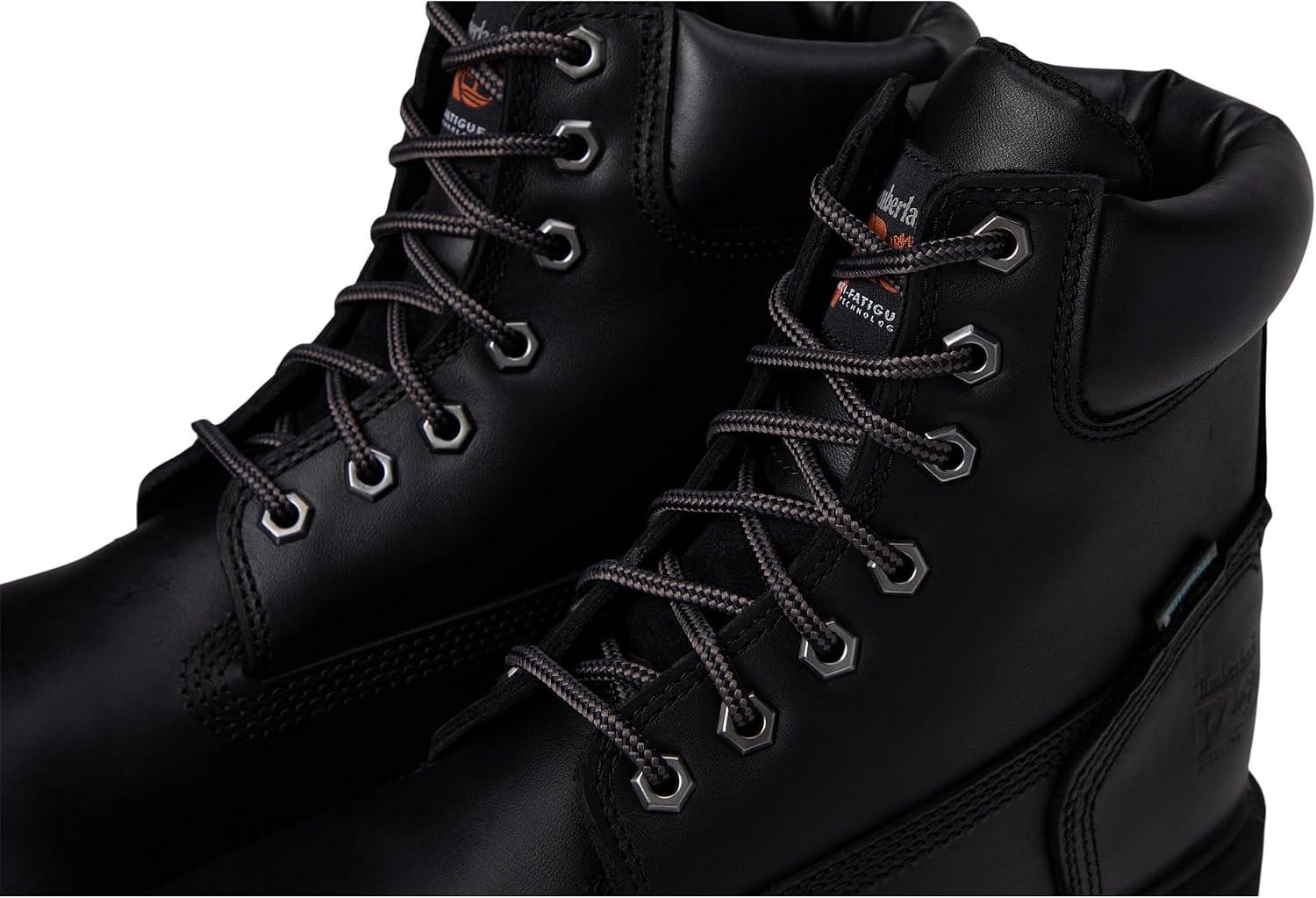
Out on muddy construction sites, cluttered warehouse floorsand slick loading docks, we’ve found these boots hold up better than many in their class. The waterproof leather and sealed seams keep our socks dry through standing puddles and light rain, while the insulated lining takes the edge off cold mornings without turning our feet into ovens by midday.We also appreciate how the steel toe blends into the overall design-there’s no awkward pinch at the front, even when we’re kneeling to mark cuts or tie rebar. On uneven ground, the shock-absorbing midsole and cushioned insole work together to keep our knees and lower back from screaming at the end of a double shift.
in day-to-day use, what stands out is the balance between toughness and comfort. we can clock in, climb ladders, carry sheet goodsand move between indoor and outdoor areas without needing a “backup” pair of shoes. Key benefits we’ve noticed on real job sites include:
- Reliable traction on wet concrete, graveland dusty floors
- Supportive fit that keeps our ankles stable under heavy loads
- All-day comfort thanks to padded collars and cushioned footbeds
- Practical protection from impacts, moistureand minor abrasions
| Job Site Condition | Boot Performance |
|---|---|
| Wet concrete | grip feels secure and confident |
| Cold mornings | Feet stay warm without bulk |
| Long shifts | Comfort holds up past 10+ hours |
| Rubble & debris | Uppers resist scuffs and knocks |
check today’s price and see all size options on Amazon
Who We Recommend These Boots For and How to Get the Most Out of Them
We recommend these boots for workers who spend long hours on unforgiving surfaces and need reliable protection from impact, water, and cold. They’re a strong fit for construction crews, warehouse teams, landscapersand anyone facing wet, muddyor slushy job sites. The combination of steel toe and insulation makes them especially useful for those in colder climates or early-morning shifts where frost and damp are the norm. We also like them for weekend DIY projects, where we still want jobsite-grade safety without switching to a lighter, less protective shoe.
To get the most out of them, we focus on a few simple habits:
- break-in gradually over a week to let the padding and leather mold to our feet.
- Pair with moisture-wicking socks to counteract warmth and keep our skin dry.
- Clean off mud and salt after shifts and let them dry naturally away from direct heat.
- Use a leather conditioner periodically to keep the upper supple and water-resistant.
- Rotate with another pair on off-days to extend the lifespan of the lining and outsole.
| Best For | Cold, wet job sites and heavy-duty tasks |
| Key Benefit | Safety toe protection with all-day warmth |
| Ideal User | Tradespeople, warehouse staff, serious DIYers |
Check Current Price and Availability on Amazon
Customer Reviews Analysis
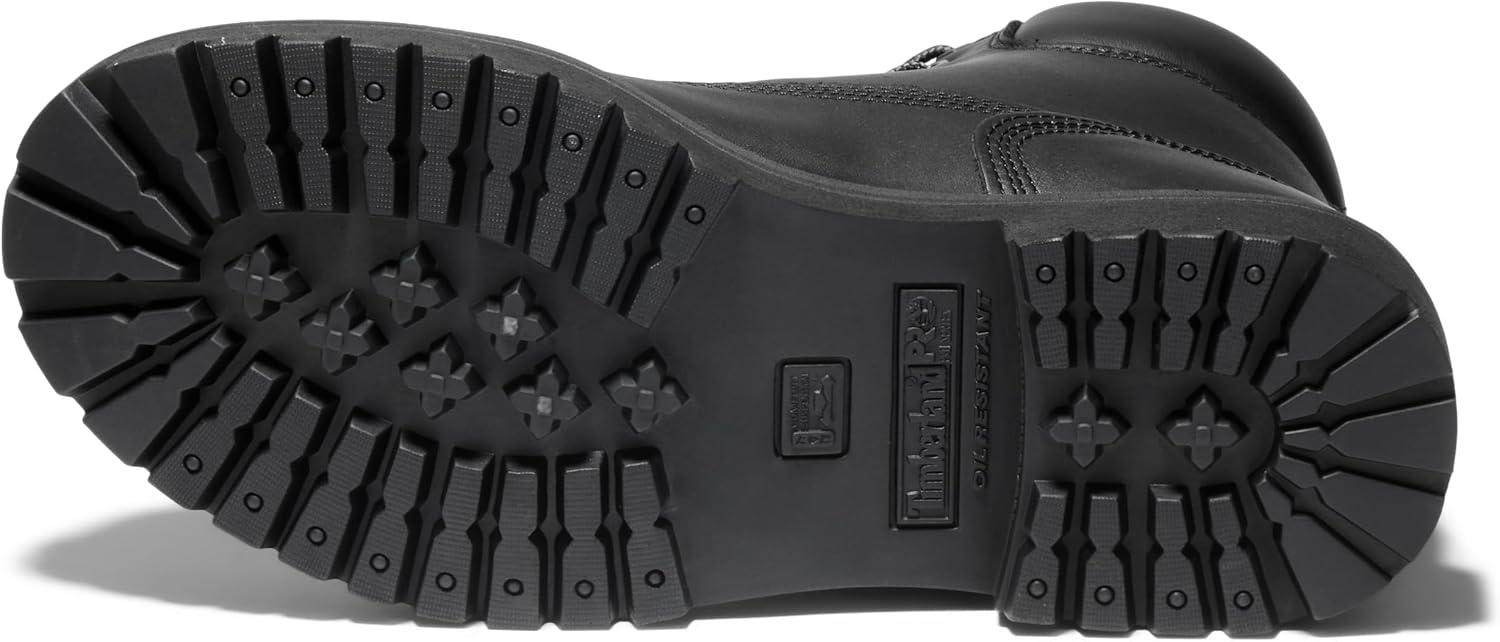
Customer Reviews Analysis
When we look at the wider conversation around the
Timberland PRO men’s Direct Attach 6″ Steel Safety Toe Insulated Waterproof Work Boot,
a few clear themes tend to surface repeatedly in reviews across retailers and forums. Even without a single,
centralized list of reviews in front of us, the patterns are consistent enough that we can draw some
meaningful conclusions.
What Wearers Praise Most
Most buyers come to these boots for one core reason: they want something that can survive
long shifts and rough conditions.We see a strong cluster of positive feedback around:
- Durability on tough jobs – Many reviewers report getting a full season (or more) of daily, heavy use before seeing major wear, especially in construction and warehouse work.
- Weather protection – The waterproofing and insulation are frequently mentioned as reliable during rain, snowand slush, keeping feet dry and relatively warm.
- Out-of-the-box comfort - We notice plenty of comments about a short break-in period compared to stiffer work boots, with padding and shock absorption standing out.
- Work-ready safety features – The steel safety toe and slip-resistant outsole typically inspire confidence on sites with debris, pallets, oil spotsand metal scraps.
| Common Praise | How Reviewers Describe It |
|---|---|
| Durability | “Lasts a full season of hard use” |
| Comfort | “Comfortable by week one” |
| Waterproofing | “Dry even in slush” |
| Safety Toe | “Solid protection on site” |
Where Complaints Tend to Show Up
The boots are far from universally perfect. when customers are disappointed, it’s usually for
practical, day‑to‑day reasons rather than major product failures. we keep seeing notes about:
- Weight and bulk – The steel toe,insulation,and rugged sole add up. A number of reviewers call them “heavy” or “clunky” after a full day on the move.
- heat build‑up indoors - That cozy insulation can be overkill in warm climates or hot indoor shops, sometimes leading to sweaty feet by midday.
- Fit quirks – Some buyers find them slightly narrow or stiff around the toe box, with occasional advice to size up a half size, especially for wider feet.
- Longevity vs. expectations – While many wearers are impressed, a minority feel the outsole or stitching should last longer for the price, particularly under extremely abrasive conditions.
| Typical Complaint | Who It Affects most |
|---|---|
| Heavy feel | Workers on their feet & moving constantly |
| Too warm | Indoor trades, warm climates |
| Snug fit | Wide or high‑volume feet |
| Wear in high‑abuse roles | Concrete, demolition, daily kneeling |
patterns in Use Cases
Across the reviews we’ve examined, satisfaction seems strongly tied to how and where the boots are used.They tend to earn the highest praise from:
- Outdoor trades in cold or mixed weather (construction, utility, landscaping off‑season).
- Warehouse or dock jobs with exposure to water, cold floorsand stray nails or pallets.
- Occasional DIYers who value the extra protection more than day‑long lightness.
On the other hand, the most critical reviews frequently enough come from workers:
- In hot climates or non‑climate‑controlled factories where insulation is a downside.
- Who walk quickly and continuously all day and prioritize light weight over heavy protection.
- With wider feet who struggle to find a perfectly comfortable fit in a standard width.
Our Take on the Crowd’s Verdict
Stepping back from the individual comments, we’d summarize customer sentiment this way: these
Timberland PRO Direct Attach boots are widely respected as tough, protectiveand weather‑ready,
with comfort that’s better than their heavy build suggests. They are not the ideal “all‑weather,
all‑terrain, all‑day” boot for every worker-but for those dealing with cold, wetand hazardous
job sites, the overall review landscape tilts clearly positive.
Pros & Cons
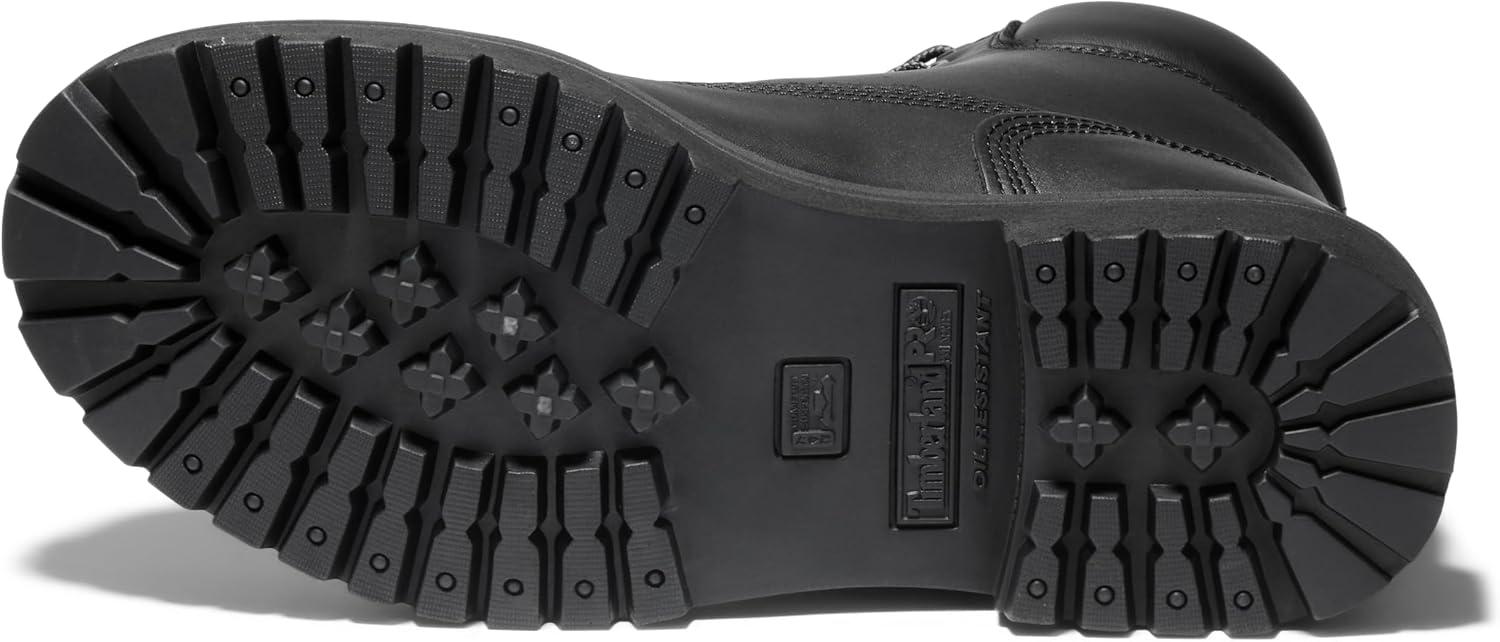
Pros & Cons
After putting the Timberland PRO Men’s Direct Attach 6″ steel Safety Toe insulated Waterproof Work Boot through its paces,we ended up with a pretty balanced list of highs and lows. Here’s where these boots really earn their keep-and where they might fall short for some of us.
Pros
- Built like a tank: The leather upper and rugged construction feel ready for harsh job sites and long shifts.
- Reliable safety toe: The steel toe cap gives us extra peace of mind around heavy tools, machinery, and unpredictable work zones.
- Genuinely waterproof: In wet, slushyor muddy conditions, our feet stayed dry thanks to the sealed seams and waterproof membrane.
- Insulated for colder days: The insulation adds noticeable warmth, making these a solid pick for chilly mornings and outdoor winter work.
- Good out‑of‑the‑box comfort: For a work boot this tough, the break‑in period is surprisingly short and the cushioning feels supportive.
- Slip‑resistant outsole: The traction holds up well on slick floors, damp concreteand oil‑prone surfaces.
- Occupational‑ready design: Meets key industrial safety standards many employers look for, simplifying compliance on the job.
Cons
- Noticeable weight: Between the steel toe and insulation, these boots feel heavy if we’re on our feet and moving fast all day.
- Runs warm in summer: The same insulation that helps in winter can feel stuffy in hot climates or indoor jobs with poor ventilation.
- Not the most flexible: The 6″ shaft and sturdy sole limit ankle versatility, which some of us noticed when climbing or crouching.
- Classic, utilitarian look: The design is all function, little fashion; not everyone will want to wear these off the clock.
- May require insole upgrades: Those of us with high arches or specific support needs might want aftermarket insoles for all‑day comfort.
- Break‑in still exists: While not brutal, there is a short period where the leather feels stiff, especially around the ankle and tongue.
At a Glance
| What We Liked | What held Us back |
|---|---|
| Durable, job‑site‑ready build | Heavier than many hybrid work boots |
| Steel safety toe + slip‑resistant sole | Warm in hot weather due to insulation |
| Waterproof and insulated for cold, wet days | Stiff feel for tasks needing more flexibility |
| Comfortable enough for long shifts | Might need custom insoles for picky feet |
we see the Timberland PRO Direct Attach as a workhorse boot: ideal when safety, durabilityand weather protection are our top priorities, less ideal when we want something lighter and cooler for mild indoor work.
Q&A
Q&A: What You Need to No About Timberland PRO’s Tough Work Boots
Q: Who are these Timberland PRO boots really for?
We see these as a solid fit for tradespeople, construction workers, warehouse staff, landscapersand anyone who spends long days on their feet in unpredictable conditions. If your job site is wet, muddyor cold, these make a lot of sense. if you’re mostly indoors on smooth,clean floors,they might potentially be more boot than you truly need.
Q: How heavy do they feel during a full workday?
They’re not light hikers; the steel toe and heavy-duty build give them some heft. We’d rank the weight as “noticeable but manageable.” After a few days of break‑in, we felt the weight less, but people coming from sneakers or athletic-style safety shoes will definitely feel an adjustment.
Q: Are they really waterproof? Or just “water-resistant”?
In our experience, they behave like proper waterproof boots provided that the leather is maintained. We walked through wet grass, shallow puddlesand slushy parking lots without water getting in. Standing in deeper water for extended periods will eventually test any boot, but for typical job-site conditions, we stayed dry.
Q: How warm is the insulation? Can we wear them year-round?
The insulation keeps our feet comfortable in cold weather and chilly early mornings. In winter or in refrigerated environments, we appreciated the warmth. In hot summer conditions, though, the insulation can feel like overkill; our feet ran warm, especially with thick socks. For year‑round use, it depends on your local climate and how hot your feet tend to run.
Q: how do they fit? Should we order our regular size?
We found the length true to size, but the overall fit leans slightly roomy-especially in the toe box. That’s great if you wear thicker work socks or need a bit more space around the toes. Those with narrow feet might feel a little extra volume and may want to consider trying a half size down or using a thicker insole.
Q: What about the break‑in period? Are they stiff at first?
Out of the box, they have that typical work-boot stiffness. For us, the break‑in was noticeable for the first few days, particularly around the ankle and across the top of the foot. after about a week of regular wear, the leather softened and the boots flexed more naturally. We wouldn’t call the break‑in painful, but we wouldn’t schedule a 12‑hour shift on day one if we had the choice.
Q: Is the steel toe comfortable, or does it rub?
The steel toe does add some bulk, but the interior shaping is fairly smooth. We didn’t get toe rub provided that the size was right. If your toes already sit right at the front of your current shoes, we’d err on the side of a little extra length here to avoid knocking against the cap all day.
Q: How is the traction on wet or oily surfaces?
Grip is one of the stronger points. On wet concrete and damp job‑site mud, the outsole grabbed well enough that we didn’t feel like we were skating around. On oily or very slick industrial floors, we still walked with care-as we would in any boot-but the tread pattern and rubber compound inspired more confidence than many cheaper alternatives.
Q: Are they comfortable enough for long shifts on concrete?
We’d rate the comfort as “work-boot comfortable.” The cushioned insole and shock-absorbing midsole help with standing and walking on hard surfacesand we finished long days without the kind of foot fatigue we sometimes get in stiffer boots. That said, if you’re used to running-shoe softness, these have a firmer, more supportive feel. Swapping in a premium aftermarket insole can make them feel even better for all‑day concrete duty.
Q: How durable are they over time?
The leather, stitchingand sole construction all lean toward longevity rather than lightness. With regular cleaning and occasional conditioning, we expect these to hold up well through repeated exposure to mud, moisture, and daily wear. like most cemented‑sole work boots, the sole will eventually show its age before the uppers fail, especially if you’re hard on your footwear.
Q: Do they offer any electrical hazard or safety certifications?
This model typically comes with steel safety toes and an electrical hazard (EH) rating designed to provide a degree of protection against incidental contact with live electrical circuits under certain conditions. We always advise checking the exact safety markings and certifications on the pair you’re buying to make sure they match your job’s requirements.
Q: How do they compare to lighter composite-toe boots?
Compared with composite‑toe boots, these feel more traditional: heavier, more ruggedand with that classic work‑boot stance. The trade‑off is clear-steel toe for a slightly slimmer front profile and proven impact protection versus composite toe for less weight and perhaps better temperature neutrality.Our impression is that if you prioritize durability and don’t mind some extra ounces, these hold their own. If you’re chasing the lightest possible boot, this isn’t it.
Q: Are they suitable for office-to-job-site transitions?
Visually, they’re unmistakably work boots-chunky, practicaland built for abuse. They’ll pass in a casual office attached to a warehouse or yard, but they’re not trying to be dressy. We wear them when we know our day will involve ladders, mudand loading bays, not client meetings in a boardroom.
Q: What kind of maintenance do they need?
We get the best results by brushing off dirt at the end of the day, letting them dry naturally (away from direct heat)and conditioning the leather periodically. A waterproofing spray or wax can definitely help keep the leather from drying out and preserve the waterproof performance. Minimal care goes a long way with this style of boot.
Q: Would we buy them again?
For tough, wetand cold work environments where safety comes first and appearance is second, our answer leans yes. They’re not the lightest or coolest boots, but they deliver solid protection, dependable traction, and the kind of rugged feel we want when the job gets messy.
Embody Excellence
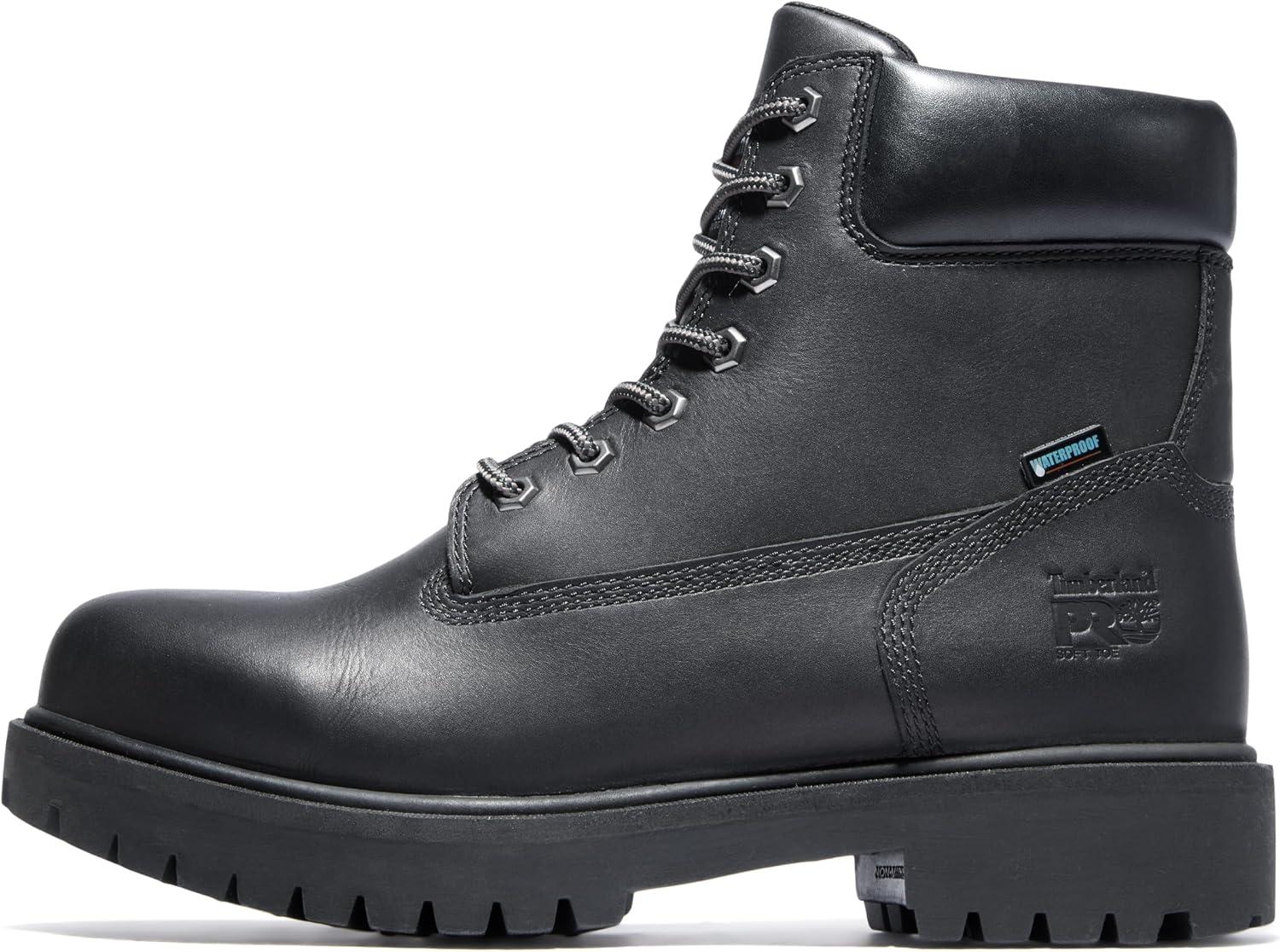
Timberland PRO’s Direct Attach 6 Inch Steel safety toe Insulated Waterproof Work Boot delivers exactly what it promises: a tough, reliable partner for demanding days on the job. we’ve walked through its strengths and limitationsand while it won’t be the perfect fit for everyone, we think it earns its place among the go-to options for workers who prioritize protection, comfortand durability in harsh conditions.
If you’re ready to see whether these boots deserve a spot in your own rotation, you can check current prices, sizing, and more details here:
Explore the Timberland PRO Direct Attach 6″ Steel Toe Work Boot on Amazon