


This post may contain affiliate links which means I may receive a commission for purchases made through links. Learn more on my Private Policy page.
When we first laced up the “tank” Work Boots for Men – the 6-inch soft toe leather boots with a rubber sole – we weren’t expecting them to become our default pair for long days on site. On paper, they look like a straightforward, no-frills option: classic leather upper, work-ready rubber outsole, and a soft toe design aimed at comfort rather than maximum impact protection. But after putting them through dust, concrete, wet grass, and long hours on ladders and scaffolding, we’ve had enough time to see what these boots actually deliver beyond the spec sheet.These boots sit in a crowded category-industrial and construction footwear is full of big promises about durability,comfort,and support. With the ”Tank” pulling in thousands of reviews and a high overall rating, our curiosity was whether they truly earn that reputation, or if they’re just riding on an attractive price and a tough-sounding name.
In this review, we’re going to walk through how the “Tank” work boots have held up in real-world use: how they feel after a full shift, how the leather is aging, how the traction performs on different surfaces, and where we think these boots excel-and where they fall short. If you’re considering a pair of soft toe work boots for construction,warehouse work,or general trade jobs,our experience with these might help you decide whether the “Tank” belongs in your rotation.
Getting to Know the Tank Work Boots Our First Impressions on the Job
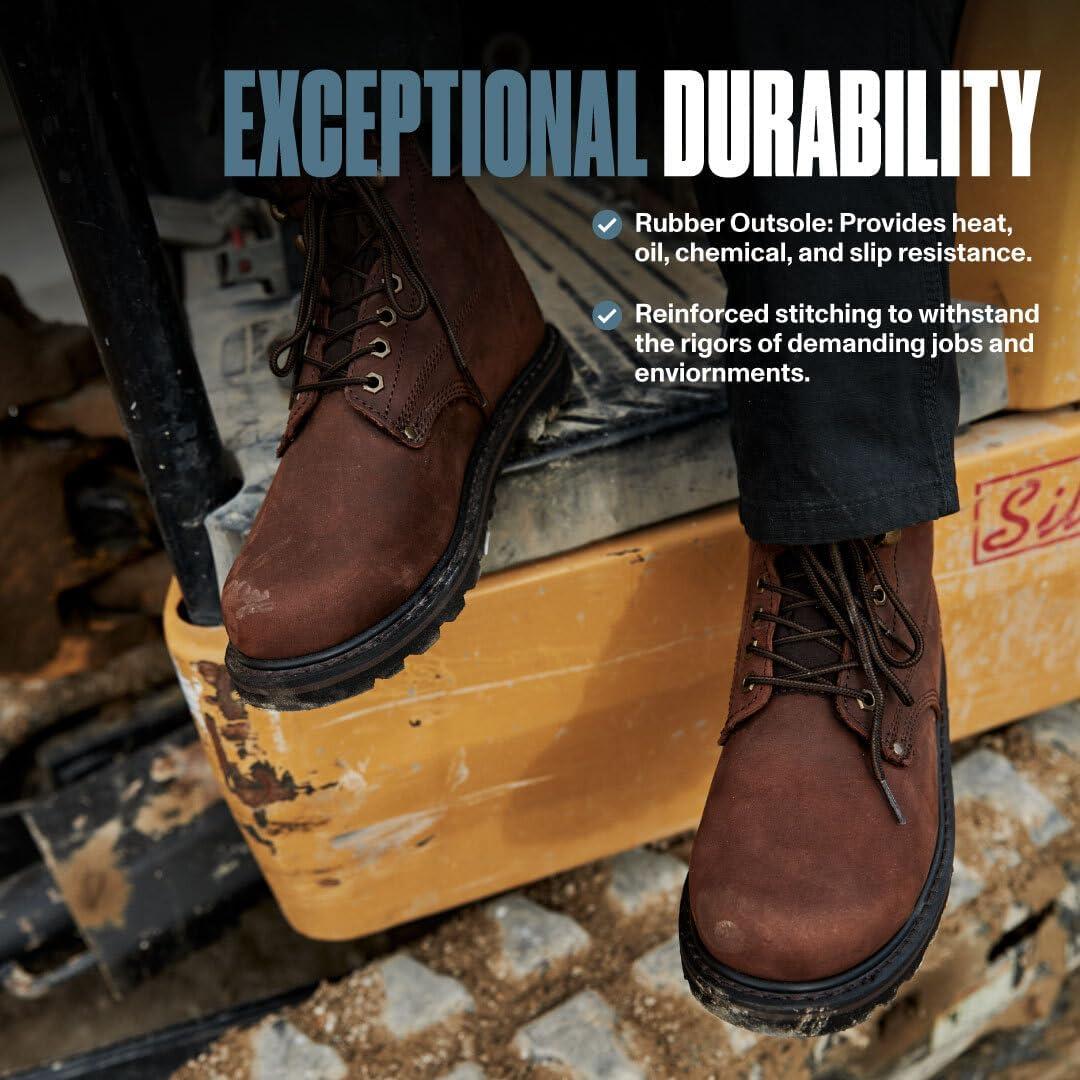
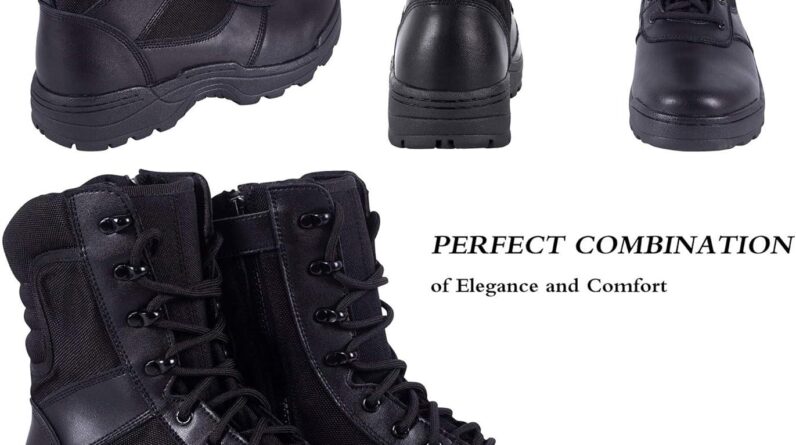
As soon as we pulled these boots out of the box, the first thing we noticed was how solid yet streamlined they felt in hand. At around four pounds for the pair,they struck that middle ground between feeling significant and not like ankle weights we’d dread lacing up before a long shift.The leather looked tough enough for regular site abuse, and the overall build gave off a no-nonsense, work-first vibe. Once we slipped them on and walked a few laps around the yard, the soft toe design was immediately noticeable-ther was room for our toes to move naturally, without the pinched feeling some safety footwear gives us on day one.
| On-the-Job first Look | Our Take |
|---|---|
| Out-of-box feel | Sturdy,not overly stiff |
| Weight | Balanced for all-day wear |
| Break-in time | Noticeably short |
- Comfort on day one: During our first jobsite run,the cushioned interior kept our feet from feeling beat up,even as we moved between concrete,gravel,and packed dirt.
- Traction and stability: The rubber sole gripped wet plywood and dusty floors better than we expected, which inspired confidence when climbing ladders or stepping over debris.
- Work-ready profile: The 6-inch height offered just enough ankle support without feeling bulky under our work pants, and the design didn’t look out of place whether we were on-site or grabbing a quick lunch.
Check current price and reviews on Amazon
Digging Into Design and Materials How the Leather Upper and Rubber Sole Hold Up
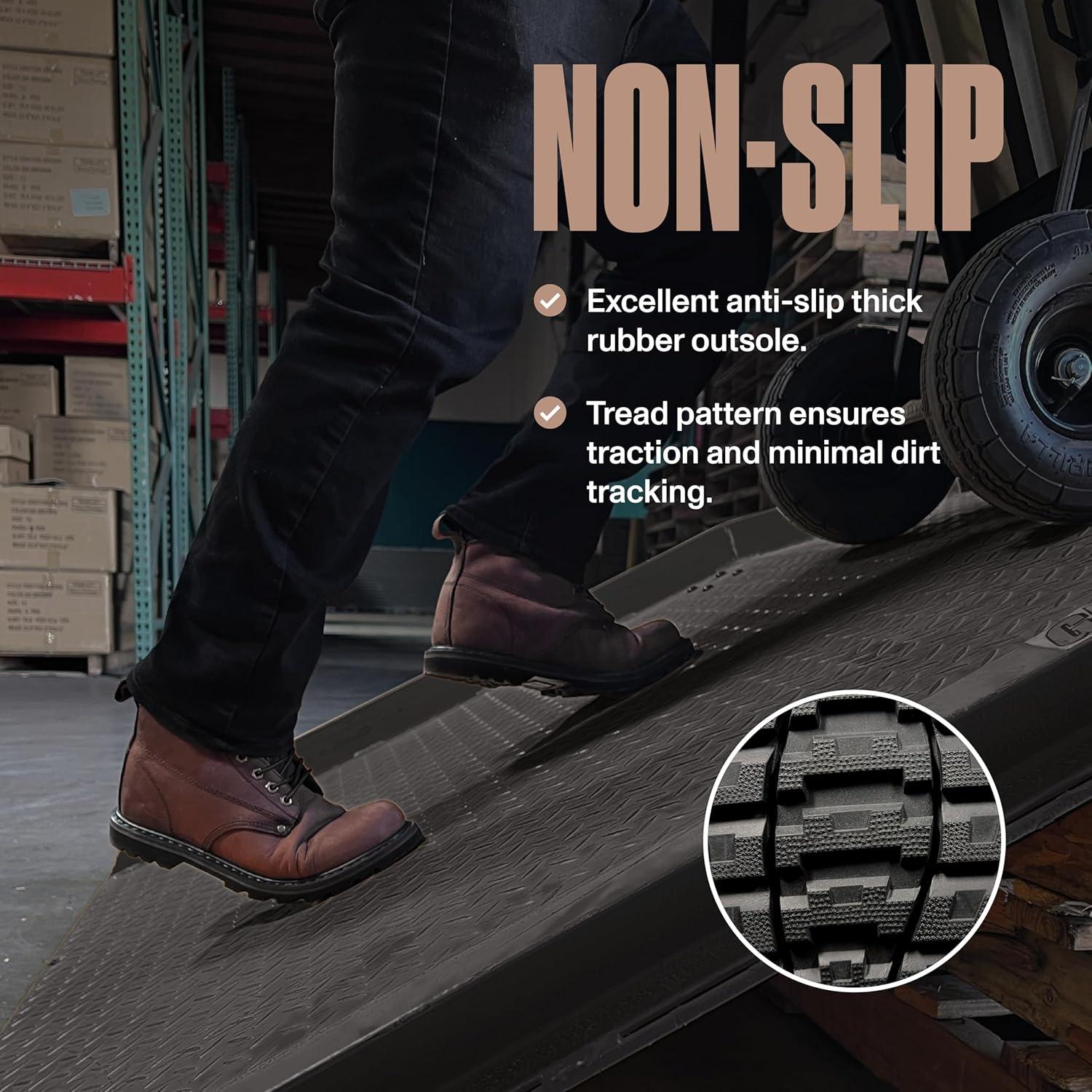
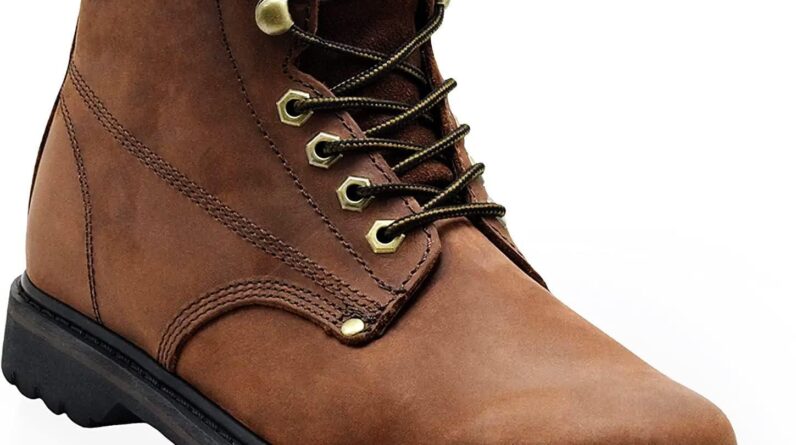
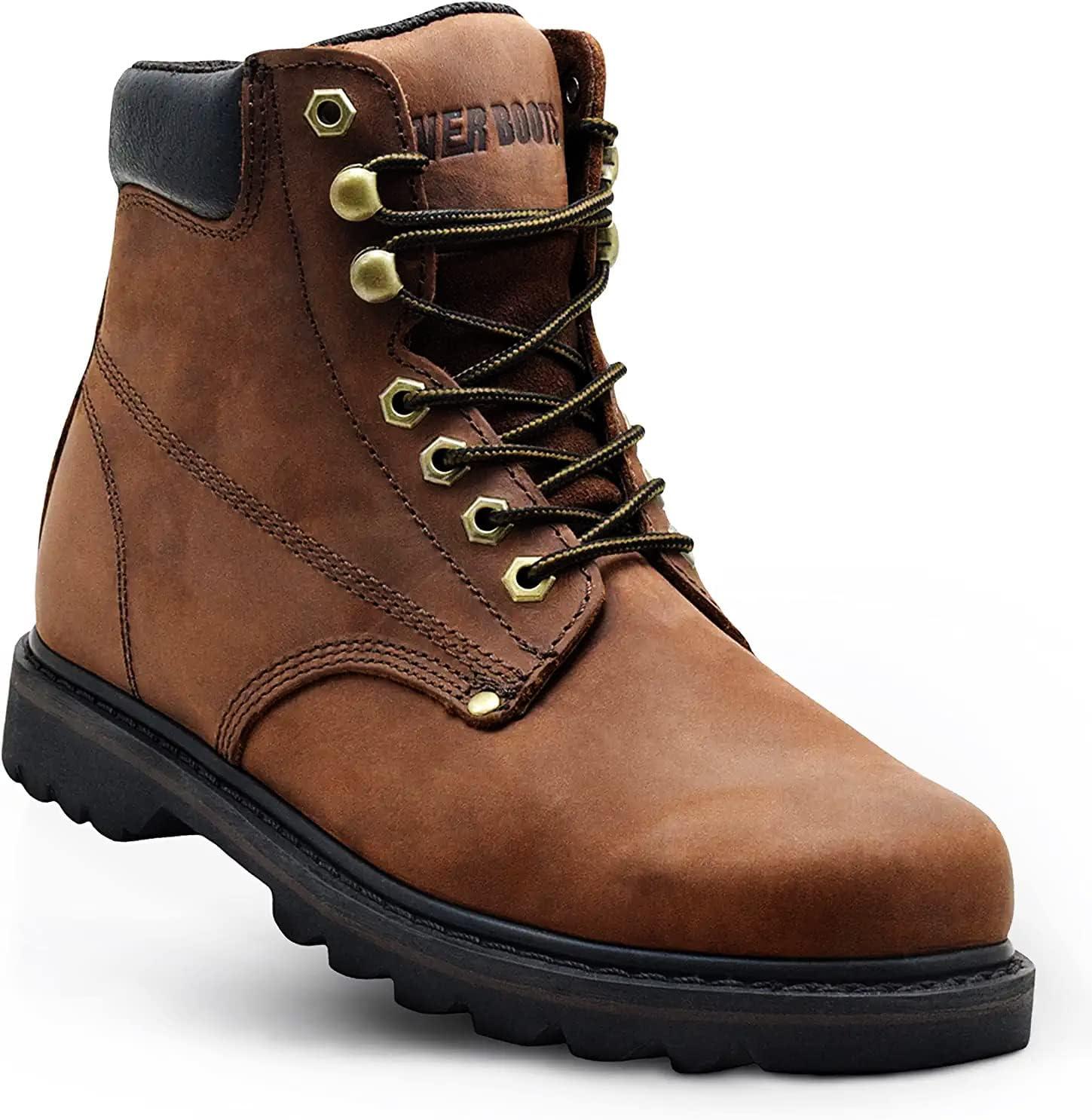
When we first lace these up, the full-grain leather upper feels reassuringly solid without coming off as stiff or plasticky. The 6-inch height gives our ankles a snug hug, and the stitching looks clean and consistent along the seams. Over time, the leather breaks in with a natural flex rather than creasing awkwardly, which helps keep hot spots and rubbing to a minimum. We also like that the overall build doesn’t feel bulky; instead, it balances structure and mobility so we can crouch, climb, and walk all day without feeling weighed down.
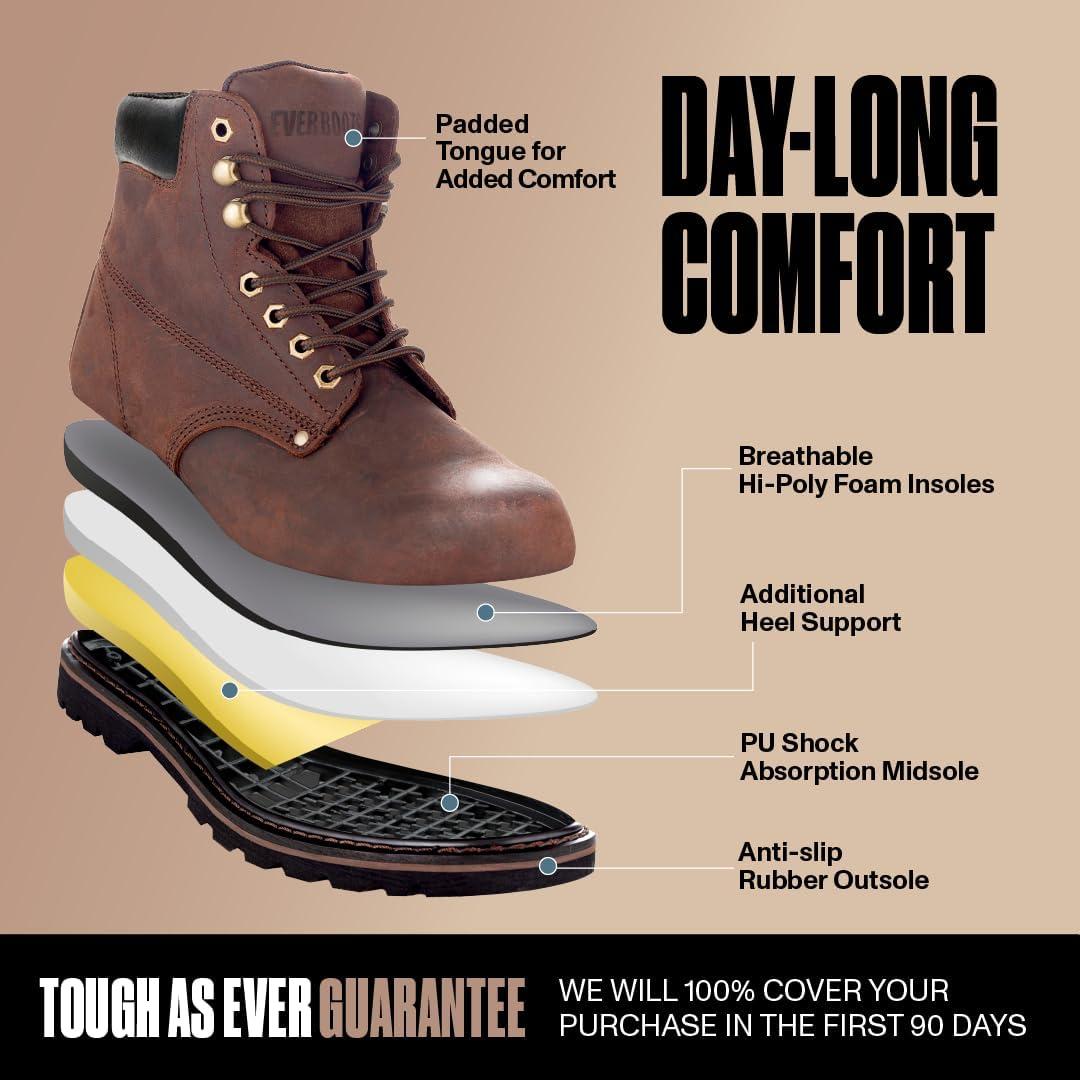
Beneath that leather, the rubber sole does the heavy lifting on tough surfaces. It has a chunky, work-focused tread pattern that grips wet concrete, dusty plywood, and gravel better than many lightweight hikers we’ve tried. The sole is thick enough to buffer us from nail heads and scattered debris, yet it still bends where our foot naturally rolls. Together, the upper and outsole create a dependable shell that handles daily abuse on job sites, workshops, and yards.
- Upper: Durable leather with supportive 6″ shaft
- Sole: Thick rubber for traction and shock absorption
- Weight: Around 4 lbs per pair (package)
- Best For: Construction, industrial work, heavy DIY
| Feature | Our Take |
|---|---|
| leather Quality | Breaks in smoothly, resists scuffs |
| Stitching | Even, sturdy, job-site ready |
| Sole Grip | Reliable on wet and dusty surfaces |
| Daily Comfort | Supportive for long shifts |
Check the latest price and reviews on Amazon
Comfort,Fit and Everyday Performance What We Learned After Long Shifts
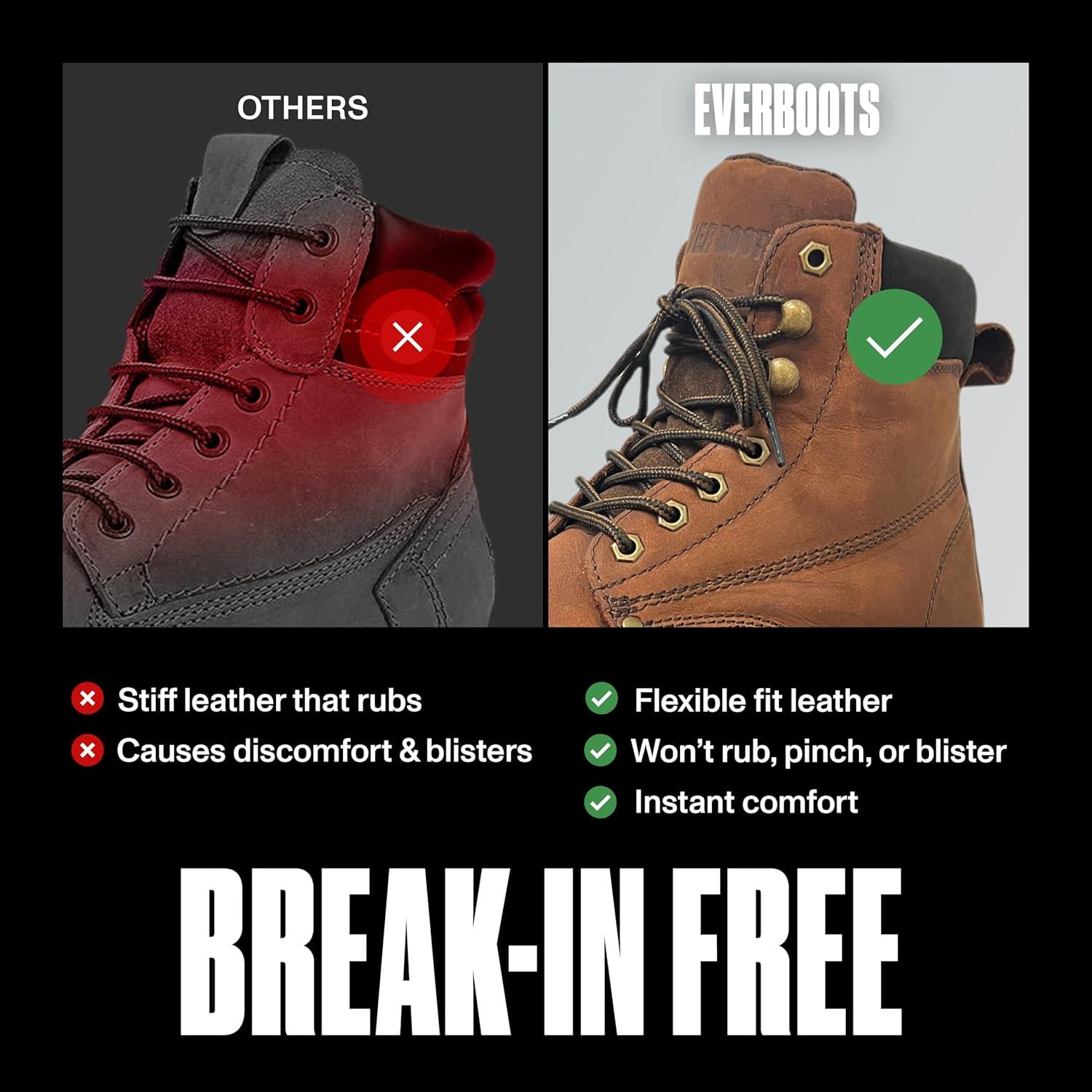
After wearing these through full construction shifts, what stood out most to us was how quickly they broke in and how predictable the fit felt all day. The leather softens without getting sloppy, so our feet stayed locked in without hot spots, even when we were constantly climbing ladders or crouching. At around 4 pounds per pair and a classic 6-inch height, they hit a sweet spot between support and mobility, giving our ankles structure without feeling like we were dragging around cinder blocks. We also appreciated that the rubber outsole absorbed a fair bit of impact when walking on concrete, which helped reduce the end-of-day foot fatigue we usually expect from cheaper options.
In everyday use-moving from jobsite to truck to quick store runs-they felt more like sturdy everyday boots than “only-for-work” gear. We liked that the fit stayed true with normal work socks, and the lacing system made it easy to dial in snugness over the instep for different tasks. During long shifts, we noticed fewer aches in our arches and less pressure on the balls of our feet, which made a real difference in how fresh we felt at the end of the day.
- Break-in time: Short, leather softens within a few wears
- Weight: Supportive but not overly heavy for all-day use
- Ankle support: 6-inch height offers stable, secure feel
- Outsole comfort: Rubber sole cushions steps on hard surfaces
| Best For | Long construction shifts, daily jobsite wear |
| Fit Profile | true to size with standard work socks |
| Comfort Highlight | reduced fatigue on concrete and ladders |
Check current price and sizing options on Amazon
Who These Boots Are Really For Our Honest Recommendations and Buying Tips
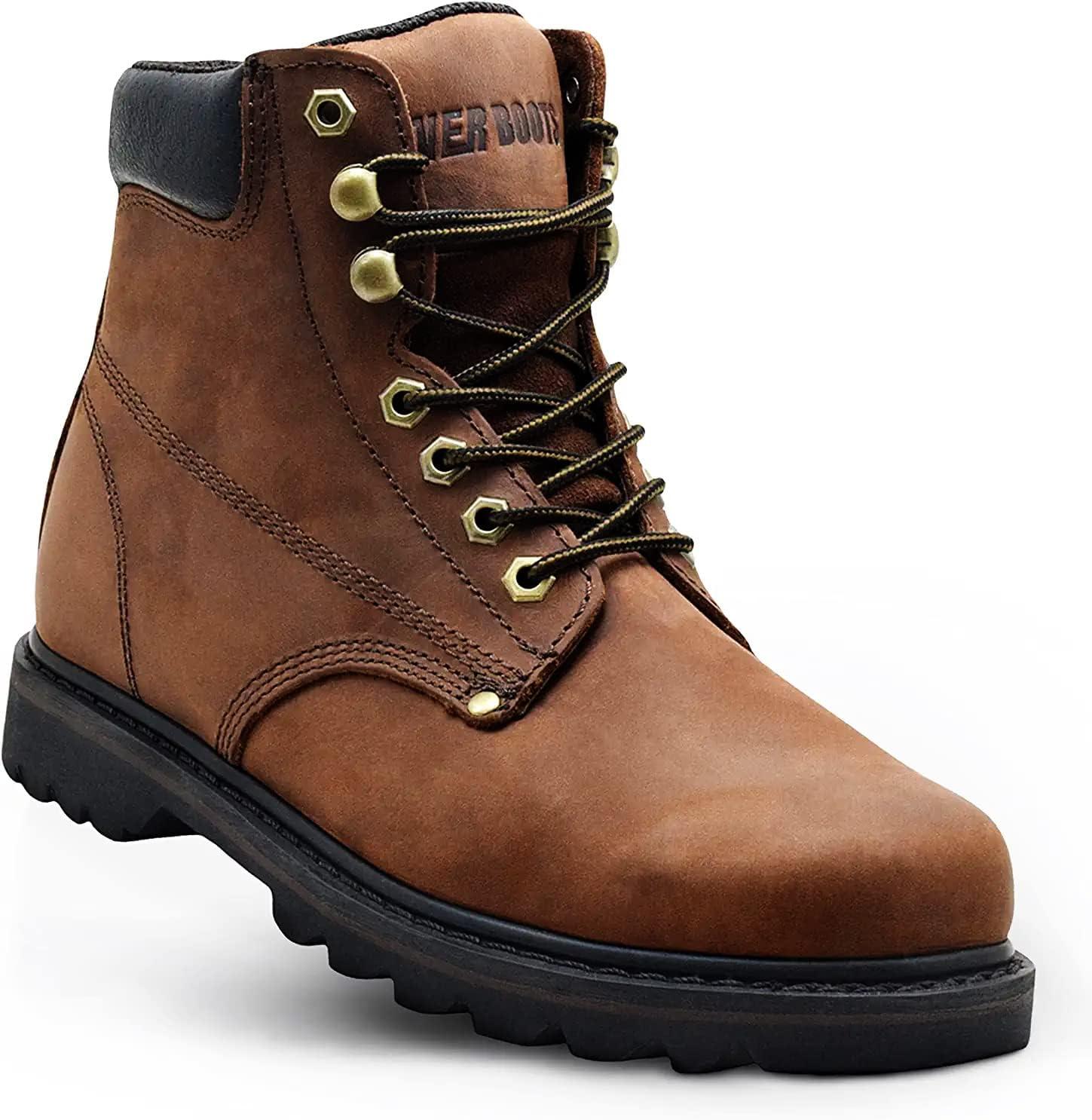
If we’re honest, these are best suited for guys who spend full shifts on concrete, packed dirt, or warehouse floors and need dependable comfort more than a safety toe. The soft toe keeps things lighter and more flexible, so we see them working well for carpenters, delivery drivers, mechanics, general contractors, and diyers who still want a rugged leather boot without the extra bulk. With a 6-inch height and a sturdy rubber sole, they strike that balance between ankle support and everyday wearability-enough structure for the jobsite, but not so stiff that we dread lacing them up off the clock.
When we look at the long track record (first released back in 2015) and thousands of buyer ratings averaging 4.4 out of 5 stars, our proposal is simple: choose these if you want a proven work boot that favors comfort, classic style, and value over advanced safety features. We’d skip them for heavy steel-plant work or environments that require a certified safety toe, but for construction, light industrial, and shop work, they’re a strong contender.Before buying, we suggest double-checking your sock thickness and sizing reviews, then deciding if you want room for insoles, as the 4-pound package weight hints at a fairly solid build.
- Best for: Construction, warehouse, shop, landscaping, farm work
- Not ideal for: Steel mills, heavy manufacturing, jobs requiring steel/composite toe
- Fit tip: Consider thicker socks or an insole if you’re between sizes
- Value angle: High user rating + top-20 rank in industrial boots
| Boot Height | 6-inch ankle support |
| Approx. Weight | 4 lb (package) |
| Best Use | Daily jobsite & shop work |
| User Rating | 4.4 / 5 (18k+ reviews) |
check today’s price and available sizes on Amazon
Customer Reviews Analysis
Customer Reviews Analysis
To balance our own experience with the “Tank” work boots, we dug into what other buyers are actually saying.the sentiment tilts strongly positive, with comfort, durability, and value for money recurring as the main themes.Still, a few consistent drawbacks show up that are worth noting before lacing these up for the job site.
Overall Sentiment at a Glance
| Aspect | Customer Mood | Key Takeaway |
|---|---|---|
| Comfort | Very positive | Soft feel, good all‑day wear |
| Durability | Very positive | Hold up well over months of daily use |
| Fit & Sizing | Mostly positive | True to size, but wide option runs quite wide |
| Weight | Mixed | Protective and “tank‑like,” but some find them heavy |
| Arch Support | Mixed | Some users add insoles for better support |
| Origin & Perception | Mixed | Made in China surprises some expecting US‑made |
Comfort: The Standout Feature
Comfort is where these boots seem to win almost everyone over. We see multiple buyers claiming they’re the best boots they’ve ever owned, including one reviewer who’s worn boots for 80 years and still puts these at the top of the pile. Reports describe:
- Soft, flexible leather that breaks in quickly
- All‑day wear without sore feet at the end of a shift
- A “barely there” feel for some wearers (“hardly knows he is wearing them”)
One outlier notes that the boots felt flat and needed extra arch support right away. That suggests that while the padding is ample, the built‑in arch contour may be on the moderate side, which can be a plus for some feet and a minus for others.
Fit, Width, and Sizing
The general consensus is that these boots run true to size in length. A size 11 medium,as an example,is reported to fit perfectly straight out of the box.The wide size, however, seems very generous. One owner who chose the wide version ended up needing a second pair of socks for a snug fit and plans to go with the standard width next time.
| Fit Area | Customer Experience | Our Interpretation |
|---|---|---|
| Length | “Fit perfectly” at normal size | Order your usual size |
| Width (Standard) | Comfortable, not too narrow | Good for average feet |
| width (Wide) | “Wide they are” – very roomy | For truly wide feet only |
Lacing gets praise too. the large speed eyelets and smart lace routing make tightening quick and simple, which matters when you’re suiting up every morning. One lace did fail for a user, but they brushed it off as a minor, easily fixed issue rather than a deal-breaker.
Build Quality and Durability
The “Tank” nickname isn’t accidental. Reviewers consistently mention heavy‑grade leather, solid stitching, and a rugged rubber sole. Features that stand out in the reviews include:
- Premium leather uppers described as “very good quality” and “soft yet robust.”
- Multiple stitching with rivets at stress points, which inspires confidence for long‑term wear.
- Goodyear welt construction, a detail one user calls out as improving waterproofing and overall toughness.
- Thick rubber soles that handle daily use, offer strong traction (even in snow), and don’t mark indoor floors.
Several reviews come from people who’ve worn the boots almost every day for months and report “hardly any wear.” Another calls them “robust und strapazierbar” (robust and hard‑wearing) but also notes that this construction comes with a bit of extra weight.
Water Resistance and Weather Performance
These aren’t billed as heavy-duty safety boots, but customers still push them into tough conditions. The feedback here is cautiously optimistic:
- One long‑term user treated the leather with waterproofing oil on day one and reports never having wet feet, even in snow.
- Another buyer hasn’t tested them fully in wet weather but plans to use mink oil,suggesting the leather takes conditioners well.
The Goodyear welt gets special mention for keeping water out at the seams. Still, it’s clear that some waterproofing effort by the wearer (mink oil, wax, or dedicated leather treatment) is expected for serious wet conditions.
Style and Everyday Wear
A surprising number of comments focus on looks. Customers call them “good looking boots with jeans,” “nice looking,” and “they look great” right out of the box. They’re not just for the job site-several owners clearly wear them casually as well.
Soft leather and padded ankles add to the comfort without making them look overly bulky, though some Spanish and German‑language reviewers point out that they feel a bit “pesadas y toscas” (heavy and chunky). That bulk, however, is framed positively by others as part of the protective, “tank‑like” character of the boot.
Weight and Arch Support: The Main Trade-Offs
two recurring minor complaints emerge:
- Weight: A couple of users describe them as heavy. In return, they get serious protection and durability, but anyone used to lightweight hikers might feel the difference.
- Arch support: At least one reviewer immediately knew they’d need extra arch support and planned to buy insoles. For neutral or low arches, the factory insole may be fine; for high arches or long days on concrete, an aftermarket insert could make a big difference.
Country of Origin and Value Perception
One buyer specifically ordered from the U.S. expecting American‑made boots and was “gobsmacked” to find a “Made in China” label. That said, even this reviewer concedes that the boots look very good and hopes they’ll last. Others are more straightforward: for what you pay, several insist you “can’t go wrong” and call them an excellent value.
| Theme | Customer Reaction | Value Impact |
|---|---|---|
| made in China | some surprise,some skepticism | Quality still rated high in use |
| Price vs. Quality | “Bang for the Dollar” praised | Seen as a bargain work boot |
what Customers Agree On
pulling all of this together, we see a fairly clear consensus in the reviews:
- Comfort: excellent for most wearers, even after long days.
- Durability: Strong materials,sturdy stitching,and long‑lasting soles.
- Fit: True to size; wide version is very roomy.
- Protection: Solid, slightly heavy build that feels secure on the job.
- Best for: People who want a non‑steel‑toe work boot that can double as a casual boot with jeans.
There are quibbles-extra weight, modest arch support, and the made‑in‑China label-but none of them appear frequently enough to drown out the praise.From what customers tell us, the “Tank” lives up to its name: solid, dependable, and built to take a beating, provided that you’re willing to break them in and, if needed, fine‑tune the support with your own insoles.
Pros & Cons
Pros & Cons
After putting the “Tank” work boots through our daily grind, here’s how they stacked up for us.
| Pros | Cons |
|---|---|
| Sturdy leather upper feels built for abuse on site. | Break-in period can be rough on wider feet. |
| Rubber sole grips well on dusty concrete and wet pavement. | Soft toe offers no protection from falling heavy objects. |
| Comfortable once broken in; good for long standing shifts. | Heavier than some modern “athletic-style” work boots. |
| Looks conventional enough to go from jobsite to casual wear. | Ventilation is just average; feet can run warm in summer. |
| Solid value considering durability and high user rating. | Not ideal for very wet or chemical-heavy environments. |
Where the “tank” Boots Shine
- We felt confident in the leather and stitching when dragging tools, climbing ladders, and working on rough terrain.
- The rubber outsole gave us stable footing on construction-grade surfaces,especially where dust and light moisture usually make cheaper boots slick.
- Once they molded to our feet, the cushioning and support were good enough for full shifts without that “counting the hours” foot fatigue.
- We liked that they pass as everyday boots when we’re off the clock, which adds value if we don’t want a separate pair just for errands.
Where They fall Short
- We had to push through a noticeable break-in window, particularly around the ankle and instep.
- As they’re soft toe, we wouldn’t use them where steel or composite safety toes are required by site rules.
- The build leans more “tank” than “runner,” so if we prefer ultra-light footwear, these will feel substantial on our feet.
- on hotter days, we noticed heat building up, which might matter to those of us working long hours outdoors in warm climates.
Q&A
Q&A: Everything We’d Want to Know before Buying the “Tank” Work Boots
Q: Who are these “Tank” work boots actually for?
We found they’re best suited for guys in construction, light industrial work, warehouse jobs, and general trades who don’t need a steel toe, but still want something tough with decent support and traction.
Q: Are these boots comfortable for all‑day wear?
In our experience, yes-after a short break‑in. The leather feels stiff at first, but within a few days it softens up. After that, we felt comfortable wearing them through full shifts without sore feet, as long as we paired them with good socks.
Q: how heavy do they feel?
They’re not ultra‑light, but they’re not cinder blocks either.For a 6‑inch leather work boot with a rubber sole, the weight felt pretty average to us-sturdy enough to inspire confidence, but not so heavy that our legs were dragging at the end of the day.
Q: How’s the grip on different surfaces?
Traction on concrete,packed dirt,and shop floors impressed us. The rubber sole grips well on slightly wet surfaces too. We wouldn’t treat them like dedicated slip‑resistant boots for oil‑soaked environments, but for normal jobsite conditions we felt secure.
Q: Are these boots waterproof?
The product is not marketed as waterproof. We’d call them water‑resistant at best. They handled brief splashes and damp ground fine, but standing in puddles or working in heavy rain will eventually soak them. If you need real waterproofing,we’d look at a dedicated waterproof model-or plan to treat and maintain the leather regularly.
Q: Do they have a safety (steel or composite) toe?
No. These are soft toe boots. They offer structure and some bump protection,but they are not a safety toe boot. If your job requires steel or composite toe for OSHA or company regulations, these won’t qualify.
Q: How is the ankle support with the 6‑inch height?
We found the 6‑inch shaft gives decent ankle support without feeling restrictive. Laced up snugly, they help keep our ankles stable on uneven ground, but they don’t climb high enough to feel like a logger or military boot.
Q: How durable do they feel over time?
We obviously can’t compress years of wear into a quick test, but judging by the leather thickness, stitching, and sole, our impression is that they’re built to handle regular jobsite abuse. The massive number of long‑term user reviews (over 18,000 with an average around 4.4/5) backs that up more convincingly than we can in a short test window.
Q: Are they true to size?
On our feet, they ran close to true to size, with a slightly roomy fit-good for work socks. If you’re between sizes or prefer a snug fit, going half a size down might be worth considering. Wide‑footed wearers in our group appreciated the extra space in the toe box.
Q: Are they comfortable for standing in one spot all day?
Standing in place all day is brutal in any boot. These did reasonably well, thanks to the cushioned insole and rubber sole, but we’d still consider upgrading to aftermarket insoles if your job keeps you mainly on concrete for 8-10 hours straight.
Q: Is there any break‑in period?
Yes. Our pairs needed a few days of regular wear to fully loosen up-especially across the top of the foot and around the ankle. after that, the leather flexed more naturally and the fit felt much better.
Q: Do they work in hot and cold weather?
They’re uninsulated leather boots,so they breathe better than insulated winter models but can still feel warm in peak summer heat. In winter, they’re fine with thick socks for moderate cold, but they’re not designed as deep‑freeze boots.
Q: how do they look off the jobsite?
We’d call the style “classic work boot”-not flashy, not dressy, but perfectly acceptable with jeans if you run errands or grab a bite after work. The 6‑inch profile keeps them from looking bulky or overbuilt.
Q: Can we use them for hiking or casual outdoor use?
They’re designed as work boots, not technical hikers. That said, we did some light trails and yard work in them without complaints.For regular weekend hikes, we’d still choose lighter hiking boots, but if you want one boot that can survive a jobsite and a campground, these can pull double duty.
Q: How does the price compare to the quality?
Based on what we’ve seen-and the fact that it’s ranked high in men’s industrial & construction boots-the value is strong. you’re not paying for a big‑logo brand name, but you’re getting sturdy leather, a grippy rubber sole, and a proven track record from thousands of users.
Q: What about warranty or returns?
The product listing mentions a warranty, but the details live on the retailer’s page. We recommend checking that link before buying so you know exactly what’s covered (defects, time frame, and process). We always like having that safety net on work gear.
Q: Would we buy these again for our own use?
If we needed a soft‑toe, 6‑inch leather work boot with solid traction and everyday durability for construction or shop work-and didn’t require waterproofing or a safety toe-we’d be comfortable putting our own money into another pair of “Tank” work boots.
Unleash Your True Potential
As we lace these “Tank” work boots back up for another day on the job, our overall impression stays the same: they’re not trying to reinvent the wheel, just deliver steady, dependable performance where it counts. The soft toe design keeps things lighter and more flexible, the leather breaks in with time rather than breaking us, and the rubber sole holds its own on typical construction surfaces. They’re not perfect for every trade or every foot, but for many workers looking for a solid, no-nonsense boot, they hit a practical sweet spot between comfort, durability, and price.
If you’re still on the fence, we’d say this: think about how you actually work-hours on your feet, the kind of terrain you’re on, and how much abuse your gear takes. If your answers line up with what we’ve described here, the “Tank” might be worth putting through its paces yourself.
Ready to see more details, sizes, and current pricing?
Check out the “Tank” Work Boots on Amazon here.