Putting CAT’s Second Shift Steel Toe to Work
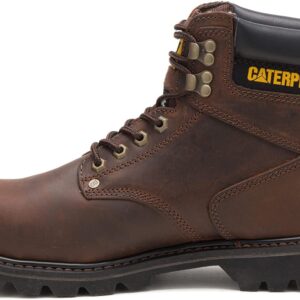
We laced up CAT’s Second Shift Steel Toe boots on a Monday morning and didn’t take them off-figuratively speaking-until the job was done. From the first step, we could feel the familiar CAT heft, but not the clunky fatigue we half expected. The leather uppers broke in gradually over the week, softening at the ankle while the steel toe quietly did its job deflecting the usual knocks, drops, and missteps. On wet concrete and dusty plywood, the outsoles gripped with steady confidence, though we noticed the tread packing up a bit in thick mud. These aren’t flashy boots, and they don’t pretend to be. They’re built for long shifts, modest comfort, and straightforward protection-workhorses rather than showpieces, and they wear that identity honestly.
Read More »
Our Take on PAMEILA’s Lightweight Steel Toe Boots
When we first laced up PAMEILA’s Lightweight Steel Toe Boots, we were struck by how unassuming they looked for safety footwear. The composite toe and 6″ shaft promise protection, but on foot they feel closer to a pair of light hikers than traditional work boots. We wore them through wet job sites and long warehouse shifts, and the waterproof construction held up without turning our feet into saunas. The tread isn’t overly aggressive, yet it gripped slick concrete and muddy paths reliably. These boots won’t replace heavy-duty, specialized work footwear for the most extreme conditions, but for everyday construction, light industrial tasks, and weekend projects, they offer a comfortable middle ground between safety and wearability that we found surprisingly easy to keep on all day.
Read More »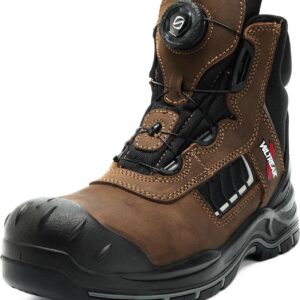
We Test VULTREAK Boots: Tougher Than Steel
When we first laced up the VULTREAK composite toe work boots, we weren’t expecting them to feel this light for something billed as “tougher than steel.” Yet the composite toe cap and Kevlar puncture-resistant midsole give them a serious, S3 HRO-certified attitude, without the clunky weight of traditional steel-toe designs. During our welding and shop tests, the heat-resistant, waterproof uppers shrugged off sparks and spills, while the rubber slip-resistant outsole stayed planted on oily concrete and dusty metal flooring alike. The quick fit system felt intuitive, saving us time at the start and end of shifts. These aren’t showy boots; they’re quiet workhorses built for long days in industrial environments, and our early impressions suggest they’re more than ready to take a beating.
Read More »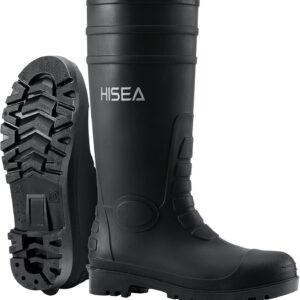
Testing HISEA Steel Toe Rain Boots in Tough Work
When we pulled on the HISEA Men’s Steel Toe Rain Boots for a week of muddy, uneven job sites, we weren’t expecting them to feel this solid. These PVC rubber boots walk the line between industrial armor and everyday practicality: the steel toe cap inspires confidence when we’re shifting lumber or equipment, while the slip‑resistant soles bite into slick clay and wet concrete better than many work boots we’ve tried. We slogged through standing water, fertilizer-soaked fields, and oil-splattered workshop floors, and our feet stayed dry and surprisingly comfortable. They’re not light by any means, and by day’s end we definitely knew we were wearing serious work gear. Still, for agricultural tasks, fishing, or heavy-duty outdoor projects, these knee-high boots held up to the kind of punishment our regular footwear usually can’t handle.
Read More »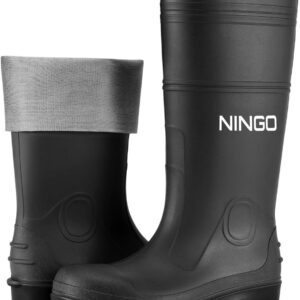
Testing NINGO Steel Toe Rain Boots for Our Work
When we first pulled on the NINGO Men’s Steel Toe Rain Boots, we weren’t expecting them to feel this light for something that looks so industrial. Out in the wet grass and mud, the seamless PVC shell kept our socks completely dry, and the steel toe gave us enough confidence to stomp through cluttered worksites without flinching. On slick concrete, the slip‑resistant soles held their grip better than some of our usual work boots, though we did notice a slight stiffness during the first few hours of wear. We also tested them while washing equipment and doing light garden work, and they transitioned smoothly between tasks. These boots clearly prioritize protection and practicality, but we were curious to see if they could truly replace our everyday work footwear.
Read More »