


This post may contain affiliate links which means I may receive a commission for purchases made through links. Learn more on my Private Policy page.
There’s a particular moment when you lace up a new pair of work boots and instantly know whether thay’re going to be an all‑day ally or just another thing you tolerate on the job. With the KEEN Utility Men’s Cincinnati 6″ Boots, that moment came surprisingly early for us-somewhere between the first tug on the laces and the first few steps across a concrete floor.
On paper, these look like a contradiction: a heavy-duty, Goodyear‑welted wedge boot that promises “lightweight comfort” and all‑day wearability. Carbon‑fiber safety toes, air‑infused midsoles, and an EH‑rated slip‑resistant outsole sound great in a product description, but we wanted to know how they’d feel when we were actually hauling materials, climbing ladders, or standing still for hours on unforgiving surfaces.
Over several weeks, we wore the Cincinnati 6” in conditions ranging from wet job sites to dusty workshops, putting that waterproof leather, Luftcell midsole, and wider KEEN fit to the test. In this review, we’ll walk through what impressed us, what didn’t, and whether these boots truly bridge the gap between classic workwear style and modern comfort-or if they’re just another pair trying to do too much at once.
First Impressions And why These Cincinnati 6 Boots Caught Our Eye
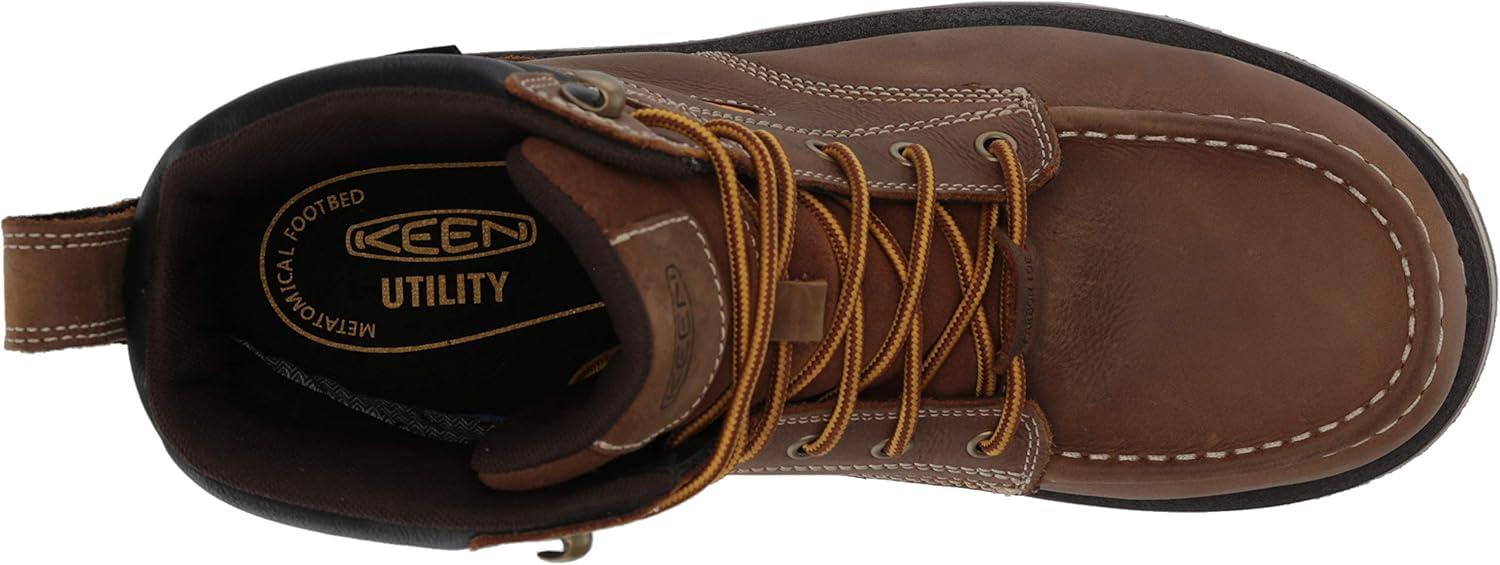
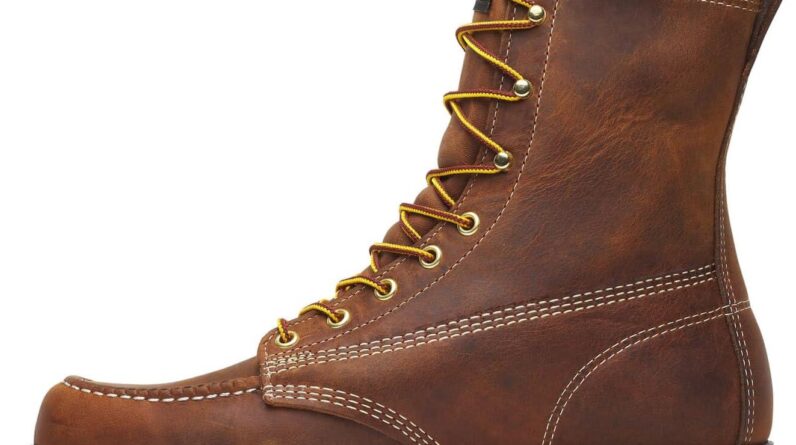
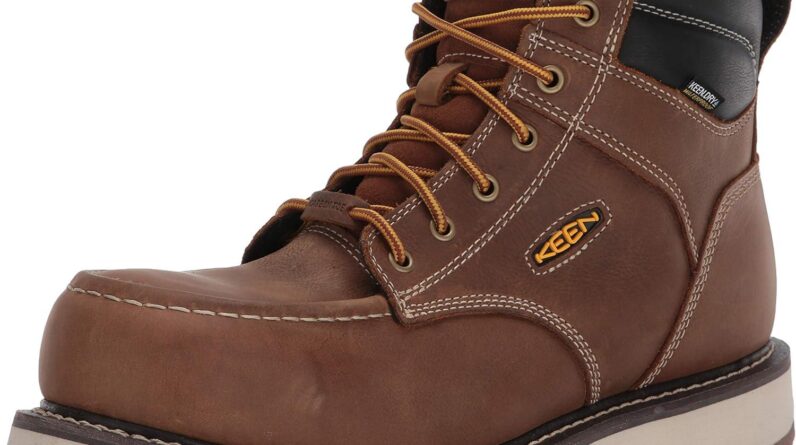
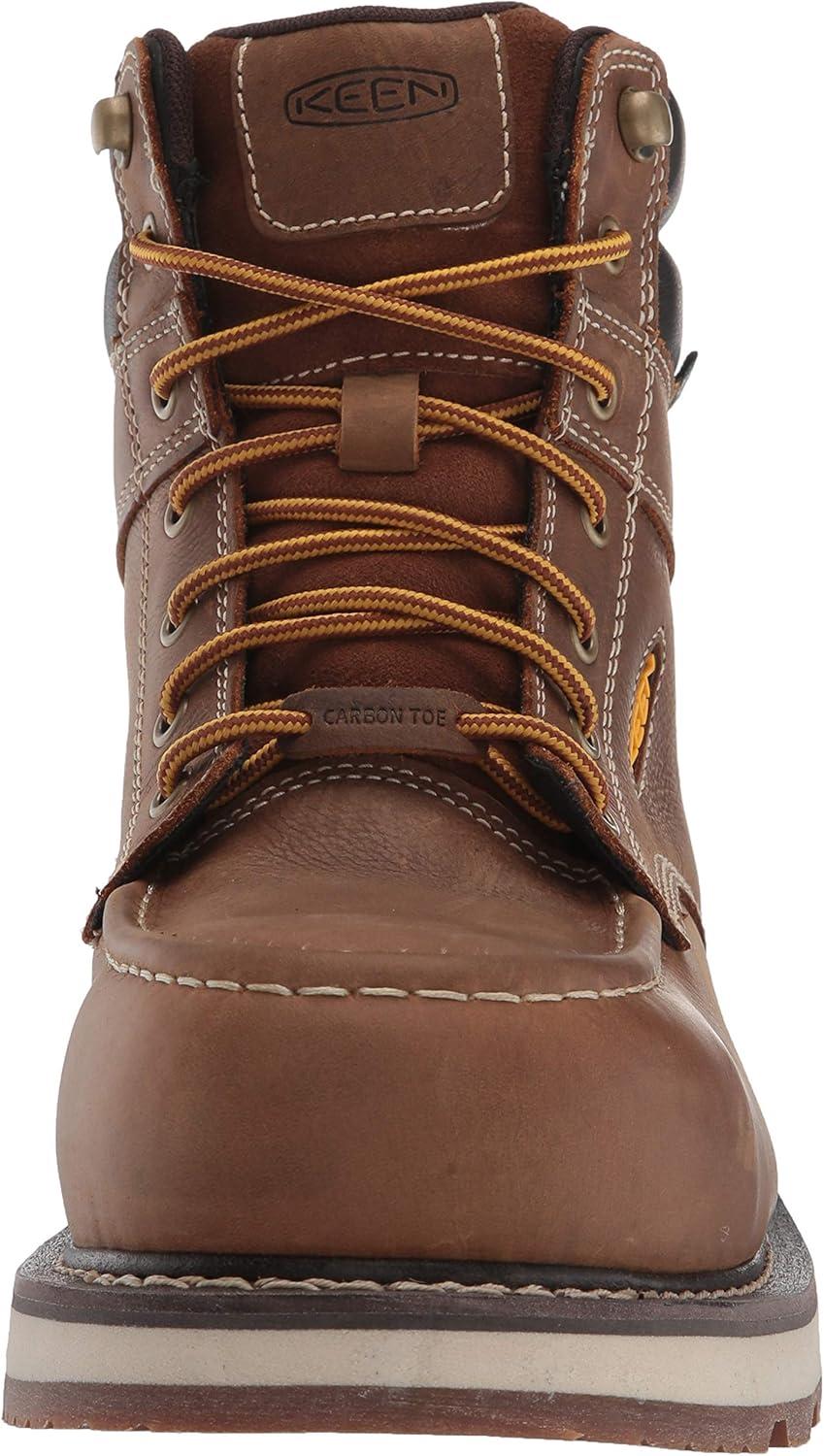
When we first pulled these boots out of the box, the look and feel promptly told us they were built for real jobsite abuse, not just weekend projects. The classic Goodyear-welted wedge style gives them that customary workwear vibe, but the overall build feels more modern and streamlined than a lot of clunky safety boots we’ve worn. What really caught our eye was how surprisingly light they felt in hand, considering they pack in carbon-fiber safety toes and a rugged, EH-rated rubber outsole designed for serious slip and abrasion resistance.
On closer inspection, a few details stood out and convinced us these weren’t just another pair of generic work boots:
- Air-infused KEEN Luftcell midsole that promises long days on concrete without wrecking our feet.
- Wider foot form that looks friendlier to those of us who hate narrow, pinching toe boxes.
- Removable insoles ready for custom orthotics, which is a big plus for tradespeople with specific support needs.
- LWG-certified leather sourcing, giving us a bit more confidence in the environmental story behind the materials.
| Weight | 34.6 oz / 981 g |
| Best For | Construction, welding, landscaping, road work |
| Toe Protection | Carbon-fiber composite |
| outsole | EH-rated, slip-resistant rubber |
Check today’s price and more details on Amazon
Digging Into Design comfort And Build Quality On The Jobsite
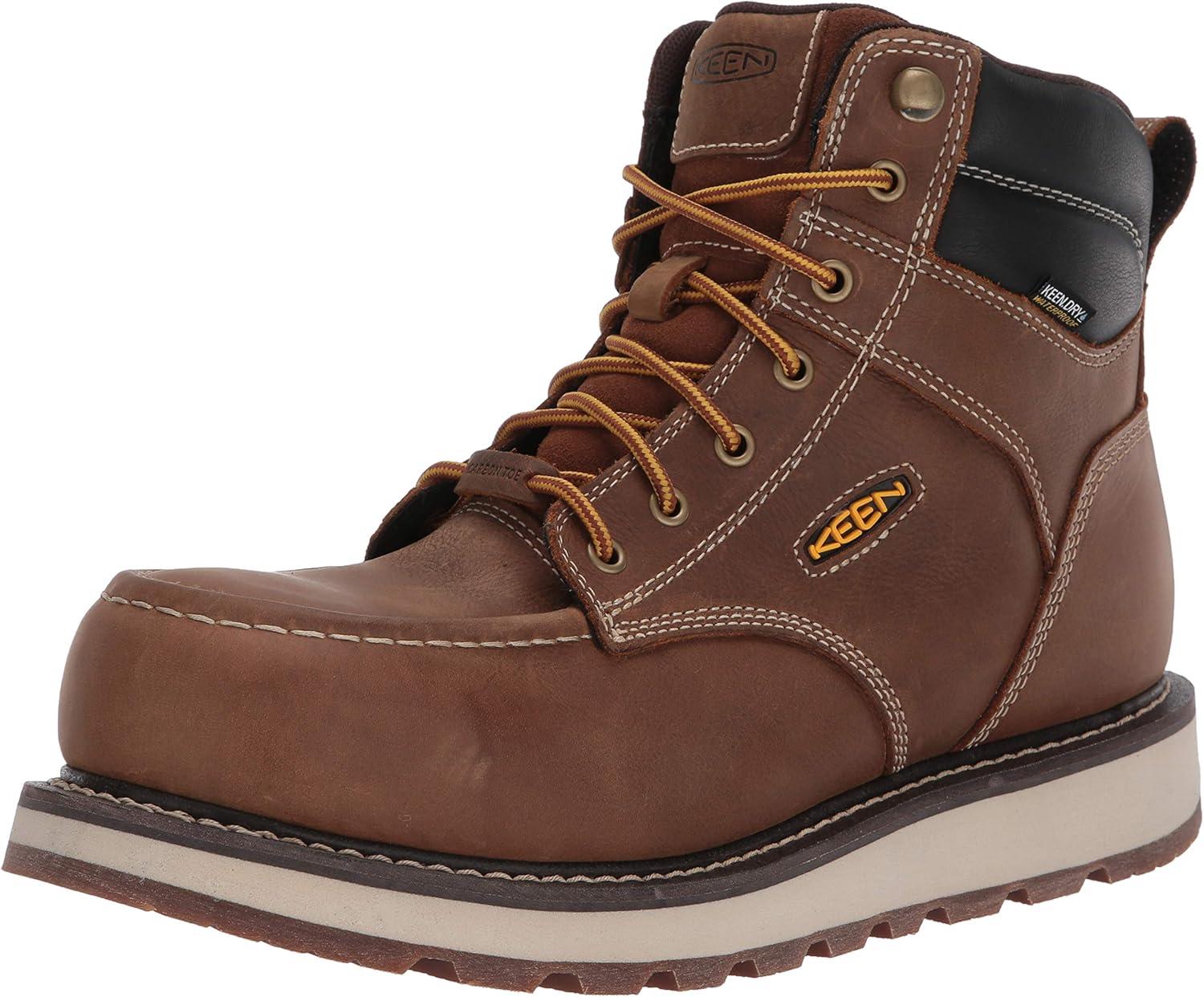
Out on the jobsite, design and comfort collide in a way that feels surprisingly refined for such a heavy-duty wedge. The carbon-fiber safety toes keep things light at the front without sacrificing impact protection, and the traditional wider foot form gives our feet room to breathe during long shifts. We especially appreciate the air-infused KEEN Luftcell midsole, which adds a cushioned, almost springy feel underfoot that holds up from the first hour to overtime. The fact that the insoles are removable also makes it easy for us to swap in custom orthotics, so we can dial in the fit for different arches and support needs.
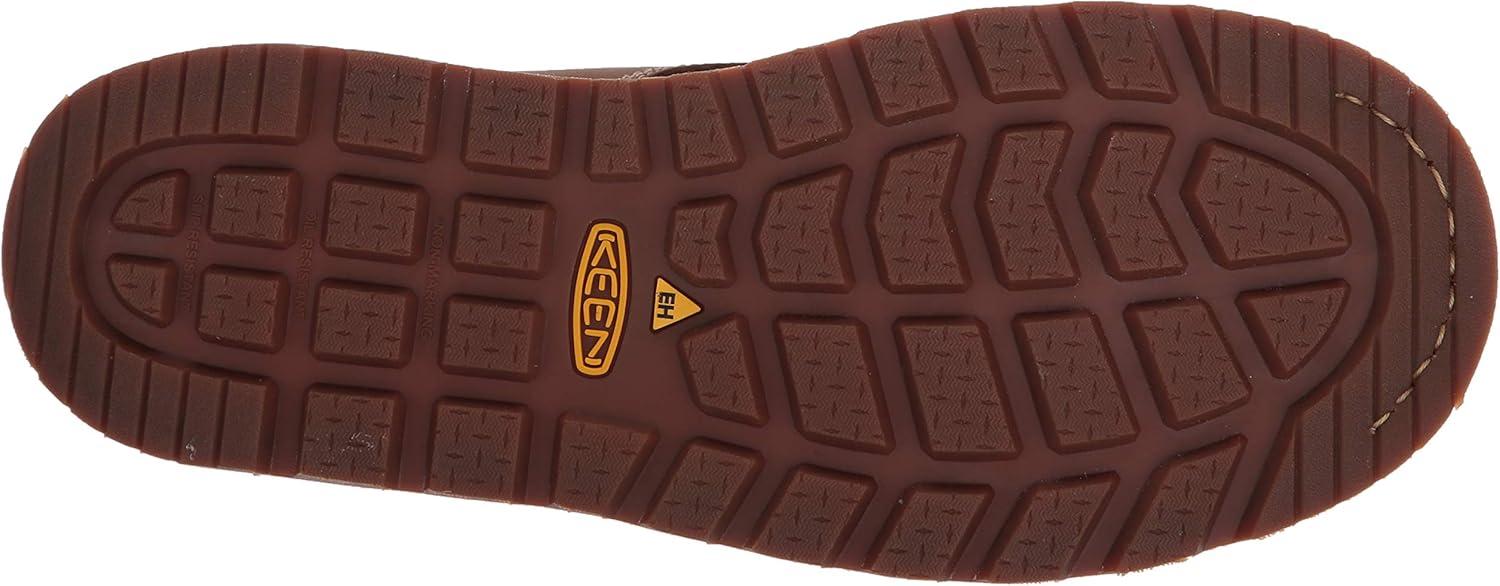
From a build-quality standpoint, the Goodyear welt construction and EH-rated, non-marking rubber outsole inspire confidence when we’re working on concrete, steel, or wet ground. The outsole’s abrasion and slip-resistance translate into a stable stance on greasy shop floors or muddy construction sites, while the waterproof design keeps our socks from getting soaked in the first puddle. we like that the leather is sourced from LWG-certified tanneries, which tells us there’s some thought going into durability and responsible production. On real jobs-from welding and manufacturing to landscaping and road work-these elements come together as a tough,pleasant platform that we can rely on day after day.
| feature | on-Site Benefit |
| Carbon-fiber toe | Safety with less front-end weight |
| Luftcell midsole | All-day cushioning on hard surfaces |
| Goodyear welt | Long-lasting, jobsite-ready build |
| EH-rated outsole | Better grip around electrical hazards |
Check current pricing and see all size options on Amazon
Performance Under Pressure How The Cincinnati 6 Boots Hold Up In Real Work Conditions
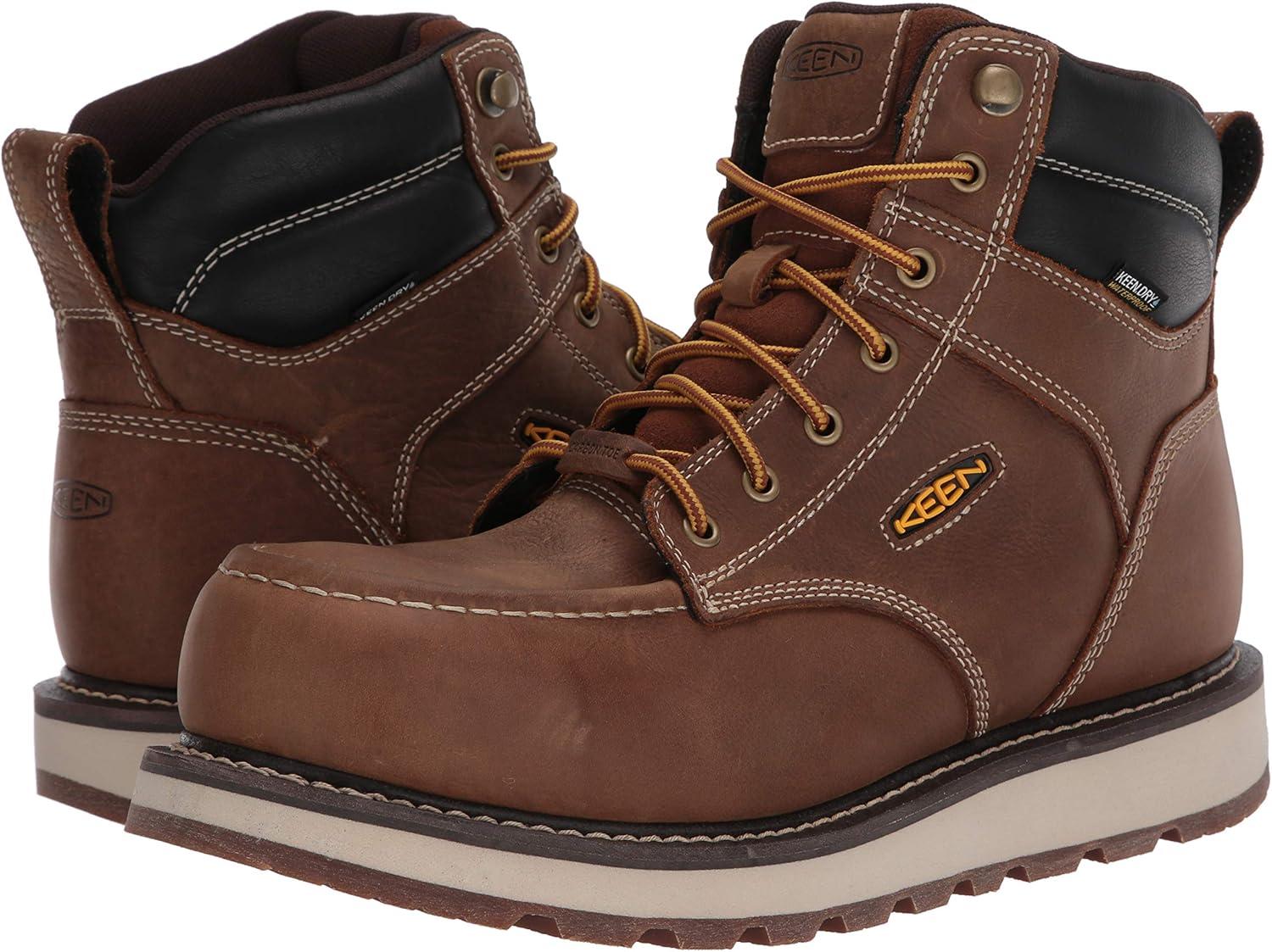
When we lace these up on a jobsite, the first thing we notice is how they handle long, punishing shifts.The air-infused Luftcell midsole feels surprisingly cushioned for a heavy-duty wedge, so standing on concrete or packed soil all day doesn’t leave our feet aching the way traditional work boots can. The carbon-fiber safety toe keeps weight down while still feeling solid around heavy materials, and the Goodyear welt construction gives us confidence that the boots can take daily abuse from rebar, gravel, and sharp debris without the sole peeling away. In rain, mud, or splashes from jobsite wash-downs, the waterproof build keeps our socks dry, and the wider foot form leaves enough room for thicker work socks or custom orthotics.
| Real-World Condition | Boot Behavior |
|---|---|
| Wet concrete & steel decks | EH-rated, slip-resistant outsole stays planted |
| 10-12 hour shifts | Luftcell midsole reduces foot fatigue |
| Heavy tools & materials | Carbon-fiber toe protects without feeling bulky |
| Dust, grit & welding sparks | durable leather and welt stand up to abrasion |
Out in construction, landscaping, or manufacturing, we also value how these boots balance traction and durability. The non-marking,abrasion-resistant rubber outsole bites into loose gravel and slick shop floors without leaving scuffs everywhere.Because the insoles are removable, we can drop in our own orthotics when needed, and the fit still feels secure around the ankle during ladder work or climbing in and out of equipment. Over time, the leather breaks in rather of breaking down, which matters when we’re clocking hundreds of hours in the same pair.For those of us who need a boot that can keep up with real workloads instead of just looking tough in the box, this model proves it can handle the grind.
- Comfort that lasts through overtime shifts.
- safety features suited for high-risk trades.
- Built to endure daily wear in harsh environments.
check current price and see more details on Amazon
Who These Boots Are Really For Our Honest Recommendations And Buying Advice
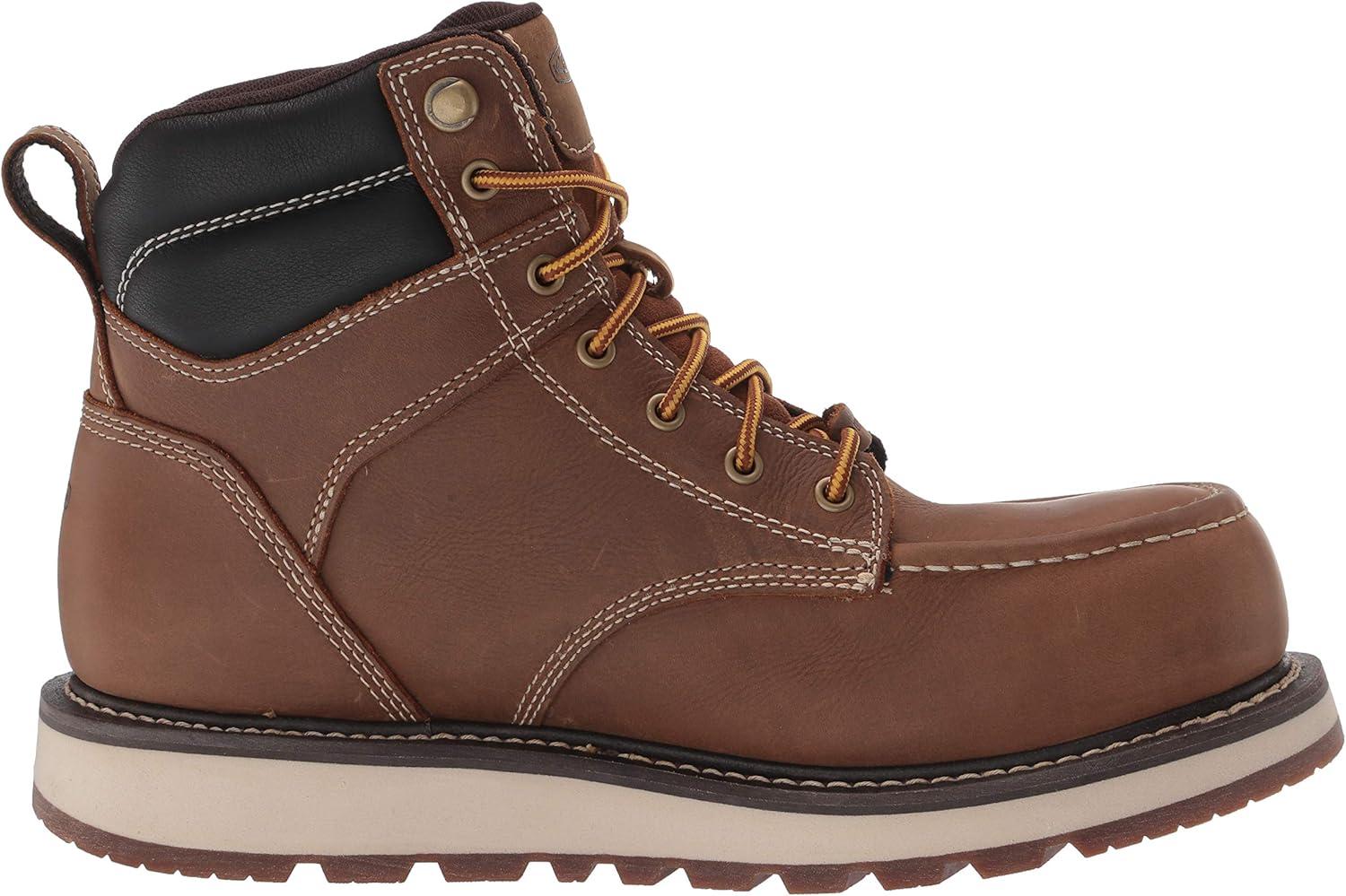
If we spend our days on concrete, steel grating, or packed dirt, these boots make the most sense for us when we need serious protection without feeling like we’re dragging cinder blocks on our feet. They fit workers in construction, iron and road work, welding, landscaping, and manufacturing who value a wider toe box, carbon-fiber safety toes, and an EH-rated, slip-resistant outsole. The Luftcell air-infused midsole stands out for anyone clocking 10-12 hour shifts, and the Goodyear welt build will appeal if we like something that can stand up to real abuse. On the other hand, if we mostly work indoors on clean, smooth floors or only need a light-duty boot for occasional DIY jobs, this might feel like overkill in both weight and protection level.
Our honest recommendation is to choose these if the following points match what we need:
- We want maximum comfort on long shifts, with cushioned midsoles and removable insoles for custom orthotics.
- We work in high-risk areas where electrical hazard protection,impact resistance,and traction really matter.
- We prefer a roomier fit that doesn’t pinch across the forefoot, even with thicker work socks.
- We’re willing to pay a bit more for durability, especially for job sites that chew through cheaper boots.
| best For | Think Twice If |
|---|---|
| Heavy-duty outdoor trades | We only do light handyman work |
| All-day standing and walking | We need ultra-light, sneaker-style shoes |
| Wide feet or custom orthotics | We prefer a narrow, low-volume fit |
If this sounds like the right match for our job site and feet, we can check current pricing and sizes here: view latest Deals & Sizes on Amazon
Customer Reviews Analysis
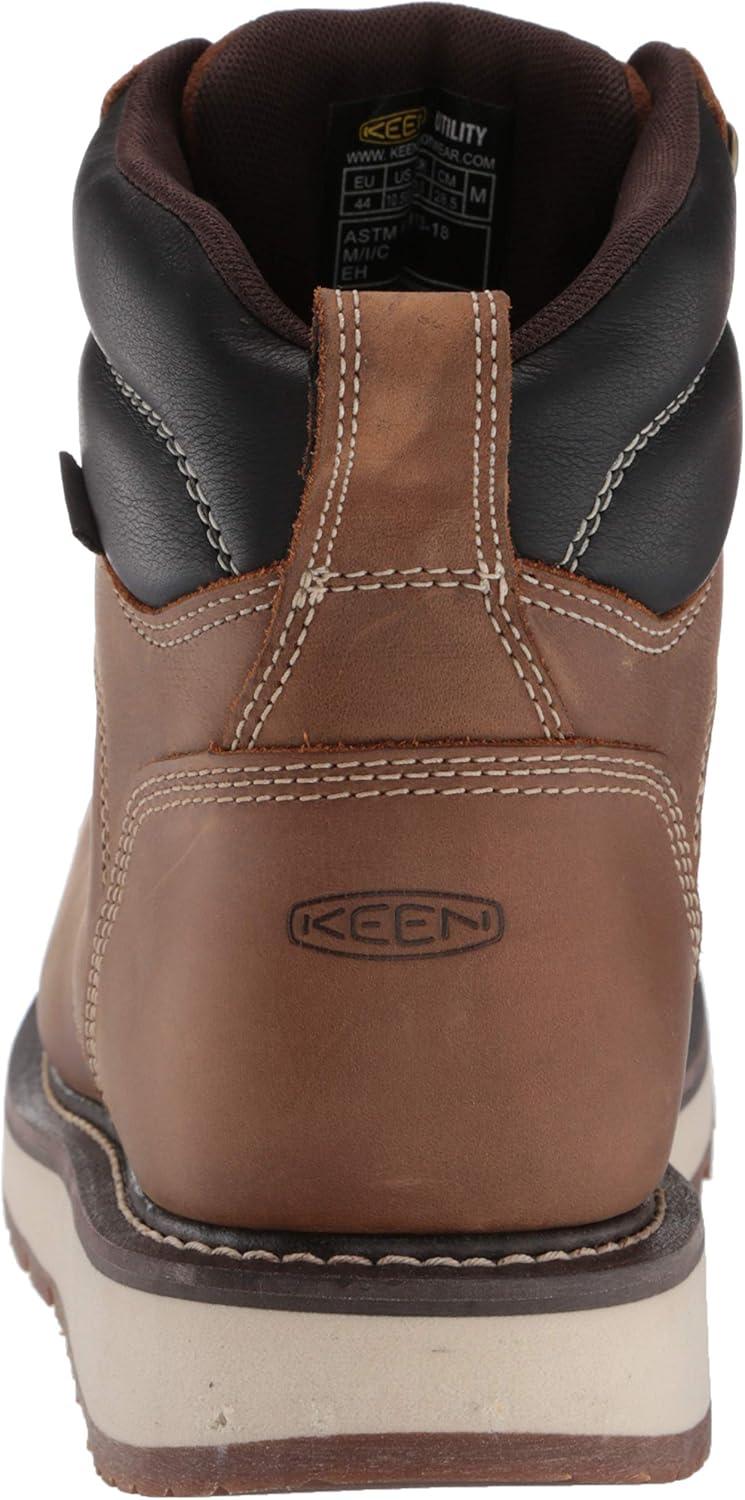
Customer Reviews Analysis
After combing through dozens of customer reviews for the KEEN Utility men’s Cincinnati 6″ Boots, we noticed some very consistent themes. buyers tend to see these as high‑quality, durable, and surprisingly comfortable work boots that skew a bit heavy, bulky, and slow to break in for certain users and job types.
Overall Sentiment
Most customers are eager, with several calling these the best work boots they’ve ever owned, while a smaller but clear minority struggle with fit, weight, and underfoot comfort.
| Aspect | General Sentiment | Typical Comment |
|---|---|---|
| Comfort | Mostly very positive | “Wicked comfortable… A+ product.” |
| Fit & Sizing | Good, but runs small for some | “Order one size larger than needed.” |
| Durability | Strong praise | “All of the seams are holding after 21 months.” |
| Weight & Bulk | Common complaint | “They look huge… more bulky than my other work boots.” |
| looks | Mixed but mostly positive | “It’s too nice to wear at work.” |
Comfort and Support
For many reviewers, comfort is the headline. We see repeated mentions of these boots feeling comfortable right out of the box with no hot spots and strong arch and joint support. One welding inspector even notes that long‑standing knee and back pain disappeared when switching to the Cincinnati, and several owners feel secure and “planted” on varied terrain, from muddy fields to winter ice.
Though, comfort is not worldwide. A few users report that:
- There’s a noticeable ridge or “hump” under the ball of the foot,which can cause pressure.
- The stock insoles feel thin and lack padding for all‑day walking on hard surfaces.
- Breaking them in takes time, especially for users doing long walks right away.
Those who do have issues sometimes solve them with aftermarket insoles like Dr. Scholl’s or Timberland PRO, but one buyer missed the return window while waiting for them to soften up, and ended up extremely dissatisfied. That tells us these may not be the safest gamble if our job involves constant walking on concrete from day one and we’re sensitive to underfoot pressure.
| Comfort Factor | Customer Experience |
|---|---|
| Break‑in | Easy for many, slow and painful for a few |
| Underfoot Cushion | Supportive, but some want softer insoles |
| Joint Support | Notable relief for knees and back in several reviews |
Fit, Sizing, and Shape
Fit feedback clusters around three main points:
- Size runs slightly small for some. A few customers explicitly recommend ordering half to one full size up.
- Roomy toe box. Long‑time KEEN wearers appreciate the typical KEEN wide toe area, which feels stable and comfortable once the right size is dialed in.
- Bulky silhouette. More than one reviewer calls these “huge” or “Herman Munster” boots. They may fit well, but visually they look larger and chunkier than comparable models like the KEEN san Jose or Irish Setter Ashby.
That bulk is more of a cosmetic and agility issue than a fit defect. One user is happy to keep them for winter and rainy days with pants, but avoids them with shorts as of the oversized look and heavy feel.
Weight and Everyday Wear
Weight is the most common drawback. Customers frequently describe them as heavy and cumbersome, especially when compared to lighter indoor‑focused work boots or sneaker‑like safety shoes. On a two‑mile test walk, one reviewer found the boots noticeably slower and “bulkier” than their usual pair, needing to stop several times to tweak lacing.
In practice, reviewers seem to divide into two camps:
- Stationary or mixed‑terrain workers (welding inspectors, plant workers, outdoor crews) tend to accept the extra weight in exchange for stability, security, and support.
- High‑mileage walkers on hard floors are more likely to find them tiring, especially without upgraded insoles.
Durability, Construction, and Resole Potential
Where the Cincinnati 6″ really shines is durability. Multiple reviews reference long‑term, hard use with very little structural failure:
- One owner has 21 months on a pair with all seams still intact and the upper “taking an absolute beating.”
- Another notes that the thick leather and full welt stitching inspire confidence compared to glued constructions like the KEEN San Jose.
- Even users who don’t wear them at work praise the quality of the materials and build, calling them “too nice” for rough environments.
We also see several references to successful re‑soling. As long as the wedge midsole is not chewed up, any competent cobbler can reportedly put a new sole on, giving the boot a second life. Routine care-saddle soap, conditioner, and occasional mink oil-is enough to keep the leather healthy and mostly waterproof for many users.
| Durability Highlight | Customer Takeaway |
|---|---|
| Full welt stitching | Seen as a major upgrade over glued soles |
| Thick leather | Holds up in mud, snow, hurricane cleanup |
| Re‑solable | Makes them a long‑term investment piece |
work Environments and Use Cases
Customers are using the Cincinnati 6″ in a surprisingly wide range of conditions:
- Heavy outdoor work: hurricane cleanup in Florida and North Carolina, midwest mud, and Michigan’s snowy Upper Peninsula all show up in reviews. Traction and footing get high marks.
- Industrial and plant work: Workers appreciate that there’s no pronounced heel to catch on beams or wires, plus the stable stance on shop floors.
- Welding and inspection: While some welders historically preferred pull‑on western boots,they now value the Cincinnati for support and joint relief when they’re on and off sites all day.
- Casual wear / off‑duty: A few buyers end up keeping them specifically for off‑work use because they like the look and feel but consider them too nice (or too heavy) for regular jobsite abuse.
There’s also positive feedback from Spanish‑speaking customers who highlight comfort, accurate sizing, and excellent finishes, while still noting the boots are a little heavy due to the safety toe.
Common Complaints and Caveats
Across all the praise, we see a few recurring negatives that are worth calling out:
- Bulk and aesthetics: They can look and feel oversized, especially in larger sizes and when worn with shorts.
- Weight: Heavier than many modern work boots and sneakers; not everyone wants that trade‑off.
- Firm footbed / stock insoles: Some users find a hard hump under the ball of the foot and switch to plusher insoles.
- Small sizing for some feet: A few reviewers advise going up half to one size, particularly if coming from other brands.
- Minor QA hiccups: One report of slightly misaligned glue at the sole-annoying but not a functional failure in that review.
What We Infer from the crowd
Piecing these reviews together, our interpretation looks like this:
- The KEEN Cincinnati 6″ is aimed at people who value durability, support, and stability over lightness.
- It tends to satisfy users who:
- Stand a lot or move on uneven ground.
- Want a boot they can re‑sole and keep for years.
- Already like the KEEN toe box shape.
- It’s not as well‑loved by those who:
- Walk long distances on concrete every day and prefer a sneaker‑like weight and cushioning.
- Are sensitive to any underfoot pressure or firm footbeds.
- Want a slim, sleek profile.
Simply put, customer feedback paints the Cincinnati 6″ as a workhorse boot with a big personality: tough, supportive, and built to be re‑soled, but unashamedly heavy and chunky. If that trade‑off matches our priorities, the odds of us ending up in the “best boots I’ve ever owned” camp look pretty good.
Pros & Cons
Pros & Cons of the KEEN cincinnati 6″ Work Boots
After spending time in the KEEN Utility Men’s Cincinnati 6″ boots, we found a lot to like, along with a few trade-offs worth mentioning. Here’s how they stack up for us on real-world jobsites.
pros
- Surprisingly light for a heavy-duty wedge – At about 34.6 oz (981 g), they feel less fatiguing than many traditional welted work boots in the same category.
- Excellent all-day comfort – The air-infused KEEN Luftcell midsole gives us a cushioned, almost sneaker-like ride without losing that solid work-boot feel.
- Roomy, wider foot form – The classic KEEN toe box offers plenty of space, especially helpful for wider feet or long days when our feet tend to swell.
- Carbon-fiber safety toe – Composite protection keeps weight down and stays non-conductive, while still meeting standard safety requirements.
- Grippy EH-rated outsole – The non-marking rubber sole provides strong traction and electrical hazard (EH) protection, giving us more confidence on slick or unpredictable surfaces.
- Durable Goodyear welt construction – Feels built to take abuse on construction sites, in manufacturing plants, and on road work, with the potential for resoling depending on your cobbler.
- Removable insoles – Easy to swap in our custom orthotics or preferred aftermarket insoles without fighting the factory footbed.
- Waterproof design – Keeps our feet drier through wet grass,light rain,and splash zones,which is crucial for landscaping and outdoor trades.
- LWG-certified leather – Leather sourced from Leather Working Group-certified tanneries is a plus if we care about more responsible materials.
- Versatile work applications – Feels at home in construction, welding, landscaping, iron work, and general industrial use, so we don’t need a different pair for every task.
Cons
- Still not “lightweight” by casual standards – While light for a wedge work boot, these will still feel hefty if we’re used to sneakers or hiking shoes.
- Break-in can be noticeable – The welted construction and sturdy leather need some time to soften up; the first few days weren’t the most forgiving.
- Warm in hot climates – The waterproof build and ample leather don’t breathe as well as non-waterproof or mesh-based options in peak summer heat.
- Wedge sole not ideal for ladder rungs – The flat wedge profile is great on flat surfaces, but we miss a pronounced heel when we’re on ladders or narrow footing all day.
- Fit may be too roomy for narrow feet – The wider KEEN last can feel a bit sloppy if our feet are narrow,even with tighter lacing.
- Premium pricing – We feel we’re paying for comfort and build quality, but budget buyers may find the cost hard to justify compared to basic work boots.
- Style is very work-specific – The classic wedge-boot look is rugged but not the most versatile if we want a boot that doubles for dress-casual wear after hours.
At a Glance: Pros & cons Table
| Pros | Cons |
|---|---|
| Luftcell midsole is cushy and supportive | Noticeable break-in period |
| Light for a Goodyear-welted wedge | Can feel hot in warm weather |
| Roomy fit and removable insoles | Too spacious for narrow feet |
| Grippy EH-rated outsole | Wedge sole not ideal on ladders |
| Durable leather from LWG tanneries | Price sits on the higher side |
Q&A
Q&A: KEEN Utility men’s Cincinnati 6″ Work Boots
Q: Who are these boots really made for?
We see the Cincinnati 6″ as a solid match for trades that punish your feet: construction, ironwork, road crews, landscaping, welding, and manufacturing. They’re built for people who spend all day on hard surfaces and need a mix of protection, support, and comfort.
Q: How heavy do they feel on the feet?
On paper, they’re about 34.6 oz / 981 g per boot, which sounds hefty, but the carbon‑fiber toe and Luftcell midsole keep them from feeling like bricks. We’d still call them a “heavy‑duty” boot that wears lighter than it looks, not a featherweight.
Q: Are the carbon‑fiber toes as safe as steel?
they meet the same safety standards as traditional steel toes but in a lighter package. The carbon‑fiber cap is non‑metallic, so it won’t conduct cold or heat the way steel does, and it won’t set off metal detectors. Impact and compression protection are there, just without the extra ounces.
Q: how is the comfort for long shifts?
The air‑infused KEEN Luftcell midsole is the star of the show. Underfoot cushioning feels more like an athletic shoe than a typical wedge work boot.Over a full day, we noticed less heel and back fatigue than with many classic Goodyear‑welted boots, especially on concrete.
Q: What about foot shape and fit?
These are built on KEEN’s traditional wider last. We’d describe the fit as roomy in the forefoot, with enough space for toes to splay without swimming. If you have wide feet or hate narrow, pinching boots, this shape is a plus.Narrow‑footed wearers might need thicker socks or insoles to dial in the fit.
Q: Are they really waterproof?
They’re designed as waterproof work boots, so they’ll handle wet grass, mud, and rain without soaking your socks-assuming the leather is cared for properly. We’d still avoid standing in deep water for long periods; they’re work boots, not waders.
Q: How’s the traction and outsole durability?
The EH‑rated, non‑marking rubber outsole is surprisingly grippy for a wedge. We felt secure on wet concrete, jobsite dust, and metal stairs. The abrasion resistance is better than what we usually expect from this style of sole, and the EH rating adds protection from electrical hazards.
Q: Do they work with custom orthotics?
Yes.The stock insoles are fully removable, and swapping in custom orthotics is straightforward.We see that as a big advantage for anyone with plantar fasciitis,flat feet,or other support needs.
Q: How does the goodyear welt construction help?
The Goodyear welt contributes to sturdiness and potential longevity. It creates a stable platform and, in principle, allows for resoling if you take them to a capable cobbler. It also gives the boot that classic work‑boot profile some of us prefer over more modern,glued constructions.
Q: Are these boots eco‑conscious at all?
They’re not marketed as a “green” boot, but KEEN sources leather from Leather Working Group-certified tanneries, which signals better environmental and supply‑chain standards than generic leather.
Q: How do they compare to more traditional steel‑toe wedges?
Compared with old‑school steel‑toe wedge boots, we get:
- Less toe‑box weight, thanks to carbon fiber
- More underfoot cushioning from the Luftcell midsole
- Better slip resistance than many classic wedge soles
You give up a bit of that ultra‑rugged, all‑leather simplicity in exchange for modern comfort tech.
Q: what are the main drawbacks we see?
A few trade‑offs stood out to us:
- They’re still on the heavier side if you’re used to athletic‑style safety shoes.
- The roomy KEEN fit isn’t ideal if you prefer a snug,narrow boot.
- The wedge sole, while grippy, won’t please those who need aggressive lugs for deep mud or uneven backcountry terrain.
Q: How are other customers rating them?
At the time of writing, they’re sitting at about 4.1 out of 5 stars with several thousand ratings. That lines up with our experience: generally positive feedback on comfort and build, with occasional complaints around sizing quirks and break‑in differences from pair to pair.
Q: Do they come with a warranty?
KEEN utility offers a manufacturer’s warranty,which you can request through their customer service. We always recommend keeping your receipt and inspecting the boots early on for any defects so you can act within the warranty window.
Q: Bottom line-who should consider buying these?
We think the Cincinnati 6″ is best for workers who:
- Spend long days on hard, flat surfaces
- Need composite safety toes and EH‑rated protection
- Prefer a roomier toe box
- Want a classic Goodyear‑welted look with modern cushioning
If your priority is maximum comfort in a traditional‑looking wedge work boot, these belong on your shortlist. If you need an ultra‑light, trail‑style work shoe or deep‑lug traction, you may want to look elsewhere.
Seize the Possibility
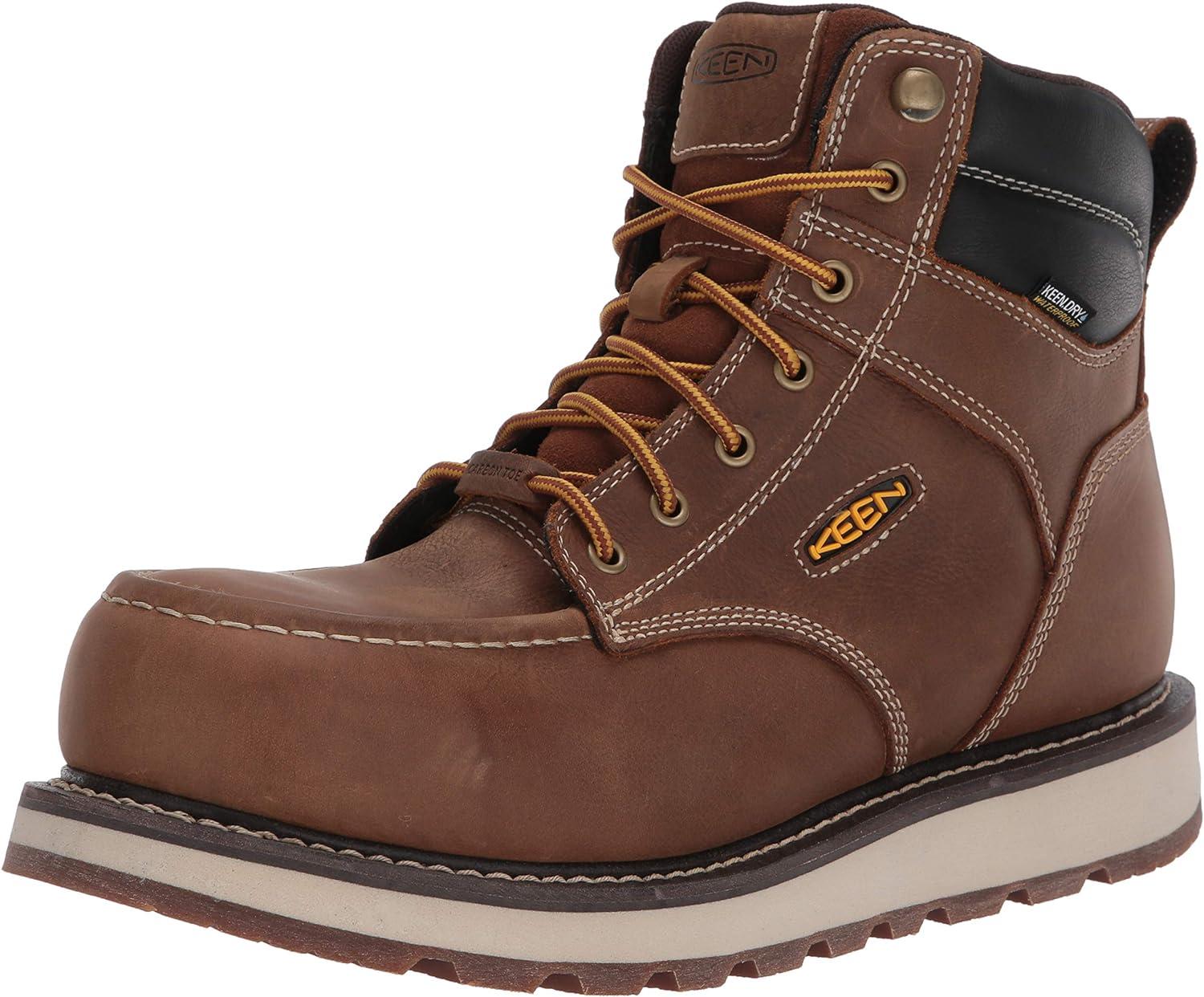
the KEEN Utility Men’s Cincinnati 6″ Boots strike us as a thoughtful blend of old-school workwear and modern comfort tech. The Goodyear welt and wedge sole give them that classic, sturdy profile, while the carbon-fiber toe and Luftcell midsole help keep them lighter and more forgiving over a long shift. They are clearly built with demanding environments in mind-construction sites, welding shops, road crews-and for workers who need reliable protection without feeling like they’re dragging around cinder blocks all day.
We don’t see them as a one-size-fits-all answer, but for those of us who value a wider fit, solid slip resistance, and the option to swap in our own insoles, the Cincinnati 6″ offers a compelling package. If your workdays are spent on concrete, gravel, rebar, or steel, these boots may well be worth a place in your rotation.
If you’d like to check current pricing,sizes,and color options,you can find the KEEN Utility Men’s Cincinnati 6″ Boots here:
View the KEEN Cincinnati 6″ Work Boots on Amazon.