


This post may contain affiliate links which means I may receive a commission for purchases made through links. Learn more on my Private Policy page.
When we first laced up the BRUNT Perkins Comp Toe work boots, we weren’t looking for a fashion statement-we were looking for a boot that could survive long shifts, unpredictable weather, and slick jobsite surfaces without leaving our feet wrecked by the end of the day. On paper, the Perkins checks a lot of boxes: a 6″ waterproof wedge boot with a defined heel, composite safety toe, EH rating, slip and oil resistance, and an adjustable width system that promises a more customized fit than standard work boots.
But specs and acronyms only tell part of the story. What really matters is how these boots feel on concrete after ten hours, how they handle a sudden downpour, and whether that “adjustable width system” is a genuine innovation or just another marketing phrase. With a customer rating hovering around 3.9 out of 5 stars,the Perkins clearly has its fans-and its critics-so we decided to put it to work ourselves.
In this review, we’ll walk thru our real-world experience with the BRUNT Perkins: how they fit, how they broke in, how they performed on wet and oily surfaces, and whether the defined heel and wedge sole combination actually delivers the stability and comfort BRUNT promises.By the end, we’ll share who we think these boots are best suited for-and whether they’ve earned a permanent spot in our work rotation.
Our First Impressions of the BRUNT Perkins Comp Toe Waterproof Work Boot
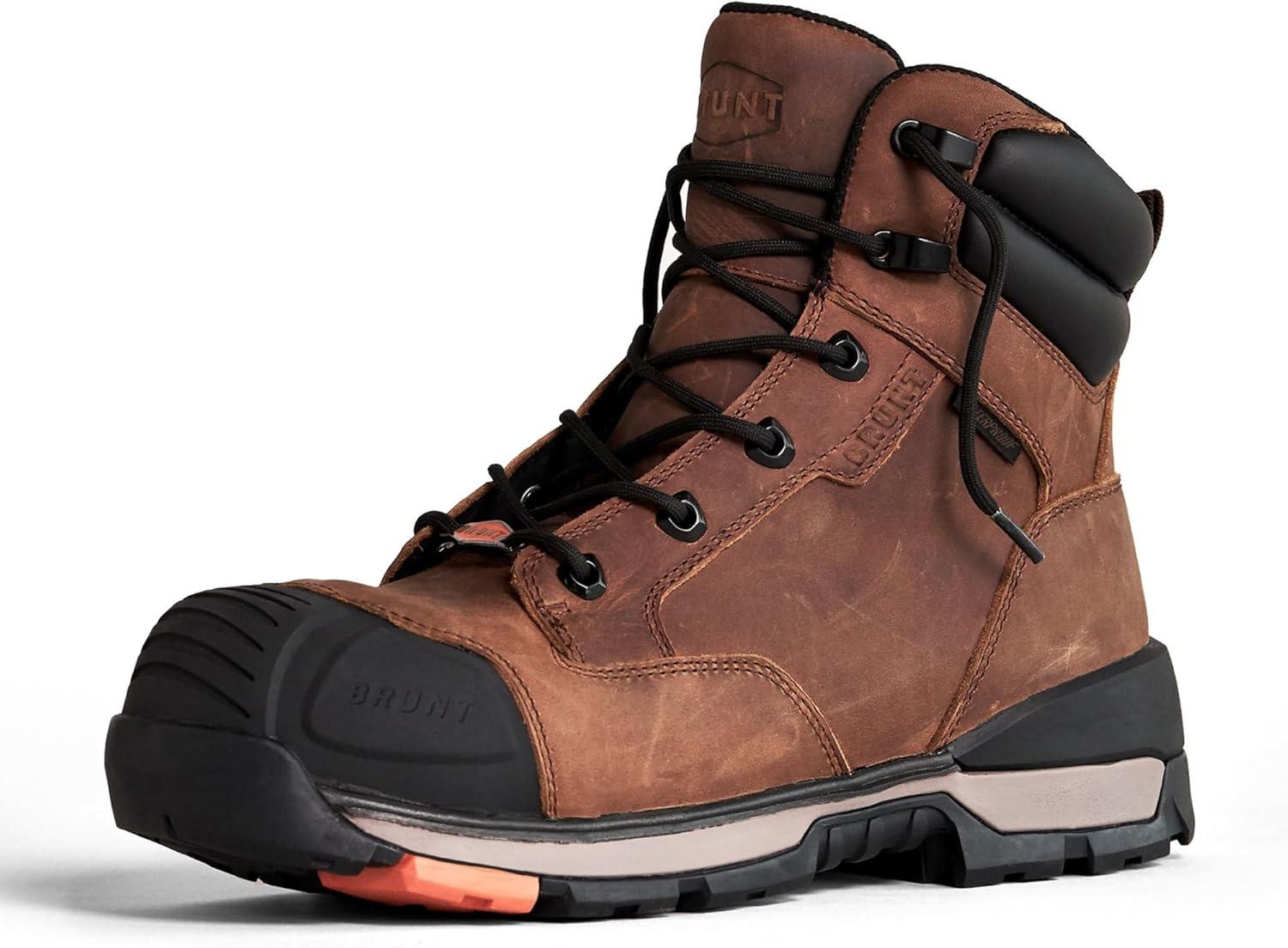
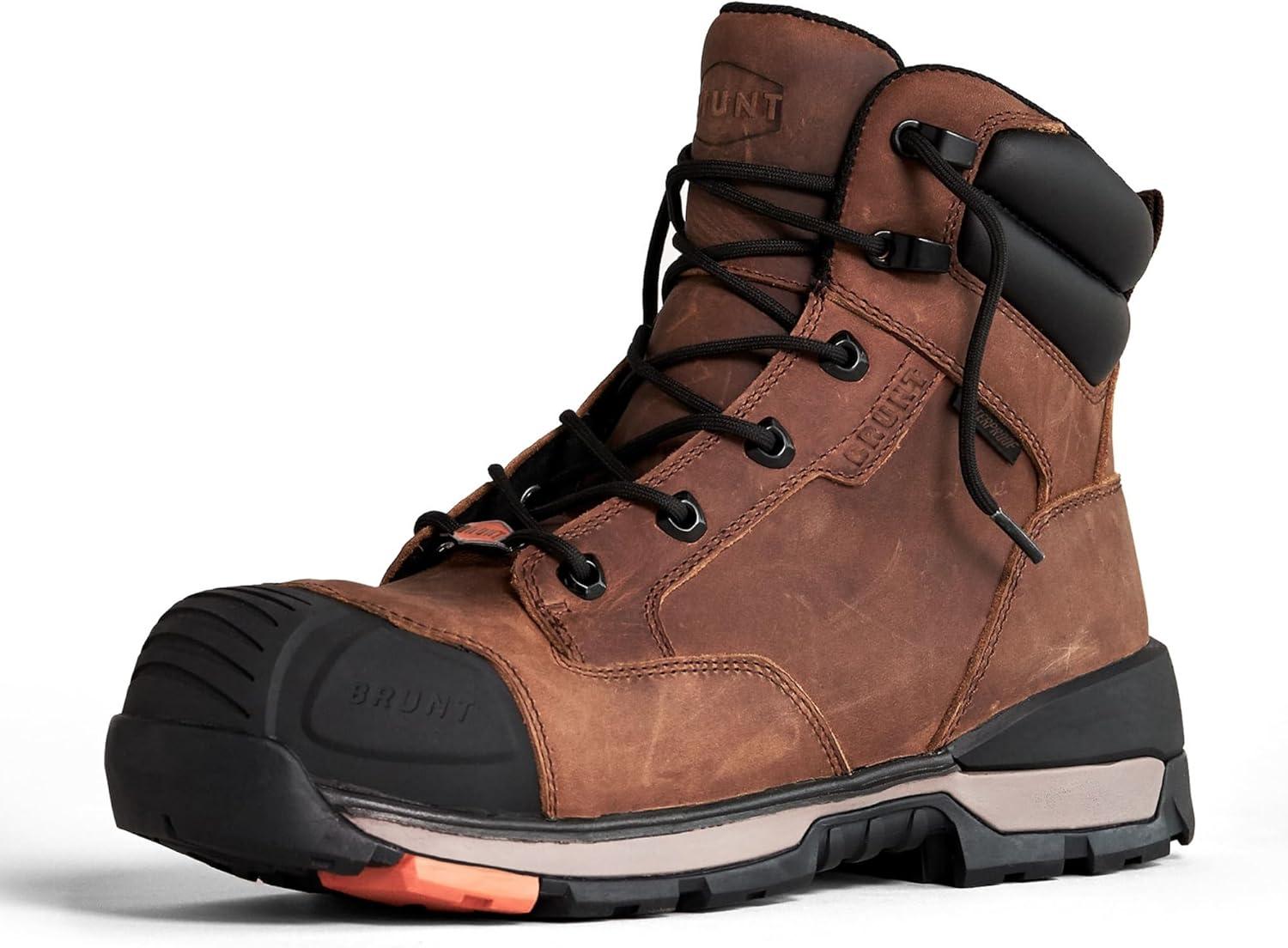
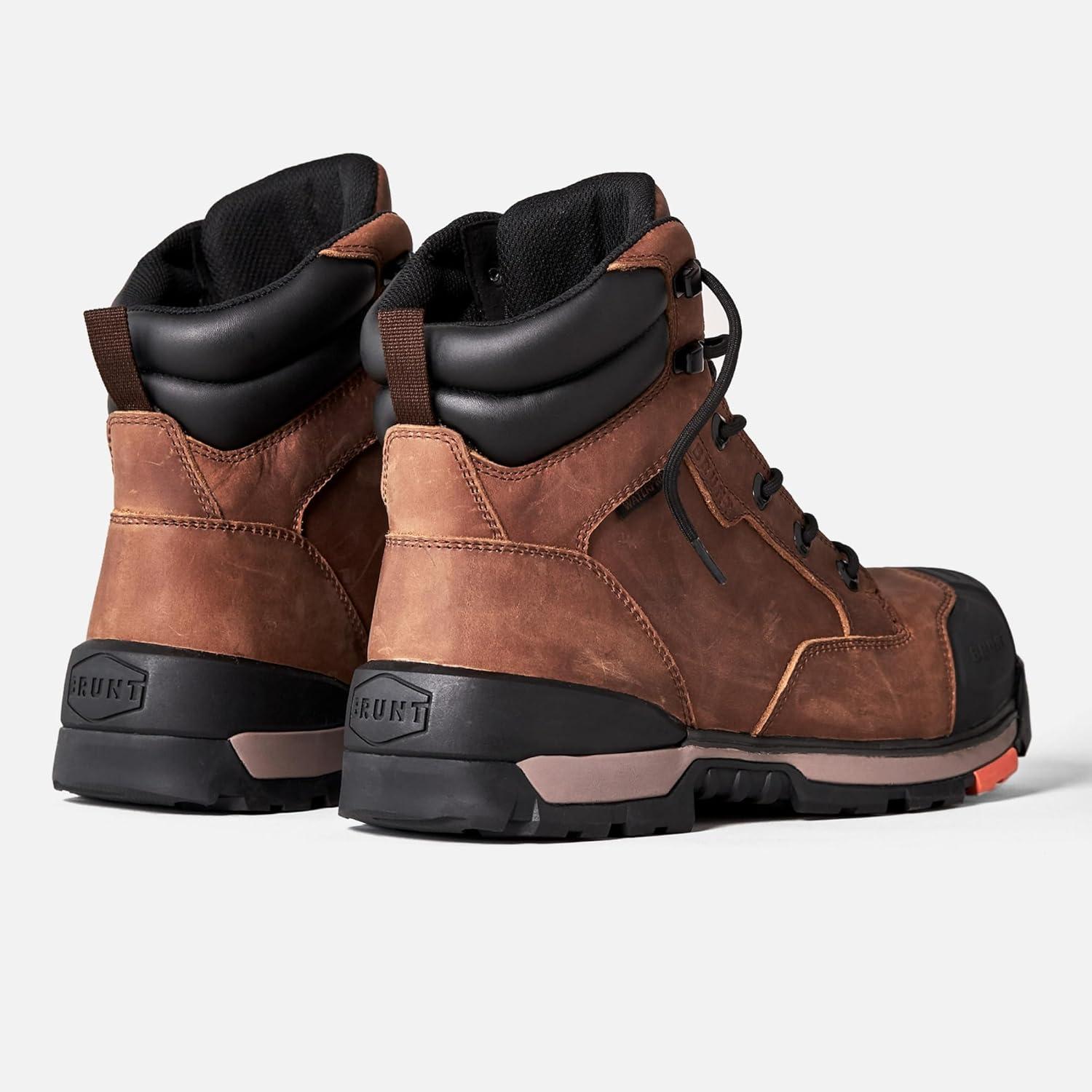
When we first laced these up, what struck us most was how quickly they felt broken in. The 6″ height offers reassuring ankle coverage without feeling bulky,and the overall build gives off a solid,jobsite-ready vibe. The brown upper looks clean and classic, pairing easily with both work pants and heavier-duty gear. As we moved around, the wedge sole and defined heel created a stable, grounded feel that inspired confidence on different surfaces. The composite safety toe was noticeable in terms of protection, but not in added weight, which made a difference during longer wear. While the customer rating sits at a modest 3.9 out of 5 stars from over 200 reviews,our early experience suggested a boot that aims to balance comfort,safety,and durability right out of the box.
| Feature | Our First Take |
|---|---|
| Comfort | Surprisingly soft underfoot from day one |
| Waterproofing | Feet stayed dry in light, wet conditions |
| Traction | Grip felt secure on oily, slick areas |
| Weight | Lighter than many conventional safety boots |
In our early wear, a few details stood out that made these feel more thought-out than basic work footwear. the adjustable width system was a standout, letting us fine-tune the fit so the boots felt snug but not cramped, even during long days. We also appreciated how the slip and oil resistance worked together with the electrical hazard rating, creating a sense of all-around protection instead of just a tough-looking exterior. Little things like the secure lacing, balanced shaft height, and cushioned insole helped reduce fatigue as the hours ticked by. our first impressions were that this is a solid option for anyone who needs utility and comfort in one package:
- EH rated for added electrical protection on the job
- Slip + oil resistant outsole for better stability under pressure
- Composite toe for safety without extra bulk
- Adjustable width for a more custom, dialed-in fit
Check current price and more details on amazon
Living With the Perkins Boot Day After Day on the Job
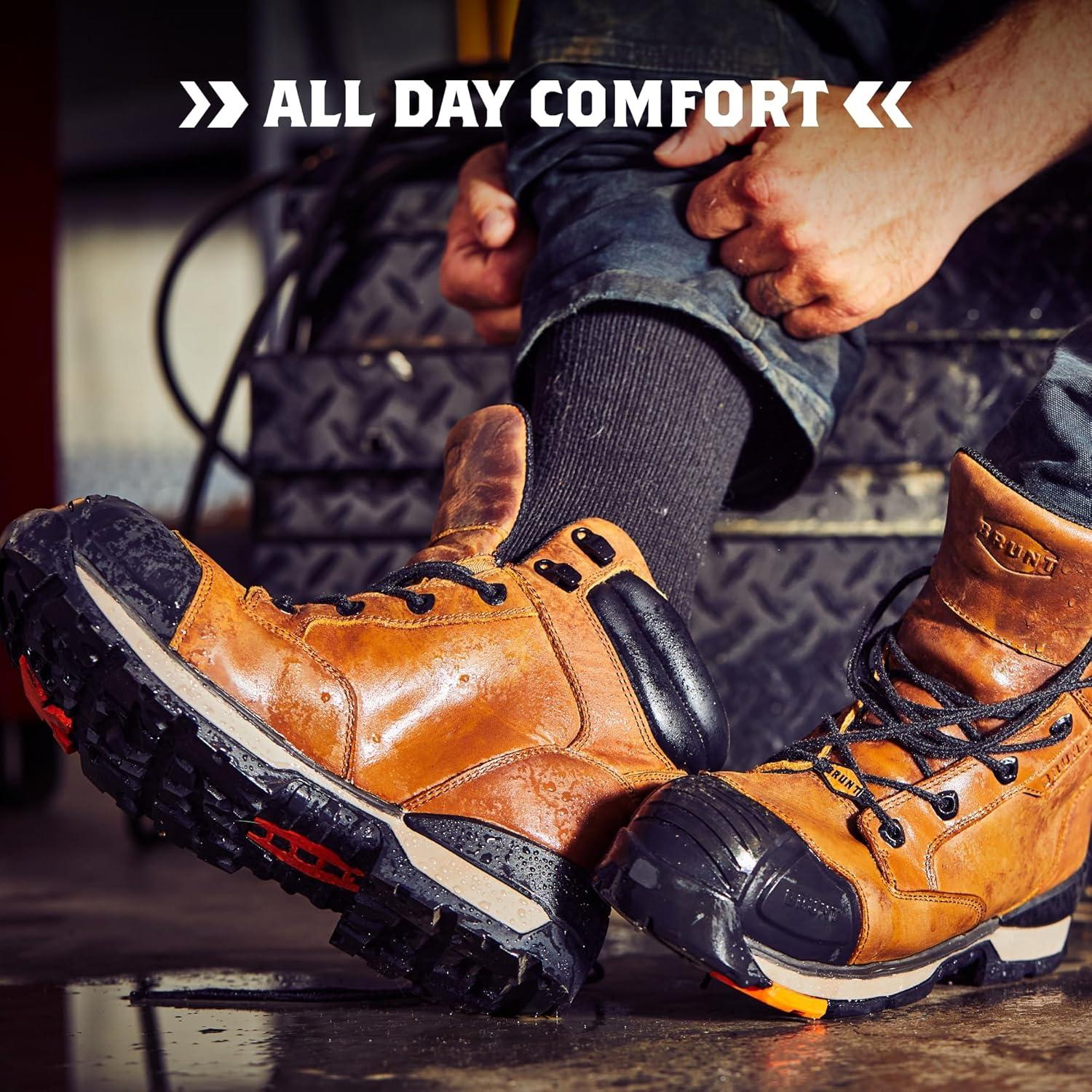
Once we laced these up for a full shift,we noticed how the defined heel and wedge-style sole split the difference between stability and comfort. Climbing ladders, stepping in and out of trucks, and walking concrete all day felt supported instead of punishing. The slip and oil resistant outsole held its own in slick shop bays and dusty jobsite trailers,and the EH rating gave us added confidence around live electrical hazards. The waterproof build also meant we could wade through puddles and wet grass without ending the day with soggy socks, which is a quiet but serious upgrade to morale on long, damp days.
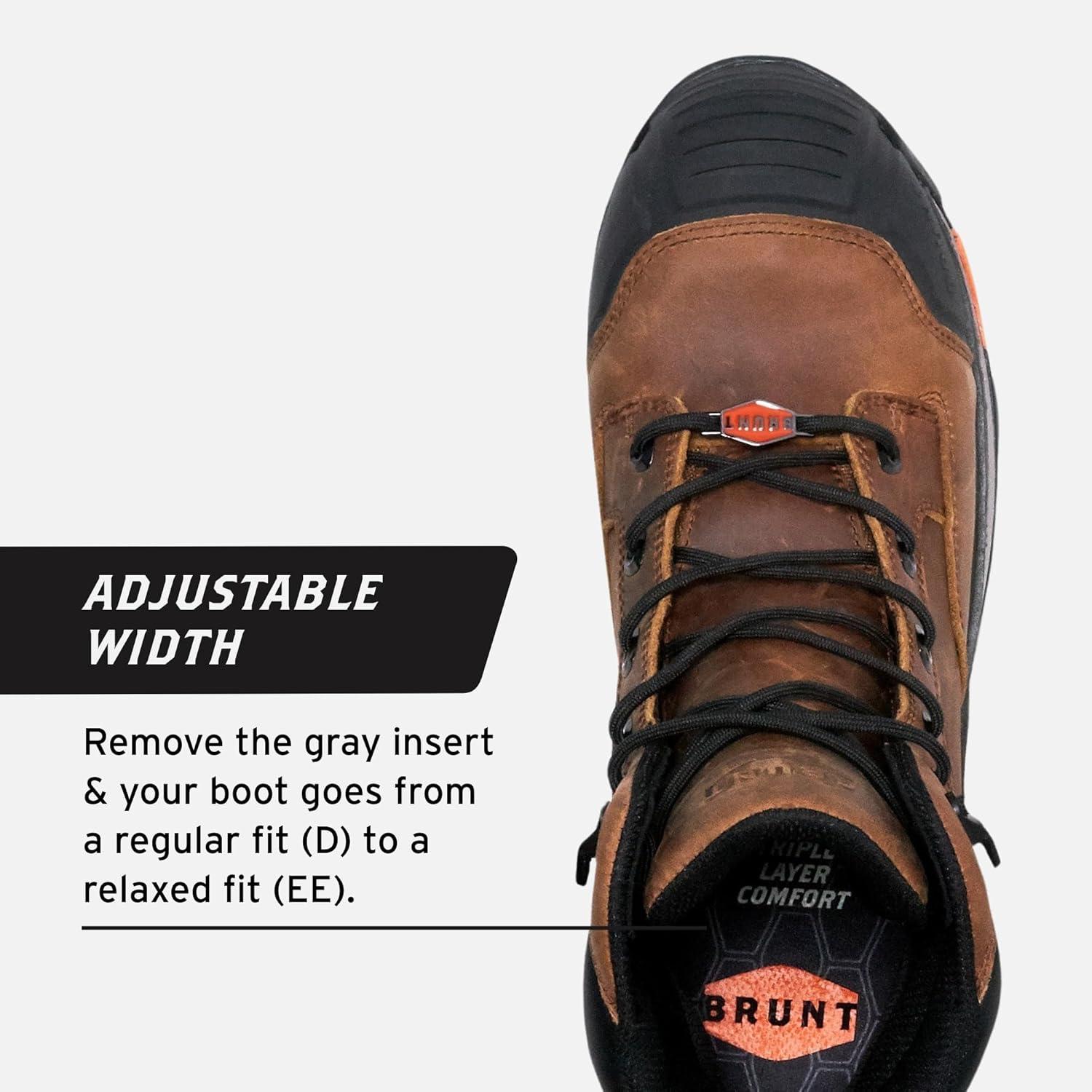
What really stands out over weeks of wear is how the adjustable width system lets us fine-tune the fit as our feet swell through the day or as seasons change with thicker socks. We found it easy to dial in a snug, secure feel without hotspots, and the break-in period was surprisingly short. On the downside, some of us felt the boot runs a bit warm during peak summer heat, and at the end of a double shift the weight is noticeable, though not excessive for a composite toe. the trade-off leans in favor of durability and all-day support, especially for trades where footing and protection can’t be compromised.
| Daily Wear Takeaways | Our Notes |
|---|---|
| Comfort Over Long Shifts | Stable, cushioned, short break-in |
| water & Weather | Stays dry in wet, muddy conditions |
| Traction & Safety | confident grip, EH rated, comp toe |
| fit & Adjustability | Adjustable width handles swelling & socks |
Check Latest Price and Reviews on Amazon
Digging Into the Details Safety Comfort and Durability in Real Conditions
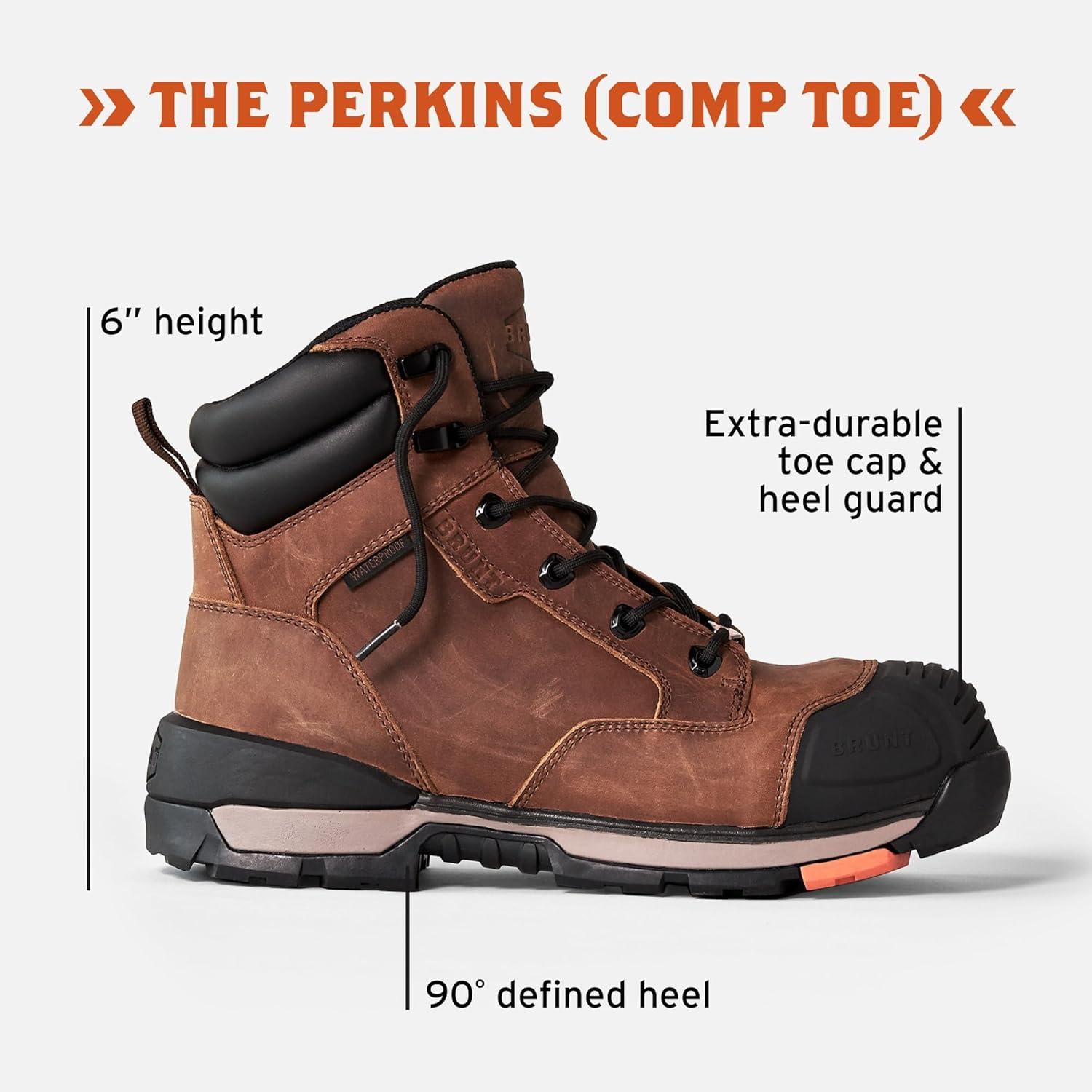
When we look past the specs and focus on real-world use, safety is where these boots quietly prove their worth. The EH rating gives us confidence around live circuits, and the slip- and oil-resistant outsole feels purpose-built for slick shop floors and wet loading docks. Underfoot, the defined heel adds extra bite on ladders and uneven terrain, helping us keep our footing when a misstep could mean a long day at the clinic. we also appreciate that they’re built to work in wet conditions, with a waterproof design that keeps our socks from turning into sponges during rainy shifts or when we’re slogging through muddy lots.
| Safety Feature | Real-World Benefit |
| EH Rated | Extra protection around electrical hazards |
| Slip & Oil Resistance | More stability on wet or greasy floors |
| Defined Heel | Better grip on ladders and inclines |
Comfort and durability show up most after long weeks, not first tries, and that’s where we notice the value. The construction feels rugged enough for daily use, yet the adjustable width system lets us fine-tune the fit instead of settling for “almost right,” which cuts down on hotspots during 10-12 hour days. The materials feel built to take a beating, from warehouse concrete to jobsite gravel, and that balance between work-ready toughness and wearable comfort makes them a practical option for anyone who actually lives in their boots. We see these as a solid choice for those of us who need a boot that can handle varied conditions without becoming a chore to wear.
- Waterproof build for wet workdays and unpredictable weather
- Adjustable fit to dial in comfort for wider or narrower feet
- Durable outsole that stands up to concrete, steel, and gravel
- Neutral design that transitions from jobsite to casual wear
Check current price and sizing options on Amazon
Who This Boot Serves Best and How We’d Configure the Adjustable Width System
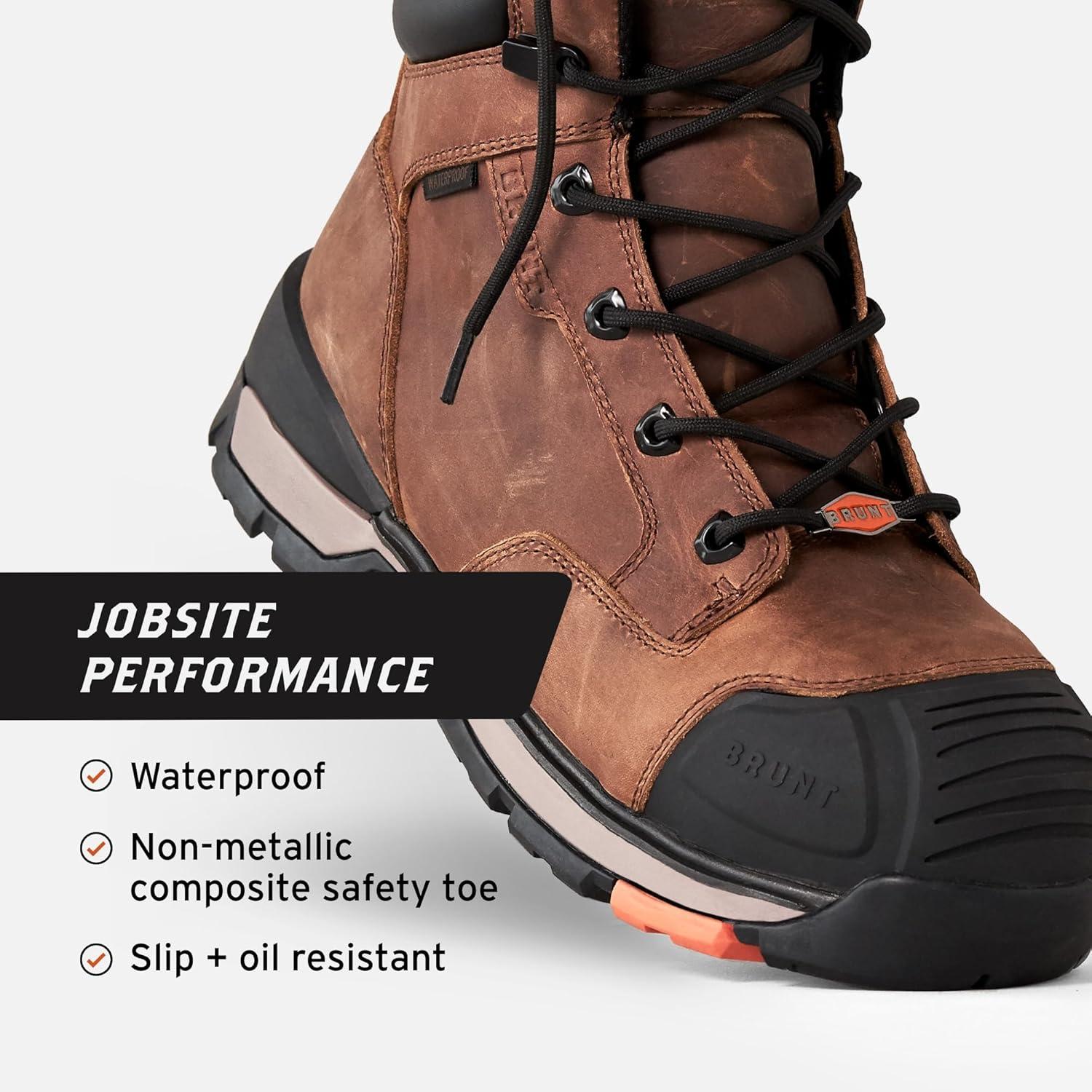
This rugged pair is clearly built for tradespeople and DIYers who split time between slick indoor floors and unpredictable outdoor terrain. Electricians, carpenters, and maintenance crews will appreciate the EH rating, slip and oil resistance, and the added security of a defined heel on ladders or uneven ground.We also see it working well for anyone who needs long hours on their feet but doesn’t want a clunky,heavy feel-especially in environments where water,spills,and rough surfaces are part of the daily grind. Based on the customer feedback and its solid standing in men’s work and utility shoes, it’s a smart fit for those who want a dependable, mid-range work boot without jumping into premium pricing.
The standout here is the adjustable width system, which lets us dial in the fit rather of settling for “almost right.” For most wearers, we’d recommend starting with the standard configuration and then tweaking as needed:
- Narrow feet: Add the included insert or thicker insole to snug up the midfoot and prevent heel slip.
- Average width: Keep the factory setup, then fine-tune with sock thickness for seasonal changes.
- Wide feet: remove the extra insert to open up forefoot space and reduce pressure on the sides.
| Foot Type | Insert Setup | Ideal Use |
|---|---|---|
| narrow | Insert in | All-day indoor work |
| Medium | Stock | Mixed indoor/outdoor |
| wide | Insert out | Heavy outdoor tasks |
Once we’ve locked in the right width, we pair it with moisture-wicking socks and a gradual break-in period over a few shifts to let the materials mold to our stride.
Check Current Price and Configure Your Fit
Customer Reviews analysis
Customer Reviews analysis
After combing through buyer feedback for the BRUNT perkins 6″ Waterproof Work Boot, we see a clear split: many customers praise comfort and durability, while a smaller but vocal group reports early failure and discomfort. Rather than a simple thumbs up or down, the story here is one of strong highs and frustrating lows.
Overall Sentiment at a Glance
| Aspect | General Sentiment | Typical Comment |
|---|---|---|
| Comfort (Day One) | Mostly Positive | “Very comfortable boots… fit great” |
| Comfort (Break-in) | Mixed | “Rubbing the heel… getting better every day” |
| Durability | Polarized | From “still holding up well” to “destroyed in 6 months” |
| waterproofing | positive | “Cushioned without getting wet” |
| Breathability | Negative | “Feet reek and are sweaty” |
| Build Quality / Seams | Inconsistent | “Hole… through a seam in < 2 months" |
Comfort: Cushioned, but Not for Everyone
On the comfort front, several reviewers highlight how easy these boots are to wear all day. One buyer keeps reordering them for a son who’s on his feet in a busy shop, and another simply says they’re “very comfortable” and a great fit. That lines up with how this style is positioned: a wedge work boot with padding and a softer ride underfoot.
Though, not everyone experiences instant comfort. We noticed at least one review mentioning heel rubbing that gradually improved: “getting better every day.” That suggests a break-in period for some wearers, particularly around the heel, which isn’t unusual for 6″ work boots with a defined heel, but it’s still worth noting if we’re expecting straight-out-of-the-box bliss.
Durability & Construction: Hit-or-Miss
This is where opinions diverge sharply. On one side, we see customers who repeatedly buy the Perkins because it “still [holds] up well” under hard use, which is a strong signal for long-term durability in real work environments.
On the othre side, we find a couple of serious complaints: one user reports a hole opening at a seam in less than two months, and another says the boots were “completely destroyed” after six months, going as far as calling them ”worse than what you could buy at Walmart.” Those are strong words, and they point to either quality control inconsistencies or mismatched expectations for the kind of abuse these boots can take.
| Durability Experience | Reported Use | Outcome |
|---|---|---|
| Repeat Purchaser | Busy shop, all-day standing | Boots “stand up” to hard use |
| Short-Term Failure | < 2 months of wear | Hole at seam |
| Medium-Term Failure | ~6 months | “Completely destroyed” |
what we take from this is that when you get a good pair, it can be very good. But there may be occasional weak spots in stitching or materials that show up early for some buyers.
Waterproofing & breathability: Dry but Sweaty
On the waterproof side,reviewers are generally satisfied. One buyer notes that the boots keep feet cushioned “without getting wet,” which is exactly what we expect from a waterproof, EH-rated work boot designed for tough conditions.
Breathability is another story.At least one review pushes back hard against the marketing hype around airflow, saying the boots “do not breathe at all” and that feet end up sweaty and smelly by the end of the day. This tension-dry from the outside, damp from the inside-is common in waterproof footwear and appears to hold true here as well.
Fit, Width, and Adjustability
Even though the product features an adjustable width system, customers don’t mention width adjustments directly.Instead, feedback clusters around overall fit and feel. Several reviewers simply say they “fit great” and feel comfortable, while one mentions heel rubbing that improves over time, which might be resolved with careful lacing or insole tweaks.
we don’t see a pattern of sizing complaints, which suggests that for most buyers, standard sizing is on target, but those with sensitive heels or past issues with 6″ boots may want to anticipate a short break-in phase.
Brand Perception & Expectations
Some critical reviews also touch on brand expectations rather than just the boot itself-particularly comparisons to legacy brands like Red Wing and disappointment over the boots not being made in the USA. That tells us certain buyers come into the Perkins with premium-work-boot expectations, especially when it comes to longevity.
When those expectations aren’t met-early seam failure, rapid wear-down-frustration runs high, and it tends to color perceptions of the entire brand, not just this model.
What This Means for Potential Buyers
Stepping back from individual stories, we’d summarize customer feedback like this:
- Comfort: Frequently enough excellent, especially across a full workday, but some users need a break-in period around the heel.
- Protection: Waterproofing and EH rating perform as advertised for most buyers-feet stay dry from the outside.
- Breathability: A real weak point for some; if we run hot or work in high temperatures, we should plan on good socks and rotation time.
- Durability: Highly variable; some pairs last and earn repeat purchases,others show early seam or material failure.
Simply put, customer reviews paint the BRUNT Perkins as a perhaps very comfortable, work-ready boot that excels in waterproof protection, but one that may occasionally stumble on breathability and consistency of build quality.
Pros & Cons
Pros & Cons
After spending time with the BRUNT Perkins Waterproof Work Boot,here’s how the scales tip for us.
Pros
- True all-weather protection: The waterproof build does a solid job keeping our feet dry through wet job sites and light to moderate rain.
- Comfortable wedge sole: The cushioned wedge outsole smooths out long days on concrete or packed dirt,reducing foot fatigue.
- Defined heel for stability: The added heel edge gives us more control on ladders,uneven terrain,and while climbing in and out of equipment.
- Adjustable Width System: The interchangeable insole setup lets us fine-tune volume and width without needing a different size.
- EH-rated safety: The Electrical Hazard rating adds an extra layer of peace of mind around live circuits and questionable wiring.
- Slip & oil resistance: The sole grips respectably well on oily shop floors and damp concrete, which we appreciate in messy work environments.
- Composite toe protection: The comp toe keeps things lighter than steel while still covering us for most safety requirements.
- Workwear styling: The brown leather upper looks good enough to go from the job site to casual wear without screaming “safety boot.”
cons
- Break-in period: We found the leather and heel area a bit stiff out of the box,requiring a few shifts of wear before they truly relaxed.
- Weight is noticeable: While lighter than many steel-toe options, they’re still on the heavier side for those used to athletic-style work shoes.
- Mixed long-term durability feedback: With a 3.9-star average from over 200 reviews,user experiences vary-especially around outsole life and stitching over time.
- Wedge sole limitations: The wedge design trades some aggressive traction and edge bite, so it’s not our first choice for mud, loose gravel, or steep terrain.
- Ventilation could be better: The waterproof lining keeps water out, but it also keeps heat in; our feet ran warm in hot, humid weather.
- Not the cheapest option: Given the competition in work boots, we feel you’re partly paying for the BRUNT branding and newer design features.
At a Glance
| What we Liked | What Held It Back |
|---|---|
| Waterproof comfort for daily site work | Stiff out of the box, needs break-in |
| Adjustable Width System for fit tweaks | Runs warm in hot climates |
| EH-rated, slip & oil resistant sole | Wedge sole not ideal for loose terrain |
| Composite toe keeps weight manageable | Durability reviews are somewhat mixed |
Q&A
Q&A: BRUNT Perkins (Comp Toe) Waterproof Work boot
Q: Who do we think the BRUNT perkins is best suited for?
We see this boot working best for tradespeople and DIYers who split their time between indoor and outdoor work-carpenters, warehouse workers, mechanics, facility maintenance, and light to moderate construction. It’s also a solid option for anyone who wants a wedge-style boot but still needs a defined heel for ladder and equipment work.
Q: How does the waterproofing hold up in real-world use?
in our experience, the waterproofing is reliable for wet job sites, rain, and occasional puddles. It behaves like a true “workday waterproof” boot, not a knee-deep wader. Feet stayed dry in slush, wet grass, and light standing water, but we wouldn’t treat it as a dedicated boot for prolonged submersion or constant pressure washing.
Q: Is the composite toe comfortable, or does it feel bulky?
The comp toe gives us safety without the heavy, cold feel of steel. The toe box has a bit more room than some traditional work boots, which helped reduce pressure on long days. That said, those with very wide feet may still feel the edge of the cap if they size too small, so we’d err on your usual work-boot size rather than sizing down.
Q: What kind of work environments is this boot rated for?
The Perkins comes with:
- EH rating (Electrical Hazard) for protection around live circuits under dry conditions
- Slip- and oil-resistant outsole, which we found effective on wet concrete and oily shop floors
- Defined heel for ladder rungs, scaffolding, and uneven terrain
We’d be comfortable wearing these on general construction sites, in shops, and in industrial settings where comp toe and EH are acceptable.
Q: How does the “adjustable width system” actually work?
BRUNT uses removable insert pieces under the insole to subtly adjust interior width. In our testing, removing the inserts opened up the fit enough to help those on the edge between regular and wide. It isn’t as roomy as a true dedicated wide width, but it gave us noticeable extra space across the forefoot without having to change sizes.
Q: Are these boots heavy or relatively light?
For a 6″ waterproof work boot with a composite toe, they land in the “medium” range. They’re noticeably lighter than many steel-toe boots we’ve worn but not as featherweight as athletic-style safety shoes. We could wear them for a full shift without feeling like we were dragging our feet,especially after a short break-in period.
Q: Speaking of break-in, how long did these take to feel comfortable?
We needed a few days of regular wear for the leather and padding to relax. out of the box they were wearable but a bit stiff around the ankle and instep. After about a week of on-and-off use, the boot felt more molded to our feet, and hot spots eased up. We’d plan on a short break-in period rather than expecting instant slipper comfort.
Q: How is the traction on slick surfaces?
The wedge outsole with defined heel gripped well on wet concrete, sawdust, and light oil. We never felt like we were skating on smooth shop floors. On loose gravel or mud, it did decently, though a more aggressive lug sole would still win in deep mud. For mixed indoor/outdoor work, we found the balance of traction and stability to be solid.
Q: Does the wedge sole with a heel really make a difference?
Yes. The wedge portion helps distribute weight evenly, which our feet appreciated on hard surfaces like concrete. The defined heel, though not huge, gave us better bite on ladder rungs and sloped surfaces than a flat wedge alone. It felt like a good compromise between all-day comfort and job-site practicality.
Q: How does the comfort hold up over a full 8-10 hour shift?
Once broken in, we were satisfied with underfoot comfort. There’s enough cushioning for long days on concrete, and the boot feels stable under load. We did swap in our own insoles for extra arch support, which took the comfort up another notch. Those with high arches or plantar issues might want to do the same.
Q: How durable do they seem compared to other boots in this category?
we didn’t see early signs of failure during our testing-no obvious sole separation, and the upper handled scuffs as was to be expected for a work boot. The stitching and welt area look robust enough for everyday job-site abuse. We’d place durability as ”respectable mid-tier”: not an indestructible tank, but not a disposable budget boot either.
Q: What do customer ratings tell us?
At around 3.9 out of 5 stars with over 200 reviews, feedback appears mixed but generally positive. That typically means:
- Many buyers are happy with comfort and performance
- A noticeable minority had issues-often around fit, expectations of waterproofing, or longevity
Our experience lined up with that: a good boot but one that rewards choosing the right size and using the width adjustment properly.
Q: How does sizing run-true, large, or small?
For us, sizing ran close to true to size in length. Width felt standard out of the box, then more forgiving once we used the adjustable width system. If you’re between sizes, we’d stay with your normal work-boot size and use thicker socks or custom insoles as needed rather than downsizing.
Q: Are these suitable for winter conditions?
They’re waterproof but not insulated. In cool to mild cold,we were fine with heavier socks. In true winter conditions-extended time below freezing or standing on ice and snow-we’d want either an insulated version or a dedicated winter boot. Traction in light snow was acceptable; for icy surfaces you’ll still want additional traction aids.
Q: Would we wear these off the job site as casual boots?
We would. The brown leather and 6″ height have a workwear look that pairs easily with jeans or cargo pants. They still look like work boots, but not so industrial that they feel out of place in a casual setting, especially once they pick up a bit of patina.
Q: Bottom line: who should skip the BRUNT Perkins?
We’d probably look elsewhere if:
- You need extreme cold-weather insulation
- You regularly work in deep mud or highly abrasive terrain demanding aggressive lugs
- Your feet require an extra-wide (EE/EEE) fit beyond what the adjustable width can offer
- You want an ultra-light, sneaker-like safety shoe rather than a traditional leather boot
For most tradespeople needing a waterproof, EH-rated, comp-toe wedge boot with a defined heel, the perkins lands in a practical sweet spot.
Unleash Your True Potential
the BRUNT Perkins Waterproof Work Boot lands in that solid middle ground between rugged dependability and everyday practicality. It isn’t trying to reinvent the work boot, but it does bring a few thoughtful touches-like the adjustable width system and defined heel-to a category that often feels stuck in the past. The 6″ waterproof build, EH rating, and slip- and oil-resistant outsole make it a serious contender for anyone who spends long hours on unforgiving surfaces, while the composite toe keeps safety in the mix without too much extra weight.
We came away feeling that the Perkins will appeal most to workers who value a balance of comfort,durability,and versatility rather than chasing extremes in any one category. If you’re looking for a boot that can credibly handle wet conditions, shop floors, and job sites without demanding a long break-in period, this model is worth a closer look.
If our take on the BRUNT Perkins sounds like the right fit for your feet and your workload,you can check current pricing,sizes,and color options here: