


This post may contain affiliate links which means I may receive a commission for purchases made through links. Learn more on my Private Policy page.
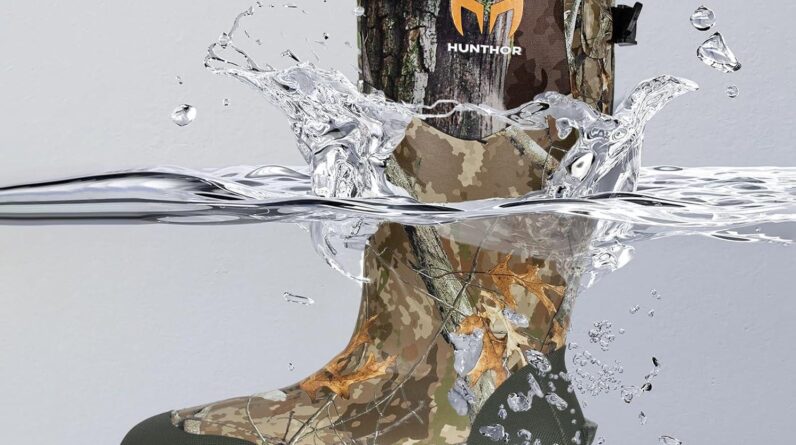
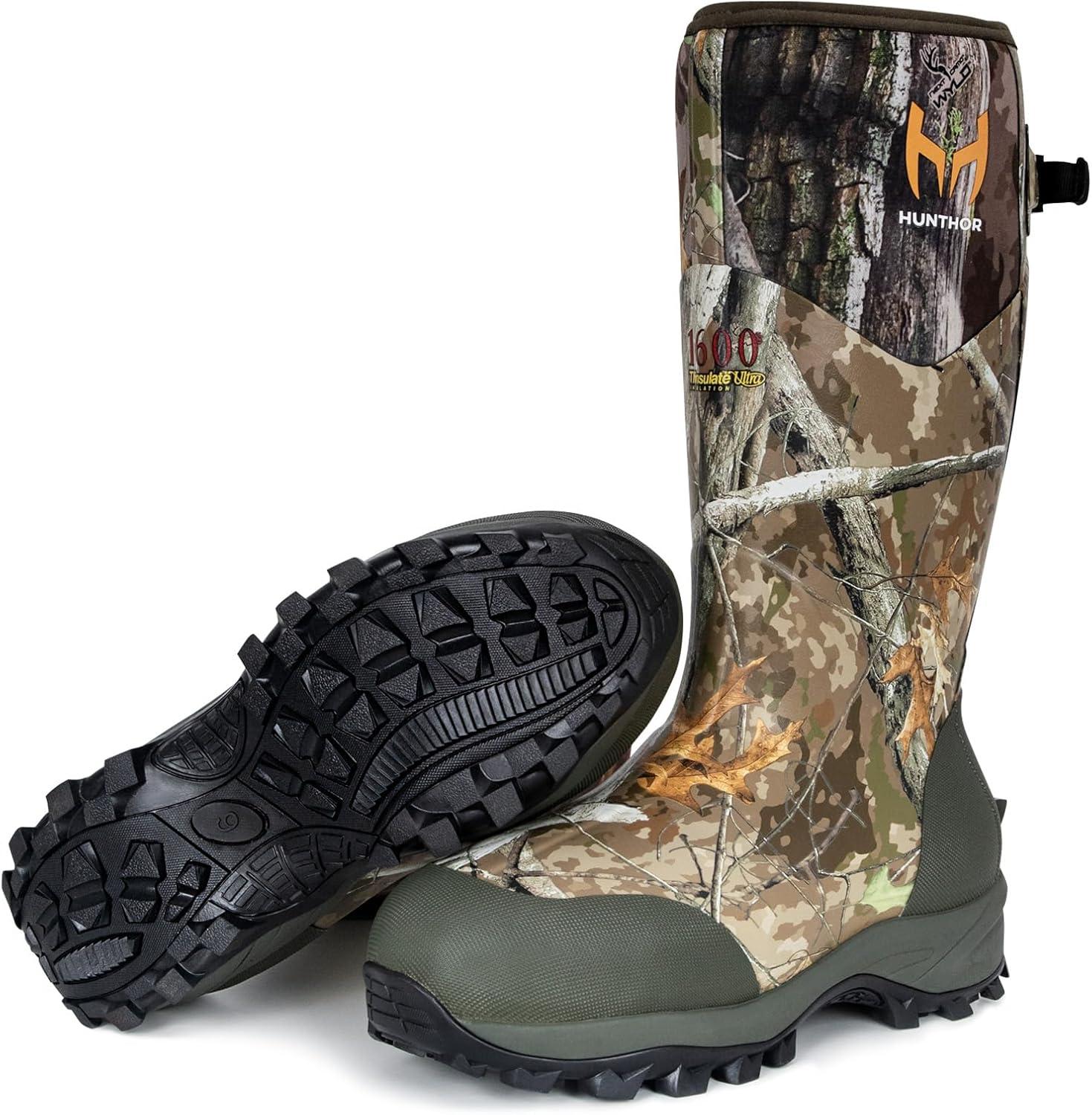
When the temperature drops, the woods get quiet. That’s when every step we take starts to matter a lot more-not just for the hunt, but for our toes. We’ve all had those long, frozen sits in a stand or hours of slogging through marsh and brush, silently swearing at our boots for letting the cold and wet creep in. That’s exactly why we were curious about these Hunting Boots for Men with 1600g insulation, 4mm neoprene, 2mm fleece lining, and a waterproof rubber shell, rated all the way down to -20°F.
On paper, they sound like a cold‑weather tank: heavy insulation, a fully rubberized exterior, an adjustable cuff gusset, anti-slip outsole, steel shank, and a fleece-lined interior that promises warmth without feeling swampy. They’re clearly built with both hunting and outdoor work in mind,and the design touches-like the durable rubber toe and the kick tab for easy removal-suggest someone actually thought about what happens at the tailgate after a long day out.We’ve been putting these boots through their paces in wet fields, muddy creek bottoms, and frosty pre-dawn setups to see if they live up to that spec sheet. in this review, we’ll walk through how they actually feel on our feet, how they handle cold, water, and rough ground, and whether they’re worth adding to your gear lineup-or if they’re just another pair of heavy rubber boots with big promises.
Our First Impressions of These 1600g Insulated Hunting Boots
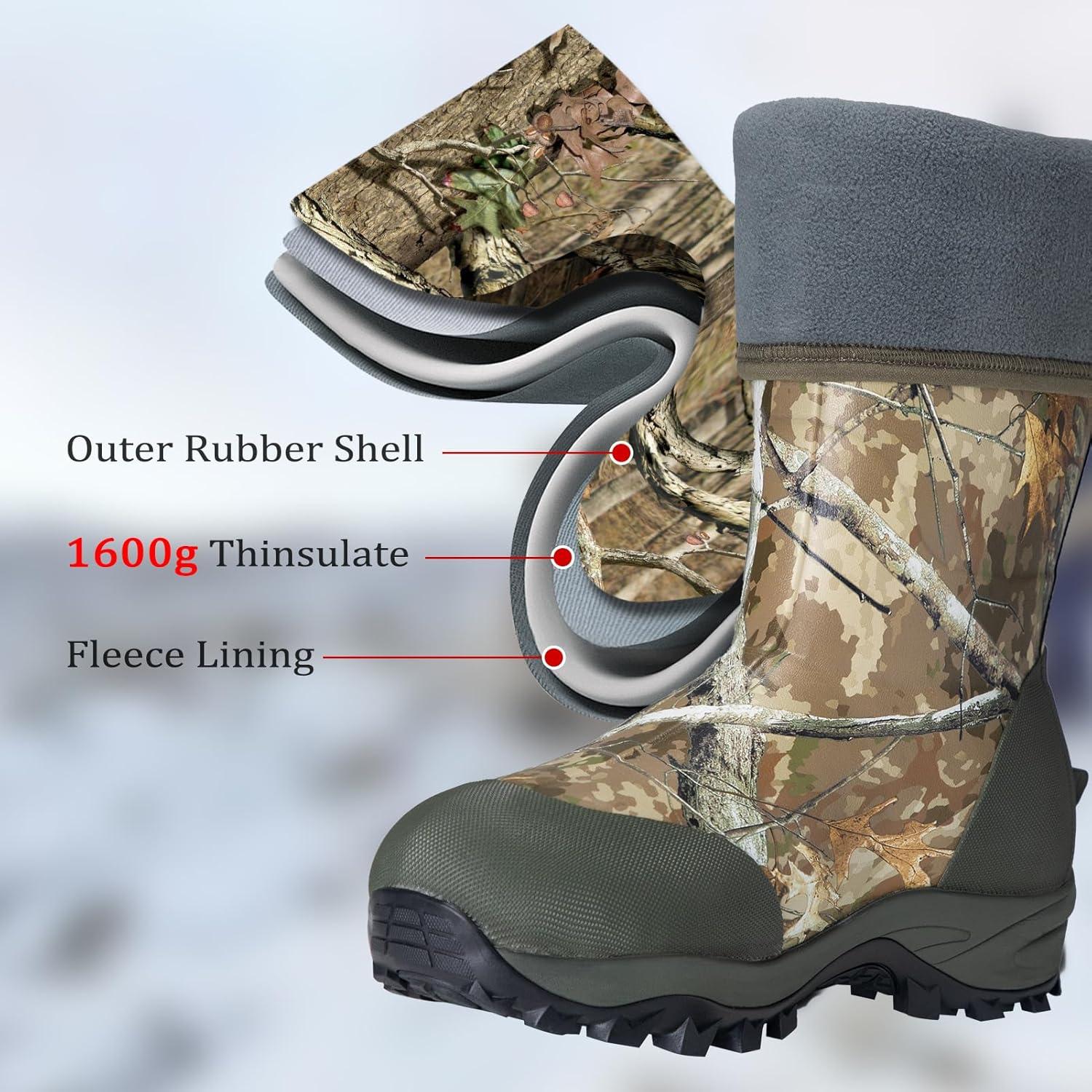
As soon as we pulled these boots out of the box, they felt purpose-built for bitter cold and wet ground. The durable rubber toe looks and feels rugged,with a seamless,water-tight construction that inspires confidence for creek crossings and soggy tree stands.Inside,the fleece lining gives a plush first step without feeling overly bulky,and paired with the thick insulation,we could tell they were designed for long sits in sub-freezing temps. The adjustable cuff gusset stood out right away too, letting us snug the top around our calves so debris and cold air stay out, while still leaving room for thicker socks or tucking in pant legs.
Once we walked around a bit, the ergonomically shaped arch and steel shank gave us a stable, supportive feel that we don’t always get from tall rubber boots. The kick tab at the heel is a small detail, but it made slipping them off hands-free surprisingly easy after we’d tracked in mud. Our early takeaway is that these boots balance warmth, waterproof protection, and everyday practicality in a way that seems ideal for both stand hunting and chores around the property.
- Warm feel right out of the box, thanks to thick insulation and fleece lining
- Supportive arch and steel shank for uneven terrain and long days outside
- Easy on/off design with kick tab and adjustable cuff gusset
- Rugged rubber toe that looks built to handle brush, rocks, and rough use
| Insulation Rating | Down to -20°F |
| comfort | Soft fleece, supportive arch |
| Protection | Water-tight rubber, steel shank |
| Ease of Use | Kick tab, adjustable cuff |
Check current price and more details on Amazon
Diving Into Warmth and Weatherproofing in Subzero Conditions
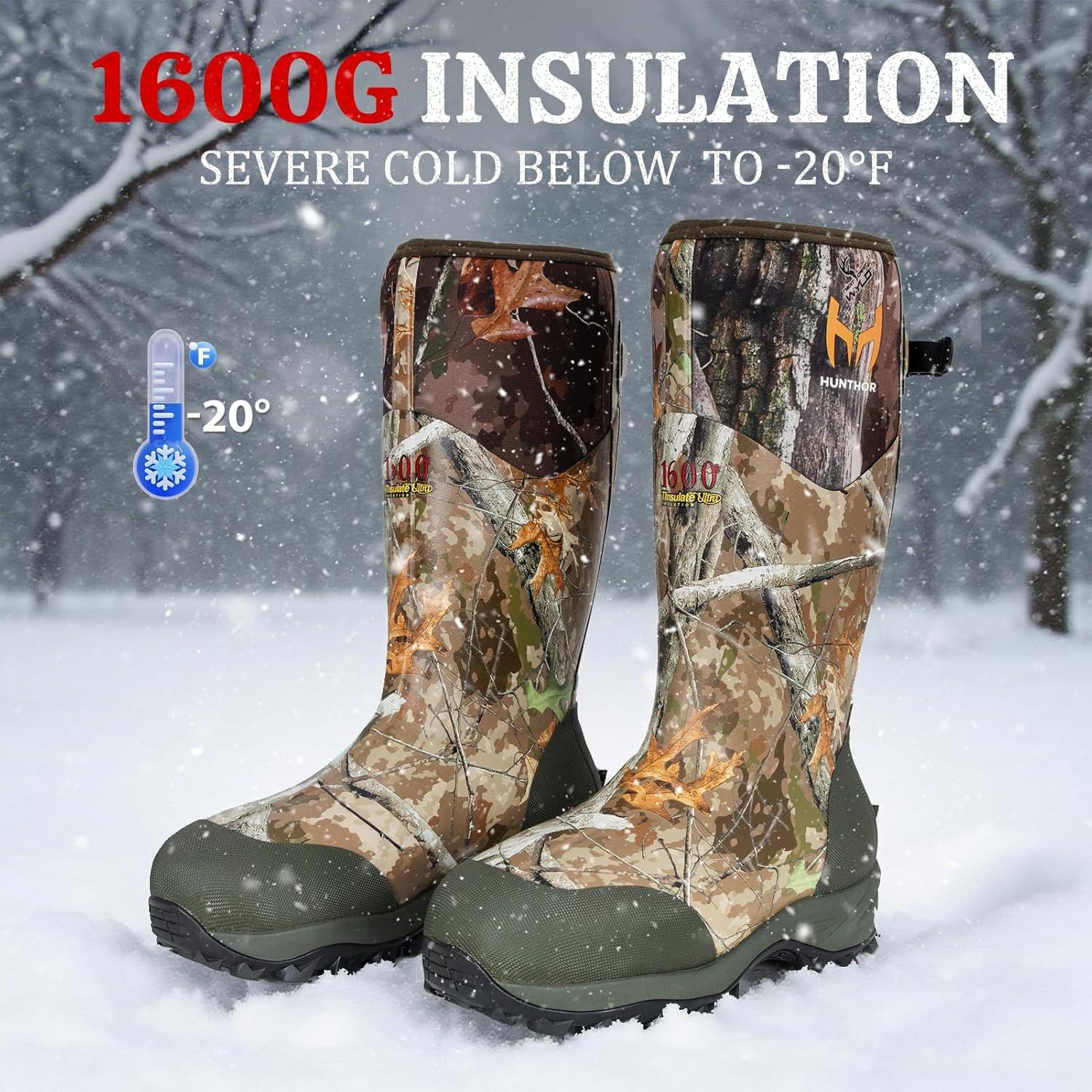
When we put these boots through their paces below zero, the layered insulation system is what stands out most. The combination of 4mm neoprene and 2mm fleece lining traps heat efficiently, so our toes stay surprisingly warm even when we’re standing still in snow and slush. The fleece interior feels soft rather than bulky, so we don’t get that suffocating, ”overstuffed” feeling we’ve had with other heavy winter boots. The durable rubber toe adds an extra shield where snow and ice hit first, helping to keep our feet dry when we’re breaking through crust or moving through wet brush. we also appreciate how the boot maintains warmth without turning into a sweatbox once we start hiking harder or climbing into a stand.
Weatherproofing is just as thoughtful as the insulation. The water-tight rubber shell rises high enough to shrug off deep puddles and slushy trails, and the adjustable cuff gusset lets us cinch the top to seal out blowing snow or unexpected splashes.Underfoot, the anti-slip outsole grips packed snow and icy ground more securely than a standard lug pattern, while the steel shank gives our arches support when we’re crossing frozen ruts or standing on uneven terrain for hours. For a rapid snapshot of how these features come together in the cold, here’s a simple breakdown:
| Temp Rating | Down to -20°F |
| Insulation Layers | Neoprene + Fleece |
| Key Protection | Water-tight rubber toe & shell |
| Traction | Anti-slip winter outsole |
- Warmth that holds steady when we’re glassing, tracking, or working outdoors.
- Reliable waterproofing from thaw to deep freeze.
- Supportive feel for long days on rough, frozen ground.
Check the latest price and winter-ready details on Amazon
Traction Toughness and Support How the Anti Slip Outsole and Steel Shank Perform in the Field

Out on slick riverbanks and frosted fields, we found the anti-slip outsole to be the quiet workhorse that keeps us upright and moving with confidence. The deep lugs bite into mud, snow, and wet leaves, giving us a planted feel even when we’re hauling gear or dragging a stand. On frozen ground, the rubber compound stays surprisingly grippy instead of turning rock-hard and skittish. Paired with the durable rubber toe, we can push off against rocks, roots, and uneven terrain without babying our steps. For long days, the ergonomically shaped arch underfoot keeps our stride natural, helping us stay nimble when we need to stalk slowly or suddenly pick up the pace.
Where the outsole ends, the steel shank quietly takes over, adding a layer of protection and structure that we really notice on rough ground. It spreads out pressure from sharp stones and branches, so our arches don’t feel every jagged edge. That support translates into less fatigue during all-day sits and long walks back to the truck. Together, the outsole and shank work like a chassis for our feet, giving us a stable base even when we’re shouldering packs or climbing into blinds.
- Sure-footed grip on mud, snow, and slick slopes
- Steel-backed stability for rocky or uneven ground
- Reduced foot fatigue during long hunts and workdays
| Terrain | Traction Feel | Support Level |
| Wet grass & mud | Secure, minimal slipping | Firm, balanced |
| Rocky trails | Confident footing | High arch protection |
| Frozen ground | Consistent grip | Stable under load |
Check current price and see more hunter reviews
Who These Boots Are Really For and How We Recommend Using Them
From our experience, these boots are best suited to hunters, landowners, and outdoor workers who spend long hours in cold, wet environments and need reliable warmth more than sprint-level agility. The heavy insulation, full rubber construction, and fleece lining make them ideal for winter tree-stand sits, late-season waterfowl hunts, and chores around muddy farms or job sites. The adjustable cuff gusset helps us dial in the fit over thick socks or layered pants, while the kick tab makes it surprisingly easy to peel them off after a long day in the field. We see them as a workhorse option for people who prioritize dry, warm feet and solid arch support over ultra-lightweight performance.
We recommend using these mainly in temperatures below freezing, on terrain where traction and waterproofing matter more than speed. Based on how they’re built, we’d reach for them when:
- Sitting or standing for hours in blinds, tree stands, or on job sites
- Crossing snow, slush, and shallow water where rubber and sealed seams shine
- Working in mud or barnyards and hosing them off at the end of the day
- Needing quick on/off thanks to the kick tab and roomy opening
| Best Season | Late fall to deep winter |
| Ideal User | Cold-weather hunters & outdoor workers |
| Primary Strength | Warm, dry comfort for long days outside |
Check current price and see more details on Amazon
Customer Reviews Analysis
Customer Reviews Analysis
After combing through buyer feedback, we found that these 1600g insulated hunting boots inspire strong opinions in three main areas: warmth, sizing, and overall comfort/performance. The pattern is clear enough that we can sketch a fairly accurate picture of what to expect before you lace-or rather, pull-them on.
Warmth & Weather Performance
If there’s one thing customers agree on, it’s that these boots do what winter boots are supposed to do: keep feet warm and dry when the mercury dives.
- Multiple reviewers report warm feet while sitting still in very cold conditions (around 10°F) and while working in snow.
- The combination of rubber shell, neoprene, and fleece lining gets high marks for blocking wind and wet snow.
- One user tested them shoveling through a hyped-up “snowmageddon” and called the performance “wonderful,” praising both warmth and grip.
In real-world terms, customers are using these in single-digit to low-teen temperatures without complaints-especially when paired with thick wool socks. The -20°F rating seems ambitious as a guarantee for everyone, but the user reports we saw are consistent with serious cold-weather capability.
Comfort, fit & Sizing
This is where the story gets more intricate. Comments around sizing fall into two clear camps:
| Theme | Customer Experience | our Take |
|---|---|---|
| Length & Overall Size | Several buyers sized up one full size and were happy, especially with thick socks. | Planning to wear heavy socks? We’d lean toward ordering one size up. |
| “Runs Small” Reports | At least one reviewer felt an 11 fit more like a 10, and another complained about the size chart. | There might potentially be inconsistency between the chart and real-world fit, particularly in length. |
| Ankle & Calf Space | One user found the ankle area too tight and decided to return them. | Hunters with thicker ankles or who prefer a loose shaft might feel constricted. |
| True to Size | Others say they fit “true to size” and “feel great.” | Standard or slightly narrow feet seem to fare best with normal sizing. |
we see a pattern: the last and ankle profile lean a bit snug, which some interpret as “runs small.” Customers wearing heavy socks often order one size up and report a better fit.Wide feet or thick ankles are more likely to clash with the boot’s tighter ankle area and the current size chart.
Comfort in Use
Once on, comfort ratings are strong. Reviewers highlight:
- “Fit perfectly, comfortably” when sized correctly.
- Good underfoot support, helped by the steel shank, during walking and snow shoveling.
- Solid grip from the outsole on packed snow and icy patches.
One recurring minor annoyance is the heel kick-off lip. Users like having it, but note that it’s small enough to make hands-free removal a bit of a wrestling match-especially with thick, insulated uppers gripping the calf.
Build Quality & Longevity Impressions
Because many buyers are early in their ownership, we don’t see many long-term durability reports yet, but first impressions lean positive:
- The all-rubber exterior, without lots of stitched seams, reassures those worried about leakage or seam failure.
- Several reviewers mention the boots “seem well made” and call them “good value” for the warmth level.
- No consistent reports yet of cracking, leaks, or delamination-though the sample size for long-term use is still small.
Highlights vs. Drawbacks (From Customers)
| What Customers Loved | what Gave Them Pause |
|---|---|
| Excellent warmth in single-digit to low-teen temps | Fit can run small, especially in length and ankle |
| Dry feet in deep snow and slush | Size chart and real fit don’t always match |
| Good grip and stable feel thanks to the outsole and shank | Heel lip is small, making removal a bit awkward |
| Rubber construction inspires confidence against leaks | Noticeably heavy, though some see this as was to be expected for 1600g insulation |
Our Reading of the Crowd
Taking these reviews together, we see a boot that delivers convincingly on warmth, waterproofing, and traction-the core promises of a 1600g insulated hunting boot.Where it stumbles is in the finer points of fit: length that can feel short, a snug ankle, and a size chart that doesn’t guide everyone successfully.
For those whose feet match the last-or who proactively size up-the payoff is ample: a heavy, purpose-built winter boot that keeps feet warm and dry whether we’re perched in a stand, stalking through snow, or just digging out the driveway after the next overhyped “snowmageddon.”
Pros & Cons

Pros & Cons
After putting the 1600g Hunt Boots through snow, slush, and long, cold sits, here’s where they shine-and where they stumble.
| What We Liked | What Held Them Back |
|---|---|
| Serious warmth with 1600g insulation, 4mm neoprene, and 2mm fleece lining keeps our toes alive well below freezing. | All that insulation makes them heavy and a bit bulky for long hikes or run‑and‑gun hunting styles. |
| Fully rubberized, waterproof build and sealed toe box shrug off wet grass, creek crossings, and slushy fields. | Breathability is limited; on milder days or high-output hikes we noticed some sweat buildup. |
| Anti-slip outsole and steel shank give us stable footing on icy ground, mud, and uneven terrain. | Outsole is tuned for grip,not stealth; it’s not the quietest option when every twig snap matters. |
| Adjustable cuff gusset lets us fine-tune the fit over different pants and layered socks. | Shaft is stiff out of the box and requires a break‑in period before it feels truly natural. |
| Fleece lining feels soft, cozy, and doesn’t get clammy as quickly as bare rubber or plain neoprene. | Warmth rating to -20°F assumes we’re moving; during long, motionless sits our toes still cooled off. |
| Kick tab makes de‑booting at the truck or cabin quick and hands‑free. | No half sizes; sizing can be tricky for those between sizes or with wider feet. |
| Solid value in its category, with customer ratings hovering around 4.4/5 and respectable durability for the price. | Best-seller rank suggests it’s more of a niche work/hunt boot than a widely refined flagship model. |
Pros
- Built for deep cold: Between the 1600g insulation, neoprene, and fleece, our feet stayed warm in single-digit temps with onyl midweight socks.
- Reliable waterproofing: The full rubber construction and sealed toe kept water out even when we stood in ankle-deep meltwater.
- Secure traction: The anti-slip lug pattern bit into slick mud, snow, and frozen ruts better than we expected from a pure rubber boot.
- supportive underfoot: The steel shank and shaped arch gave decent support for long days on uneven ground.
- Comfort touches: Fleece lining, adjustable gusset, and the kick tab all add small but noticeable comfort and convenience in the field.
Cons
- Not a lightweight option: We definitely felt the weight and bulk on long walks or when climbing stands and steep hills.
- Warmth has limits: In truly brutal windchill or during long, motionless glassing sessions, our toes still got chilly.
- Ventilation trade-off: In shoulder-season temps,our feet ran hot and moisture management became a concern.
- Fit and adaptability: The tall, somewhat stiff shaft can feel awkward until broken in, especially for those with thicker calves.
- Less versatile off-season: The cold-focused insulation makes them overkill for spring turkey or summer farm work.
Q&A
Q&A: What We Learned from Living in These 1600g Hunt Boots
Q: How warm are these boots really? Do they live up to the -20°F rating?
We found the warmth to be extraordinary for the price.Standing still in snow around 0-10°F, our feet stayed agreeable with mid‑weight wool socks. We’d trust them close to the rated -20°F if we’re moving around, but for hours of glassing or sitting in a stand at that temperature, we’d still double up on quality socks and maybe add foot warmers.
Q: Do our feet get sweaty or clammy with all that insulation and fleece lining?
Less than we expected. The 4mm neoprene and 2mm fleece trap heat, so this is definitely a cold‑weather boot, not a mild‑weather one.On hikes in the 30s,we noticed some warmth build‑up but not swampy feet.Once temps rose above the low 40s, these started to feel like overkill.
Q: How waterproof are they in real use?
Wholly waterproof for us in typical hunting abuse: wet grass, slush, shallow streams, and ankle‑deep mud. The one caveat is obvious but worth stating: if water goes over the top of the boot or into the cuff, nothing will save you. As long as the waterline stayed below the shaft, we stayed dry.
Q: Are they comfortable enough for long walks and all‑day hunts?
Surprisingly yes, with a few qualifiers. The ergonomically shaped arch and steel shank give good support on uneven ground,and we didn’t feel sharp rocks underfoot. Though, this is still a rubber hunting boot with heavy insulation: they’re not as nimble as a lightweight hiking boot. After 5-6 miles, we noticed the weight, but no hotspots or blisters.
Q: How is the fit? Should we size up or down?
We’d call the fit “true‑ish” to size with a touch of extra room for thick socks.If you’re between sizes,we’d lean toward sizing down; if you always wear bulky winter socks,go with your regular size. The adjustable cuff gusset helps dial in the calf fit, especially over base layers and hunting pants.
Q: Are they heavy? Can we actually stalk in them quietly?
They’re heavier than uninsulated rubber boots, as 1600g insulation suggests, but not bricks. We were able to still‑hunt and stalk without feeling clumsy, and the rubber exterior is quiet in brush.You’ll feel the weight on steep climbs, but we didn’t find them overly loud or awkward.
Q: How well does the outsole grip on ice, snow, and mud?
Traction was one of the strong points. The anti‑slip outsole bit nicely into packed snow and wet leaves, and we only slipped on true glare ice where almost any boot would struggle. In thick mud, they’ll still cake up, but the lug pattern clears with a few stomps.
Q: What does the steel shank actually do for us?
The steel shank stiffens the midsole so our arches don’t fold over every log,rock,or ladder rung. In practice, it meant less foot fatigue when we were climbing tree stand steps, crossing deadfall, and side‑hilling. It adds some weight,but it pays off in support.
Q: Is the fleece lining just marketing, or does it make a difference?
It makes a noticeable difference in both warmth and comfort. The fleece takes the edge off the initial ”cold boot” shock when we first pull them on and feels softer against the sock than bare rubber or plain neoprene. it also helps wick a bit of moisture away from the foot.
Q: How easy are they to put on and take off?
Very easy. The kick tab on the heel is more useful than it looks: we could step on it with the other boot and slide out hands‑free. Pulling them on is straightforward-just a quick tug and we’re in. This matters more than we thought when we’re half‑frozen in the dark.
Q: Are they only for hunting, or can we use them for work too?
We used them for both. They’re well‑suited to farm chores, plowing, barn work, and any cold, wet job where we’re on dirt or gravel.They’re not safety “work boots” (no composite or steel toe), but for non‑industrial outdoor work, they did the job.
Q: How durable do they feel? Any weak spots?
The rubber toe and lower feel tough and well‑bonded, and we didn’t see any early cracking or seam issues. The upper shaft is flexible but seems sturdy enough for brush and barbed‑wire encounters. As with any rubber boot,long‑term durability will depend on how they’re stored (we’d keep them out of hot car trunks and direct sun).
Q: How do these compare to premium hunting boots that cost much more?
Premium boots usually win on refined fit, slightly lower weight, and more breathable liners. These, though, get us 80-85% of the performance at a noticeably lower price. For hunters who need serious warmth and waterproofing without going all‑in on a flagship brand, we found these a strong value.
Q: Would we trust these for an all‑season boot?
No. We view them as a dedicated cold‑weather tool. they shine from late fall through the dead of winter and into early spring when things are still wet and raw. Once temps creep much above the 40s, we’d switch to a lighter, more breathable option.
Q: Who are these boots best suited for?
- Hunters who sit in blinds or stands in real winter conditions
- Waterfowlers dealing with flooded fields and icy shorelines
- Ranch and farm workers outside in snow, slush, and mud
- Anyone who prioritizes warmth and waterproofing over light weight and summer versatility
If that’s how we spend our winters, these boots fit right into the kit.
Achieve New Heights
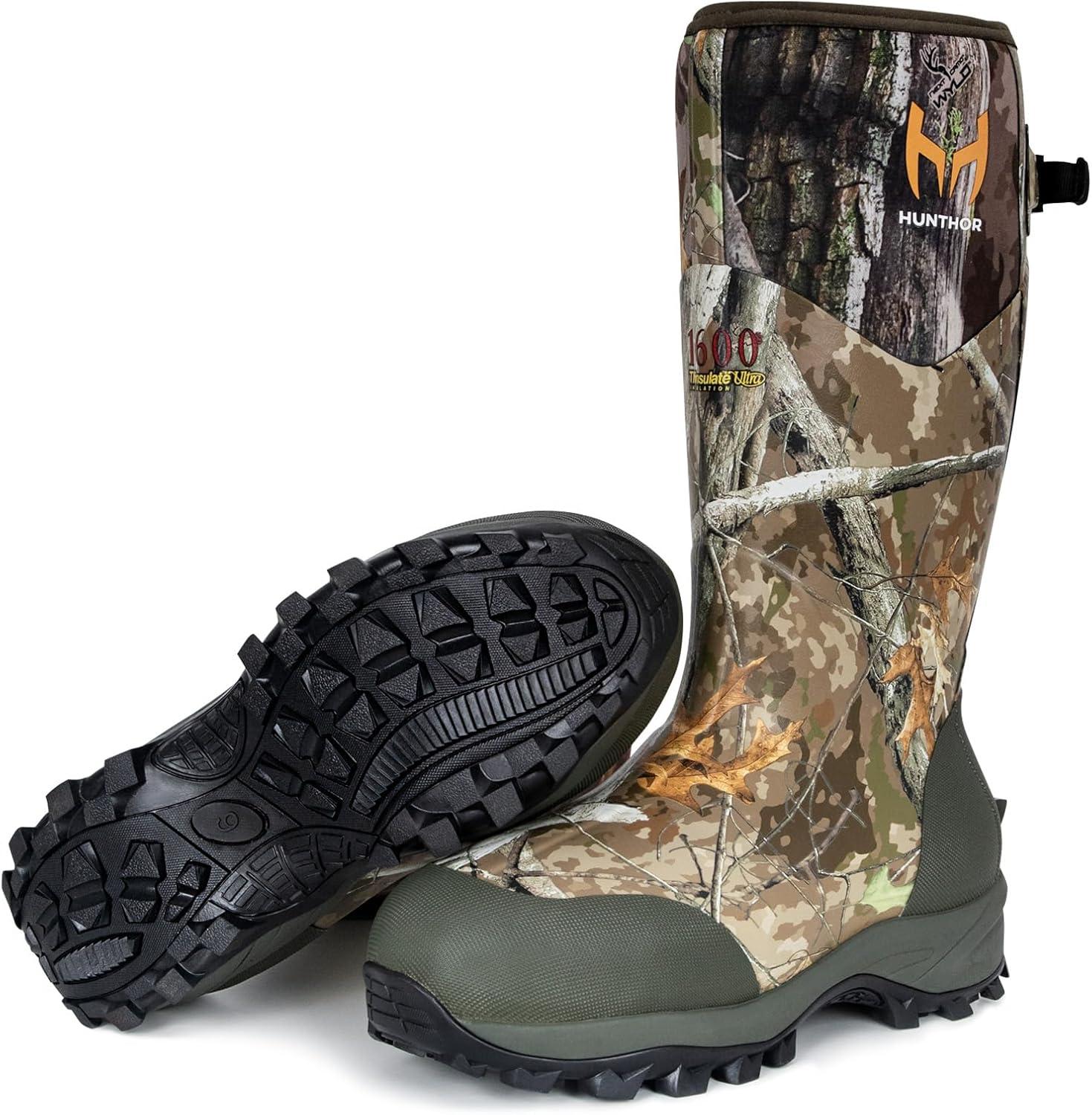
As we wrap up our time with these 1600g insulated hunt boots, we’re left with a clear impression: they’re built for those long, unforgiving days when the thermometer dips and the ground fights back with every step. The combination of 4mm neoprene, 2mm fleece lining, and a fully waterproof rubber shell gives us the kind of cold-weather confidence that cheaper gear often promises but rarely delivers.
They’re not the lightest boots in the lineup, and they won’t be everyone’s first choice for mild-weather walks or quick trips to the blind. But for deep-winter sits, icy fields, and all-day outdoor work where warmth and stability matter more than sleek looks, they hold their own. The anti-slip outsole and steel shank add a reassuring layer of support and traction, while details like the adjustable cuff and kick tab make life a little easier when we’re tired, muddy, and ready to call it a day.
these boots feel less like a fashion statement and more like a tool-meant to be used hard and trusted when conditions turn rough. If your season doesn’t end when the cold sets in, they might be worth adding to your gear list.
If you’d like to check current pricing,sizes,and customer reviews,you can find the boots here:
See the 1600g Insulated Hunting Boots on Amazon