


This post may contain affiliate links which means I may receive a commission for purchases made through links. Learn more on my Private Policy page.
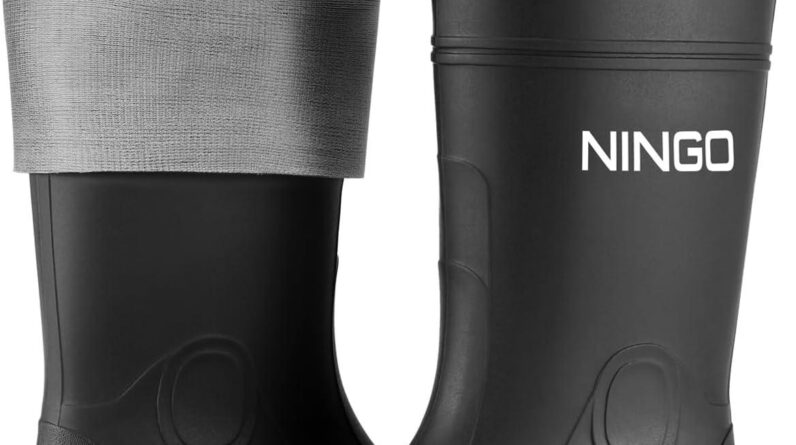
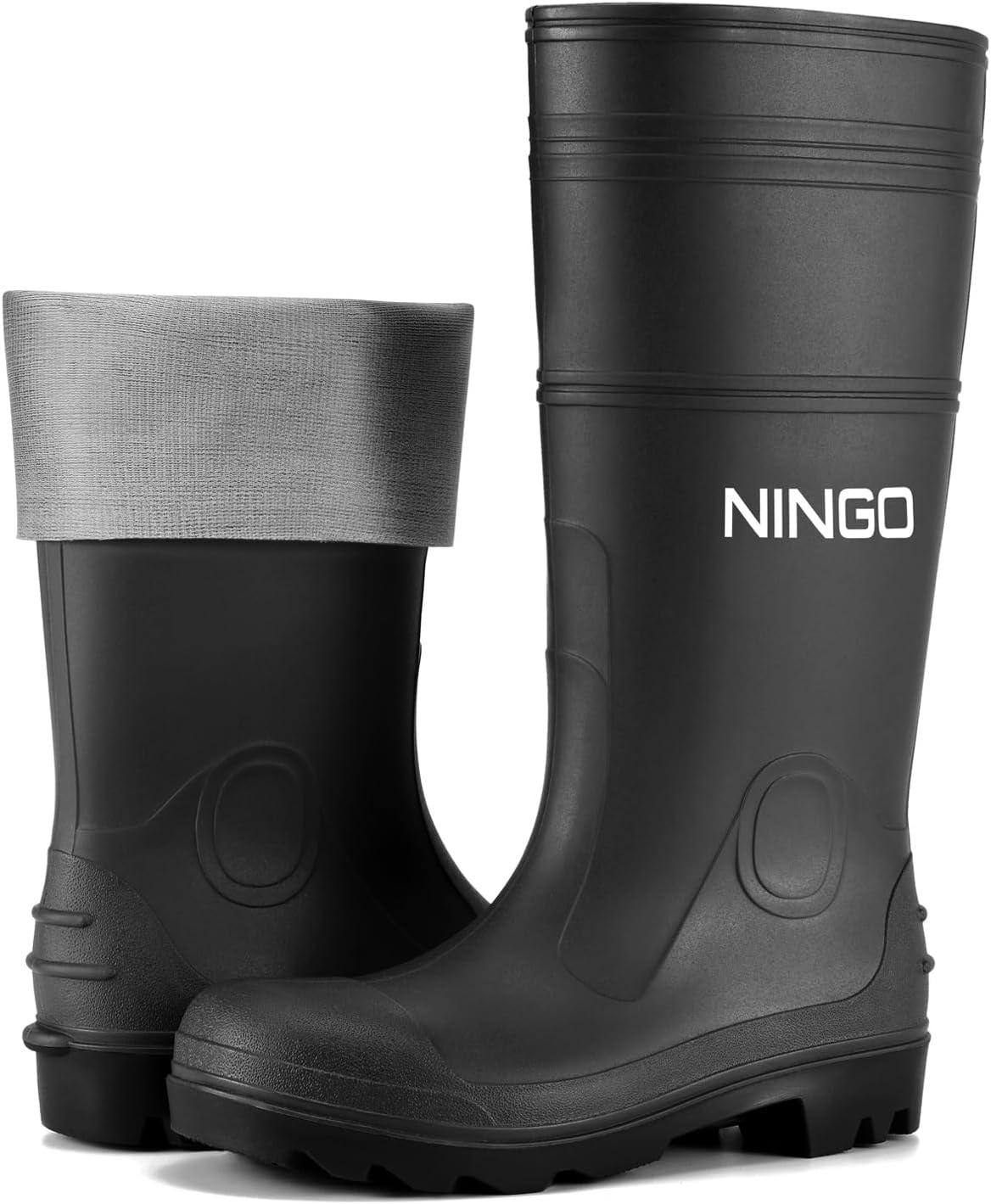
When we first pulled on the NINGO men’s Steel Toe Rain Boots, we weren’t stepping into a typical pair of rubber work boots-we were testing a promise. NINGO claims to blend safety with a touch of sophistication, wrapping steel-toe protection, waterproof PVC, and slip resistance into a boot that’s supposed to work as hard as we do in the field, on the jobsite, or by the water’s edge.
Over the past few weeks,we’ve worn these boots through wet fields,slick concrete,muddy garden beds,and long,drizzly days outdoors. We’ve trudged through standing water,hauled gear across uneven ground,and stood for hours in conditions that usually make us painfully aware of what’s on our feet. With each step, we’ve been asking the same questions you probably have: Are these boots genuinely waterproof, or just “water-resistant” in marketing speak? Does the steel toe add real protection without turning every step into a chore? And can a budget-amiable rain boot actually hold up to agricultural and industrial work without feeling like a disposable piece of gear?
In this review, we’ll walk through our hands-on experiance with the NINGO Men’s Steel Toe Rain Boots-from comfort and fit to durability and traction-so you can decide whether they deserve a place by your back door, in your truck, or in your work locker.
Our first Impressions Wearing the NINGO Steel Toe Rain Boots
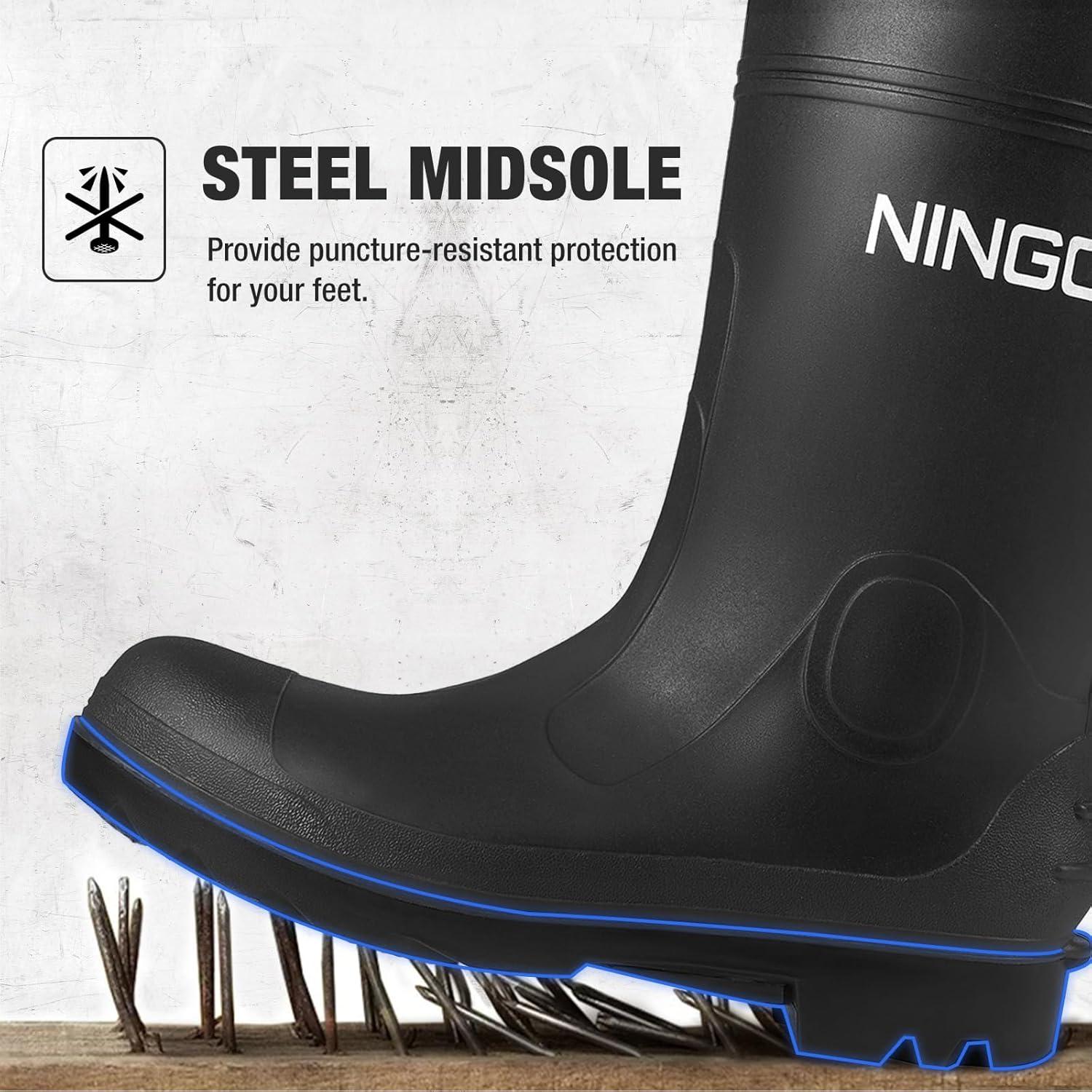
When we first pulled these boots out of the box, we were struck by how streamlined they looked for something built to take abuse on wet, muddy ground. The PVC shell felt thick yet surprisingly flexible in our hands, and slipping them on was easier than we expected thanks to the smooth inner lining and roomy opening.On our initial walk across damp grass, gravel, and a slick concrete floor, the traction was instantly noticeable-our steps felt planted, without that wobble we often get from cheaper rain boots. The steel toe didn’t feel bulky or awkward, and there was enough interior space for thicker work socks without creating pressure points on the top of the foot.
As we moved through a mix of tasks-hosing down equipment, hauling bags across wet soil, and standing in shallow puddles-the waterproof construction really showed its value. The upper and sole felt seamlessly bonded,so there were no obvious weak points where water could sneak in,and the boots maintained a light,balanced feel rather than dragging us down. Right away, a few practical details stood out:
- Secure grip on slick, muddy ground
- Cozy interior with room for work socks
- Reassuring toe protection without feeling clunky
- Easy to hose off ultimately
| First Wear Feel | supportive, not stiff |
| Weight | Light for a safety boot |
| Best Setting | Wet job sites & muddy yards |
| Standout Feature | Grippy sole in the rain |
Check the latest price and reviews on Amazon
Digging Into Design Durability and Protection in Tough Conditions
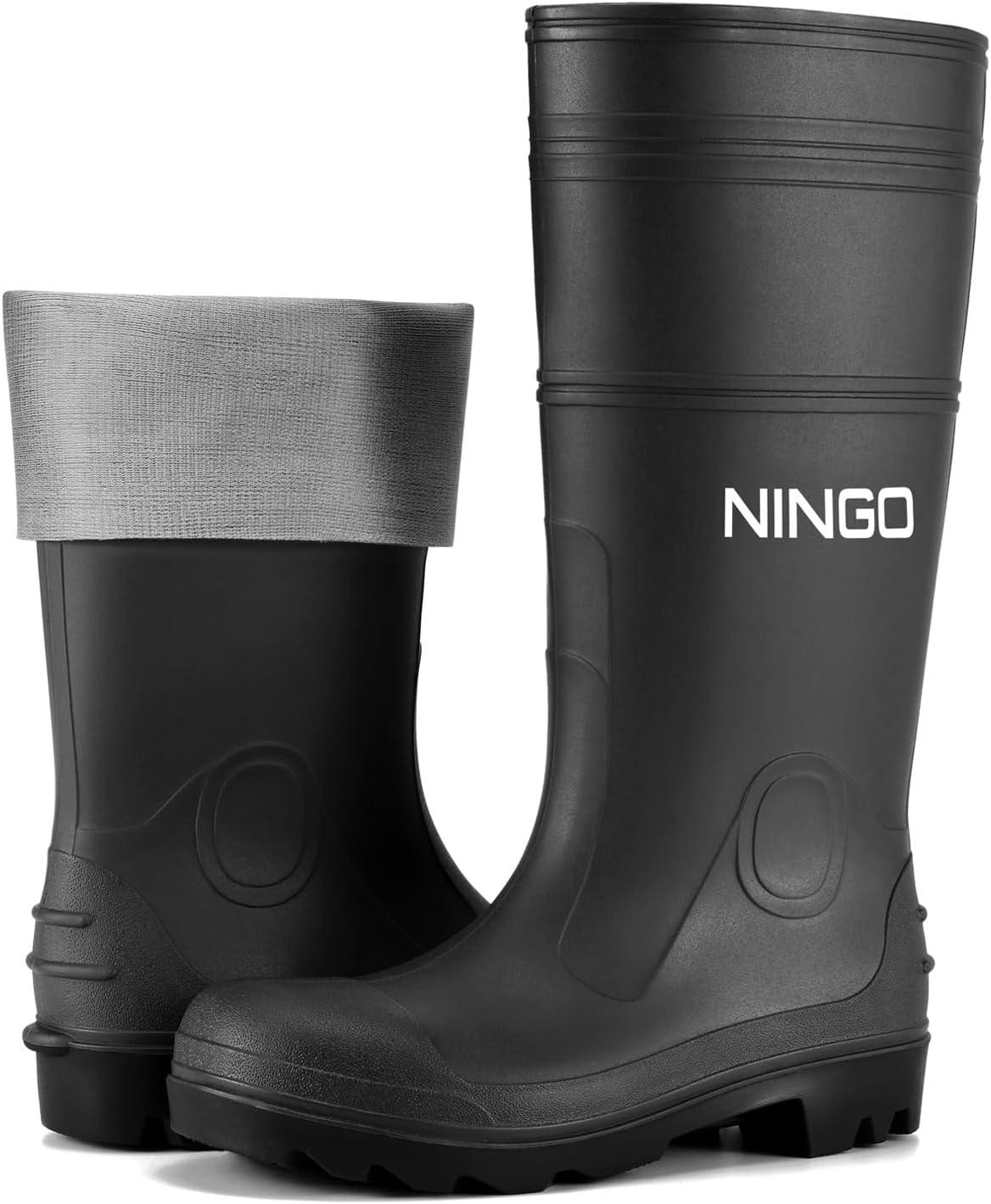
When we look closely at how these boots handle tough environments, it’s clear they’re built with abuse in mind rather than just occasional puddle-hopping. The seamless PVC shell keeps water out while also resisting scuffs and minor chemical splashes, which matters when we’re slogging through muddy fields or slick shop floors.The steel toe cap adds a reassuring layer of protection against dropped tools or shifting loads, and the overall structure feels rigid enough to shield our feet without turning every step into a chore. We also appreciate the way the shaft supports the ankle; it doesn’t feel overly stiff, but it keeps us steady when we’re climbing in and out of trucks or moving across uneven ground.
in terms of durability, the design choices come together in a way that suggests these boots are meant to be part of our regular rotation, not just a backup pair. The slip-resistant outsole grips well on wet concrete and muddy banks, and the puncture-resistant construction gives us confidence around debris, nails, or rough terrain. Little details help them wear better over time, like materials that wipe down quickly and don’t hold on to dirt. We can easily picture them pulling double duty in several roles:
- Agricultural work in wet fields and barns
- Industrial tasks on slick, messy floors
- Fishing and dock work where standing water is constant
- Backyard projects and heavy-duty gardening
| Condition | key Protection | Benefit |
|---|---|---|
| Wet & Muddy | Waterproof PVC | Feet stay dry all day |
| Impact Risk | Steel toe cap | Shields from heavy drops |
| Slippery floors | slip-resistant sole | Improved traction |
| Debris & Gravel | Puncture resistance | Extra underfoot safety |
Check current price and see all details on Amazon
Comfort Grip and Traction How These Boots Perform in Real-World Use
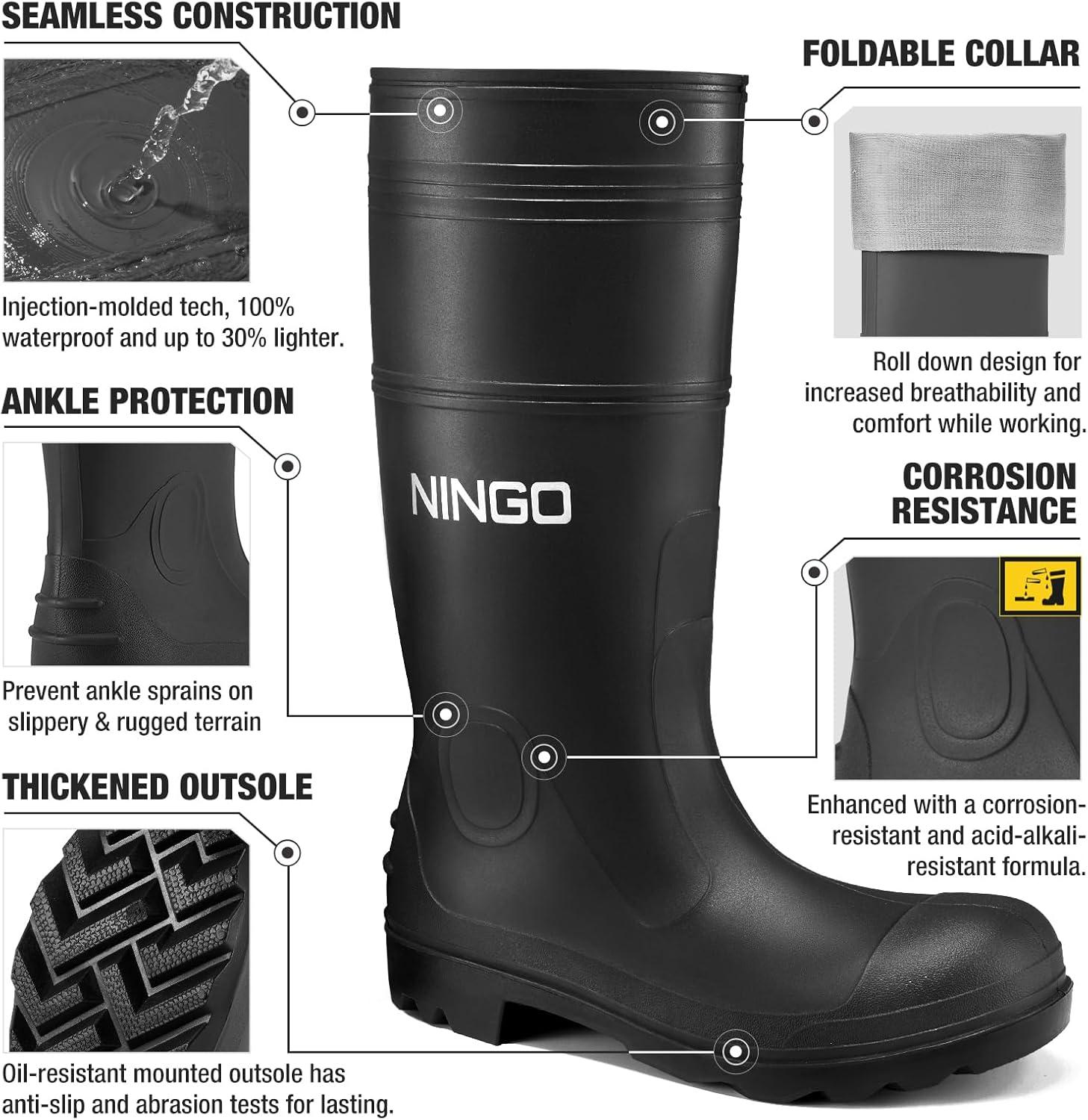
When we first slipped these on, the interior felt surprisingly balanced between structure and give. The shaft hugs the calf without that stiff,plastic feel,so we can crouch,climb,and walk for long stretches without digging or rubbing. The footbed has a modest cushioning that doesn’t feel squishy, giving us a stable platform while we move across gravel, wet soil, or concrete. Even during long days in the field or workshop, our feet stay locked in place rather of sliding forward, which helps reduce fatigue and blisters. The seamless PVC build keeps water from sneaking in at the usual weak points, so we can wade through puddles and muddy rows with dry socks at the end of the day.
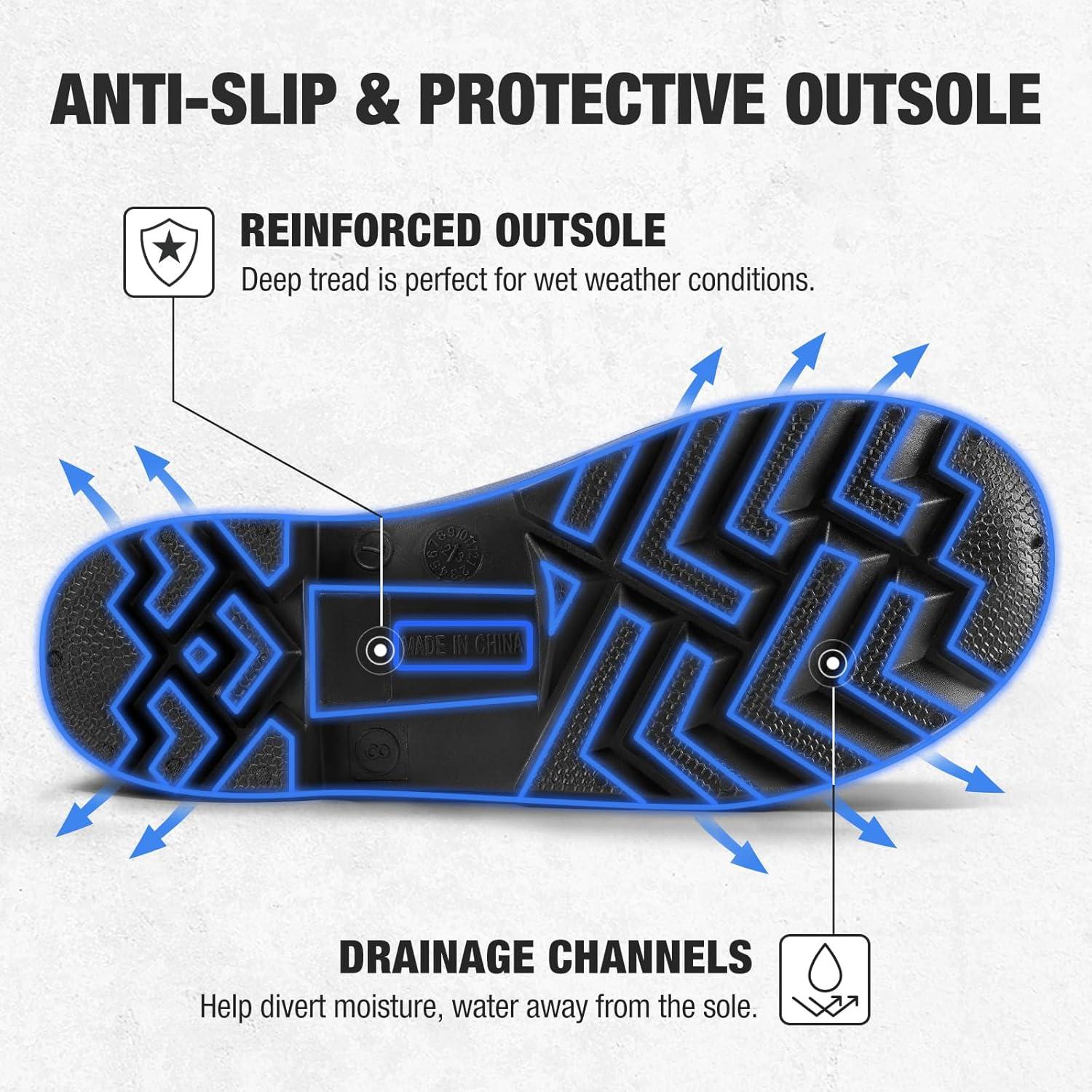
Where these boots really earn their keep is in the way the outsole grips under pressure. The tread pattern sheds mud quickly, so we don’t end up walking on a layer of packed sludge, and the slip-resistant design bites into slick surfaces like wet concrete, boat decks, and grassy slopes. In real-world use, that means fewer hesitant steps and more confidence when carrying loads or working around heavy equipment. We also appreciate the steel toe and puncture-resistant construction; nails, sharp stones, and stray metal scraps are far less of a worry when the soles and toe box are built to take a hit.
- Secure footing on wet, muddy, and uneven ground
- Comfortable interior that reduces rubbing and hotspots
- Stable support for long shifts in industrial or field settings
- Durable protection against impacts and sharp debris
| Condition | Grip Feel | Comfort Level |
|---|---|---|
| Wet concrete | Secure, minimal slip | Firm, supported |
| Mud & fields | Good traction, sheds mud | Flexible movement |
| Workshop floors | Stable, confident steps | All-day wearable |
Check current price and reviews on Amazon
Who These Boots Are Best For and How We Recommend Using Them
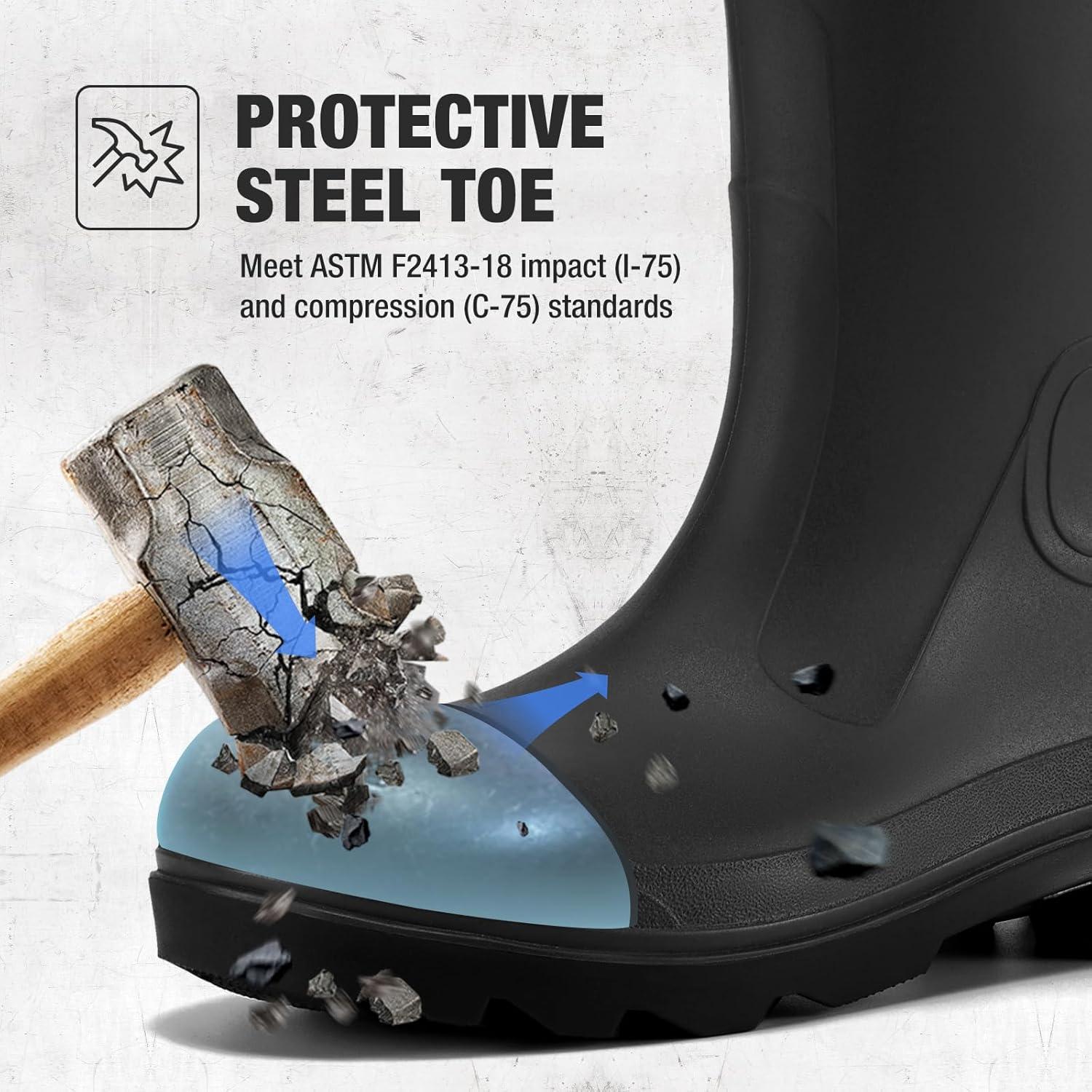
We find these boots especially well-suited for guys who split their time between rugged work sites and messy outdoor chores. They shine in environments like agriculture, light industrial work, construction, and landscaping, where slip resistance, toe protection, and waterproofing really matter. They also make sense for weekend jobs such as fishing, gardening, or tending livestock, when we don’t want to ruin more expensive leather footwear. Thanks to their seamless PVC build and steel toe, they offer a solid balance of protection and practicality without piling on unnecessary weight.
| Ideal Users | Recommended Use |
|---|---|
| Farm & ranch workers | Muddy fields,barns,pens |
| Construction crews | Wet slabs,debris-prone areas |
| Fishermen & dockworkers | Slick decks,shoreline work |
| Homeowners & hobby gardeners | Yard work,rainy-day projects |
in terms of how we recommend using them,we like to treat these as our go-to wet-weather and dirty-task boots. We’d pair them with cushioned,moisture-wicking socks for all-day wear,and keep them by the door or in the truck for speedy changes when the forecast looks rough. They’re best when we prioritize safety over style-think early-morning chores, slippery shop floors, or cleanup jobs after a storm. Used this way, they become a reliable, low-maintenance workhorse that we don’t mind hosing off and tossing back into the gear pile. If that sounds like what you need, you can check today’s price and availability here.
Customer Reviews Analysis
Customer Reviews Analysis
As we went through buyer feedback for the NINGO Men’s Steel Toe Rain Boots, a few clear themes emerged: comfort and protection are widely praised, everyday practicality gets strong approval, but there are recurring concerns about chemical odor and long‑term durability in some pairs.
Overall Sentiment at a Glance
| aspect | Customer Mood | Key Takeaway |
|---|---|---|
| Comfort & Fit | Mostly positive | Feels like “regular shoes” inside |
| Protection & Performance | Positive | Waterproof, non‑slip, good for messy jobs |
| Smell / Materials | Mixed to negative | Strong PVC/chemical odor in some pairs |
| Durability | Mixed | One report of cracking at top of boot |
| Value for Money | positive | Viewed as a good deal for work boots |
Comfort and Fit: “Regular Shoe Feel” Inside
A striking pattern in the reviews is how often people talk about comfort. Users describe the interior as cushioned and “not hard,” with a feel closer to standard shoes than to stiff industrial boots. Several comments highlight how easy they are to slip on and off, which matches our own experience when moving between indoor and outdoor tasks.
Sizing feedback leans positive: customers mention a “fits just right” feel, while still leaving “just enough room for thick socks.” That’s important for us, since we often layer socks in cold or wet conditions. We also see these boots used across a range of activities-yard work, muddy backyards, walking through hay and dirt-without complaints about chafing or fatigue, suggesting the comfort holds up over a typical workday.
Protection, Grip, and Real‑World Use
When we look at how people actually use these boots, the scenarios line up closely with our own: wet job sites, muddy farms, hay fields, and general outdoor chores.Reviewers report that the boots keep feet dry-“waterproof” shows up more than once-and they call out the steel toe and slip resistance as useful safety features for work environments.
One review explicitly mentions walking through “farm poo” and notes that the boots clean up easily and have “no leaks so far,” which speaks to both waterproofing and maintenance. another user,an electrician on a ground‑up construction site,is clearly confident enough to put them straight into service once the rain and mud hit. We also see appreciation for the fold‑down shaft, which adds some flexibility: up for full protection, down for quick yard runs.
Odor Issues: The Most Serious Complaint
Not all feedback is positive. The most serious and consistent negative theme involves a strong chemical or PVC smell. At least two reviewers describe the odor as “brutal” or “unwearable,” even after multiple washes with soap and detergents and weeks of airing the boots outside.
This isn’t a minor cosmetic issue; for those buyers, the smell is strong enough to keep the boots out of the house altogether. While not every review mentions odor, the intensity of the complaints suggests batch variability or quality control issues in the manufacturing or curing process. For us, that means factoring in the possibility that we might need to air them out thoroughly-or even exchange a pair-if we run into the same problem.
Durability Concerns: Is Cracking a One‑Off?
Most comments imply that the boots feel solid and “seem made well,” and they’re praised for withstanding mud, wet fields, and general rough use. However,one reviewer reports that the top of the boot cracked and started letting water in. On a waterproof work boot, that’s a deal‑breaking failure.
Because we’re only seeing a single explicit report of cracking, we can’t say this is a universal issue, but it does raise a flag. For anyone planning to use these daily in tough agricultural or industrial settings,we’d want to keep an eye on flex points at the top and around the ankle over time.
Use Cases: Who Seems happiest With These Boots?
| User Type | How They Use Them | Reported Experience |
|---|---|---|
| Electrician | Muddy, rainy job site | Comfortable, ready for site work |
| Homeowner / Gardener | Muddy backyard, cold weather | Warm, dry, easy to slip on and off |
| Farm / Yard Work | Hay, mud, farm waste | Comfortable, easy to clean, no leaks |
| Industrial Worker | Jobsite safety | Liked for steel toe & non‑slip sole |
| Odor‑Sensitive Users | General wear | Some find boots unusable due to smell |
Value for Money
several reviewers mention the “great price” and describe the purchase as a good deal for what they get: waterproofing, steel toe protection, cushioning, and slip resistance. Users are putting these boots into real work-yard help for a son, day‑to‑day job use for a husband, field walking-and feel the cost aligns well with the performance, provided that they don’t run into odor or cracking issues.
Our Take Based on the Crowd
Putting all of this together, the crowd consensus paints the NINGO Steel Toe Rain Boots as comfortable, practical, and effective for mud, water, and everyday work, with real steel toe and slip‑resistant benefits. Though,we can’t ignore the reports of severe chemical odor and the isolated cracking issue. For our own work, we’d approach them as strong contenders for budget‑friendly, heavy‑use rain boots-but we’d be ready to return or exchange them quickly if we got a pair from a “smelly” or less durable batch.
Pros & Cons
Pros & Cons of the NINGO Steel Toe Rain Boots
After putting the NINGO Men’s Steel Toe Rain Boots through a mix of wet job sites, muddy garden rows, and a few long, soggy commutes, here’s how they stacked up for us.
Pros
- Serious waterproofing: The seamless PVC shell kept our feet wholly dry in standing water, heavy rain, and deep mud.
- Protective steel toe: We felt confident around pallets, tools, and stray bricks; the toe cap meets the basic expectations for industrial and farm work.
- Puncture- and slip-resistant sole: The outsole gripped well on wet concrete, dock ramps, and slick soil, reducing those heart‑stopping slips.
- Easy to hose off: Mud, fertilizer, and fish scales came off quickly with a spray from the hose-great for end‑of‑shift cleanups.
- Lightweight for a steel‑toe boot: For a safety rain boot, they didn’t feel like anchors on our feet during long walks between sites.
- Practical for multiple roles: We used the same pair for gardening, light construction, and fishing trips without needing separate boots.
- Affordable safety option: Considering the 4.3‑star rating and the level of protection, they deliver solid value for the price.
Cons
- Breathability is limited: Like most PVC rain boots, our feet got warm and a bit sweaty during long indoor shifts.
- Fit can feel loose: The shaft and ankle area are roomy; we had to pair them with thick socks or insoles for a more locked‑in feel.
- Flex and comfort are basic: The boot is more protective than plush; on all‑day concrete work, we wanted extra cushioning.
- Style is utilitarian: They look like straightforward work rain boots-function over fashion,despite the brand’s elegance messaging.
- Not ideal for extreme cold: With no insulation, our feet got chilly in low temperatures unless we doubled up on socks.
At a Glance
| Feature | Our Take |
|---|---|
| Waterproofing | Excellent in heavy rain and mud |
| Safety | Steel toe + good traction |
| Comfort | Decent, better with insoles |
| Breathability | Warm; best for cooler, wet days |
| Best Use | Agriculture, light industrial, garden, fishing |
Q&A
Q&A: What We Learned Testing the NINGO Steel Toe Rain Boots
Q1: Are these boots actually comfortable for a full workday?
we were prepared for “brick feet,” but they surprised us. The steel toe adds some front heaviness, yet the boots felt reasonably light for safety footwear. With decent socks, we made it through full shifts in wet conditions without hotspots or rubbing. They’re not plush like hiking boots, but for PVC work boots, the comfort is solid.
Q2: How waterproof are they in real use?
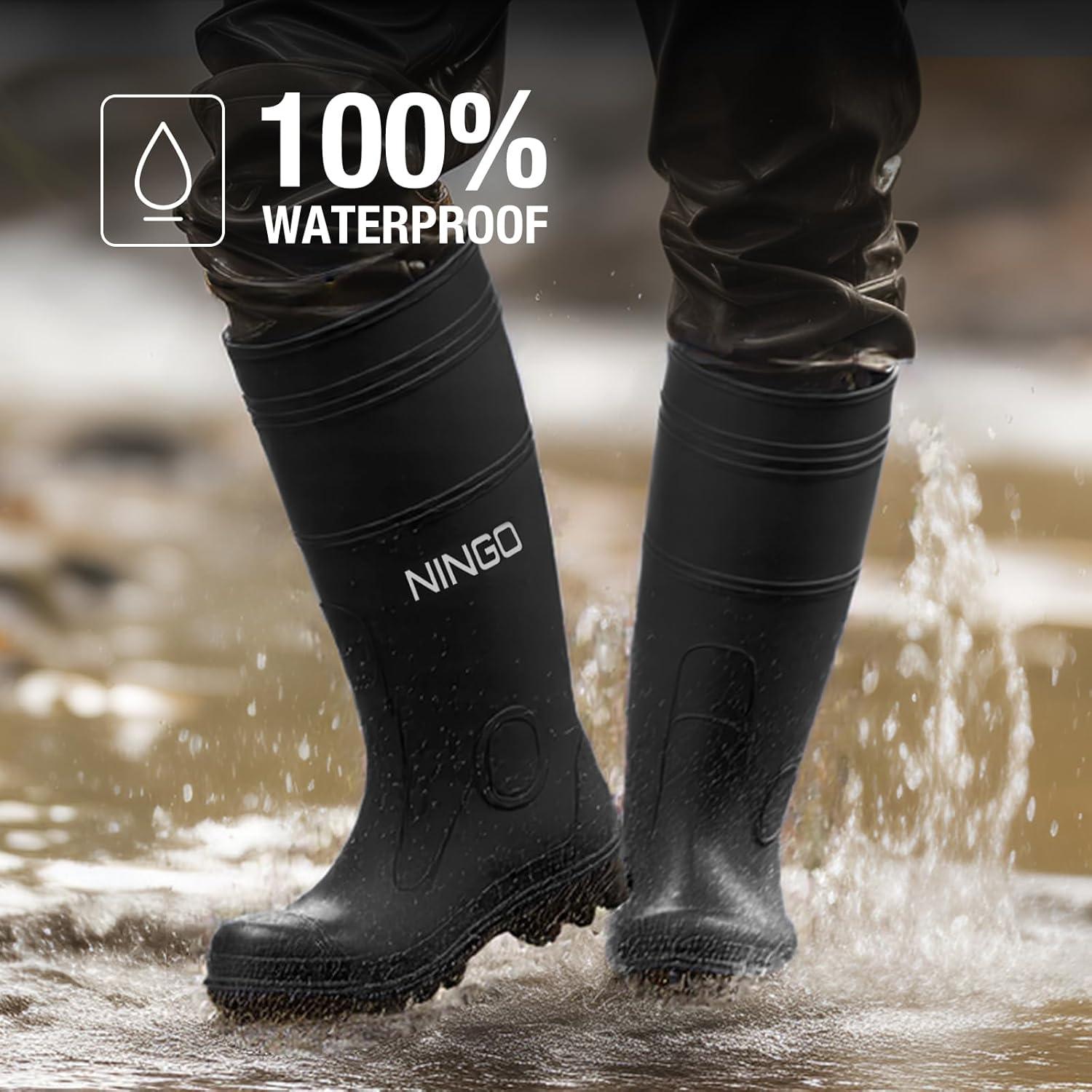
We stood in puddles, walked through wet grass, and hosed equipment down-our feet stayed completely dry. The seamless PVC construction did its job: no leaks at the sole, no seeping around the toe. As long as we didn’t step in anything deeper than the shaft height, we remained dry.
Q3: Does the steel toe feel protective enough?
Yes. We tested with dropped tools, small pieces of lumber, and general workshop hazards.The steel toe absorbed the impacts well and gave us the confidence we expect from industrial-rated boots. We wouldn’t use them for extreme heavy rigging, but for agriculture, light construction, and industrial environments, the protection felt appropriate.
Q4: How do they perform on slippery surfaces?
Better than we expected from PVC soles. On wet concrete, muddy ground, and damp grass, traction was reliable. We still had to respect oily patches and clay-like mud, but the slip resistance clearly reduced the “skating rink” feeling we sometimes get with cheaper rain boots.
Q5: Are they suitable for both agriculture and industrial work?
In our experience, yes. On the agriculture side, they handled manure, mud, and wet fields without absorbing moisture or odors. For industrial use, the steel toe and slip-resistant sole held up in workshops and on site. We’d call them a versatile “one-boot” option for anyone bouncing between yard, field, and shop.
Q6: how do they hold up for fishing and gardening?
For shore fishing and around docks, the waterproofing and grip made them a good fit.For gardening, they were easy to hose off and didn’t trap wet soil in seams.We liked that we could move from garden beds to the shed and then to the driveway without switching shoes.
Q7: Are they heavy or bulky to walk in?
They’re bulkier than regular rubber garden boots but lighter than many traditional work boots with steel toes. Walking down ladders, across gravel, and over uneven ground was manageable. We noticed the presence of the steel toe but didn’t feel dragged down by it.
Q8: How is the sizing and fit?
On our feet, the sizing ran close to standard men’s work boot sizing. With medium-weight socks,the fit felt secure without being tight. There’s enough room in the toe box for the steel cap not to press on the toes. If we were planning to wear thick winter socks regularly,we’d consider going up half a size.
Q9: Do they breathe at all, or do our feet get sweaty?
Like most waterproof PVC boots, breathability is limited. On warm days, our feet did get sweaty over long stretches. On cooler, wet days, they were quite comfortable. We found moisture-wicking socks helped a lot with overall comfort.
Q10: Are they easy to clean and maintain?
Yes. Most of the time,a quick hose-down and a wipe took care of mud and grime.The smooth, seamless surface doesn’t trap much dirt. We let them air dry upside down, and they were ready for the next round.
Q11: do they look as “stylish” as NINGO claims?
They’re still work boots,not runway shoes. But within the world of safety rain boots, they do look cleaner and more streamlined than many clunky alternatives. If we have to show up looking somewhat presentable in wet conditions, we’re not embarrassed to be wearing them.
Q12: How durable do they seem over time?
In our testing window, they showed no cracking, splitting, or peeling. The soles didn’t round off quickly, and the upper material stayed flexible.For long-term durability over years of use, we’d need more time, but early signs point to solid construction for the price.
Q13: Are they worth it compared to ordinary rubber rain boots?
If we just needed something for occasional light yard work, regular rubber boots might be enough. But if we’re dealing with tools, equipment, heavy objects, or slick floors, the steel toe and slip resistance give these a clear advantage. For people who cross that line between “garden chores” and “real work,” they justify the upgrade.
Q14: Who would we recommend these boots to?
We’d recommend them to:
- Farmers and ranch workers dealing with mud and livestock
- Warehouse and industrial workers in wet or wash-down areas
- Landscapers and gardeners who move around heavy tools
- Fishermen and dock workers needing waterproof safety footwear
In short, to anyone who needs rain boots that don’t give up on protection the moment things get serious.
Unlock Your Potential
testing the NINGO Men’s Steel Toe Rain Boots reminded us that work boots don’t need to be complicated to be effective. They just need to keep us dry, protect our toes, and stay upright when the ground gets unpredictable. These boots manage to balance practical safety features with a straightforward, no-fuss design that suits our kind of everyday work outdoors.
They won’t be for everyone-especially if someone needs an ultra-heavy-duty boot for extreme conditions-but for regular agricultural tasks, light industrial work, gardening, and long, wet days in the field, they held up respectably in our use. We appreciate that NINGO leans into both safety and appearance, even if function clearly takes the lead here.If you’re considering a pair of waterproof steel toe boots for work, and you value a mix of protection, grip, and simple reliability, these might be worth adding to your shortlist.
Want to check them out for yourself?
Click here to view the NINGO Men’s Steel Toe Rain Boots on Amazon.