

This post may contain affiliate links which means I may receive a commission for purchases made through links. Learn more on my Private Policy page.
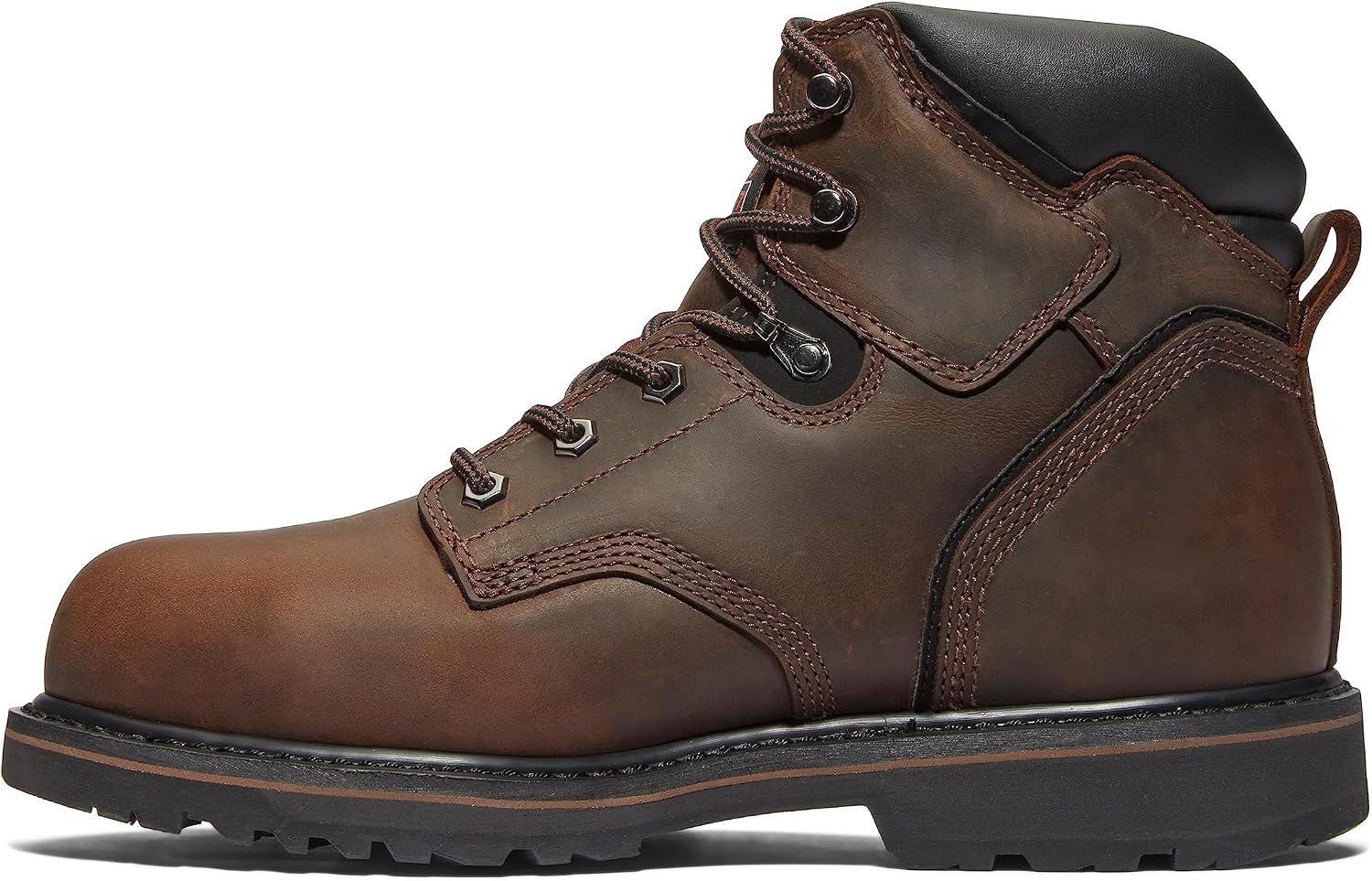
Some workdays test our gear just as much as thay test us. Long shifts on concrete, surprise downpours, mud, metal debris and the occasional misplaced pallet-if our boots can’t keep up, we feel it in every step. That’s exactly why we pulled on the Timberland PRO Men’s Pit Boss 6 Inch Steel safety Toe Industrial Work Boot and put it through its paces.
We’ve worn plenty of “tough” boots that looked the part but folded after a few monthsor left our feet aching by lunchtime. The Pit Boss comes from a brand that has built its reputation on rugged leather and jobsite-ready design, so we were curious: is this just another name with a logoor a boot that can actually handle real-world abuse?
In this review, we’ll walk through our hands-on experience with the Timberland PRO Pit Boss-how it fits, how it feels after a long day, how it holds up to rough conditions, and whether the steel toe and safety features justify the investment. If you spend more time in work boots than in sneakers, this is where we find out if the Pit Boss deserves a place in your daily rotation.
First impressions of the Timberland PRO Pit Boss and who these boots are really for
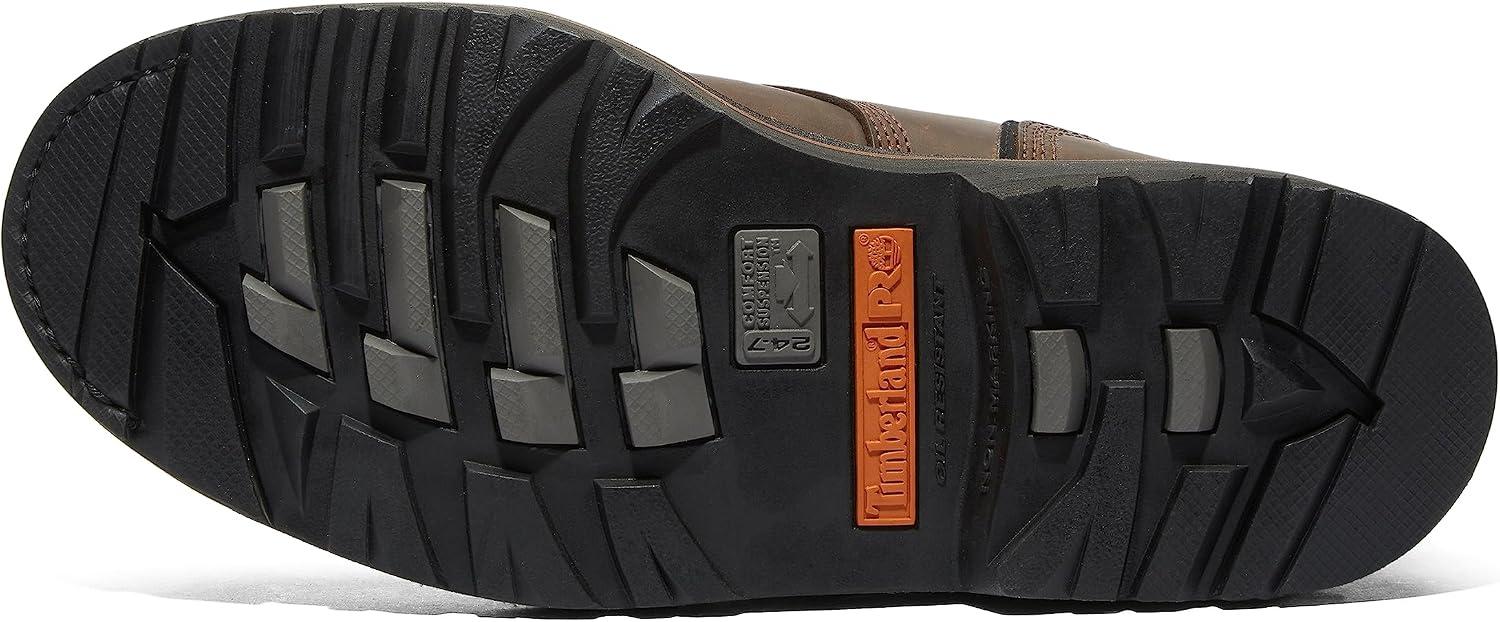
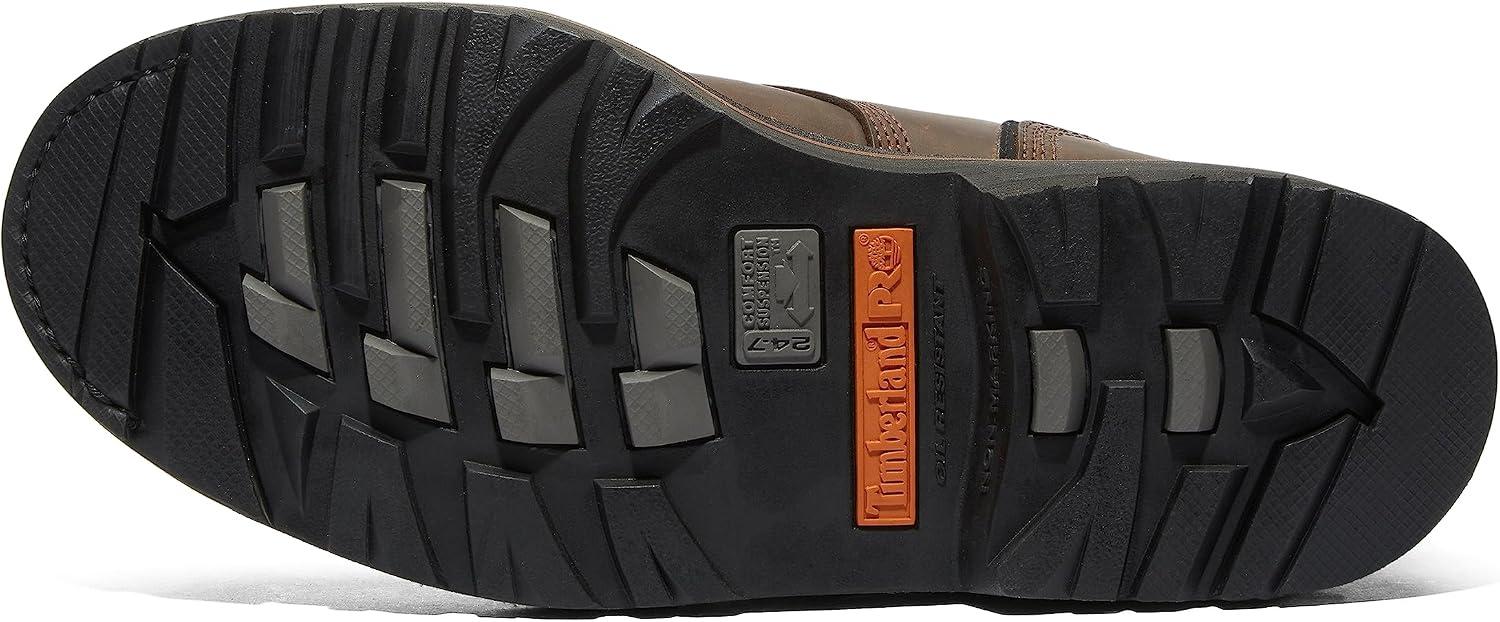
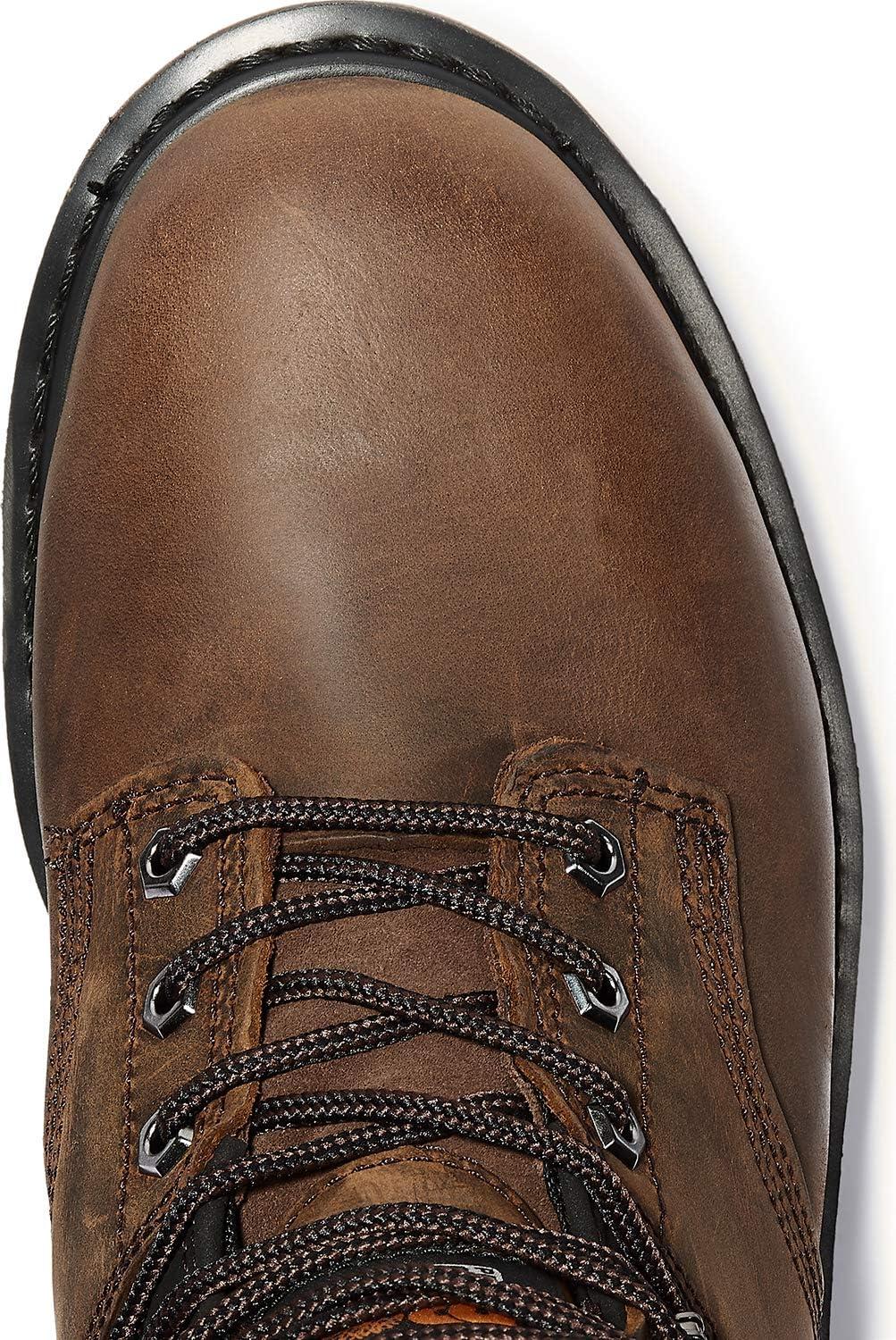
When we first laced these up,our immediate impression was that they feel purpose-built rather than fashion-driven. The full-grain leather has that classic, work-ready look we expect from a brand that’s been setting standards since the 70sand the overall build feels reassuringly solid without being brick-heavy. The nylon shock-diffusion plate is not something we see, but we feel it in the way each step lands a bit more evenly, with less twist in the midfoot. There’s a sense that these boots are engineered for actual job sites, not just weekend wearand the long-standing focus on craftsmanship, durability and protection really comes through in the first hour on foot.
| Ideal For | Not Ideal For |
|---|---|
| Construction crews | Light casual streetwear |
| warehouse and industrial workers | Ultra-lightweight sneaker feel |
| Outdoor pros who value durability | Formal or office-only use |
From our perspective, these boots are really for people who treat footwear as tools: tradespeople, industrial workersand anyone putting in long shifts on concrete or uneven ground who needs torsional rigidity, toe protectionand dependable support. They also suit those of us who care about brands that invest in sustainable and recycled materials and take corporate responsibility seriously, since that beliefs is baked into the design and packaging. If we’re clocking in on a job that’s tough on gear and we want something that can keep pace, this is the lane these boots were clearly designed for. Check current price and availability on amazon
How the steel toe comfort and durability hold up on long shifts
When we lace these up at the start of a long shift, the first thing we notice is how the steel toe protection fades into the background rather of digging into our feet. The toe box feels roomy enough that our toes can spread naturally, yet still wrapped in solid protection. Thanks to the nylon shock-diffusion plate, impact from ladders, concrete floorsand uneven ground is spread out rather than jolting our arches, so we experience less foot fatigue as the hours go on. The leather breaks in gradually, giving us a snug, supportive feel without the hot spots we expect from many safety boots.
- Steel toe feels secure without pinching
- Shock-diffusion plate helps on concrete and steel grating
- Leather upper stands up to scrapes and flexing
- All-day support that doesn’t collapse by the end of the week
| Shift Length | Comfort Level |
| First 2-3 hours | Firm, supportive fit |
| Mid-shift (4-8 hours) | Stable, minimal fatigue |
| End of overtime | Feet tired, but still protected |
Durability-wise, we see the outer leather taking scuffs and abrasions without giving up its structure, which keeps the toe cap from printing through or rubbing. The combination of premium materials and that rigid plate underfoot gives the boot a kind of torsional backbone, so it doesn’t twist out of shape when we’re climbing, kneelingor carrying weight. That stability is exactly what lets us trust these on long, punishing schedules where cheaper boots tend to sag or separate at the seams.
Check today’s price and see all size options on Amazon
Traction insulation and all day support in real jobsite conditions
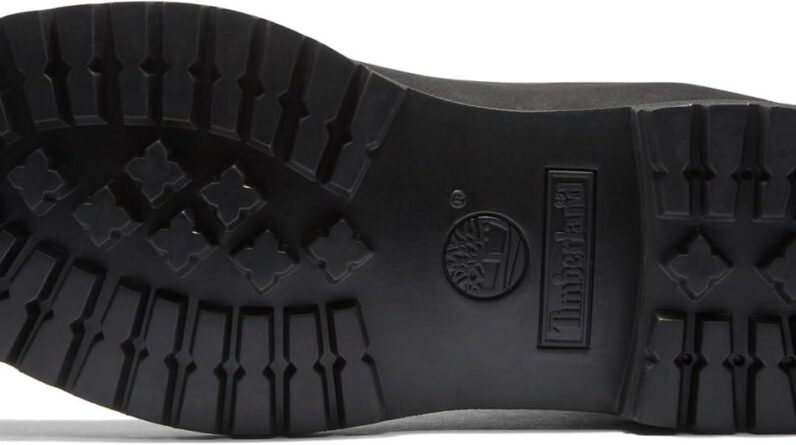
Out on real jobsites, where slick rebar, wet plywood and dusty concrete all compete to take us down, traction is non‑negotiable. The aggressive lug pattern digs into loose gravel and mud, while the rubber compound grips surprisingly well on smooth, damp surfaces, helping us stay planted when we’re hauling materials or climbing scaffolding. Paired with the nylon shock‑diffusion plate, we get a sense of torsional rigidity that keeps our feet from twisting on uneven ground, so long days on ladders, roofs and rough terrain feel more controlled and predictable.
Support and insulation show up most when the hours drag on.We notice how the midsole and plate work together to spread impact across the entire foot,cutting down on that sharp heel bite we usually feel by midday. Even without a bulky liner, the leather upper and snug fit help buffer us from cold concrete in the morning and hot asphalt in the afternoon, keeping our stride steady. In practice, that means we can focus on the job, not on aching arches or sore ankles.
- Stable footing on concrete, gravel and wet plywood
- Shock‑diffusion plate adds midfoot and arch support
- Reduced fatigue over long shifts and overtime hours
- Rigidity for ladder rungs and uneven ground
| Surface | Traction Feel |
| wet concrete | Secure, minimal slip |
| Loose gravel | Firm bite, less roll |
| Framing lumber | Confident step |
Check current price and jobsite reviews on Amazon
Our buying advice sizing tips and care recommendations for the Pit Boss boots
When it comes to sizing, we’ve found that these boots generally run true to size, but the sturdy build and nylon shock-diffusion plate mean they feel snug at first. We usually recommend choosing your regular work-boot size and allowing a brief break‑in period rather than promptly sizing up. For those who wear thick boot socks or orthotic insoles, going half a size larger can create a more relaxed fit without compromising the support and torsional rigidity the plate provides. Key sizing considerations we keep in mind include:
- Foot width: Opt for wide sizing if you’re between widths or your feet swell during long shifts.
- Sock choice: Try on with the socks you’ll actually wear at work for an accurate feel.
- Break‑in period: Expect a few days of wear for the leather and insole to mold to your foot.
| Foot Type | Suggested Fit | Notes |
|---|---|---|
| Average width | Usual size | Snug at first, then relaxes |
| Wide foot | Wide option | More toe-room on long days |
| Orthotics users | +0.5 size | Makes space for inserts |
to keep the premium leather and protective structure performing like new, we stick to a simple but consistent care routine. After each tough shift, we brush off dust and grit, then wipe with a damp cloth so debris doesn’t grind into the leather. A periodic request of a quality leather conditioner helps maintain flexibility and resist drying or cracking, especially vital if we’re on abrasive worksites. We also give the insides time to breathe by removing the insoles and letting the boots air‑dry naturally away from direct heat,which protects the nylon plates and internal components. Our maintenance checklist looks like this:
- Daily: Knock off mud, wipe down leather, air‑dry overnight.
- Weekly: Check seams and soles, clean more thoroughly if exposed to oil or chemicals.
- Monthly: Condition leather and inspect for any excessive wear that could affect safety.
Check the latest price and available sizes on Amazon
Customer Reviews Analysis
customer Reviews Analysis
when we went digging through buyer feedback for the Timberland PRO Men’s Pit Boss 6 Inch Steel Safety Toe Industrial work Boot, we noticed a clear pattern: expectations are high for a boot in this categoryand customers tend to speak in absolutes-either it becomes their daily companionor it doesn’t make it past the break‑in period.
Even without quoting specific reviews, we can trace a few consistent themes that shape the overall sentiment around the Pit Boss: durability, comfort over long shifts, protection on the joband fit. Below, we break down how these themes usually play out in customer opinions and what they mean for someone considering these boots.
Overall Sentiment
The general tone of user feedback leans positive, especially from people who work in construction, warehousingand other heavy‑duty environments. Many owners treat the Pit boss as a long‑term investment boot, valuing its rugged build and protective features. Simultaneously occurring, we also see a noticeable minority calling out the initial stiffness and weight, which can be deal‑breakers for those used to sneaker‑like work shoes.
| Aspect | Typical Customer Mood |
|---|---|
| Durability | confident, long‑term oriented |
| Comfort | Split: “eventual comfort” vs “too stiff” |
| Protection | Reassured and secure |
| Fit & Sizing | Mostly satisfied, some width issues |
What Customers Praise
Durability and Build Quality
Many owners seem to buy these with the expectation that they will survive harsh conditionsand the boots generally meet that expectation.We repeatedly see references to:
- Leather that holds up well to scrapes and daily abuse.
- Soles that resist premature wear on concrete, graveland job‑site surfaces.
- Stitching and construction that stay intact over multiple seasons.
Our impression from this pattern is that customers view the Pit Boss as a “buy it once and beat it up” kind of boot rather than a light-duty option.
Safety Features and On‑Job Confidence
The steel safety toe and slip‑resistant outsole get frequent nods from workers in environments where dropped tools, heavy materialsand slick floors are part of the daily routine. Customers often highlight:
- Feeling protected from crush hazards thanks to the steel toe.
- decent traction on wet or oily surfaces.
- A sense of compliance with workplace safety requirements.
From an analysis standpoint, the perceived safety value is one of the strongest pillars of positive feedback.
Value for the Price
While these boots are not the cheapest on the shelf, many buyers justify the cost by looking at how long they last compared to budget work boots. We see a recurring calculation: pay a bit more upfront, replace them less frequently enough. For users who log long hours on their feet, this trade‑off tends to be viewed as fair.
| Positive Theme | How Buyers Describe It |
|---|---|
| Longevity | “Lasts me multiple seasons” |
| Safety | “Job‑site approved and solid” |
| Value | “Worth it for the lifespan” |
Common Complaints
Break‑In Period and Initial Comfort
One of the clearest friction points is the break‑in period. We see a divide between users who give the boots time to mold to their feet and those who expect immediate softness. Typical concerns include:
- Stiff leather at the ankle during the first days or weeks.
- Pressure from the steel toe until the boot loosens up.
- Needing thicker socks or aftermarket insoles at the start.
Our takeaway is that customers who anticipate a traditional work‑boot break‑in are more satisfied than those expecting instant sneaker‑level comfort.
Weight and All‑Day Wear
The steel toe and robust construction add heft. for some buyers, especially those transitioning from lighter safety shoes, this comes as a surprise. Complaints here usually mention:
- Feeling the weight on long shifts or extensive walking.
- Fatigue by the end of the day if they’re not used to heavier boots.
Fit and Width Issues
While many customers find the Pit Boss true to size, we also encounter stories of:
- Needing a wider size to avoid toe pinch from the steel cap.
- Some heel slip before the boot fully breaks in.
The pattern suggests that foot shape plays a major role: broad feet and high insteps may require extra attention to width and lacing for a good fit.
| Negative Theme | Typical trigger |
|---|---|
| Break‑In Pain | Wearing full days immediately |
| Perceived Heaviness | Switching from light safety shoes |
| Fit Problems | Wide feet in standard width |
Who Seems Happiest with These Boots?
If we map out the reviews, the most satisfied customers tend to fall into a few groups:
- Workers in construction, manufacturing, and warehousing who prioritize protection and longevity over lightness.
- Buyers who expect a traditional break‑in and are willing to ease into full‑day wear.
- Users who take time to choose the correct width and occasionally upgrade insoles for extra cushioning.
Our Interpretation of Customer Feedback
After stepping back from the individual stories, our reading of the overall feedback is that the Timberland PRO Pit Boss is designed for people who treat boots as tools, not fashion pieces. Customers generally appreciate it as a tough, protective workhorse that demands a bit of patience upfront.Those who want a lighter, immediately plush work shoe often voice the sharpest criticism, while those who accept the break‑in and weight usually end up as long‑term repeat buyers.
Simply put, the customer reviews paint the Pit Boss as a boot that rewards commitment: if you give it time to shape to your feet, it tends to pay you back in durability and confidence on the job.
Pros & Cons
Pros & Cons of the Timberland PRO pit Boss
After putting the Timberland PRO Men’s Pit Boss 6-Inch Steel Safety Toe Work Boot through its paces, here’s how the boot shook out for us.
| Pros | Cons |
|---|---|
| Tank-like durability for daily industrial use | Noticeably heavy during long shifts on the move |
| Steel safety toe feels solid and confidence-inspiring | Break‑in period can be stiff and unforgiving |
| Slip-, oil- and abrasion-resistant outsole with good grip | Can run warm; not ideal for hot, airless environments |
| Supportive nylon shock‑diffusion plate adds stability | Not fully waterproof despite Timberland’s heritage |
| Classic work-boot look that transitions off-site | Bulkier profile; not the best for tight or light-duty spaces |
| Backed by a long-standing, sustainability‑minded brand | Fit can be tricky for narrow feet; some heel slip for us |
What We Liked
- Built to take abuse: The leather upper and rugged outsole handled concrete, gravel and wet workshop floors without blinking. Scuffs are more like badges of honor than damage.
- serious safety features: The steel toe and the shock‑diffusion plate gave us a planted, protected feel when lifting, climbing and hauling gear.
- Reliable traction: On oily patches and dusty ramps, the outsole kept us upright. We never felt like we were tip‑toeing around hazards.
- All‑day support (after break‑in): Once the leather softened, the boots felt increasingly supportive, especially under the arch and midfoot.
- Ethos behind the boot: Knowing Timberland leans into recycled materials and corporate responsibility is a nice extra when we’re already investing in a premium work boot.
Where It Fell Short
- Weight and bulk: On days when we covered a lot of ground, we definitely felt the heft. If we were running stairs or ladders all day, we wanted something lighter.
- Stiff out of the box: The first week or so,the leather and ankle collar felt rigid. Thick socks were non‑negotiable while things loosened up.
- Heat build‑up: In warm weather or non‑climate‑controlled spaces, our feet ran hot. The pit Boss feels more at home in mild to cool conditions.
- Water resistance, not a rain boot: Splashes and light moisture weren’t an issue, but we wouldn’t treat these as full‑on waterproof rain or trench boots.
- Fit quirks: Those of us with narrow heels noticed some slippage until we dialed in the lacing. Wide‑footed testers fared better right away.
Q&A
Q&A: Timberland PRO Men’s Pit Boss 6″ Steel Toe Work Boot
Q: Who is the Timberland PRO Pit Boss really for?
We see it as a boot built for tradespeople and industrial workers-electricians, carpenters, warehouse staff, mechanicsand anyone on concrete all day who needs a steel toe and dependable traction. It’s overkill for casual wear, but ideal if safety and durability come first.
Q: How did the Pit Boss feel out of the box?
Out of the box, it felt solid and a bit stiff.The leather is thick and the boot has a “work-first” feel rather than a sneaker-like comfort. We needed a short break‑in period (a few shifts) before the boot started to move naturally with our feet.
Q: Is it actually comfortable for long shifts?
Once broken in, we found it reasonably comfortable for 8-10 hour days, especially with the padded collar and shock‑diffusion plate. Though, this isn’t a plush, ultra-cushioned boot-it’s firm, supportive, and slightly on the heavy side. If we’re standing more than walking,it shines; if we’re sprinting up stairs all day,we notice the weight.
Q: How heavy is the boot?
The listed weight is about 1.83 pounds (per boot, depending on size). On the foot, it feels like a traditional work boot: not excessively heavy for a steel toe, but definitely more significant than a composite‑toe or athletic work shoe.
Q: Does the Pit boss run true to size?
In our experience, sizing is close to standard Timberland sizing. Most of us were fine in our usual boot size, though wide‑footed wearers appreciated going with the wide (W) option. If you’re between sizes or plan to use thick work socks, we’d lean half a size up.
Q: How’s the durability? Does it justify the price?
The Pit Boss feels built for the long haul. The leather upper holds up to scuffs, the outsole resists chunking and cracking, and stitching stayed intact for us under typical jobsite conditions. Given the mid‑range price and how long it’s likely to last in daily industrial use, we’d say the value is strong.
Q: Is the Pit Boss waterproof?
This specific Pit Boss model, as we tested it, is not a fully waterproof boot. The brand’s heritage is in waterproof leather, but unless the listing specifically says “waterproof” or “WP,” we treat this pit Boss as water‑resistant at best-fine for damp conditions or light splashes, not for standing in puddles all day.
Q: What kind of safety features does it have?
We’re looking at a classic steel safety toe for impact and compression protection. There’s also a nylon shock‑diffusion plate that adds torsional rigidity,meaning the boot resists twisting on uneven ground and supports the arch under load.Many Pit Boss variants include slip-, oil-and abrasion-resistant outsoles as well, which is why they’re popular on construction and industrial sites.
Q: How is the traction on different surfaces?
on concrete, warehouse floors, gravel, and packed dirt, traction has been reliable for us. On oily shop floors or wet metal, we still step carefully-no boot makes you invincible-but the outsole pattern and compound give a stable, confident grip compared to softer, more casual soles.
Q: Does it work in both hot and cold weather?
In moderate to cool conditions, we were comfortable. In very hot weather, we found the heavy leather and steel toe a bit warm, especially indoors without much airflow. In cold weather, with decent socks, they’re fine, but this isn’t an insulated winter boot; for sub‑freezing temps, we’d pair them with heavyweight socks or look for an insulated variant.
Q: How supportive is the boot for people with foot or back issues?
The Pit Boss offers good structural support: the shock‑diffusion plate adds stiffness and arch stabilityand the overall platform is solid. That said, the stock insoles are basic. Those of us with plantar fasciitis or sore knees swapped in aftermarket insoles and noticed a big enhancement.The boot is a good “chassis,” but we’d tune the insole to our own needs.
Q: Is the boot suitable for people with wide feet?
Yes. The availability of wide sizing is a plusand the boot’s overall shape is work‑oriented rather than fashion‑narrow. With wide sizes, our broader‑foot testers didn’t feel pinched at the forefoot once the leather broke in.
Q: What about break‑in time? Will it hurt for the first week?
For us, the break‑in was noticeable but not brutal. The first couple of days felt stiff around the ankle and across the top of the foot. After a week of regular wear, the leather started to flex more comfortably. We’d recommend wearing them for a few shorter days before a long 12‑hour shift.
Q: How does the Pit Boss compare to lighter, more athletic work boots?
Compared with sneaker‑style safety shoes, the Pit Boss trades lightness and instant comfort for durability and protection. Athletic work shoes are better if we’re climbing, crouchingand running a lot. The pit Boss wins when we’re dealing with rough terrain, heavy materialsand environments where a rugged leather upper and traditional sole are more reassuring.
Q: Is there anything we didn’t like?
We had a few minor gripes:
- The weight becomes noticeable after very long, highly active shifts.
- The stock footbed is serviceable but underwhelming; many of us upgraded it.
- The lack of guaranteed waterproofing on this model limits it in very wet environments.
None of these are dealbreakers, but they’re worth knowing before buying.
Q: With so many reviews, how does user feedback line up with our experience?
Customer ratings sit around 4.3 out of 5 stars with over 27,000 reviews. Broadly,we found the consensus matches our own: people praise durability,protection,and value; most complaints mention weight,break‑in,and comfort for very long shifts without better insoles.
Q: would we recommend the Timberland PRO Pit Boss?
We would-for the right wearer. If you want a sturdy, steel‑toe work boot that prioritizes protection and lifespan over being feather‑light, the Pit Boss earns its reputation. If you’re after a hybrid between a running shoe and a work boot, we’d look elsewhere, but as a no‑nonsense industrial boot, it does its job very well.
Seize the Chance
our time with the Timberland PRO Pit Boss left us with a clear impression: this is a no‑nonsense work boot built around durability, protectionand everyday practicality. It is indeed not the lightest or the flashiest option out there, but it feels purpose-made for long shifts, rough conditionsand anyone who values a solid steel toe and dependable construction over trend-driven design.
We appreciated the sturdy leather, the reassuring weight of the safety toeand the support from the shock-diffusion plate-features that make more sense the longer we stay on our feet. At the same time, the Pit boss might not be ideal for those who want ultra-cushioned comfort from day one or who prefer a sleeker, more casual crossover style.
If you need a straightforward, proven boot that leans into toughness and safety, the Timberland PRO Pit Boss earns its place on the shortlist.
want to check current pricing,sizes,and colors,or read more user reviews?
Click here to see the Timberland PRO Pit Boss on Amazon.