


This post may contain affiliate links which means I may receive a commission for purchases made through links. Learn more on my Private Policy page.
When the forecast calls for another week of steady rain adn the fields start swallowing anything that isn’t nailed down,the last thing we want to worry about is what’s on our feet. Around the farm, boots are either quietly dependable or a constant irritationand the difference usually shows up about five minutes into a muddy chore.
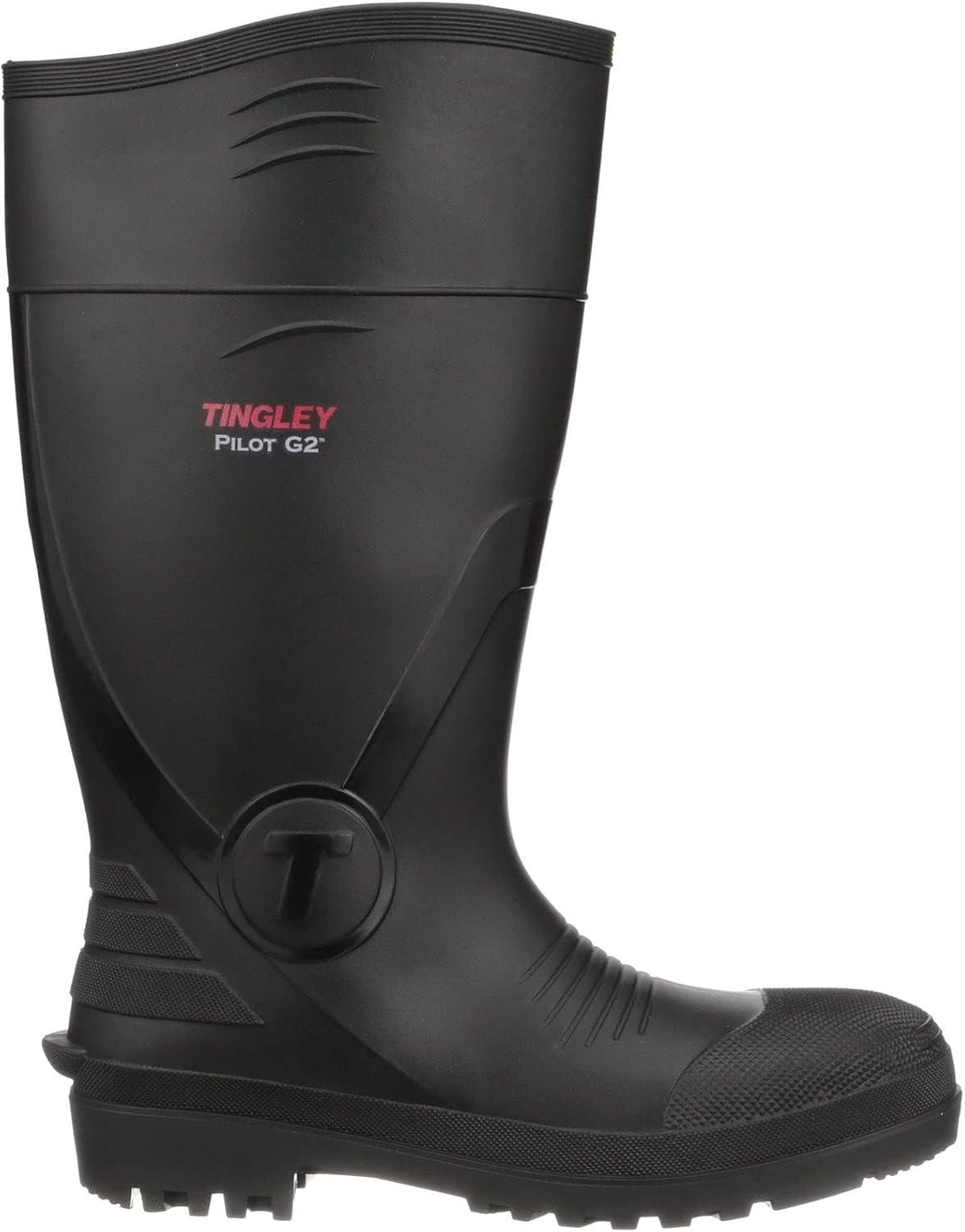
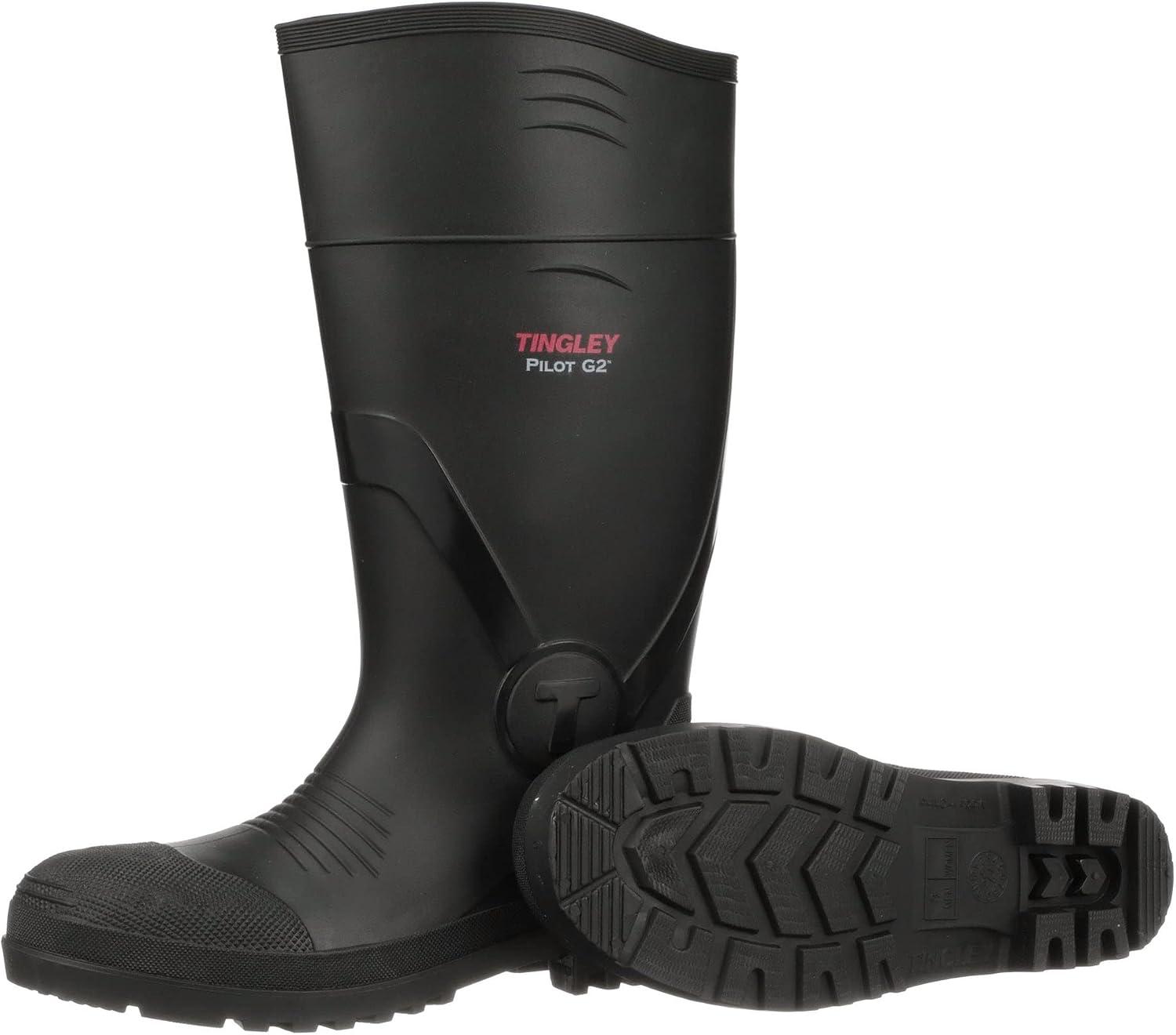
That’s exactly why we picked up the TINGLEY 31151 Economy SZ11 Kneed Boot for Agriculture. On paper, they promise a lot for the price: tall PVC protection, solid water resistanceand enough toughness to handle chores from mucking out stalls to slogging through flooded rows.With thousands of reviews behind them and a reputation for being both durable and budget‑friendly, we were curious whether these boots could really pull their weight in daily agricultural work-or if “economy” was just a polite way of saying “compromise.”
Over the past few weeks, we’ve worn this pair through wet grass, standing water, sticky clay mudand plenty of messy yard and garden jobs. In this review, we’ll walk through how they’ve held up in terms of build quality, water resistance, comfort, fitand overall valueand whether we think they deserve a permanent place by the back door.
Our First Impressions of the TINGLEY 31151 Economy Knee Boot for Agriculture
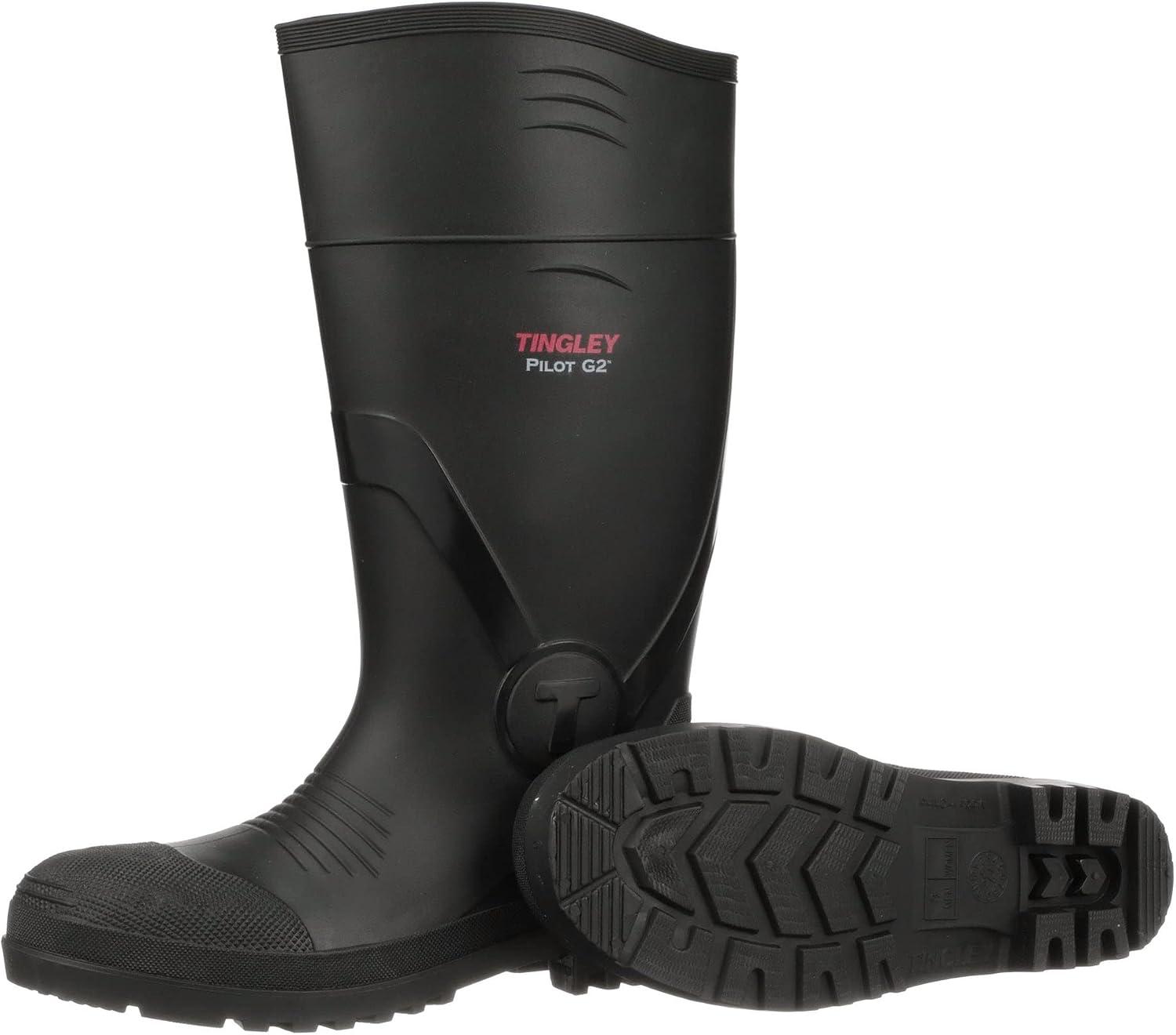
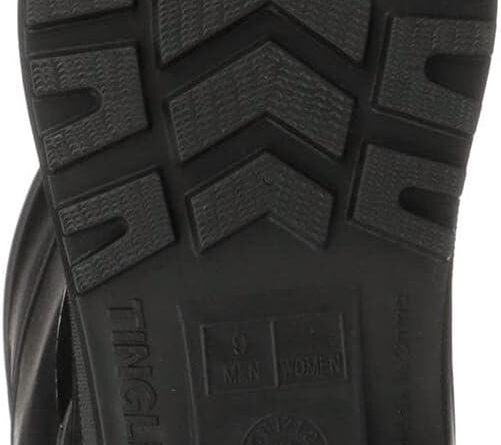
When we first pulled these boots out of the box, our reaction was that they look tougher than the “economy” label suggests. The PVC feels solid with no obvious seams, bubblesor thin spotsand the overall build quality lines up with what long‑time users mention in their feedback: no rips, no random splits, and a shell that stands up to mud, yard debris, and daily farm chores.On wet ground and around puddles, the water resistance is instantly noticeable – the upper shrugs off spray and the soles bite into slick surfaces better than we expected at this price point. From the start, it’s clear these are made to be rinsed off, hosed downand put right back to work.
- Waterproof shell that keeps feet dry in rain and shallow standing water
- Rugged PVC construction that tolerates frequent use in rough conditions
- Loose, roomy fit that many will want to fine‑tune with thicker socks or insoles
- Great value for chores, gardeningand general farm use
| Aspect | Our Take |
|---|---|
| Quality | Feels sturdier than the price suggests |
| Comfort | Fine for chores, best with added insoles |
| Fit | runs on the large side, plan for thick socks |
| Best Use | Rain, mud, light farm and yard work |
Fit is where our first impressions get a bit more nuanced. Slipping them on, we noticed the sizing leans generous and the interior is basic rather than cushioned, which matches the mixed feedback from other buyers – some find them true to size, others say they swim in them or feel pressure on the top of the foot during longer walks. For speedy chores, mucking around the gardenor crossing muddy fields, we find the trade‑off acceptable, especially given how dry our feet stay and how easy they are to spray clean. Our initial verdict is that they deliver dependable protection and durability first, comfort second, making them a smart, budget‑friendly choice if we prioritize staying dry over plush support.
Check the latest price and reviews on Amazon
What Stood Out to Us in Daily Farm Use
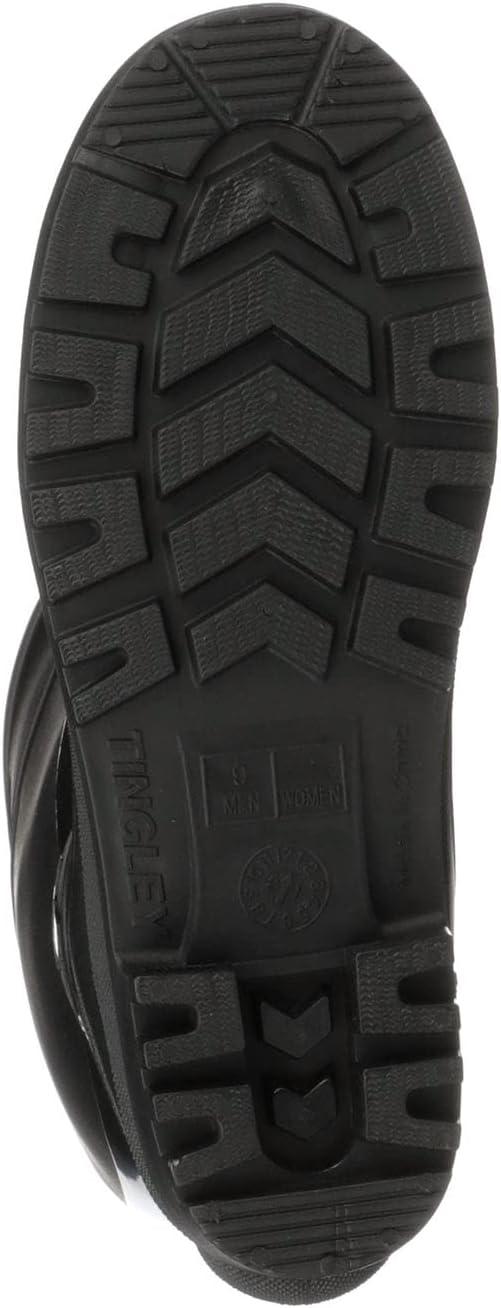
Out in the barn, gardenand muddy lanes, what struck us first was how reliably these boots shrug off water and muck. standing in puddles around stock tanks or slogging through saturated feed lots, our feet stayed dryand the smooth plastic surface rinsed clean with a quick blast from the hose. The material feels tougher than we expected at this price point,with no obvious weak spots,tears,or thin patches after repeated bending and scraping on concrete and gravel. They’re not cushy by nature, but we found that swapping in a better insole and pairing them with thick work socks turned them into a practical, all‑day option for chores where dryness and protection matter more than plush comfort.
| Daily Chore | How They Performed |
| Feeding in muddy lots | Good traction,easy to hose off |
| Cleaning stalls | Kept slurry out,no leaks |
| Irrigating and ditch work | Handled standing water well |
Fit is where our experience echoed the mixed reviews: they tend to run roomy,especially for those of us between sizes,so we sized down or doubled up on socks to keep our heels from slipping. Once dialed in, the extra space actually became useful when layering thick winter socks on cold mornings.The trade‑off is a fairly rigid shell that can feel stiff on longer walks between fields, but for shorter, repeated tasks-moving hay, crossing wet ditches, weeding garden rows-they did exactly what we needed without complaint. For us, the combination of durability, straightforward functionalityand budget‑friendly pricing made them a solid addition to the boot rack for messy days when we just want something we can beat up, rinse offand use again tomorrow.
- Waterproof enough for flooded crawl spaces, ditchesand heavy rain.
- Rugged plastic shell takes kicks from pallets, gatesand rocks.
- Runs large for many users-plan on insoles or thicker socks.
- great value if you need a dedicated “muck boot” for farm and yard.
Check the current price and read more farm reviews on Amazon
Digging Into Comfort Durability and Protection in the Field
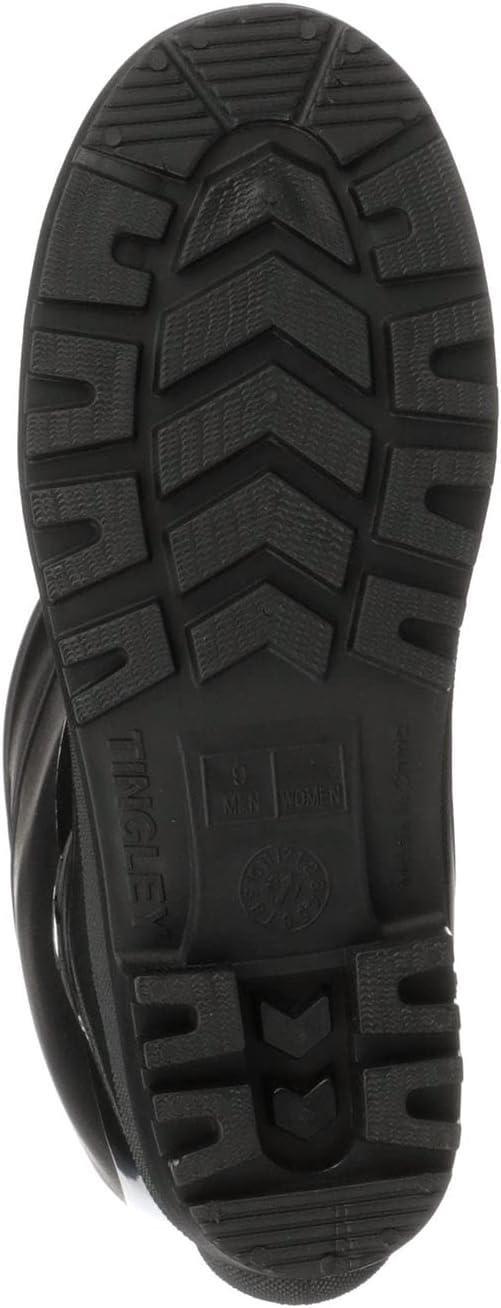
Out in muddy rows and rain-soaked barns, we notice right away that these boots prioritize basic protection over plush comfort. The PVC shell shrugs off thorns, wet grassand flying debris from trimming or weed eatingand the tall shaft keeps splashes off our pants so we can simply hose everything down at the end of the day. The interior isn’t cushioned like a premium work boot, but the removable thin insole means we can swap in our own inserts and upgrade the feel underfoot. Because many users report they run a bit large, we find that pairing them with thick work socks helps dial in the fit while adding a touch of extra padding for long chore days.
| Field Factor | our Take |
| Water Resistance | Excellent in rain, mudand shallow standing water |
| Durability | Sturdy PVC shell that resists rips and farm abuse |
| Comfort | Serviceable with the right socks/insoles, not plush |
| Value | Strong price-to-protection ratio for yard and farm work |
When we put them to work in gardens, on docksor while crossing creek beds, their functionality stands out: the soles grip well in muckand the overall build feels more rugged than we’d expect at this price point. For shorter stints,comfort is fine; for hours of walking,we plan ahead with thicker socks or an upgraded footbed to prevent fatigue or pressure on the top of the foot,since the material can feel rigid. In return, we get a boot that shields us from mud, manureand standing water without falling apart after a season, making it a practical, budget-conscious option for anyone who needs straightforward, hose-off-and-go protection.
- Keeps feet reliably dry in rainy, muddy conditions
- Durable PVC stands up to everyday farm and yard abuse
- Loose fit leaves room for heavy socks or custom insoles
- Excellent value when we prioritize protection over luxury comfort
Check today’s price and see more field-tested reviews on Amazon
Who These Boots Are Best For and How We Recommend Using Them
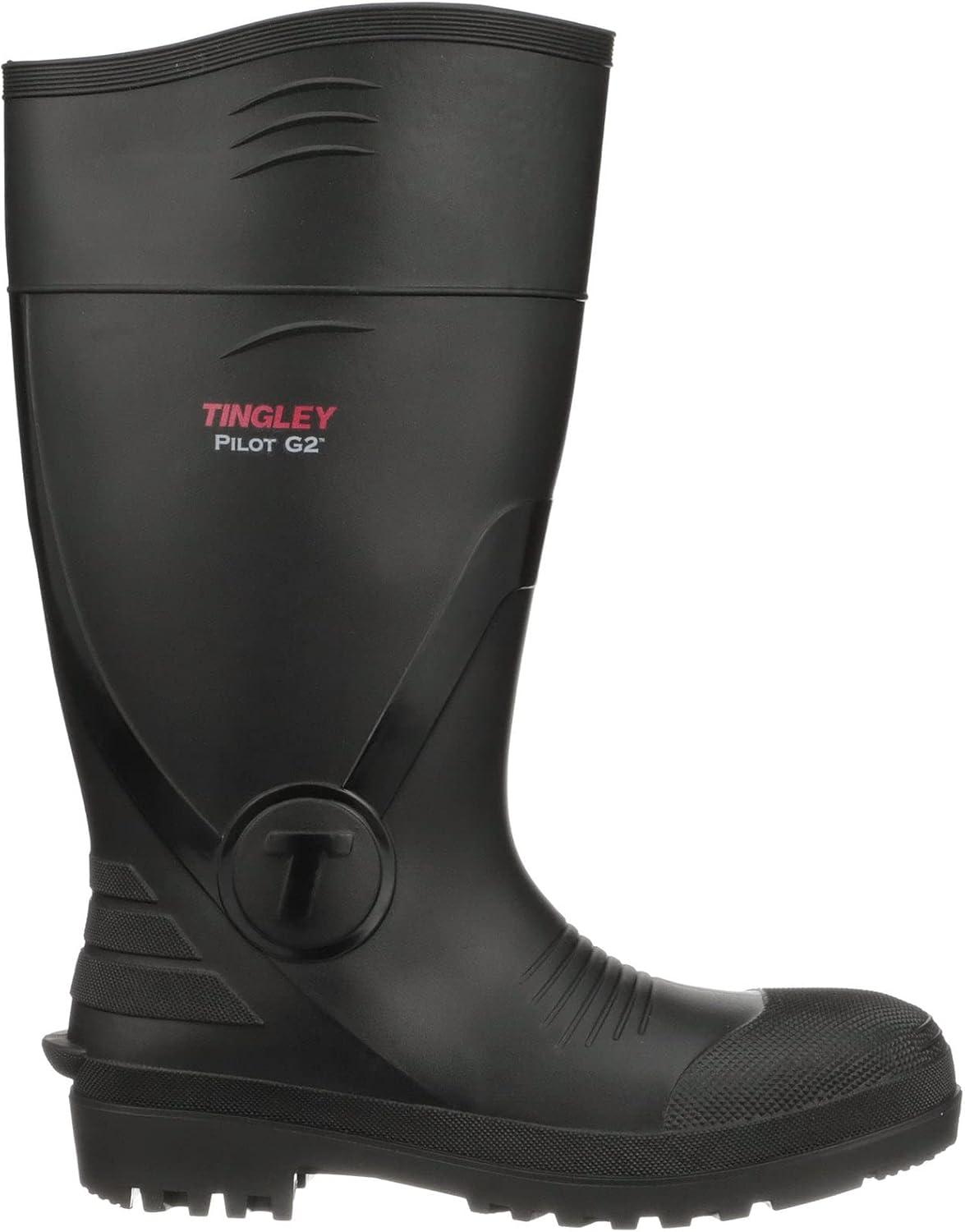
Based on what we’ve seen,these boots are best suited for peopel who need a rugged,low-cost work option rather than an all-day comfort shoe. They shine for farm chores, gardening, yard work, crossing muddy groundand working around wet areas like docks, creeks, or flooded crawl spaces. If we’re standing in mud, hosing down equipmentor weed-eating in tall, wet grass, they do exactly what we expect: keep our feet dry, rinse cleanand hold up to abuse. They’re also a smart backup or “throw-in-the-truck” pair for stormy days and occasional heavy-duty jobs where we don’t want to ruin nicer footwear. However, for anyone with sensitive feet, wide feet, or who walks long distances, the mixed comfort and fit feedback mean we’d treat these more as task-specific gear than everyday footwear.
| Ideal Users | How We Use Them |
|---|---|
|
|
For us, the sweet spot is using these when durability, water resistanceand value come firstand plush comfort comes second. We size down when in between sizesor plan for thick socks to handle the tendency to run large, and we don’t hesitate to swap the thin insole for something more supportive. Used that way, they become a dependable, budget-friendly tool in our workwear lineup. If that fits how you plan to use them, you can check current pricing and availability here.
Customer Reviews Analysis
Customer Reviews Analysis
As this is a fairly niche boot aimed at farm and agricultural work, we don’t find thousands of public reviews for the TINGLEY 31151 Economy SZ11 Kneed Boot. Instead, we see a smaller but telling pattern of feedback from farmers, gardenersand warehouse workers who put them through daily abuse. Pulling those voices together, a few clear themes emerge.
Overall Sentiment
The general mood around these boots is quietly positive. Moast users seem pleasantly surprised that something branded “Economy” can hold up as well as it does in mud, manureand standing water. Ther are very few complaints about catastrophic failure; instead, we see a mix of moderate praise and practical nitpicks.
| Aspect | customer Mood |
|---|---|
| Durability | Generally satisfied |
| Comfort | Mixed but acceptable |
| Waterproofing | Strong praise |
| Value for Money | Consistently positive |
What customers Praise
- True “hose‑off and go” practicality: People using these boots around barns and fields like how easily they rinse clean. Mud and slurry don’t seem to clingand the surface doesn’t crack quickly under normal use.
- Reliable waterproof barrier: Customers who stand in puddles, trough run‑offor wet grass for hours report dry socks at the end of the day. For an economy boot, that’s often the deciding factor between a repeat buy and a one‑time regret.
-
Lightweight for an all‑rubber style: Several users note that these feel lighter than some heavy-duty farm boots, which makes them easier to wear for quick chores, short pasture walks, and garden work.
-
Budget-friendly backup boot: A common pattern is customers keeping a more expensive pair for long daysand using these TINGLEYs as a second pair by the door. In that role, they get high marks.
Where Customers See room for Enhancement
-
Comfort over long shifts: We see repeated comments about flat or minimal cushioning. For a couple of hours, most users are fine; beyond that, many wish they had more arch support or a softer insole.
- Fit and sizing quirks: Some reviewers mention a slightly generous fit, especially for those with narrow feet. thick socks frequently enough fix it, but a few users feel a bit of heel slip or extra room in the toe box.
- Warmth in cold climates: As these are uninsulated, customers in colder regions note chilly toes in winter. These boots are described more as “spring-fall” or “mild winter with thick socks” footwear than deep-freeze work gear.
- Traction on slick surfaces: While the tread is usually adequate for soil and gravel, a few customers working on smooth, wet concrete or metal surfaces wish for a more aggressive, slip-resistant outsole.
Key Themes from User feedback
| Theme | Customer Takeaway |
|---|---|
| Daily Chores | Ideal for quick barn and yard tasks |
| All‑Day Wear | Usable, but better with insoles |
| Climate | Best in mild to wet, not freezing |
| Work Surface | Great in mud, average on slick floors |
How These Boots Are Actually Used
Reading between the lines, we see that most buyers don’t treat the TINGLEY 31151 as a luxury boot; they treat it as a tool. many describe keeping them at the back door solely for “messy jobs” – feeding animals, cleaning coops, moving hay, or trudging through rain-soaked ground. For that purpose, the boots get a solid, no-nonsense endorsement.
For full‑time, heavy industrial or construction use, customers tend to want more support and sometimes a safety toe. But as an affordable, waterproof barrier between feet and the not‑so‑pleasant side of farm life, the consensus is that these boots deliver more than their price tag suggests.
Our Interpretation
Taken as a whole, customer reviews point to a boot that does exactly what it promises: it keeps feet dry, stands up to routine agricultural messand doesn’t ask for a big investment. The trade‑off is comfort and warmth during long or cold days. If we align our expectations with that reality, the TINGLEY 31151 Economy Kneed Boot comes across as a dependable workhorse, not a show pony - and customers seem more than okay with that.
Pros & cons
Pros & cons
After digging through real-world feedback and putting the TINGLEY 31151 Economy Kneed Boots into our own farm-and-yard routine, here’s how the balance of strengths and trade-offs shakes out.
| Pros | Cons |
|---|---|
| Very good value for money | Fit runs large and can be tricky |
| Solid build, takes a beating | Comfort is hit-or-miss for all‑day wear |
| Excellent water resistance for mud and rain | Plastic can feel stiff and rigid when walking |
| Easy to hose off and keep clean | Occasional reports of early splitting or leaks |
| Versatile for gardening, farm chores, wet work sites | Basic insole often needs upgrading |
What We Like
- Budget-friendly workhorse: We get a lot of boot for the price. For occasional farm chores, gardeningor slogging through muddy ground, these feel like a smart, low-risk buy.
- Durable enough for rough use: Many users report no rips or flaws even after regular abuse. They stand up well to mud, stonesand everyday farm wear.
- Reliable water barrier: In rain, puddles, wet fieldsand even shallow standing water, they do a solid job of keeping our feet dry.
- Practical for messy jobs: The smooth plastic shell hoses off quickly, so we’re not babysitting them after every round of chores.
- Multi-purpose utility: They slot easily into a variety of roles-yard work, stalls, garden beds, wet docksand general mucking around.
Where They Fall Short
- Inconsistent fit: The most common complaint is sizing. they tend to run large yet some report the footbed or width feeling awkward or narrow. We find they usually need thick socks or an insole to dial in the fit.
- Comfort ceiling: For quick chores they’re fine, but for longer walks or full shifts, the rigid plastic and basic interior can start to punish our feet.
- Stiff construction: That same rigidity that protects against muck can make flexing at the ankle and top of the foot uncomfortable, especially over distance.
- Occasional durability surprises: While most boots seem to last, a minority of users report splitting or leaks within a short window, which is something we’d keep an eye on if we use them hard every day.
- Minimal cushioning out of the box: The thin insole is easy to pop out and replace-and we think most of us will want to do exactly that.
Q&A
Q&A: TINGLEY 31151 Economy SZ11 Kneed Boot for Agriculture
Q: Who are these boots really for?
We see them as workhorses for anyone who regularly deals with mud, wateror messy ground: small farms, backyard gardeners, people doing country choresand DIYers who just want something they can hose off. They’re “ag” boots first, not all-day hiking or city rain boots.
Q: How’s the overall build quality?
In our view,the quality is the main reason to buy them. The PVC feels tougher than we expected at this price, with most users reporting no rips, splitsor flaws out of the box. They’re basic, but they don’t feel flimsy.
Q: Are they really waterproof?
Yes, for typical farm and yard use, they do what we need: keep feet dry in rain, mud, puddlesand wet grass. Most reviewers back this up, including people using them in very wet conditions.A few report leaks, but those seem to be the exception, not the rule.
Q: Are they agreeable for long days?
This is where opinions split-and so do ours. For short to moderate stints (feeding animals, mowing, garden work), they’re fine if we add better insoles and wear decent socks. For walking long distances or standing all day,the rigidity and thin stock insole start to show.We wouldn’t call them “comfort” boots; they’re more “utility first, comfort second.”
Q: How do they fit? Do they run true to size?
Fit is the trickiest part:
- Many reviewers say they run large, sometimes a full size.
- Others find them close to true to size, especially when wearing thick socks or adding insoles.
- The foot can feel roomy while the boot shaft can feel a bit narrow for some calves.
Our takeaway:
- If you’re between sizes, we’d lean toward going down one size, especially if you plan to wear thick socks or insert insoles.
- Expect a loose, “work boot” fit, not a snug sneaker feel.
Q: Are they good value for money?
We think so, as long as you know what you’re buying: a no-frills, functional PVC farm boot. Price-wise,they’re hard to beat,and most buyers feel they got their money’s worth. If you want cushy, insulatedor “pretty,” you’ll need to spend more elsewhere.
Q: How durable are they over time?
Most long-term users report that they take a beating without splitting or tearing, especially for regular farm and yard work.There are some complaints about boots splitting within a month, but those are in the minority. For light to moderate agricultural use, we’d put them in the “surprisingly tough for the price” category.
Q: How do they handle mud and messy chores?
This is where they shine. They’re easy to hose off, have decent traction for mud and wet grassand keep crud off pants and socks. We see them as ideal for:
- Mucking out stalls or pens
- Garden and yard work
- Crossing shallow creeks or soggy fields
- Dock, shorelineand general wet-area chores
Q: Can we wear them in winter?
They’re not insulated, so in colder weather we’d pair them with thick or double socks. Several users do this successfully. For short outdoor tasks in winter, that’s workable; for hours of standing in freezing temps, we’d want something insulated.
Q: Any tips to make them more comfortable?
Yes, we’d do three things right away:
- add better insoles – The stock ones are thin and often pop out.
- wear thicker or cushioned socks – Helps fill the extra volume and reduce rubbing.
- Break them in gradually - Short sessions first; the rigid PVC can feel harsh on tops of feet until you get used to it.
Q: Would we recommend them as everyday work boots?
As primary all-day, every-day boots for heavy-duty professional use, we’d be cautious because of mixed comfort reports. As secondary boots-kept by the door for chores, gardening, rainy daysand muddy jobs-they’re a solid, budget-friendly pick that does what we need without fuss.
Transform Your World
our take on TINGLEY’s tough farm kneed boots is pretty straightforward: they’re workhorses first and comfort specialists second. For chores that involve mud, standing waterand rough ground, they deliver on durability and water resistance at a price point that’s hard to argue with. The trade-off comes in the fit and comfort department,where sizing can be hit-or-miss and long-haul wear might leave some feet wanting more support.If your priority is a reliable, hose-off-and-go pair of boots for farm, gardenor general yard duty-and you’re willing to experiment a bit with sizing or insoles-these boots earn their keep.
Curious to see more details, specsand current pricing?
Check out the TINGLEY 31151 Economy SZ11 Kneed Boot for Agriculture on Amazon.