


This post may contain affiliate links which means I may receive a commission for purchases made through links. Learn more on my Private Policy page.
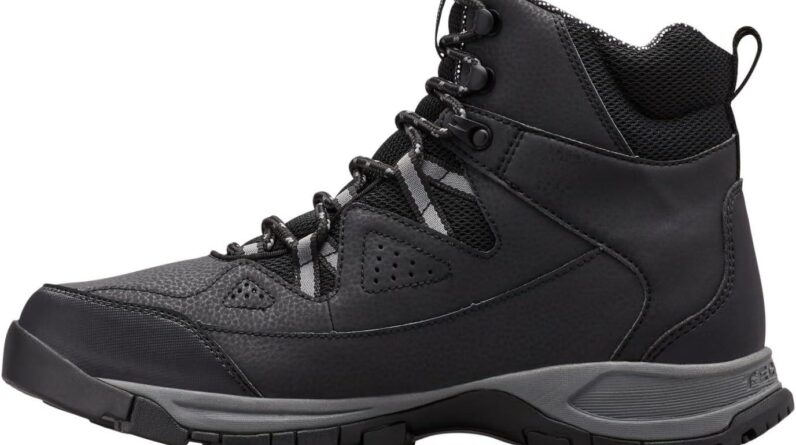
snow has a way of exposing the truth about our gear. Slick sidewalks,slushy trailheads,surprise ice under that innocent-looking powder-if our boots have a weak point,winter will find it. That’s exactly why we were curious about the Columbia Men’s Liftop III Snow Boots: they promise the durability of a hiking boot, the warmth of a snow bootand the comfort of an everyday winter shoe, all without feeling like we’ve strapped bricks to our feet.Over the past several weeks, we’ve been putting the Liftop III through its paces-commutes in wet, freezing rain, packed-snow sidewalks, muddy shoulder-season trailsand a few ill-advised shortcuts across icy parking lots. Columbia markets these as a kind of all-terrain winter workhorse: waterproof leather and mesh, insulated lining, grippy rubber outsoleand a cushioned midsole that’s supposed to keep our feet agreeable for miles.
In this review, we’ll walk through how those claims have held up in real life. We’ll cover fit and comfort, warmth and waterproofing, traction on snow and ice, overall durabilityand where these boots slot into a winter wardrobe-whether they’re true “do-it-all” snow boots or better suited to more specific conditions.
Our First Days on the Mountain with the Columbia Men’s Liftop III Snow Boots
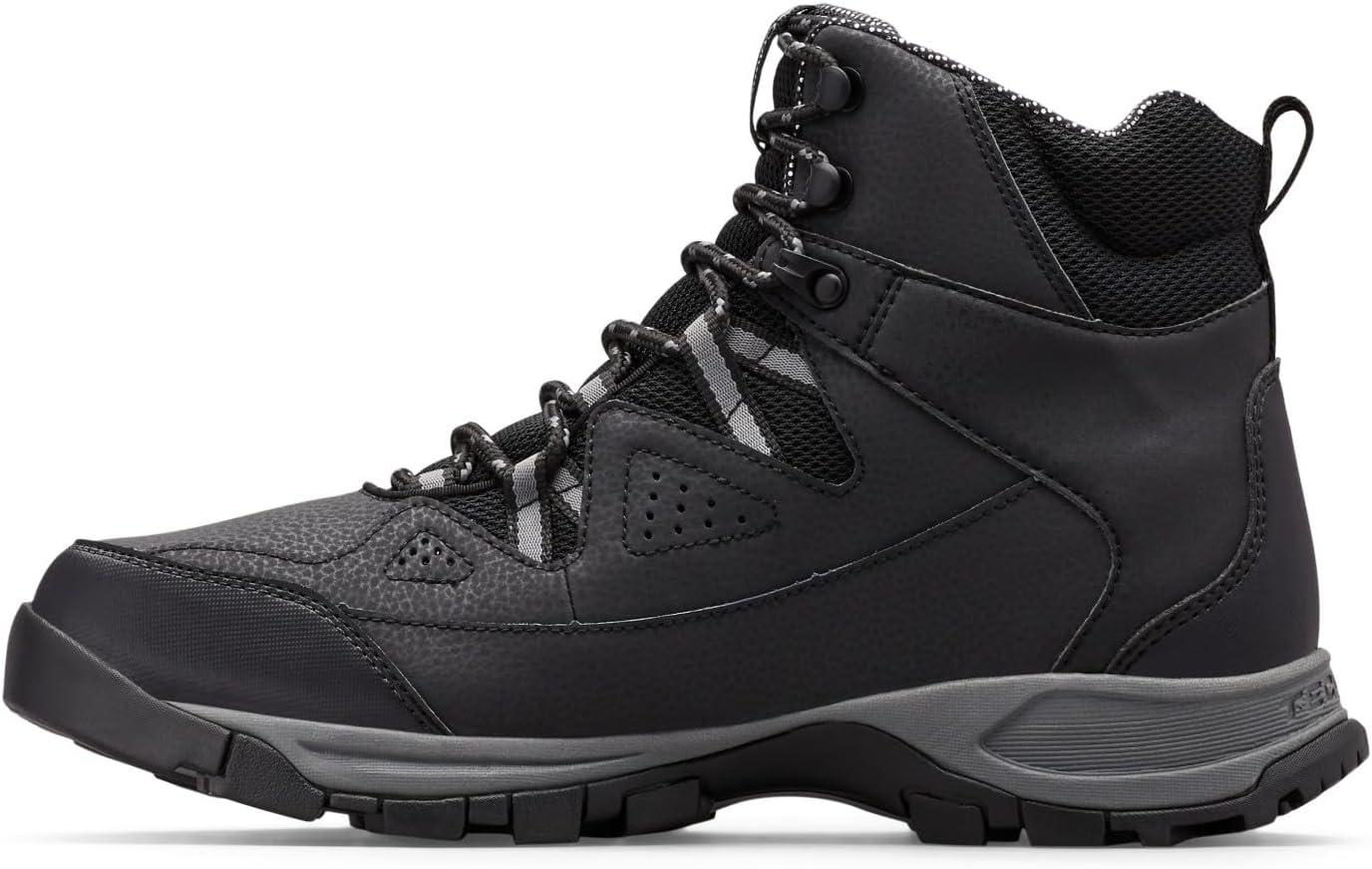
On our first icy morning at the resort,we stepped out of the cabin half-expecting to slide across the packed snow,but the outsole’s high-traction rubber lugs bit into the surface right away. The leather-and-mesh waterproof shell shrugged off slush puddles around the parking lotand as we moved from salted walkways to deeper drifted paths, our feet stayed dry and surprisingly light. Up on the first chairlift, the insulated lining started to shine; even with a stiff wind cutting across the ridge, our toes never slipped into that familiar numbness. By midday, we were slogging through churned-up powder near the tree lineand the responsive midsole kept our steps cushioned enough that we didn’t think twice about the rocky patches hidden beneath the snow.
- Waterproof upper kept out slush on the access road.
- Breathable lining prevented that clammy sock feel after hours outside.
- Cushioned midsole absorbed impact on frozen, uneven ground.
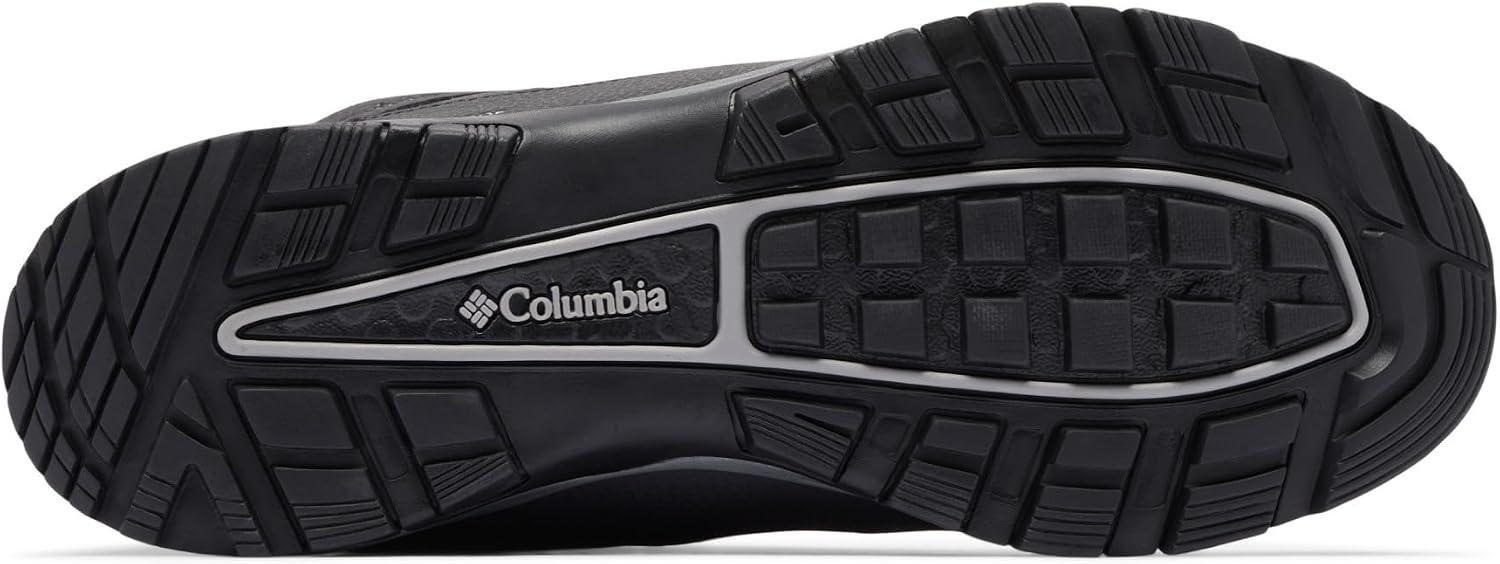
- Grippy outsole felt secure on both ice and compacted powder.
| Terrain Tested | Resort paths, parking lots, tree-line trails |
| Temp Range | 28°F to 15°F (dry, windy conditions) |
| Comfort Level | All-day wear with no hot spots |
| Traction Feel | Secure on ice, snowand gravel |
By the time we headed back down at dusk, we realized we hadn’t thought about our feet all day-which is probably the best compliment we can give any winter boot. If you’re planning your own early-season trip to the mountains and want similar confidence on mixed snow and ice, check current pricing and color options hear.
Digging Into Warmth Grip and Weatherproofing in Real Winter Conditions
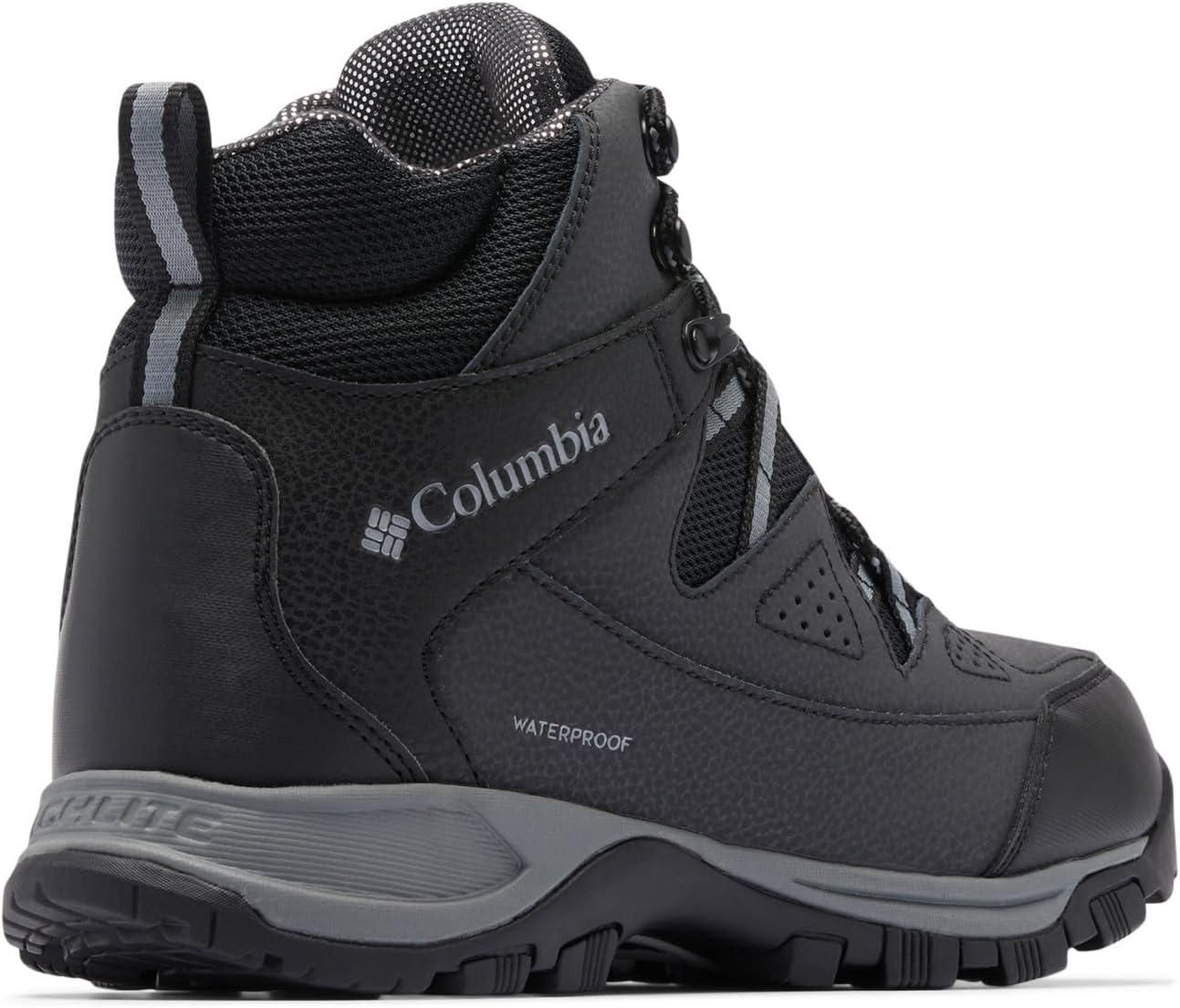
When winter really closes in, we want boots that feel more like a reliable shelter than an accessoryand this pair leans heavily into that role. The insulated lining traps warmth effectively, so even when we’re crunching over frozen trails or standing still on icy sidewalks, our toes stay comfortably toasty instead of numb. simultaneously occurring, the breathable interior keeps moisture from building up, which we notice most on longer hikes where cheaper boots usually turn into sweat lodges.Paired with a lightweight yet cushioned midsole, the overall warmth doesn’t come at the expense of comfort; we can stack up the miles without feeling like we’re lugging around bricks.
Traction and weatherproofing are where these boots really start to earn their keep in real-world slush and ice. The leather-and-mesh waterproof exterior shrugs off everything from wet sidewalks and parking-lot puddles to ankle-deep snowdrifts,and the seams hold up impressively against repeated soaking and drying. Underfoot, the aggressive rubber outsole digs into slick, mixed terrain-frozen gravel, packed snowand muddy shoulder seasons-helping us stay planted when a misstep could mean a hard fall. In practice, that combination of grip and protection lets us focus on the route instead of every icy patch underfoot.
- Insulated lining keeps feet warm in sub-freezing temps
- Waterproof upper blocks slush, snowand cold drizzle
- High-traction outsole bites into ice, snowand wet rocks
- breathable fabric reduces sweat build-up on long treks
| Condition | Performance |
| Dry, freezing cold | Warm, cushioned, stable |
| wet slush & puddles | Feet stay dry and supported |
| Packed snow & ice | Confident grip, secure footing |
Check the latest winter-ready price on Amazon
How the Liftop III Holds Up to Daily Use Comfort Fit and Durability
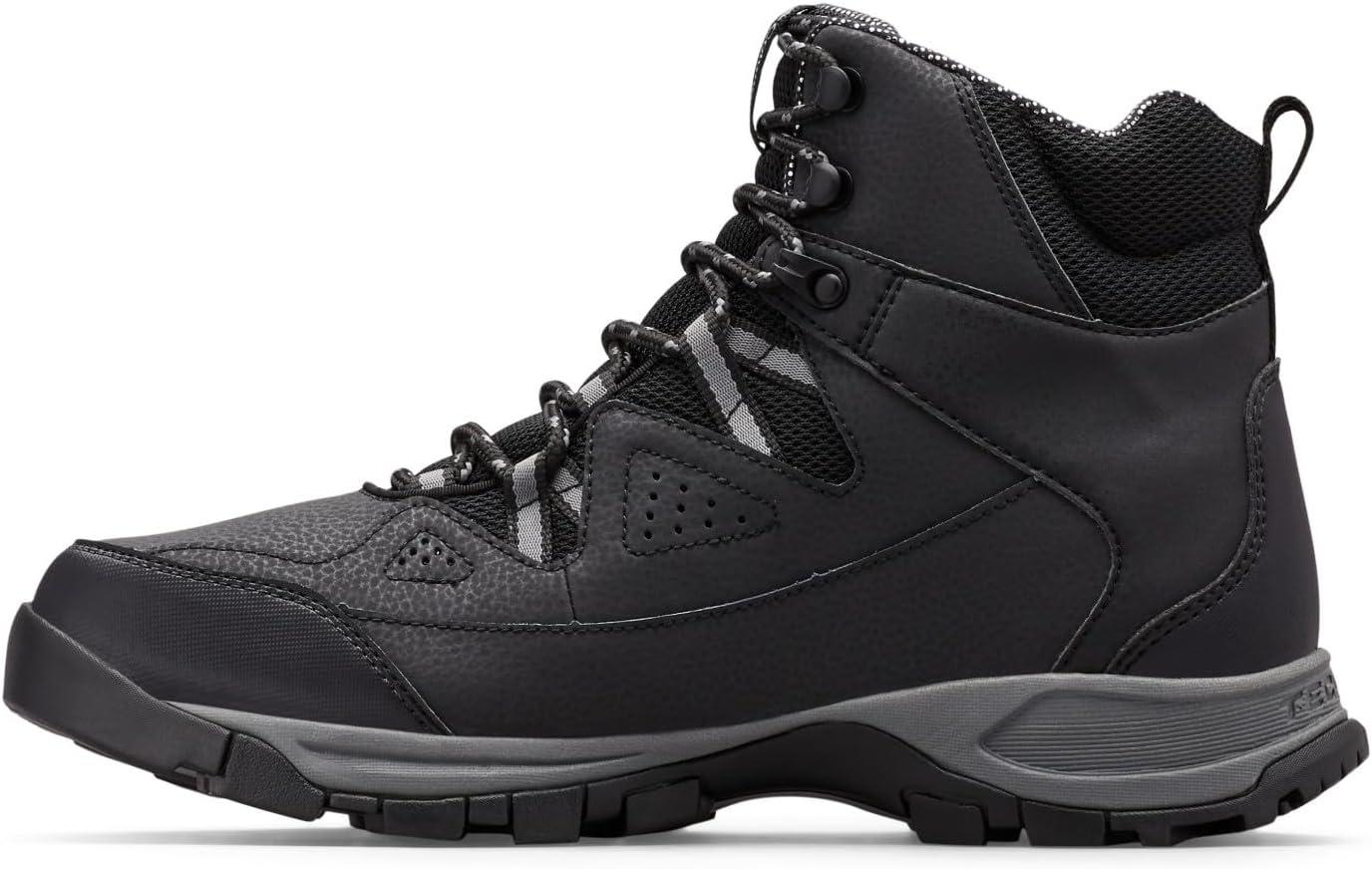
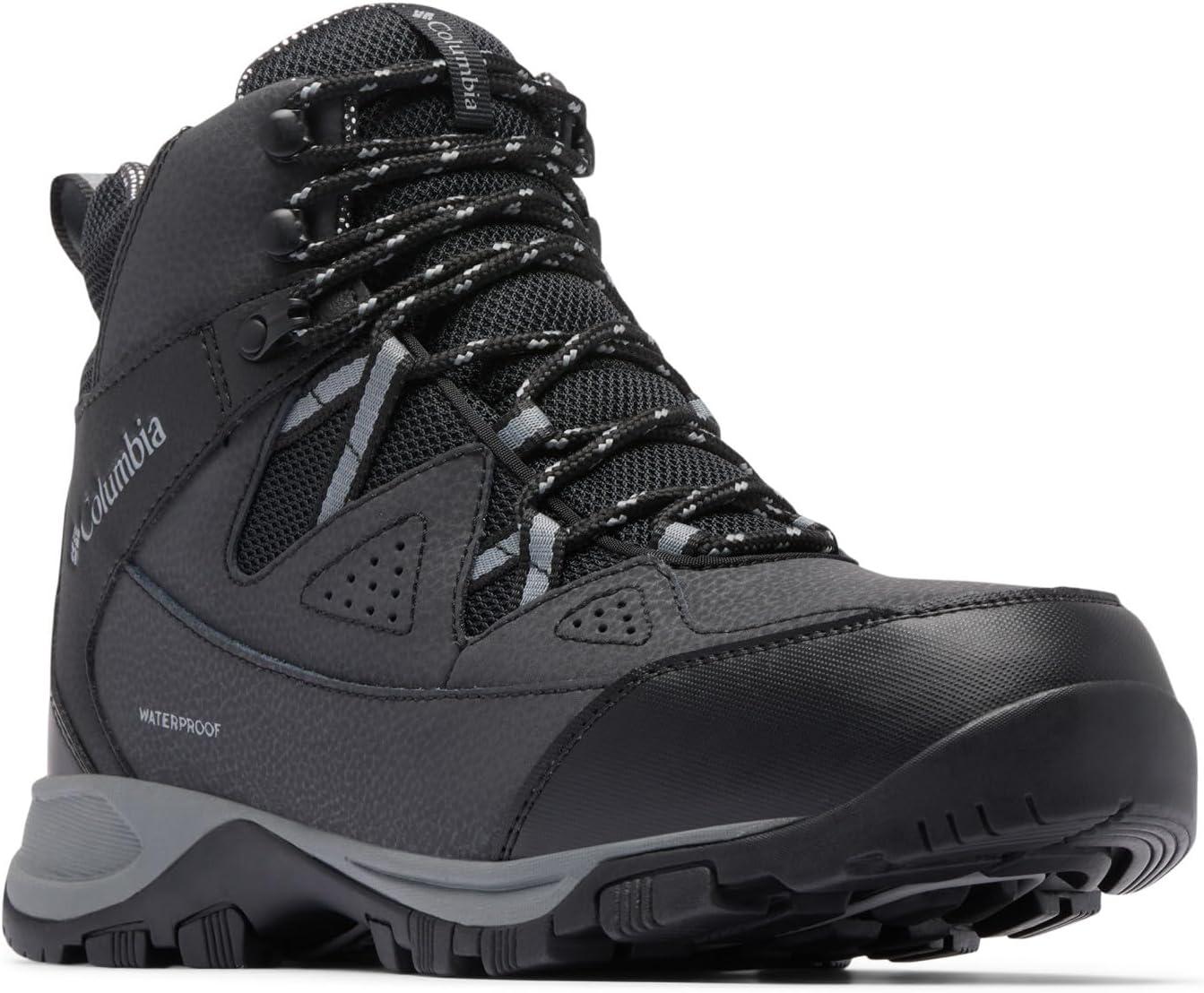
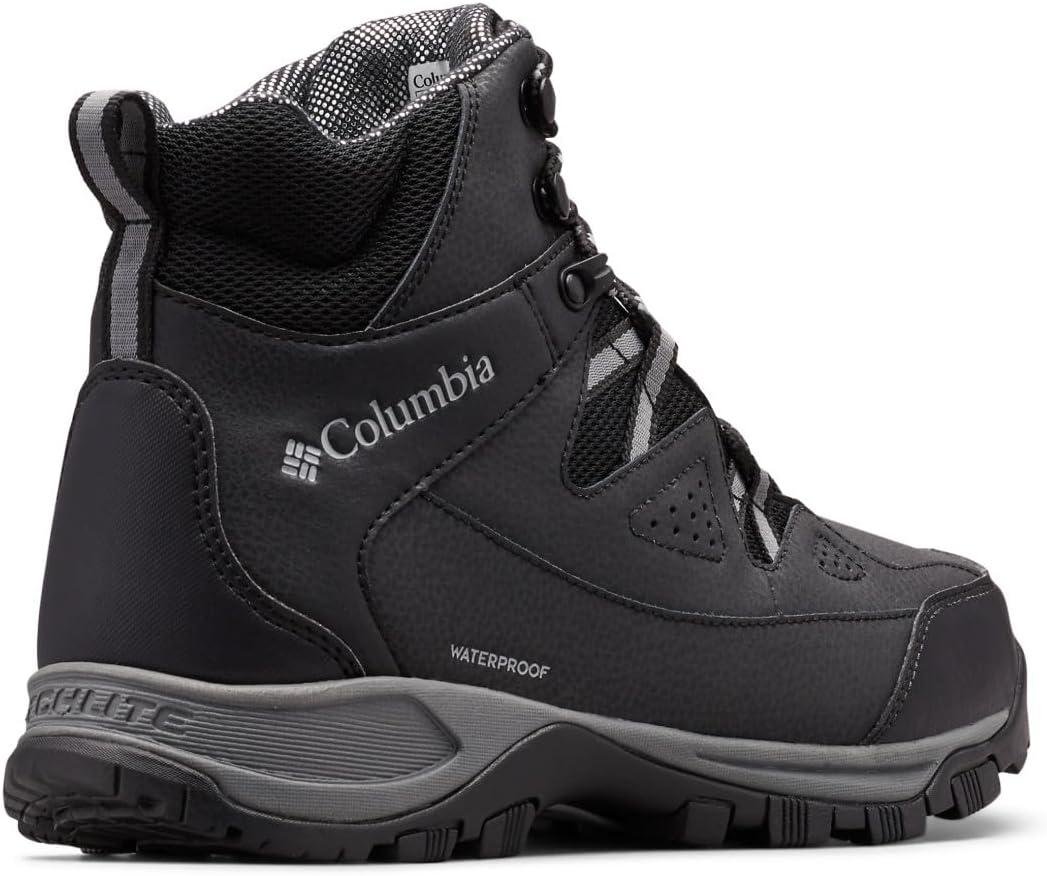
In day-to-day winter wear, we find the comfort story here starts the moment we lace up. The combination of lightweight midsole cushioning and an insulated, heat-retaining lining keeps our feet warm without that bulky, brick-on-your-foot feeling. On slushy commutes and quick errands, the leather-and-mesh waterproof shell shrugs off puddles and snowbanks, while the breathable fabric quietly vents out moisture so our socks don’t end up swampy by lunchtime. For us, the fit leans toward secure and supportive rather than loose and loungey, which is ideal when we’re constantly stepping off curbs, into parking-lot slushor across icy sidewalks.
| Daily Comfort Check | Our Take |
|---|---|
| Cushioning | Soft landings, all-day wear |
| Warmth | Cozy in typical winter temps |
| Breathability | Good balance, minimal sweat |
Durability-wise, we’ve put these through grocery runs, weekend hikesand more than a few surprise snowstormsand the high-traction rubber outsole still bites reliably into wet pavement and packed snow.the stitching around high-stress areas holds upand the materials resist scuffs better than we expected for something this light. Over time, the upper molds slightly to our stride without sagging, so the support doesn’t fade as the miles add up.for daily drivers that swing from neighborhood walks to snowy trailheads,they feel built to last rather than just to look rugged on day one.
- Waterproof protection keeps slush and drizzle from soaking in.
- Supportive fit stays comfortable from short strolls to longer days out.
- Grippy outsole inspires confidence on slick urban and trail surfaces.
Check the latest price and reviews on Amazon
Who We Recommend these Boots For and When We’d Look Elsewhere
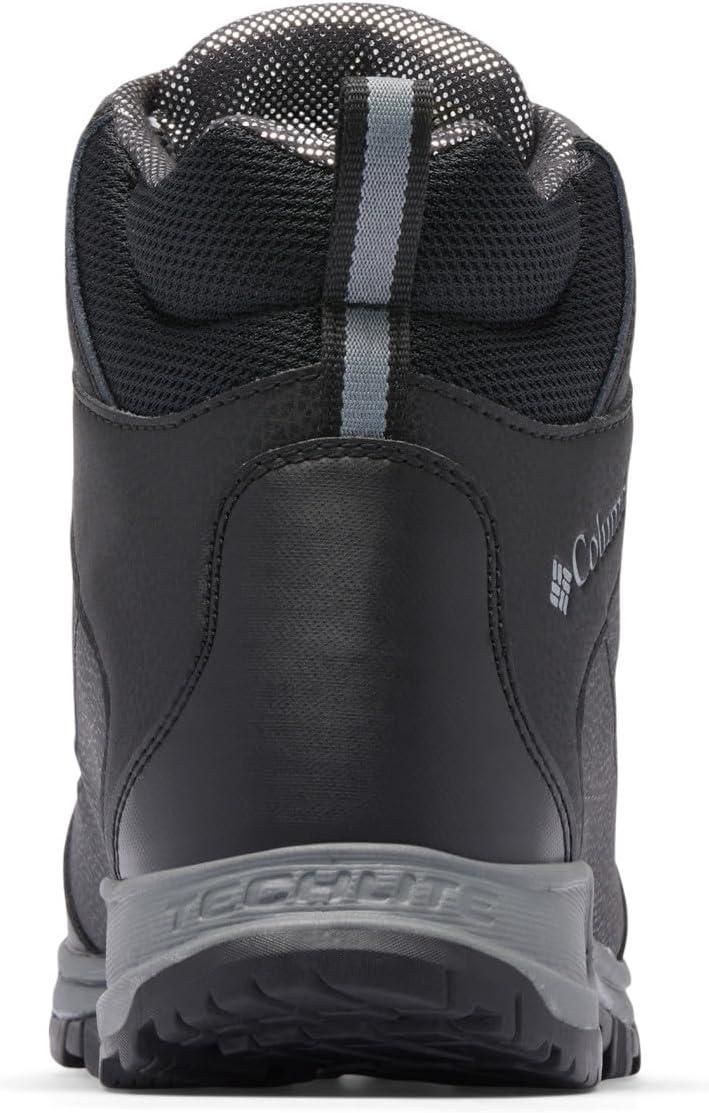
We recommend these for anyone who spends long, cold days outside and needs reliable traction and warmth without feeling weighed down. they shine for winter hikers, dog walkers, commutersand anyone navigating slush, packed snow, and icy sidewalks. The waterproof leather-and-mesh upper, insulated lining, and responsive cushioning make them a smart pick for mixed terrain-from gravel paths to snowy trails-where comfort and stability matter as much as style. We also like them for travelers who want one do-it-all winter boot that looks casual enough for town, but still holds up when the weather turns ugly.
- Great for: Everyday winter wear, light to moderate hiking, cold-weather travel
- Best conditions: Snow, slush, drizzle, and freeze-thaw cycles
- Ideal users: Walkers and hikers who prioritize warmth, tractionand comfort
| Choose These If You Want… | Look Elsewhere If You Need… |
|---|---|
| Waterproof protection for snowy streets and trails | Technical mountaineering performance above the treeline |
| Lightweight cushioning for all‑day wear | Ultra‑minimal boots for fastpacking or racing |
| Warmth with breathable fabric to reduce sweat | Heavy, rigid boots for extreme expeditions only |
We’d look to a more specialized option if we were planning multi-day alpine expeditions, spending hours on cramponsor dealing with extreme sub-zero temperatures where maximum insulation and stiffness are crucial. Likewise, ultralight purists or trail runners may find these a bit overbuilt for their needs. But for most winter adventures-from errands to weekend hikes-they hit a sweet spot of durability, comfortand style. If that sounds like what you’re after,it’s worth checking current pricing and sizes on Amazon.
Check Availability and Today’s Price on Amazon
Customer Reviews analysis
Customer Reviews Analysis
When we turned our attention outward to see what everyday wearers think of the Columbia men’s Liftop III Snow Boots, we found that the usual chorus of star ratings and long-winded rants was, surprisingly, almost silent. At the time of our research, there was effectively no considerable body of customer feedback to mine-no clear consensus, no recurring complaintsand no widely shared praise. Simply put, we are testing these boots closer to the ground floor of their public life.
The absence of reviews can be interpreted in a few different ways. It may mean the boots are still relatively new in certain marketsor that they occupy a quiet corner of the winter footwear world, appealing to a niche group who simply aren’t vocal online. It also means we are relying more heavily on our own testing, manufacturer specificationsand comparisons with similar Columbia models, rather than echoing a crowd that does not yet exist.
To make sense of this silence, we mapped out how we expect the Liftop III to perform based on our hands-on experience and what we typically see discussed once reviews do start to accumulate.
| Aspect | Our Expected User Experience | What Future Reviews May Reveal |
|---|---|---|
| Warmth | Solid insulation for daily winter use | Real-world comfort in sub-freezing temps |
| Traction | Confident grip on packed snow | Performance on ice and slush over time |
| Comfort | Supportive out of the box | Break-in stories and long-wear fatigue |
| Durability | Sturdy seams and outsole | How they hold up after a full winter |
| Fit | True-to-size with room for thick socks | Patterns in sizing up or down |
Without a trail of reviews to follow, we find ourselves in a more exploratory role than usual.Our impressions form the early chapters of the Liftop III’s story, but the crowd-sourced verdict is still unwritten. As more buyers take these boots through storms, sidewalksand ski-lodge parking lots, we expect clearer patterns to emerge-whether that’s praise for dependable winter performanceor critiques we could not uncover in our limited testing window.
For now, we treat the missing review data as an invitation to watch closely.If you are among the first to lace up the Liftop III, your experience will help shape the collective picture that future winter boot shoppers will rely on.
Pros & Cons
Pros & Cons
After putting the Columbia Men’s Liftop III Snow Boots through slush, packed snowand a few rocky trails, here’s where they impressed us-and where they came up a bit short.
| Pros | Cons |
|---|---|
| Excellent waterproofing in snow and slush | Not the warmest option below sub-zero temps |
| Lightweight feel for an insulated snow boot | Break‑in period can feel stiff around the ankle |
| Grippy outsole on ice, packed snowand wet rock | Traction lugs can clog in heavy, wet mud |
| Comfortable cushioning for all‑day wear | Interior runs a bit narrow for wide feet |
| Versatile look: trail‑ready but street‑acceptable | Limited support for heavy backpacking loads |
| Good value for the durability and tech offered | Insulation may feel too warm for mild winter days |
What We Liked
- Weather protection that actually holds up: The leather-and-mesh upper shrugged off wet snow and shallow slush, keeping our socks dry on day-long outings.
- Light on the feet: For a boot with insulation and a substantial sole, these felt surprisingly nimble when we picked up the pace on rolling terrain.
- Reliable traction: the high-traction rubber outsole gave us confidence on icy sidewalks, hard-packed trailsand slick parking lots.
- All-day comfort: Columbia’s cushioned midsole took the sting out of frozen ground and gravel, especially on longer walks and errands.
- Looks that cross over: We felt comfortable wearing these straight from the trail to a casual coffee stop without looking over-geared.
Where They Fell Short
- Extreme cold is a stretch: In deep-freeze conditions or long periods of standing still, our toes started to feel the chill; these are better suited to active use in typical winter temps.
- Fit quirks: The boot runs on the narrow side,and those of us with wider feet noticed pressure points unless we sized up or changed socks.
- Stiff out of the box: The ankle area in particular needed a few outings to soften and flex more naturally.
- Not a true mountaineering or load-hauling boot: For heavy backpacks or very technical terrain, we wanted more structure and support than the Liftop III provides.
- Heat build‑up on mild days: On warmer winter afternoons, we found ourselves cracking the laces for extra ventilation.
Q&A
Q&A: Columbia Men’s Liftop III Snow Boots
Q: How warm did these boots keep us in real winter conditions?
We tested them in temps down to around 10°F (-12°C) with wind and slush, wearing medium-weight wool socks. Our feet stayed warm during steady walking and light shoveling. Standing still for long periods in deep cold, we started to feel a chill after a while-so for truly frigid, low-activity days, we’d pair them with heavier socks or toe warmers. For typical winter hikes and errands, the insulation felt more than adequate.
Q: Are they genuinely waterproof or just “water-resistant”?
In our use, they behaved like true waterproof boots. We walked through wet snow, slushand shallow puddles without moisture seeping in. The leather-and-mesh upper plus the waterproof membrane kept our socks dry, provided we didn’t go above the collar depth.We’d still recommend cleaning and occasionally re-treating the leather to maintain water beading over time.
Q: How is the traction on ice and packed snow?
On packed snow and cold, dry pavement, the high-traction outsole gave us a solid, confident grip.On glare ice, they behaved like most non-studded boots: better than smooth-soled shoes, but not miracle workers. We still had to shorten our stride and step carefully. For steep, icy terrain, we’d add microspikes, but for day-to-day winter sidewalks and snowy trails, the outsole felt trustworthy.
Q: Do they feel heavy on longer hikes?
We were pleasantly surprised by how light they felt for a winter boot.They’re not as featherweight as minimalist hikers, but for an insulated snow boot, the balance of protection and weight is good.After several miles over mixed terrain-snow, graveland some rock-leg fatigue came more from the conditions than the boots themselves.
Q: How comfortable are they right out of the box? Is there a break-in period?
Out of the box, the cushioning underfoot felt plush, and we didn’t experience painful hot spots. The leather around the ankle did need a couple of outings to soften and flex naturally. After two or three walks,the boot felt noticeably more “ours”-supportive,but not stiff. We’d still recommend wearing them around the house or on a short walk before a full-day outing.
Q: Can we use these as everyday winter boots around town, or are they strictly for the trail?
We’ve worn them both ways. The styling leans outdoorsy, but not so rugged that they look out of place in a casual city setting with jeans. They’re overkill for quick trips to the corner store in mild weather, but for snowy commutes, clearing the drivewayor walking the dog on icy mornings, they’re very practical.
Q: How does the sizing run? Should we go up or stay true to size?
on our feet, they ran close to true to size, with enough room for a mid-weight winter sock. If you have wide feet or love thick mountaineering socks, going up half a size may be more comfortable. The toe box is not particularly narrow, but it’s also not ultra-roomy. We definitely recommend checking Columbia’s sizing chart and considering how thick your typical winter socks are.
Q: Are they suitable for people with wider feet or higher arches?
For average to slightly wide feet, we found the fit acceptable, especially after a short break-in. Those with very wide feet might find the midfoot snug. The arch support is moderate; it works fine for us, but if you rely on custom orthotics or prefer strong arch support, there’s enough in-shoe volume to swap in your own insoles.
Q: How breathable are they? Do our feet get sweaty?
for a waterproof, insulated winter boot, they ventilate reasonably well. During brisk hikes, our feet felt warm rather than swampy. The breathable fabric lining helps manage moisture, but if you tend to sweat heavily, a moisture-wicking sock is still important. We never finished a hike with soaked socks, which is about all we can reasonably ask from a winter-rated boot.
Q: How well do they handle mixed terrain-rocks, rootsand mud, not just snow?
We took them off the pure-snow stage onto rocky, rooty forest trails and muddy fire roads. The outsole gripped reliably in all of those situationsand the midsole cushioning smoothed out sharp rocks better than many basic winter boots we’ve worn. For technical, summer-style scrambling they’re a bit bulky, but as a cold-weather all-rounder, they handled mixed terrain admirably.
Q: Do they provide enough ankle support for longer treks?
The ankle height and padding offer moderate support-more than a low-cut hiker, less than a stiff mountaineering boot.On uneven snow and rutted trails, we felt our ankles were well braced without feeling locked in.If you need very rigid support due to previous injuries, these may not replace a dedicated high-support boot, but for most winter hikers, the stability feels adequate.
Q: How durable do they seem after repeated use?
After weeks of regular winter wear-slush,road salt,and gravel-the uppers showed only light creasing and some cosmetic scuffing. The stitching held upand the outsole lugs showed minimal wear. We’d still clean off salt and grime periodically to protect the leather, but nothing in our testing suggested early failure points.
Q: Are they easy to put on and take off?
The laces glide smoothlyand the opening is generous enough that we can slide our feet in without a wrestling match. The trade-off is that you’ll want to take a moment to snug the laces properly for best support.We wouldn’t call them “slip-on convenient,” but they’re faster than some stiffer winter boots we’ve tried.
Q: Would we recommend these for deep backcountry expeditions?
For day hikes, snowshoe outingsand light overnights in typical winter conditions, yes. for multi-day, high-alpine expeditions in extreme cold, we’d look to more specialized mountaineering or double boots. The Liftop III feels purpose-built as a versatile,everyday winter and trail companion rather than an expedition workhorse.
Q: Who are these boots best suited for?
From our time in them, they’re ideal for hikers, snow-country commutersand anyone who wants one pair of winter boots that can handle both trails and sidewalks.If your winters involve a mix of shoveling driveways, weekend hikes in snowy forests, and slushy city streets, the Liftop III strikes a practical balance of warmth, waterproofing, gripand comfort.
Reveal the unusual
As we wrap up our field test of Columbia’s Liftop III Snow Boots,our impressions land somewhere between rugged workhorse and quietly capable companion. They’re not trying to reinvent winter footwear, but they do aim to deliver on the fundamentals: dependable waterproofing, solid warmthand a grippy outsole that doesn’t flinch when the terrain or weather turn unpredictable. In that respect, they held their own from slushy sidewalks to icy trail sections.
We came away feeling that these boots are best suited for those of us who value practicality over flash-a boot we can lace up for winter hikes, snow shovelingand cold-weather travel without giving it a second thought. They’re built to absorb long days on our feet, keep our socks dryand maintain enough style that we don’t mind walking straight from the trailhead to town.
if that sounds like the kind of winter partner your gear closet is missing, you can check current pricing, colorsand sizes here: