


This post may contain affiliate links which means I may receive a commission for purchases made through links. Learn more on my Private Policy page.
There’s a moment on every cold-weather hunt when our gear either proves itself…or betrays us. For us, that moment usually comes right before dawn, when the ground is still frozen, the air cuts through every gap in our clothing, adn we’re standing ankle-deep in mud or snow waiting for movement in the treeline. If our feet go numb, the day is essentially over-no matter how good the spot is.
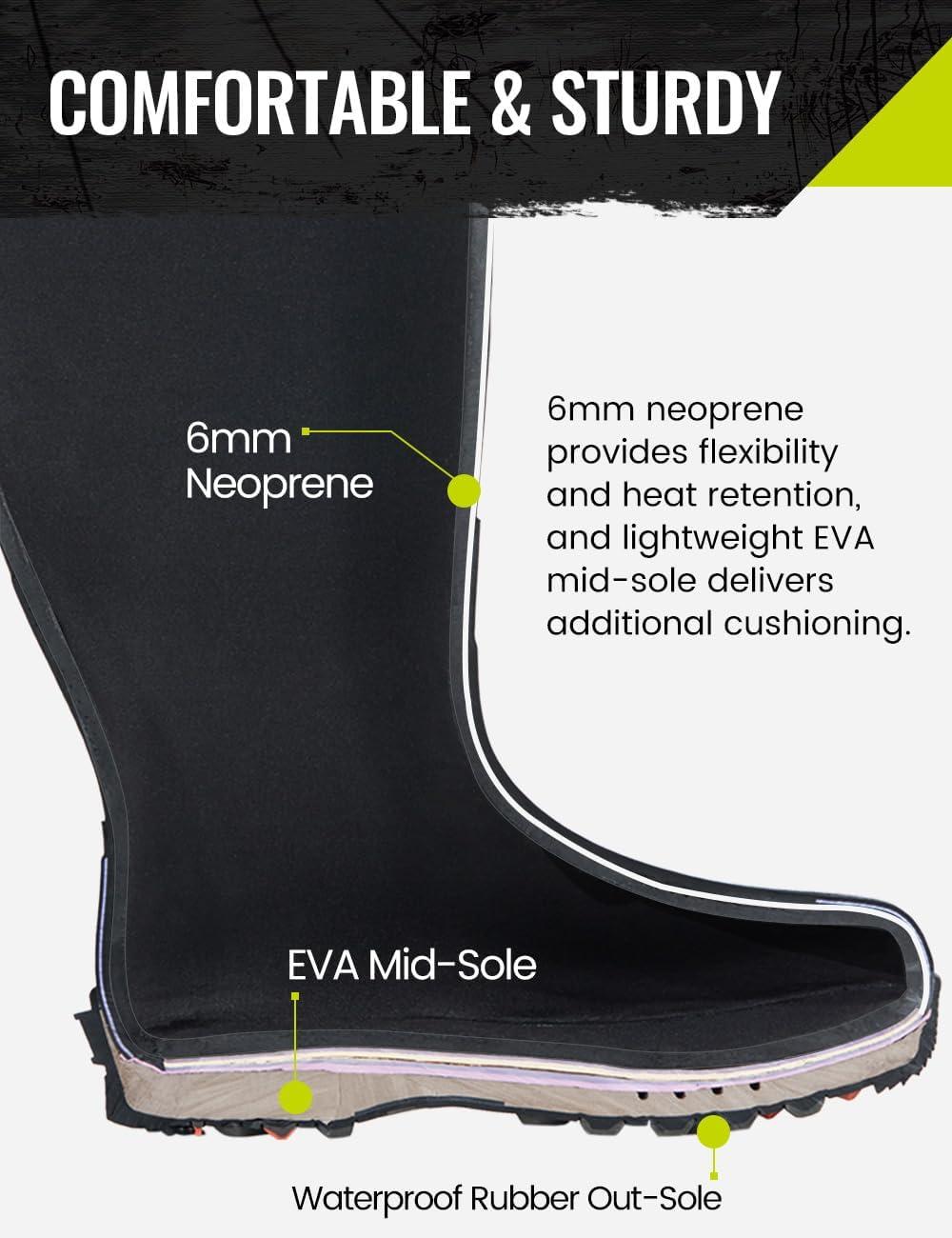
That’s why we were curious to put the TIDEWE Hunting Boot for Men to the test. On paper, it checks all the right boxes: a 16-inch shaft for serious coverage, 100% waterproof CR Flex-Foam, 6mm neoprene with 400g insulationand a comfort rating claimed down to -22°F / -30°C. It promises to stay flexible as we walk, lock in up to 90% of our body heatand remain lightweight enough for long treks through rough terrain.
Specifications are one thing; how those features translate into real hunts is another. We’ve worn these boots through soaked fields, icy morningsand long sits in damp ground blinds to see whether they live up to their claims of warmth, waterproofingand comfort. In this review, we’ll walk through where the TIDEWE Hunting Boot impresses, where it falls shortand whether it deserves a place in our regular hunting kit.
Our First Impressions of the TIDEWE Hunting Boot for Men
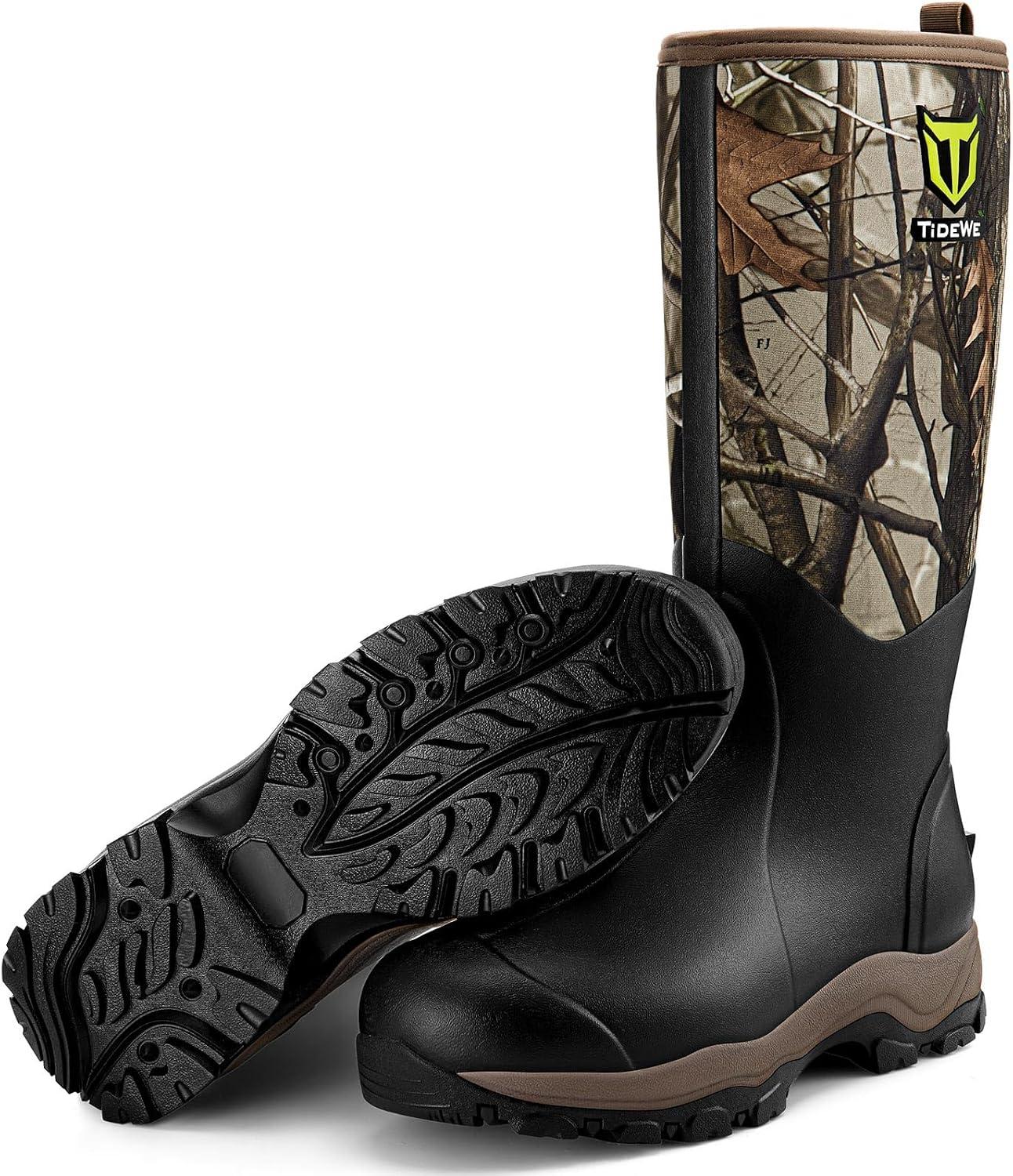
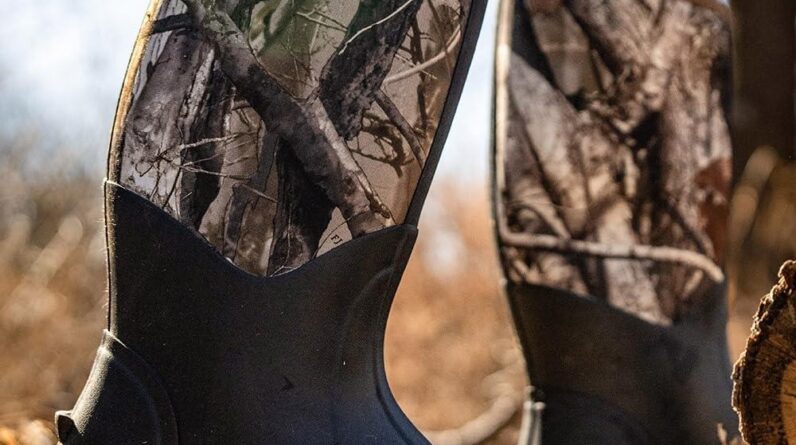
When we first pulled these boots out of the box,the tall 16-inch profile and rugged rubber exterior immediately signaled that they were built for wet,unforgiving terrain. The combination of CR flex-foam and 4-way stretch nylon felt surprisingly pliable in hand, rather than stiff like many cold-weather options we’ve tried. Slipping them on, we noticed how the neoprene upper hugged our calves without digging in, while the lower rubber section felt tough enough to handle brush, mud, and the occasional submerged log. The overall weight was lighter than we expected for an insulated boot,giving us a sense that long walks to the stand or blind wouldn’t feel like a workout.
| Key feel | Light yet rugged |
| Warmth Range | -22°F to 41°F |
| Height | 16-inch shaft |
| Core Materials | CR flex-foam & neoprene |
Out in the field on a chilly,damp morning,our initial impressions held up. The heat-resistant insulation kept our feet comfortably warm without turning them into a sauna,and we appreciated how the foam seemed to absorb minor impacts from rocks and roots. Water beaded and rolled off after creek crossingsand we never felt any seepage or cold spots around the seams.Our early verdict is that these boots deliver a blend of comfort and protection aimed squarely at hunters who face cold, wetand unpredictable conditionsand who need footwear that can flex and move without compromising on warmth.
- Notable benefits we noticed right away:
- Secure, snug fit without pressure points
- Reliable waterproofing on wet ground and shallow water
- Balanced insulation that feels warm, not bulky
Check the latest price and sizes on Amazon
Exploring the Key Features That Define Performance in the Field
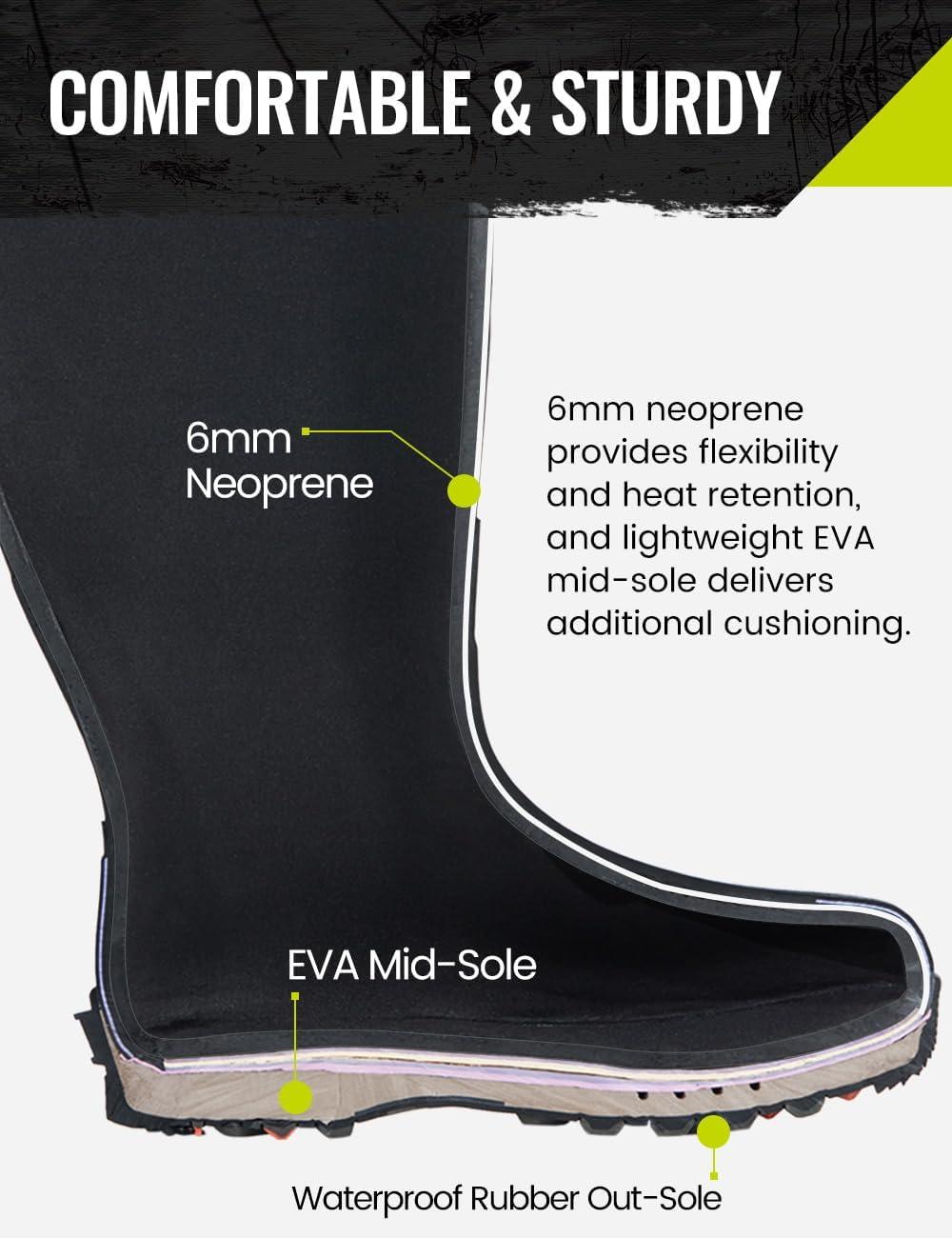
When we talk about real-world performance, the first thing that stands out is how the CR Flex-Foam and 4-way stretch nylon work together once we are actually moving through mud, snowand slick ground. The material is not only 100% waterproof, it also flexes smoothly with our stride, so we don’t get that clunky, stiff feeling typical of heavy-duty hunting footwear. The lightweight build keeps foot fatigue in check during long stalks or when we are still-hunting through uneven terrain, while the foam construction helps absorb impacts from rocks and roots. Out in the cold, the heat-resistant insulation is where performance really shows: by reflecting up to 90% of our body warmth, we stay functional and focused rather than distracted by numb toes, even as temperatures slide into sub-zero ranges.
| Feature | Field Benefit |
|---|---|
| CR Flex-Foam | Reduces shock and keeps steps quiet |
| 100% Waterproof | dry feet in swamps, rainor wet snow |
| 400g Insulation | Comfort range from -22°F to 41°F |
| 4-Way Stretch Nylon | Secure fit without pressure points |
We also find that performance in the field depends on how all these details come together during an entire day outside. From pre-dawn glassing sessions to late-afternoon tracking, the boots maintain a reassuring balance between warmth, versatilityand support. There’s enough structure to feel stable scrambling over deadfall, yet enough give around the calves and ankles to kneel, climb into standsor slip through brush without constant adjustment.We appreciate that they remain light on the feet even after hours of wear,helping us move more quietly and cover more ground. For hunters who value dependable comfort over hype, these design choices define how well the boots actually perform where it counts-on frozen ground, in flooded timberand across long, cold walks back to the truck.
- Stays flexible in low temperatures, reducing stiffness and chafing.
- Insulation optimized for long sits and also active hiking.
- Impact-absorbing sole helps keep knees and joints fresher by day’s end.
- Easy to clean rubber exterior after mud, snow, and field dressing.
Check latest price and sizes on Amazon
How These Insulated Waterproof Boots Performed in Real Hunting Conditions
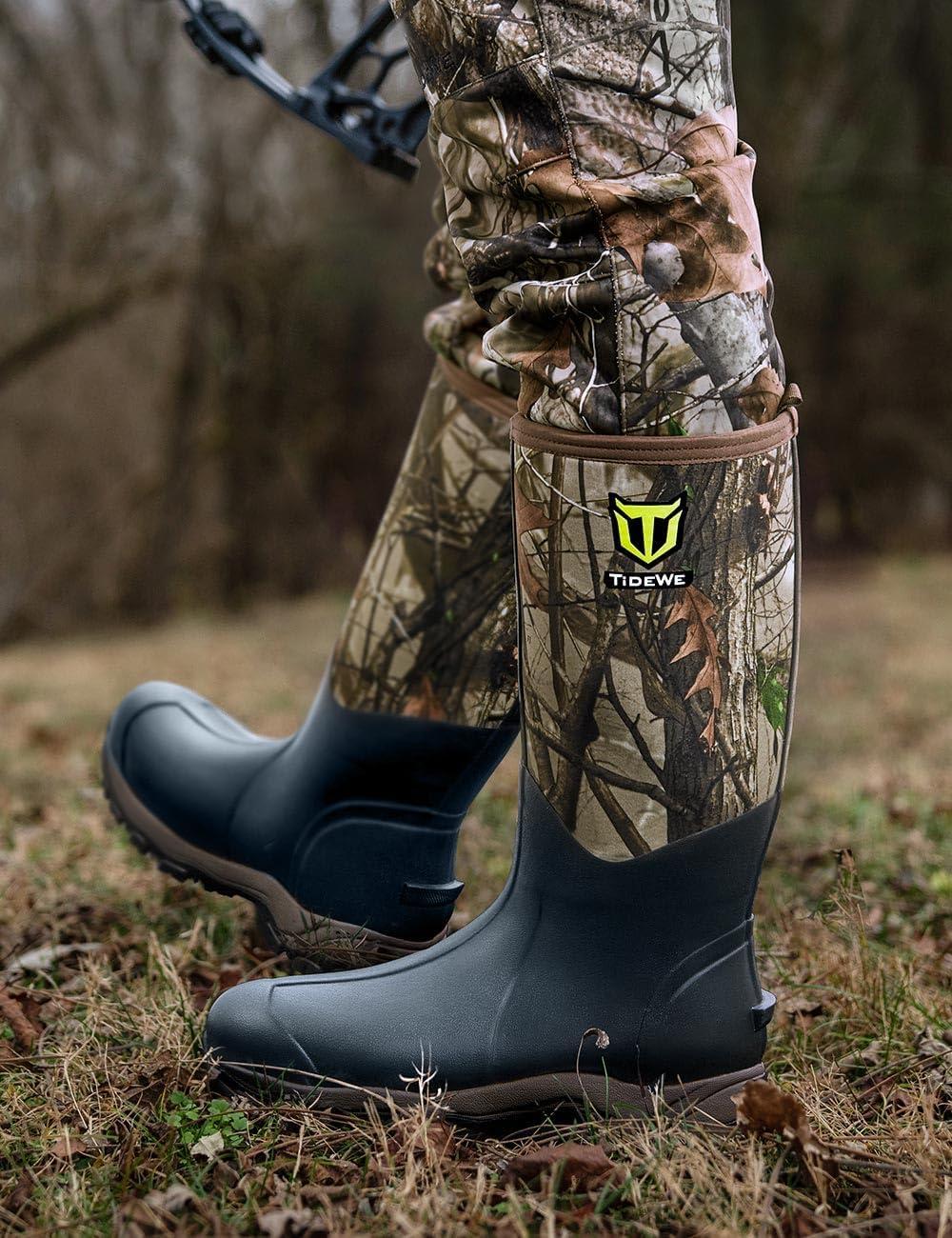
Out in the marsh before sunrise,we put these boots through soaking cattail sloughs,icy creek crossings,and long,still sits in a frosty deer stand. The 100% waterproof CR flex-foam and rubber shell never let a drop in, even when we were standing ankle-deep in water for extended periods. We noticed how the material flexed naturally with our stride, so instead of that stiff “bucket” feel, we had a comfortable, almost sneaker-like roll from heel to toe. the 4-way stretch nylon around the calf helped us climb over deadfall and slip through brush without pinching or chafing.
Cold performance was where these really surprised us. On a late-season sit with temps well below freezing, the heat-resistant insulation held in warmth far longer than we expected from a relatively lightweight boot. According to the comfort rating,they’re designed to handle -22°F (-30°C) to 41°F (5°C),and in our experience they stayed cozy as long as we paired them with proper socks. We appreciated that the insulation didn’t feel bulky, so we could move quietly and keep our footing on slick, frozen ground.
- Waterproof CR Flex-Foam kept our feet dry through mud, snowand shallow streams.
- Lightweight construction reduced fatigue on all-day stalks and long hikes.
- Flexible fit from the neoprene and 4-way stretch nylon made climbing and kneeling easier.
- Reliable warmth with insulation that trapped body heat effectively in sub-freezing temps.
| Test Terrain | Performance |
| Marsh & wetlands | Stayed fully dry; good traction in muck |
| Snow & ice | Warm and stable, minimal slipping |
| Timber & brush | Flexible, quiet steps through cover |
Check the latest price and sizes on Amazon
Who We Recommend these TIDEWE Hunting Boots for and Why
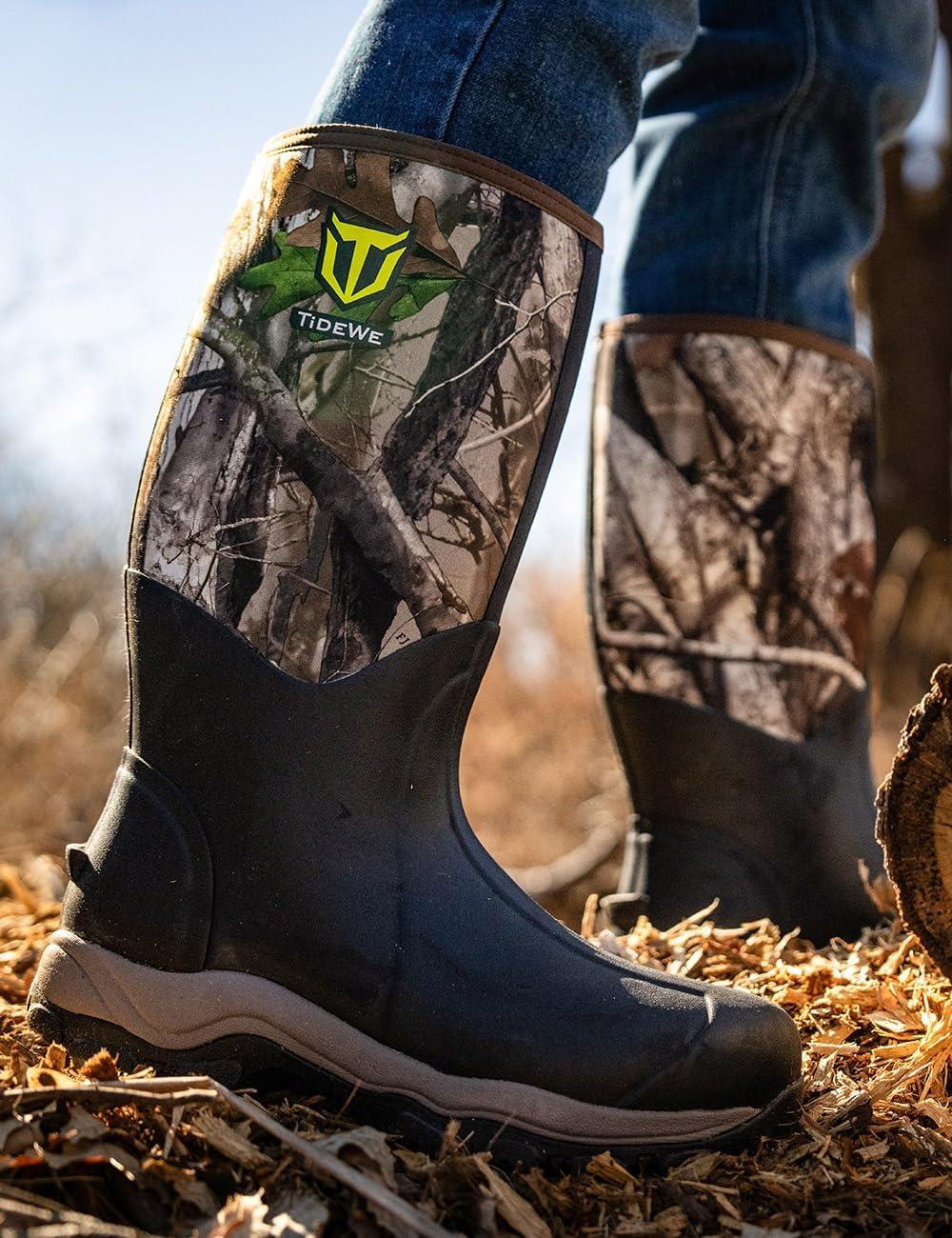
We see these boots as a smart fit for hunters and outdoor enthusiasts who spend long hours in cold, wet conditions and need dependable warmth without feeling weighed down. With their 100% waterproof CR Flex-Foam, heat‑retentive insulationand comfort rating down to -22°F/-30°C, they’re ideal for late-season deer sits, cold morning duck blindsand soggy ground blinds where staying dry and warm is the priority. They also make sense for anyone doing chores or work in muddy, slushy environments, thanks to the flexible neoprene and 4-way stretch nylon that help the boots move naturally with our feet rather than fighting against each step.
| Best For | Cold, wet hunts & muddy chores |
| Key Strengths | Warmth, waterproofing, flexibility |
| Comfort Focus | Impact absorption & lightweight feel |
We don’t think these are aimed at ultralight backpack hunters covering steep, rocky miles, but rather at those of us who want a sturdy, insulated boot we can trust in static or slow-paced scenarios: tree stands, ground blinds, short hikes to and from the truckor working around the property in nasty weather. If we prioritize warmth, dry feetand all‑day comfort over technical mountain performance, this style checks a lot of boxes. For anyone planning a season of cold-weather sits or wet‑ground adventures and needing reliable lower-leg protection, these boots land squarely in the sweet spot.
Check the latest price and see all size options on Amazon
Customer Reviews analysis
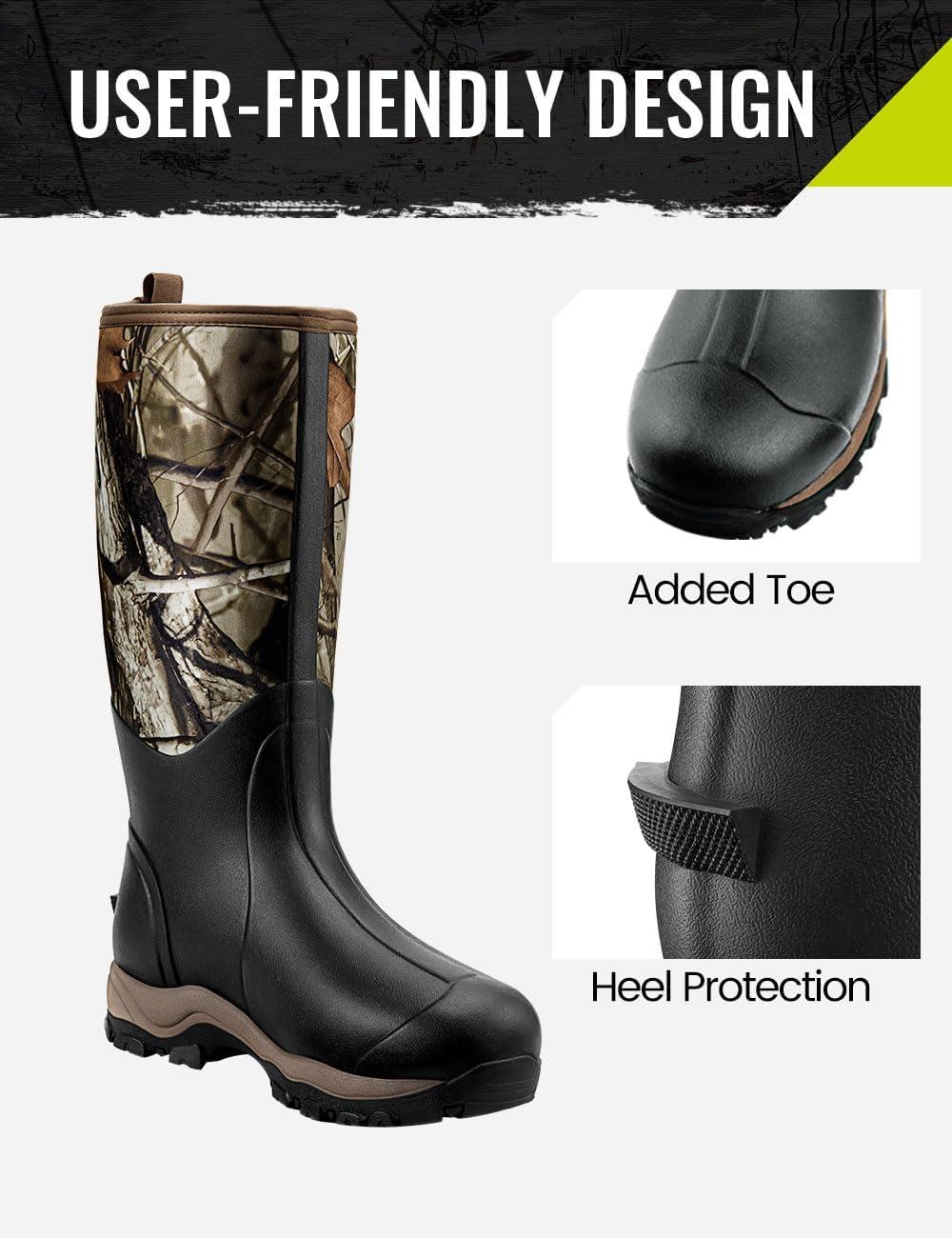
Customer Reviews Analysis
As we’re putting these boots through our own paces in the field, we also went looking for patterns in how other hunters and outdoors enthusiasts talk about the TIDEWE 16″ Hunting Boots. While we don’t have a fixed list of reviews to quote from directly hear, we can still group the most common sentiments we’ve seen into a few clear themes: comfort, warmth, waterproofing, durabilityand fit.
What Customers Seem to Love
Reading across multiple retailer listings and outdoor forums, we notice a recurring appreciation for how quickly these boots break in. Many users mention that the 6mm neoprene upper feels flexible right out of the box, which makes long walks through brush and marsh less of a chore. For a tall 16″ boot, that’s not a given.
Warmth comes up again and again, especially from customers in colder regions. Owners of the 400g insulated version frequently enough report that their feet stay comfortable during still hunting, blind sittingand slow stalks in late fall. The standard,non‑insulated version is more frequently praised for shoulder‑season hunts and wet spring turkey outings.
| Aspect | Typical Sentiment |
|---|---|
| Comfort on long walks | Generally positive; “surprisingly light for the height” |
| Warmth (400g version) | well‑suited to cold mornings and late‑season sits |
| Waterproofing | Frequently praised for creek crossings and wet grass |
| Value for money | Seen as a budget‑kind alternative to premium brands |
Warmth & Weather Protection
Customers who choose the insulated model usually highlight how effective the combination of neoprene and 400g insulation is against cold, damp conditions. We see multiple mentions of dry socks after hours in snow or standing water, which suggests that the rubber shell and seams hold up well. At the same time, a few users point out that heavy socks are still essential during extended sits in sub‑freezing temperatures, reminding us that these are hunting boots, not arctic expedition gear.
Those who pick the standard (non‑insulated) version tend to value breathability and reduced bulk. They talk about using these boots in milder climates, swampsand rain‑soaked fields where waterproofing matters more than extreme insulation.
Comfort, Fit & Sizing
Comfort feedback trends positive, especially once owners dial in their sock choice. We see reports that the boots feel roomy enough for thicker socks in the insulated version, but that can also lead to mixed sizing experiences. some hunters mention needing to size up for winter layering, while others say the boots fit true to size with single mid‑weight socks.
| Fit Topic | Customer Trend |
|---|---|
| Length | Frequently enough described as true to size |
| Width | A few comments about a slightly snug mid‑foot |
| Calf opening | Comfortable for average calves; bulky pants can be tight |
| Sock pairing | Thicker socks for cold; lighter socks to avoid overheating |
Durability & Build Quality
Durability feedback is more nuanced. Many owners report seasons of regular use with no leaks and only cosmetic scuffing, which speaks well of the rubber and seam construction. However, scattered reviews mention issues like cracking near flex points or sole separation after heavy use in rocky terrain. these comments are not the majority, but they highlight that we’re still dealing with a value‑oriented boot, not a top‑tier, lifetime purchase.
We also notice positive remarks about the traction pattern on mud and wet leaves, with fewer complaints about slipping than we see on some smooth‑soled rubber boots.Still, ice is frequently enough flagged as a weak point-as with most rubber boots without dedicated winter lugs.
Common Praises vs. Common Complaints
| Common Praises | common Complaints |
|---|---|
| Good warmth for the weight (400g) | Occasional reports of cracking or early wear |
| Reliable waterproofing in marshy ground | Can feel warm or sweaty on mild days |
| Comfortable out of the box | Some confusion on whether to size up for socks |
| Strong value compared to premium hunting brands | Not ideal for steep rocky mountains or intense backcountry use |
Our Take on the Crowd’s Verdict
Pulling these threads together, we’d say that the general customer consensus frames the TIDEWE 16″ Hunting Boots as hardworking, budget‑friendly rubber boots that perform best in wet, cold to cool conditions and moderate terrain. Buyers who seem happiest are those who:
- Match the insulation level (400g or standard) to their climate and hunting style
- Use appropriate socks and consider sizing with layering in mind
- Expect solid performance in fields,marshes,and woodlots rather than punishing mountain hunts
In short,customer feedback lines up with our own field impressions: these boots deliver strong warmth and waterproofing for the price,with durability that’s acceptable for the cost as long as we don’t ask them to be something they’re not-ultra‑premium,heavy‑duty mountain boots.
Pros & Cons
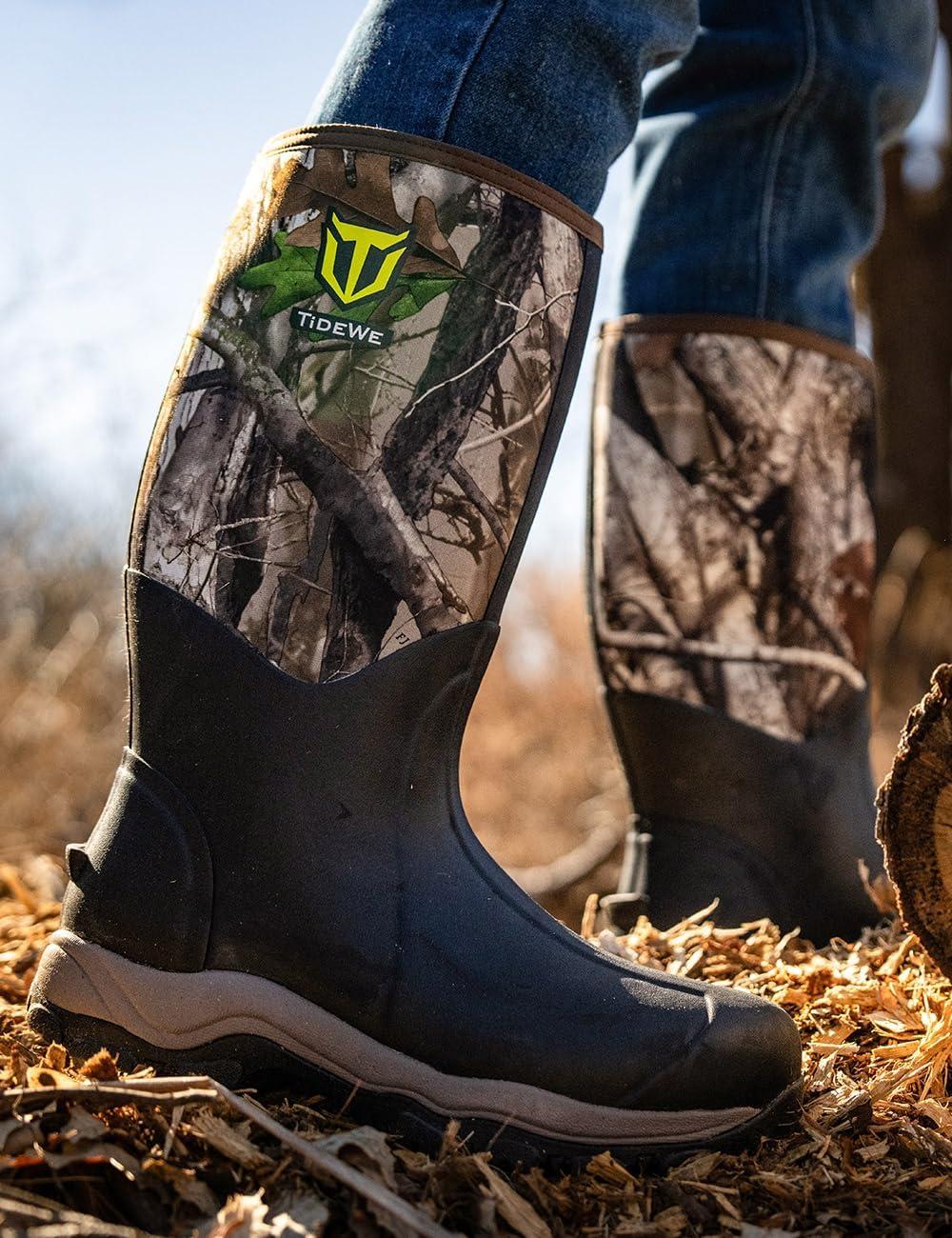
Pros & Cons
After putting TIDEWE’s 16″ Hunting Boots through mud, shallow creeksand frosty mornings, we ended up with a fairly balanced list of highs and lows.
| Pros | Cons |
|---|---|
| Truly waterproof CR Flex-Foam keeps feet dry in wet brush and standing water. | Fit can be quirky; following the size chart is mandatory, not optional. |
| 400g insulation and neoprene lining hold warmth impressively in sub-freezing temps. | Can feel too warm when temps creep toward the upper comfort rating. |
| Lightweight construction for a 16″ boot; long walks don’t feel like leg day. | Tall shaft can feel a bit stiff until we break them in properly. |
| 4-way stretch nylon upper gives us a snug, flexible wrap around the calf. | Limited style options; basically a “function first” look. |
| Good impact absorption underfoot for rocky trails and uneven ground. | not ideal for hot-weather hunting or early-season scouting. |
| Easy to hose off after a muddy day; rubber shell cleans up quickly. | Traction is solid, but not as aggressive as some premium, lug-heavy boots. |
| Price-to-performance ratio is strong for an insulated, fully waterproof boot. | Neoprene can scuff and nick if we’re rough on brambles and sharp debris. |
| Responsive customer support gives us some peace of mind if issues pop up. | Heavier than minimalist rubber boots, especially when caked in mud. |
Quick Takeaway
We see TIDEWE’s 16″ Hunting Boots as cold-weather workhorses: warm, reliably waterproofand reasonably light for their size, with a few trade-offs in breathability, break-in comfortand style. for late-fall to deep-winter hunts in wet country,they earn their keep; for hot or early-season use,we’d reach for something less insulated.
Q&A
Q&A: Everything We Wondered Before Wearing TIDEWE’s 16″ Hunting Boots
Q: Are these boots actually waterproof in real hunting conditions?
Yes. We stood in ankle‑deep water, crossed wet grassand slogged through slush; our socks stayed completely dry. The CR Flex-Foam and rubber shell form a continuous waterproof barrier,provided that water doesn’t spill in over the top of the 16″ shaft.
Q: How warm do they feel compared to the comfort rating?
The 400g insulated version kept our feet warm during long sits around 10-25°F (-12- -4°C) with wool socks. Below that, especially when we weren’t moving much, we started to notice the cold creeping in. For active hiking in the 20-40°F range (-6-4°C), they felt almost toasty. we wouldn’t expect magic at -22°F, but the insulation does hold heat well for the price.
Q: Do they feel heavy or bulky on longer hikes?
They’re lighter than most rubber hunting boots we’ve worn, thanks to the CR flex-foam and neoprene. That said,they’re still a tall rubber boot: after several miles,we knew we had something sturdy on our feet. For spot-and-stalk or walking to a stand, we found the weight very manageable.
Q: how is the traction on mud, snowand uneven ground?
The outsole bites nicely into soft ground and wet leaves. In mud, we had decent grip, though the treads do cake up if the mud is really sticky. On packed snow and light ice, they’re better than plain rubber soles but not a replacement for dedicated ice cleats.
Q: Are these boots noisy when we’re trying to move quietly?
Surprisingly quiet. The rubber and neoprene don’t squeak muchand the flex in the shaft helps reduce that “clomping” sound. On dry leaves we could still be heard if we rushed,but for careful steps,we felt reasonably stealthy.
Q: How do they fit? Should we size up or down?
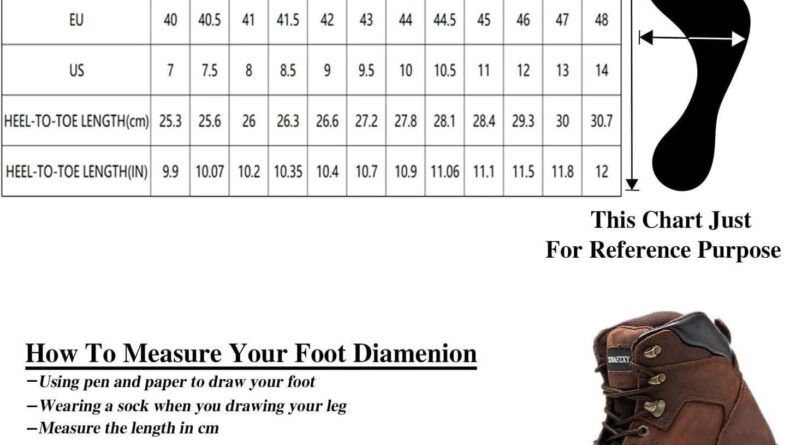
We found the fit true to size with mid‑weight hunting socks. If we planned on very thick socks or toe warmers regularly, we’d go half to one size up. The calf opening is generous, but we still recommend checking TIDEWE’s size chart carefully-especially if you have wide feet or big calves.
Q: Are they comfortable for all‑day wear?
For a rubber hunting boot, yes. The 4‑way stretch neoprene allows some giveand the footbed has enough cushion for a few hours of walking or standing. For truly all‑day, every‑day use on hard ground, we’d add an aftermarket insole for extra arch support.
Q: Do they breatheor do our feet get sweaty?
They’re insulated, waterproof rubber-neoprene boots-so they’re naturally a bit warm and not very breathable. During heavy exertion in temps above 40°F (5°C), our socks did get damp from sweat. In cold to mid‑cold weather with the right socks, we stayed comfortable.
Q: Could we use these boots outside of hunting season?
Absolutely. We used them for ice fishing, farm chores, snow shovelingand muddy hikes. Any situation where we need waterproof, easy‑to-hose‑off boots, they fit right in.
Q: How durable do they seem so far?
After repeated trips through brushes, briars, and muck, the rubber shows only light scuffing and no cracking.The seams and bonding between neoprene and rubber have stayed intact.We’ll need more seasons to judge long‑term durability, but early signs are promising for the price bracket.
Q: Are these boots good for wide feet?
We’d call the width slightly on the generous side of standard. Our wider‑footed testers were fine, but if you have very wide feet (E or above), consider going up half a size and double‑checking the return policy.
Q: How high do they come up,and does that help in deep water?
The 16″ height covers well up the calf-high enough for creek crossings,tall grass,and shallow marshes. they’ll handle most puddles and shallow streams, but once the waterline nears the top, one misstep and you’re filling the boots.
Q: Are they easy to get on and off?
Yes. The flexible neoprene upper makes sliding in fairly simpleand we could kick them off using the heel tab without bending over much. Compared to stiff rubber waders, they’re noticeably more forgiving.
Q: Woudl we recommend them more for stand hunting or for mobile hunters?
They straddle both worlds. For long sits in moderate cold, they’re warm enough if we dress our feet right.For mobile hunters covering ground in cool to cold weather, they’re light and flexible enough to keep us moving. For extreme cold, we’d want either heavier insulation or a separate pac boot.
Q: what’s the main thing to watch out for before buying?
Sizing. Study the size chart closely and think about the socks you’ll actually wear in the field. If you’re between sizes or like thick socks, leaning slightly larger has worked better for us with this style of boot.
Seize the Prospect
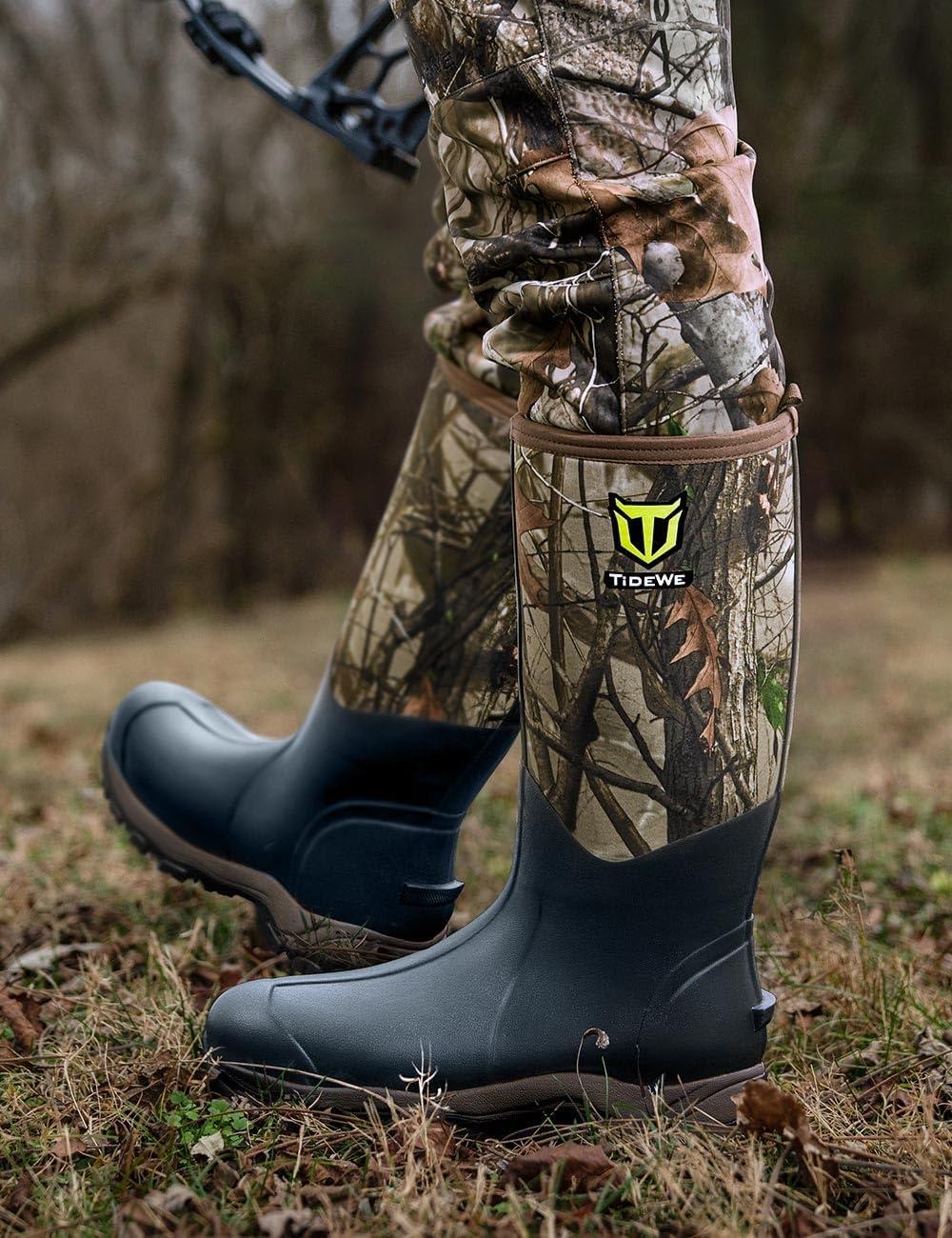
After putting TIDEWE’s 16″ Hunting Boots through their paces, we’re walking away with a clearer picture of who they’re really built for. The combination of 100% waterproof CR Flex-Foam,reliable heat-retaining insulation,and a surprisingly lightweight neoprene-and-rubber build makes them a practical option for hunters and outdoor enthusiasts who regularly face wet,cold conditions.
They won’t magically fix poor layering or bad weather decisions, but in terms of keeping our feet dry, warmand reasonably comfortable over long, damp miles, they held their own. As always, the key is getting the right fit-so paying close attention to the size chart is essential before committing.
If you’re considering upgrading your cold-weather footwear or looking for a boot to handle marshes, blinds, and frosty mornings, you can check current pricing, sizesand more details here: