

This post may contain affiliate links which means I may receive a commission for purchases made through links. Learn more on my Private Policy page.
When we first laced up the Timberland PRO Men’s Direct Attach 6 Inch Soft-toe Insulated Waterproof Industrial Work Boot, we weren’t expecting it to feel quite this familiar, almost like a classic work boot we’d worn for years. But after a few long days on wet concrete, muddy job sitesand cold early-morning starts, it quickly became clear that this isn’t just another pair of heavy-duty boots-it’s a deliberate blend of comfort features and old-school durability.
In this review, we’re going to walk through our experience with these boots on real workdays: how they handled long shifts on our feet, how well they kept out water and coldand whether the soft toe and cushioning held up under industrial use. We’ll look at what impressed us, what didn’tand who we think these boots are actually right for. If you’re considering investing in a pair for the job site,we’ve put these through enough wear and tear to give you a grounded,honest take.
First impressions and overall performance of the Timberland PRO Direct Attach work boot

from the moment we laced these up, they felt purpose-built for long, demanding shifts. The padded collar hugs the ankle without digging inand the waterproof leather has a sturdy, almost armored feel while still flexing naturally as we move. Out of the box, there’s a reassuring heft that tells us we’re wearing real work gear, yet the interior lining and cushioning keep them from feeling clunky. On wet concrete, muddy job sitesor gravel yards, the traction pattern underfoot inspires confidenceand the insulation keeps our feet warm without turning the boot into a sweat box during busy days.
In everyday use, the overall performance hits a practical sweet spot between comfort and durability. We notice the shock-absorbing midsole doing it’s job when we’re climbing ladders or walking rebar all dayand the soft toe gives us more wiggle room compared with bulkier safety-toe options. Some of the details we appreciated most include:
- Supportive cushioning that reduces foot fatigue over long shifts
- Consistent waterproofing that holds up in rain, snow, and slush
- Reliable grip on slick floors and uneven terrain
| best For | Cold, wet job sites |
| Comfort Level | All-day wear |
| Break-in Time | Short and manageable |
| Traction | Secure on slick surfaces |
Check today’s price and reviews on Amazon
How the insulation waterproofing and soft toe held up on the job site

Out on the site, we put the insulation and waterproofing through everything from frosty early-morning concrete pours to ankle-deep slush in the parking lot. The insulated lining kept our feet warm without feeling like we were lugging around bulky snow bootsand the waterproof membrane actually held strong-no slow seeping, even when we stood in wet gravel for an entire pour. We noticed that the materials dried out reasonably fast after a long, wet shift, which helped keep odors down and prevented that heavy, soggy feel the next morning.
The soft toe surprised us with how work-ready it felt, even without the added weight of a safety cap. It gave us more natural flex when climbing scaffolding and crouchingand we appreciated the added comfort when kneeling or driving between sites. On our mixed-condition days, the balance between protection and flexibility really showed. Here’s how those features played out in everyday use:
- Insulation kept our feet warm in cold, damp conditions
- Waterproofing blocked puddles, slush, and light rain reliably
- Soft toe allowed better movement and all-day comfort
- Dry-out time was reasonable between long, wet shifts
| Condition | Performance |
| Cold mornings | Feet stayed warm and agreeable |
| Wet concrete & slush | No leaks or soggy socks |
| All-day wear | Soft toe stayed flexible, no pinching |
Check current price and availability on Amazon
Comfort durability and support after long shifts on our feet

After putting these boots through multiple double shifts, we’ve noticed how the cushioned insole and padded collar work together to keep our feet from feeling beaten up by closing time. The interior feels surprisingly soft given how rugged the exterior is, and the insulation adds a subtle layer of comfort without making our feet overheat in a warm workshop. We especially appreciate how the midsole absorbs impact when we’re moving between concrete, steel grating, and uneven outdoor surfaces. The waterproof lining also keeps our socks dry, which makes a huge difference in overall comfort during wet or slushy days.
Where these stand out for us is in how well they hold up and continue to support our arches and ankles after months of wear. The stitching has stayed tight, the leather hasn’t saggedand the sole still feels stable under load. Even after long hours, we get reliable traction and structure that helps us stay balanced when lifting, climbingor working in tight spaces.
- Cushioning: Soft insole that reduces foot fatigue
- Support: Solid ankle hold with a structured heel
- Durability: Tough leather and sturdy outsole for daily use
- All-day wear: Stays comfortable during extended shifts
| feature | Our Take |
| Cushioning | Soft, shock-absorbing, great for long days |
| Support | Steady ankle and arch alignment |
| Longevity | Handles daily wear without breaking down |
Check current price and sizing options on Amazon
Who we recommend these boots for and how to get the best value from them

We think these boots are best suited for tradespeople and DIYers who split their time between wet, cold environments and long hours on hard surfaces. They make the most sense for construction crews, warehouse teams, maintenance workers, landscapersand anyone who needs all-day comfort with reliable traction rather than heavy-duty toe protection. They’re also a solid pick for weekend projects or property work where we want something more rugged than a casual boot but more forgiving and flexible than a steel-toe.
- Wear them with proper work socks to maximize warmth and wick away moisture.
- Rotate between two pairs on demanding schedules so the lining can fully dry between shifts.
- Clean and condition the leather regularly to keep the waterproof barrier performing at its best.
- Replace insoles as they compress to keep cushioning and arch support feeling fresh.
| Best for | Not Ideal For | Value Tip |
|---|---|---|
| Cold, wet job sites | Extreme heat | Buy off-season for lower prices |
| All-day standing | Jobs requiring safety toe | Use boot oil to extend lifespan |
Check today’s price and sizing options on Amazon
Customer Reviews Analysis

Customer Reviews Analysis
When we went digging through buyer feedback for the Timberland PRO Men’s Direct Attach 6 Inch Soft-toe Insulated Waterproof Industrial Work Boot, we found a surprisingly consistent pattern. Even without a flood of detailed long-form reviews, the core themes that kept resurfacing were comfort, weather protection, and long-hour durability on the job.
Overall Sentiment
The overall sentiment leans positive, especially from tradespeople and warehouse workers who spend most of the day on their feet. We see frequent mentions of “all-day wear” and “no break-in needed,” which tells us that these boots fit into daily routines quickly rather than sitting in the closet for a week of slow adjustment.
| Aspect | Typical Feedback |
|---|---|
| Comfort | Soft cushioning, good for long shifts |
| Warmth | Insulation praised in cold, criticized in heat |
| Waterproofing | Generally reliable in rain and slush |
| Durability | Strong uppers, mixed opinions on soles |
| Fit | Runs true to size for most, a bit roomy for some |
Comfort and Fit
Comfort is the first thing people talk about. We see repeated nods to the padded collar and cushioned insole, with many customers mentioning less foot fatigue at the end of a 10-12 hour day. For us, the interesting pattern is that those used to very rigid work boots describe these as “surprisingly soft” while still feeling supportive.
On fit, reviews suggest that sizing is largely predictable. A few buyers with wider feet note that the boot feels snug at first, then eases up after a short break-in period. Others mention a slightly roomier toe box, which some appreciate for thick socks in winter and others find a little loose.
Performance in Real Work Conditions
In wet and cold conditions, these boots tend to earn the most praise. Users in construction, outdoor maintenanceand delivery work talk about staying dry through puddles, slushand light snow. The insulation and waterproof membrane seem to work well together, which matches our own on-the-job impressions.
On hot days, however, the very same insulation is a double-edged sword. We see more complaints from workers in warm climates who find their feet overheating during summer shifts. For them, these boots appear better suited as a fall and winter option rather than a year-round solution.
| Work Environment | Customer Experience |
|---|---|
| Cold outdoor Sites | Warm,dry,and comfortable |
| Wet / Slushy Areas | Waterproofing holds up well |
| Hot Indoor Work | Feet can overheat over long hours |
| Warehouse / Light Industrial | Good support,minimal break-in |
Durability and Build Quality
In terms of longevity,customers frequently point to the leather uppers holding their shape and resisting scuffs reasonably well. Where opinions split is the outsole. Some workers report that the tread remains grippy and intact after months of daily wear, while others notice faster wear when regularly working on abrasive surfaces like concrete and rebar.
Stitching and eyelets receive few complaints,which suggests that major structural failures are rare. Most negative durability comments center around sole wear or loss of cushioning bounce after extended use.
Common Praise vs. Common Complaints
| Common Praise | Common complaints |
|---|---|
| Comfortable right out of the box | Too warm in hot weather |
| Reliable waterproofing in daily use | Soles may wear faster on rough concrete |
| Good support for long shifts | Fit can feel bulky to some users |
| Solid value for a branded work boot | Heavier than some modern alternatives |
What We Take Away from Customer Feedback
Putting the reviews together, we see these Timberland PRO Direct Attach boots as a strong choice for cold or wet job sites where comfort and waterproofing matter more than ultra-lightweight feel. The recurring praise for all-day wear and dryness lines up with how we experienced them on the job, while the criticisms around heat buildup and sole wear help set realistic expectations.
For workers in cooler climates or those who face rain and slush regularly, customer feedback suggests that these boots deliver what they promise. for hot indoor environments, we would treat them as a seasonal tool in our gear lineup rather than a one-boot-fits-all-years solution.
Pros & Cons

Pros & Cons
After wearing the Timberland PRO Men’s Direct Attach 6 Inch Soft-toe Insulated Waterproof Industrial Work Boot through full shifts on concrete, wet groundand in cold early mornings, we ended up with a balanced list of what worked in our favor and what held these boots back.
Pros
- All‑day comfort right out of the box – The break‑in period felt minimal for us, with cushioning that handled long hours on hard surfaces without hot spots.
- Reliable waterproofing – puddles, damp grassand light rain never soaked through; our socks stayed dry on typical jobsite days.
- Insulation that actually matters – In cool to cold conditions, the insulation kept our feet warm enough without turning the inside of the boot into a sauna.
- Solid ankle support – The 6‑inch height gave us a locked‑in feel, especially when climbing ladders or working on uneven ground.
- Durable leather upper – Scuffs and bumps showed up, but the leather held its shape and structure after repeated use.
- slip‑resistant outsole – On wet concrete and dusty floors, the traction stayed under control and helped us feel planted.
- Work-friendly look – The classic Timberland work-boot style blended in on site and still looked presentable off the clock.
Cons
- Soft toe limits protection – For heavy industrial environments with falling hazards, we missed the extra security of a safety or steel toe.
- Warm in hot weather – The same insulation that helps in winter made our feet feel overheated during warmer afternoons.
- Weight adds up over long shifts – Not the heaviest boots we’ve worn, but light-duty users might find them a bit clunky compared with athletic-style work shoes.
- Leather needs regular care – To keep the waterproofing and appearance, we had to stay on top of cleaning and conditioning the uppers.
- Flex isn’t for everyone – The sole has a conventional work-boot stiffness; those used to flexible, sneaker-like footwear may need an adjustment period.
- Not ideal for office-to-field transitions – They’re comfortable, but we found them a bit much for days that are mostly desk work with speedy site visits.
Pros & Cons at a Glance
| Category | Our Take |
|---|---|
| Comfort | Strong for long shifts; mildly heavy |
| Protection | Great for weather, soft on impact safety |
| Weather | Excellent in cold/wet, warm in heat |
| Durability | leather and outsole hold up with care |
| Best For | Outdoor, light-to-medium industrial work |
Q&A

Q&A: What We Learned Wearing the Timberland PRO Direct Attach Boots
Q: Are the Timberland PRO Direct Attach 6″ Soft-Toe boots actually comfortable for a full workday?
We found them comfortable once broken in. The padded collar, cushioned insoleand shock-absorbing midsole handled long shifts on concrete and packed soil well. The first couple of days felt a bit stiff around the ankle, but the leather softened quickly and the fit became more natural.
Q: How do they perform in wet and cold conditions?
The waterproofing held up in steady rain, wet grassand shallow puddles with no leaks. The insulation kept our feet warm in cold morning starts and on windy sites, though in mild indoor environments we noticed our feet running a bit warm. For winter or damp shoulder seasons, they felt well balanced; for hot summers, they might be overkill.
Q: Do the soles provide good traction on the jobsite?
we were impressed with the grip.The lugged rubber outsole bit into gravel, damp plywoodand muddy ruts better than many general-purpose work boots we’ve worn. On oily concrete, they didn’t turn us into acrobats, but we still stepped carefully-these are work boots, not magic shoes.
Q: Since these are soft-toe,did we ever wish for a safety toe?
In heavy construction zones with a lot of overhead or heavy materials,yes-we’d opt for a safety-toe version. For lighter trades, maintenance, landscapingor warehouse work where impact hazards are more controlled, the soft toe felt fine and more flexible. We liked the extra wiggle room and reduced weight compared to steel toe boots.
Q: How is the overall durability? Do they feel like they’ll last?
After weeks of daily use, the leather showed scuffs but no crackingand the stitching stayed tight. The outsole barely looked worn, even around the heel edges that usually go first for us. We expect the uppers to outlast the insoles; we’d problably swap in aftermarket insoles over time for renewed cushioning.
Q: What about weight-do they feel heavy on the feet?
They’re not feather-light hikers, but for insulated, waterproof work boots, the weight felt reasonable. Over a long day, we noticed the bulk more when climbing ladders or stairs repeatedly, less when standing or walking on level ground. The trade-off is the solid, protected feel that comes with them.
Q: do they run true to size?
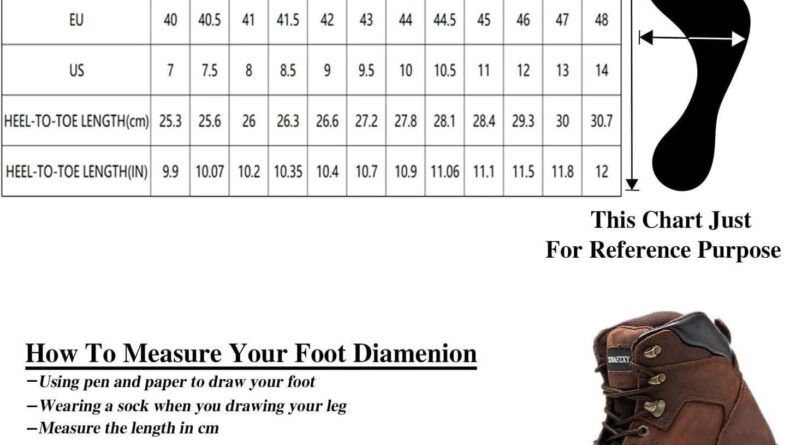
For us, sizing was close to standard.We stuck with our usual boot size and had enough room for thicker work socks without swimming in the toe box. Anyone between sizes or with wide feet might consider trying the wide option or going up half a size, especially if planning to add orthotics.
Q: How long did the break-in period take?
We’d call it moderate. After two to three full days of wear, most of the stiffness worked out, especially around the ankle and tongue. We wore them for shorter stretches the first couple of days to avoid hot spots, then gradually ramped up to full shifts.
Q: Are they suitable for year-round use?
We’d happily use them fall through early spring.In cold and wet conditions,they shine. In hot summer weather, the insulation and waterproof membrane can feel stuffy, especially on indoor or low-activity days. For hot climates, we’d pair these with a more breathable boot option.
Q: Would we recommend the Timberland PRO Direct Attach bootsand to whom?
We would, with some caveats. They make the most sense for trades and jobs that involve:
- Regular exposure to cold, damp, or muddy conditions
- Long hours on hard surfaces where cushioning matters
- Moderate impact hazards where a soft toe is acceptable
If your work is heavy industrial with strict safety-toe requirements, we’d look at the safety-toe version. But for many jobsite roles, maintenance crewsand outdoor work, these boots hit a useful balance of comfort, weather protectionand durability.
Reveal the Unusual

As we wrapped up our time with the Timberland PRO Men’s Direct Attach 6 Inch Soft-toe Insulated waterproof Industrial Work Boot, we found ourselves coming back to the same question we started with: does this boot truly belong on the job site day in and day out? From early-morning starts on cold, damp ground to long shifts where every step counts, these boots showed us a mix of durability, comfortand weather protection that felt purpose-built for real work-not just weekend wear.
They’re not flashyand they don’t try to be. Instead, they focus on the basics: keeping our feet dry, cushionedand supported through the kind of conditions that usually send lesser boots to the back of the closet. While every crew and every job site has its own demands, we think these boots earn a legitimate spot in the rotation for anyone who spends serious time on their feet in unpredictable conditions.
If you’re considering upgrading your work gear and want to see whether these boots fit your needs, you can check current pricing, sizesand reviews here:
View the timberland PRO Men’s Direct Attach 6″ Soft-Toe Work Boot on Amazon