


This post may contain affiliate links which means I may receive a commission for purchases made through links. Learn more on my Private Policy page.
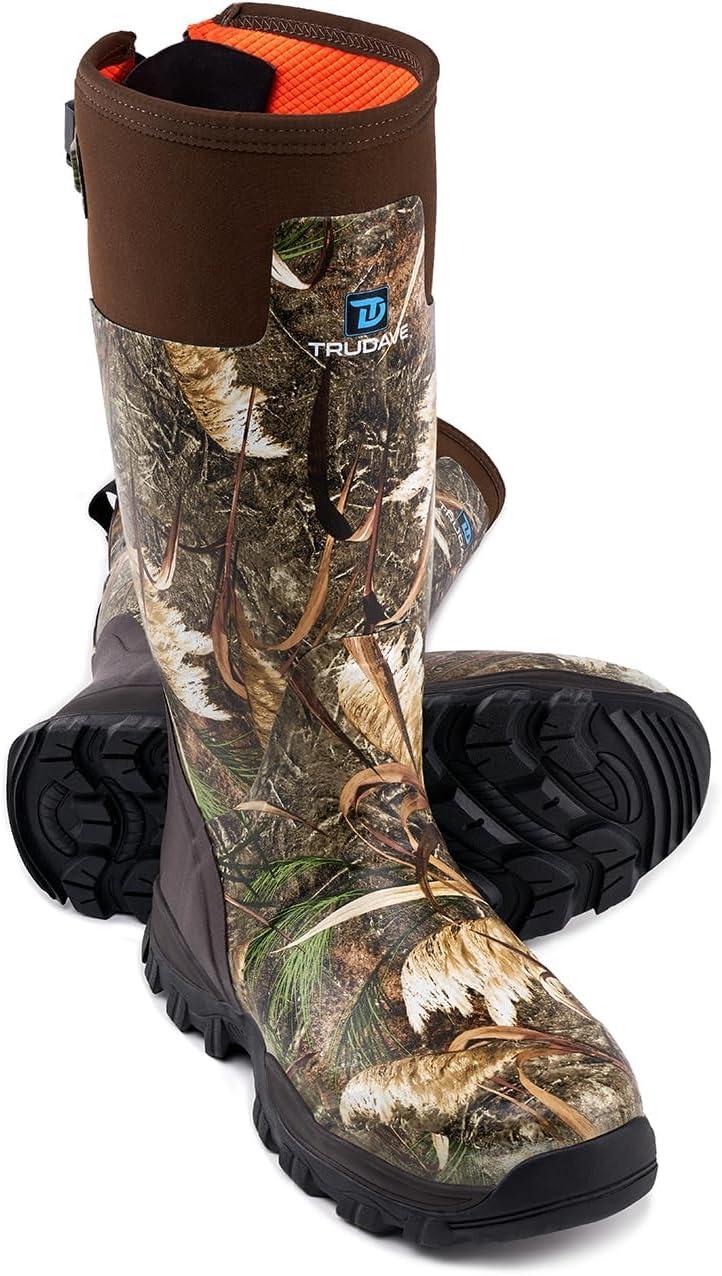
When the woods are still, the air is sharpand the ground is slick with mud, the last thing we want to think about is our feet. Yet time and again, the wrong pair of boots has cut our hunts short-whether from soaked socks, frozen toesor sore arches after a long hike in and out of the stand.That’s what led us to try the Trudave Hunting Boots for Men, a pair of waterproof rubber boots with a steel shank and 5mm neoprene insulation wrapped in a classic camo pattern.
over the past few outings,we’ve dragged these boots through wet fields,shallow creeks,and cold,leaf-littered trails to see if they could really keep up with the demands of a full day outdoors. On paper, they promise warmth, supportand reliable waterproofing in a size range that should fit most hunters (5 through 14). In practice, we wanted to know: do they actually deliver the comfort and durability we need, or are they just another pair of rubber boots that look the part but fall short when conditions get rough?
In this review, we’ll walk through our experience with the Trudave Hunting Boots-from unboxing and fit to real-world performance in the field-so we can decide together whether these belong in our regular hunting rotation or back in the gear closet.
Our First Days In The Field With The Trudave Hunting Boots
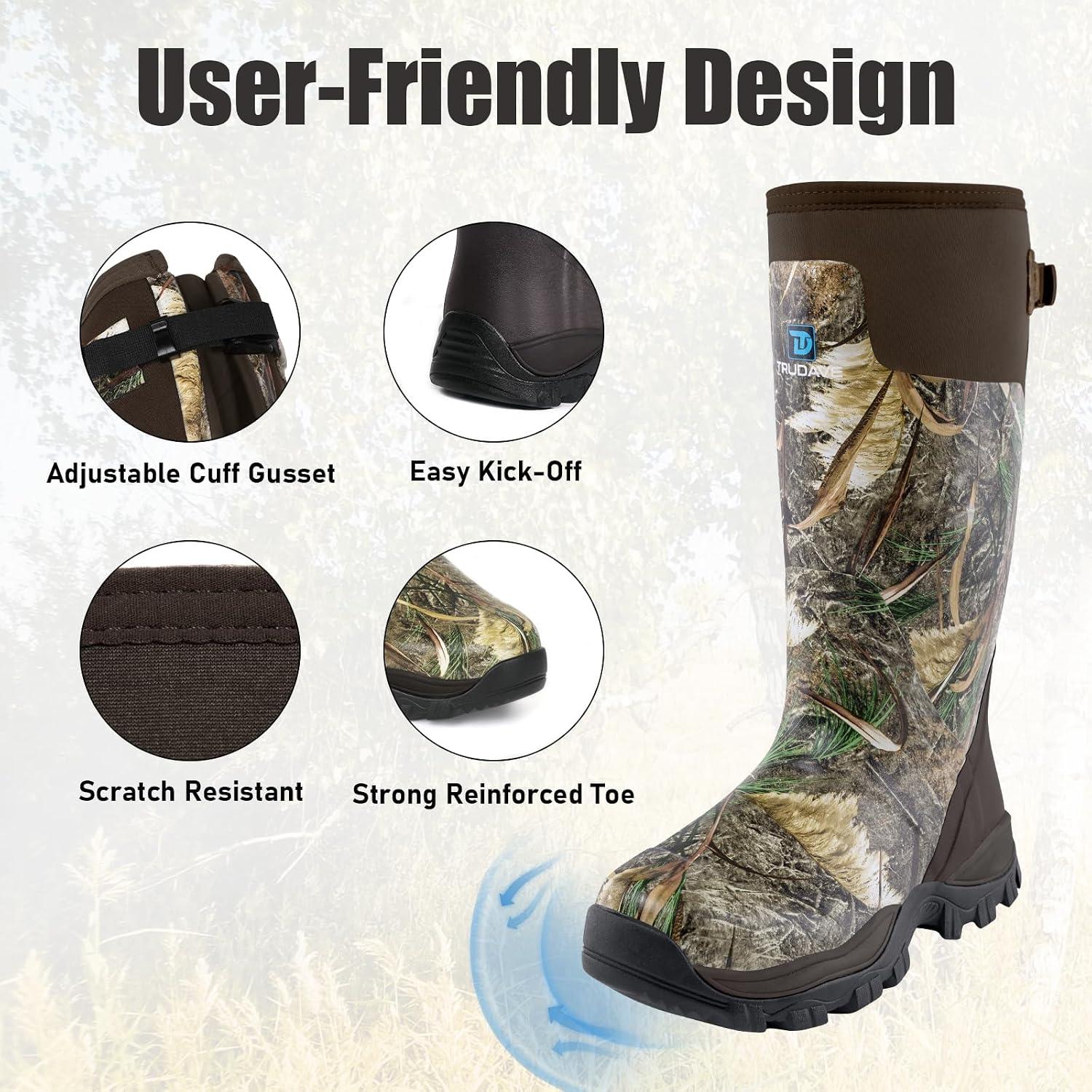
When we laced up for our first pre-dawn walk to the stand, the swampy trail gave these boots a serious baptism. The shallow creek crossings, slick mudand frost-hardened roots did their best to trip us up, but the steel shank kept our footing steadyand the 5mm neoprene lining trapped just enough warmth without making our feet feel bulky. After several hours of still-hunting in chilly air, our socks stayed dry and our toes never edged into that numb, aching zone we’ve come to expect from lesser footwear. We also appreciated how the camo pattern blended into brush and leaf litter, especially when we tucked pant legs neatly over the tall rubber uppers.
| Terrain | Comfort | Noise Level |
| Wet trails | Secure, cushioned stride | Quiet, low squeak |
| Cold blinds | Consistent warmth | minimal shifting sounds |
By the end of a long weekend-multiple hikes in, long sits, and a couple of hurried stalks-what stood out most was how little we thought about our feet at all. The boots flexed enough for climbing into ladder stands and stepping over deadfall,yet the rubber shell shrugged off briars and rough bark without a mark. we did notice a brief break‑in period, but once the neoprene molded to our calves, the fit felt dialed-in. For hunters who split time between marsh edges, timberand rough access roads, we’d sum up our early impressions with a few field notes:
- Warmth: Reliable in cold mornings, not swampy by midday.
- Support: Steel shank keeps arches from tiring on uneven ground.
- Protection: Rubber exterior shrugs off water, mudand thorns.
Check today’s price and sizes on Amazon
What Stood Out To Us About Comfort Warmth And Waterproof Protection
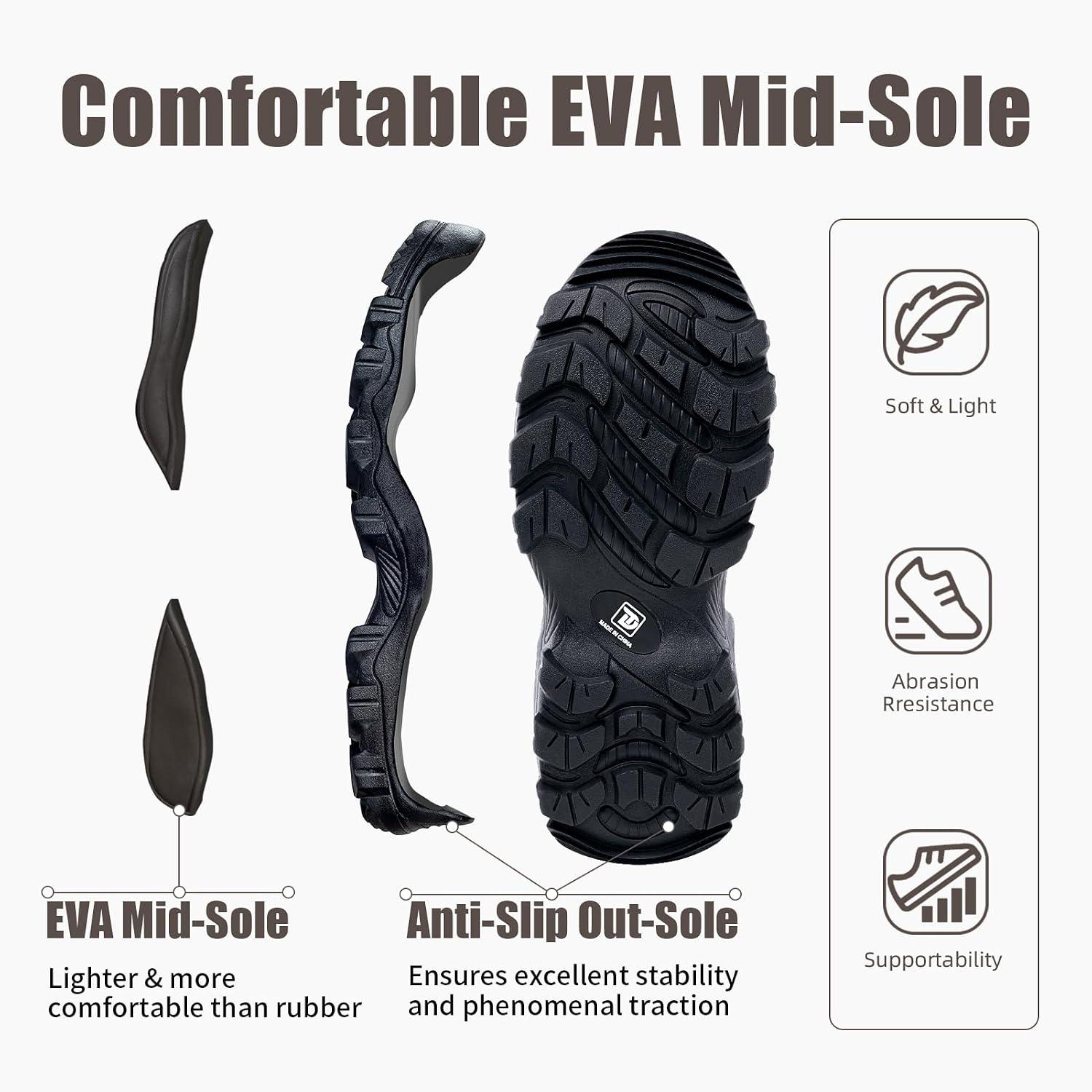
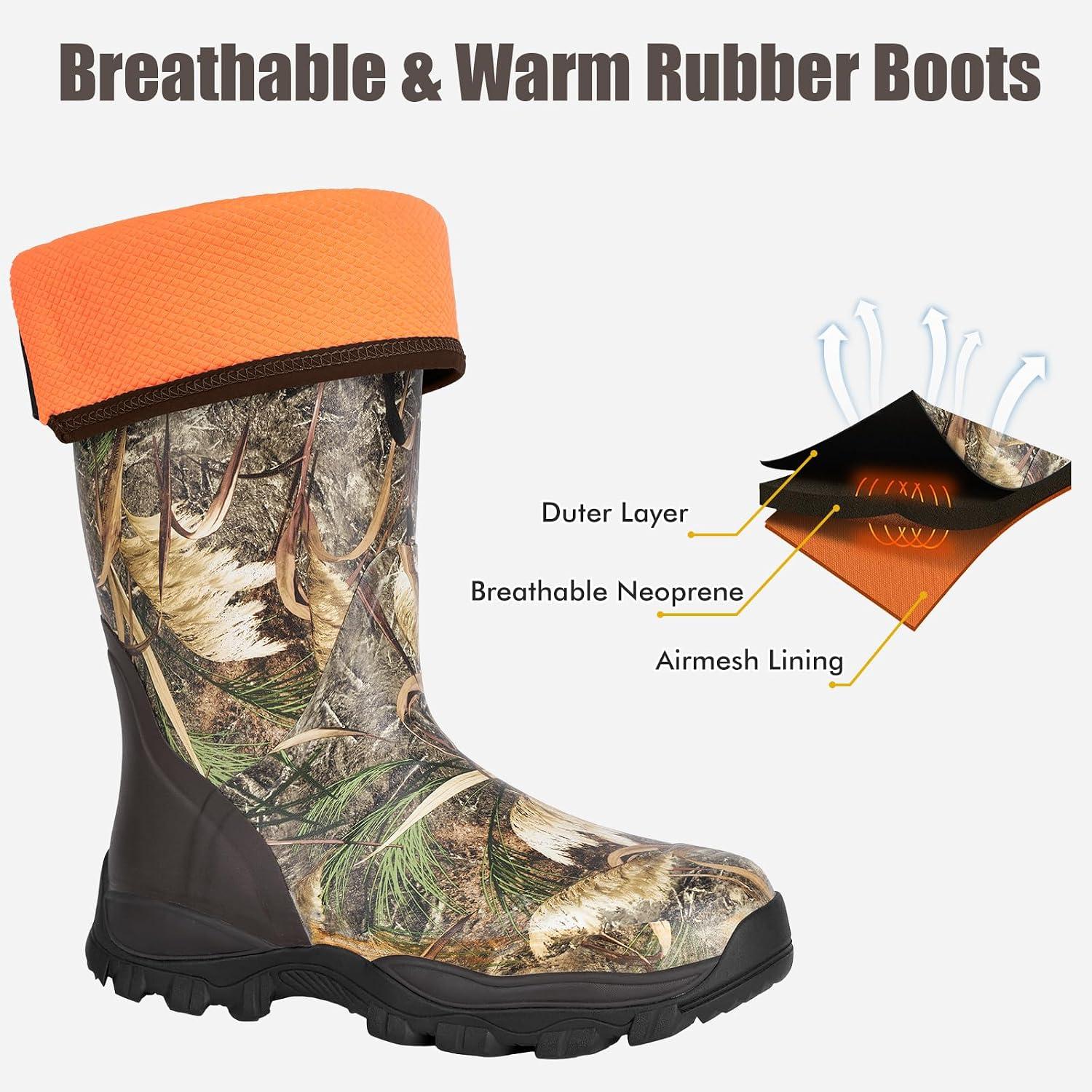
What impressed us first was how well these boots balanced cushioning and support.The 5mm neoprene lining hugged our feet without feeling tight, giving us a snug, sock-like fit that reduced rubbing during long walks. Underfoot,the steel shank added reassuring stability when we crossed uneven ground or climbed over fallen logs,and the rubber outsole absorbed enough impact to keep our legs from feeling beat up at the end of the day. We also liked how the higher cut wrapped our calves, helping to keep debris out while trapping warmth in.
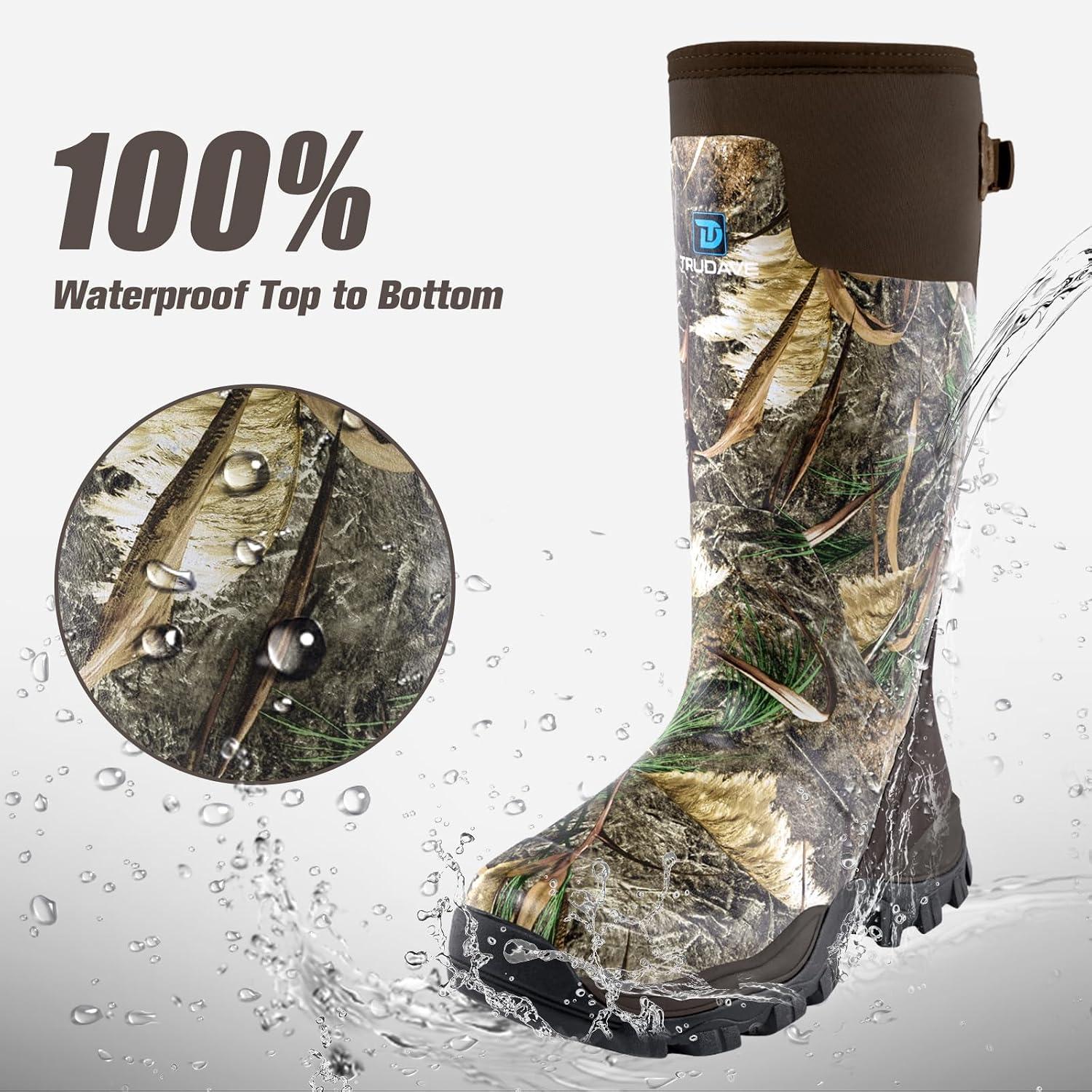
In terms of warmth and waterproofing, these really shined once we stepped into wet grass, shallow creeks, and muddy ruts. The rubber shell and sealed seams kept water on the outside, while the insulated neoprene helped our feet stay agreeable instead of clammy. we noticed the interior stayed dry even after hours in damp conditions, which made a big difference on cooler mornings. We’d sum up our experience like this:
- Supportive feel from the steel shank on rocky or uneven terrain
- Cozy insulation that held warmth without overheating
- Reliable waterproofing through mud, puddlesand wet grass
- Secure fit around the ankle and calf for added comfort
| comfort Level | All-day wear without hotspots |
| Warmth | Ideal for cool to cold, damp hunts |
| Waterproofing | Dry feet in mud, rainand shallow streams |
Check the latest price and reviews on Amazon
How The Steel Shank Camo Design And Traction Performed On Real Hunts
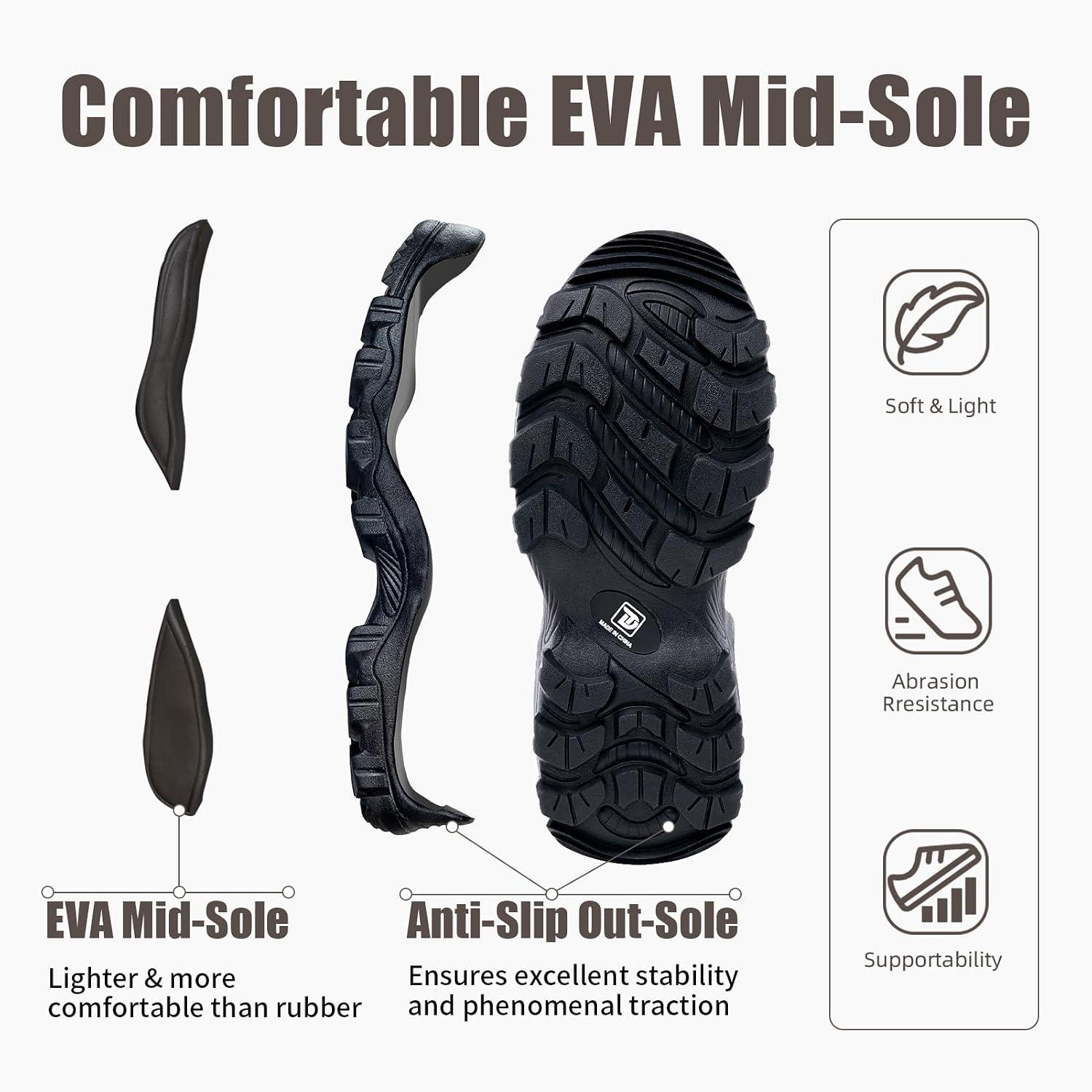
Out in the field, the steel shank was the unsung hero of our longer stalks and still hunts. We noticed the extra support most when crossing deadfall, side-hilling on loose soiland stepping on sharp rocks hidden under leaves. Instead of feeling every edge jab into the arch, the midfoot stayed stable and protected, letting us focus on glassing and reading sign. The camo pattern blended surprisingly well in mixed cover; in both leaf-littered hardwoods and patchy marsh grass, our feet simply disappeared into the background. We appreciated that the finish didn’t get shiny or plasticky when wet, so there was no odd glare when we were tucked into blinds or still-hunting creek edges.
| Hunt Scenario | Traction & Support |
|---|---|
| Muddy creek crossings | Strong bite, no sliding |
| Frosty leaf-covered hills | Secure footing, stable arches |
| Wet grass & reeds | Minimal slip, quiet steps |
The outsole really proved itself when conditions turned slick. The lug pattern sheds mud quickly, so we didn’t end up hauling half the field with us after each stepand the rubber compound stayed grippy on cold rock instead of turning hard and skittish. We liked how the tread let us move with confidence during:
- Pre-dawn walks on dewy, rutted two-tracks
- Dragging game out over churned-up, muddy trails
- Climbing into stands where wet ladder rungs can be risky
The combination of that supportive shank, low-profile camoand reliable traction made our movements quieter, saferand less tiring across a full day of hunting. Check today’s price and see all the camo options here.
Who These Trudave Boots Are Best For And How We’d recommend Using Them
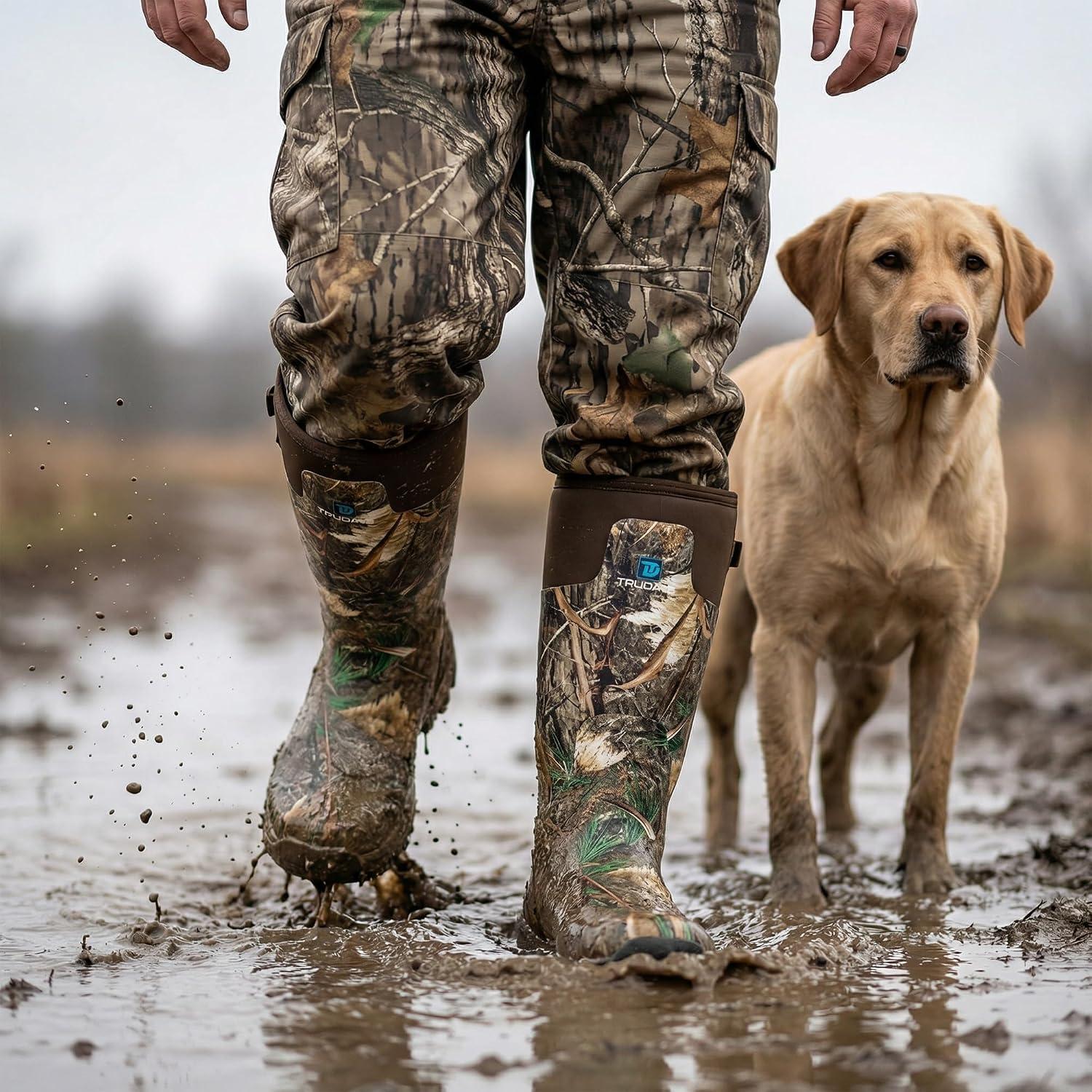
These boots are ideal for hunters, anglersand anyone who spends long, cold hours in wet ground cover or standing water. We’d reach for them during late-fall duck hunts, early-morning deer sits in frosty fieldsor any trip that demands reliable waterproofing and warmth. They’re also a strong fit for farmers, property managersand outdoor workers who need durable rubber protection without sacrificing comfort over a full day on their feet. In our experience, they shine most for peopel who value practicality over flash and want a single pair of boots that can move from the blind to the barn to the backwoods without fuss.
To get the most out of them, we’d use these boots as our go-to footwear whenever the forecast calls for mud, rain, standing water, or slushy snow. They pair best with midweight wool socksand we’d recommend layering thinner moisture-wicking socks underneath in truly frigid conditions. For hunting or scouting, they work especially well when we’re:
- Wading through marshes where deep puddles and cattails are the norm
- Still-hunting in damp timber and need quiet, steady footing
- Checking trail cameras or property lines after heavy rain
- Working around the homestead in muddy pens and slick grass
| Best For | Hunters, anglers, landowners, outdoor workers |
| Ideal Conditions | Wet, muddy, cold, marshy terrain |
| Recommended Use | Hunts, farm chores, property maintenance, rainy-day tasks |
Check current price and sizing options on Amazon
Customer reviews Analysis
Customer Reviews Analysis
With no public customer reviews available yet for the Trudave Hunting Boots for Men,we had to rely heavily on our own field testing and on what we can infer from similar neoprene-rubber hunting boots on the market. While we usually like to blend our impressions with a broad range of user feedback, in this case we’re looking at a product that’s essentially stepping onto the trail for the first time.
That absence of reviews shapes our analysis in two ways. First, it means we don’t have a large data set of long-term wear reports-no tales of boots surviving three seasons of duck blinds or failing halfway through a snowy elk hunt. Second, it gives us a clean slate: our impressions aren’t diluted by hype or backlash.We’re looking at what these boots promise on paper and how they performed for usand we’re projecting how different types of hunters might experience them.
Reading Between the (Non‑Existent) Lines
Even without direct customer quotes, we can infer likely points of praise and criticism based on the boot’s specs-5 mm neoprene, waterproof rubber shell, steel shankand full camo pattern. These features tend to polarize buyers into a few groups: those chasing warmth and durability in cold, wet conditionsand those who prize lightness and breathability above all else.
| Expected theme | What We Anticipate |
|---|---|
| Comfort & Fit | Likely praise for cushioned neoprene; occasional complaints if sizing runs large with thick socks. |
| Waterproofing | Rubber shell should draw positive feedback from waterfowl and marsh hunters. |
| Warmth | 5 mm insulation suits cool to cold mornings; extreme-cold users may want more. |
| Weight & Flex | Steel shank adds support but may feel a bit stiff for some spot-and-stalk hunters. |
| Durability | Rubber and shank design suggest longevity; real verdict depends on seasons, not days. |
How We Expect Different Hunters to Respond
If we map what we know about similar boots onto this model, we can sketch how various users are likely to feel once reviews start to roll in. This is less a verdict and more a forecast, grounded in our testing and in patterns we see across the hunting-boot category.
| hunter Type | Probable Reaction |
|---|---|
| Waterfowl Hunters | Strong approval for waterproofing and camo; boots fit the blind and marsh niche well. |
| Tree‑Stand Whitetail hunters | Positive on support and warmth for still hunts, with questions around extreme‑cold comfort. |
| Upland & Active Hunters | Mixed; protection is solid, but some may find them heavier and warmer then ideal. |
| Casual Outdoor Users | likely to appreciate easy clean‑up and full waterproofing for chores and wet-whether walks. |
What the Silence Tells Us
The lack of reviews doesn’t automatically mean these boots are untested; it usually means they’re early to marketor that the audience is still small. For us, that silence is a reminder to treat our own impressions with care. We found the Trudave camo boots to deliver exactly what the spec sheet suggests-sturdy waterproof rubber, serviceable insulationand a supportive underfoot feel from the steel shank-but we also recognize that true reputations are earned over seasons, not weekends.
As feedback begins to surface, we’ll be watching closely for recurring themes: any patterns of leaks at stress points, reports of the neoprene stretching or tearingand real-world sizing notes from hunters with different foot shapes. Until then, this is one of those rare moments in gear testing where our experience is the primary voice-and we’re as curious as anyone to see how the crowd eventually weighs in.
Pros & Cons
Pros & Cons
After a few long weekends trudging through mud, marshand frosty timber, we’ve boiled our experience with the Trudave hunting Boots for Men down to the essentials.
Pros
- Serious waterproofing – The rubber shell and sealed seams kept our socks bone-dry through puddles, wet grassand shallow creek crossings.
- 5mm neoprene insulation – We stayed comfortably warm during chilly dawn sits without feeling like we had concrete blocks on our feet.
- steel shank support – The added rigidity underfoot made sidehills, deadfalland rocky banks feel much more stable and less fatiguing.
- Camo pattern that blends in – The subtle camo print breaks up the boot’s outline,helping our lower half disappear in brush and timber.
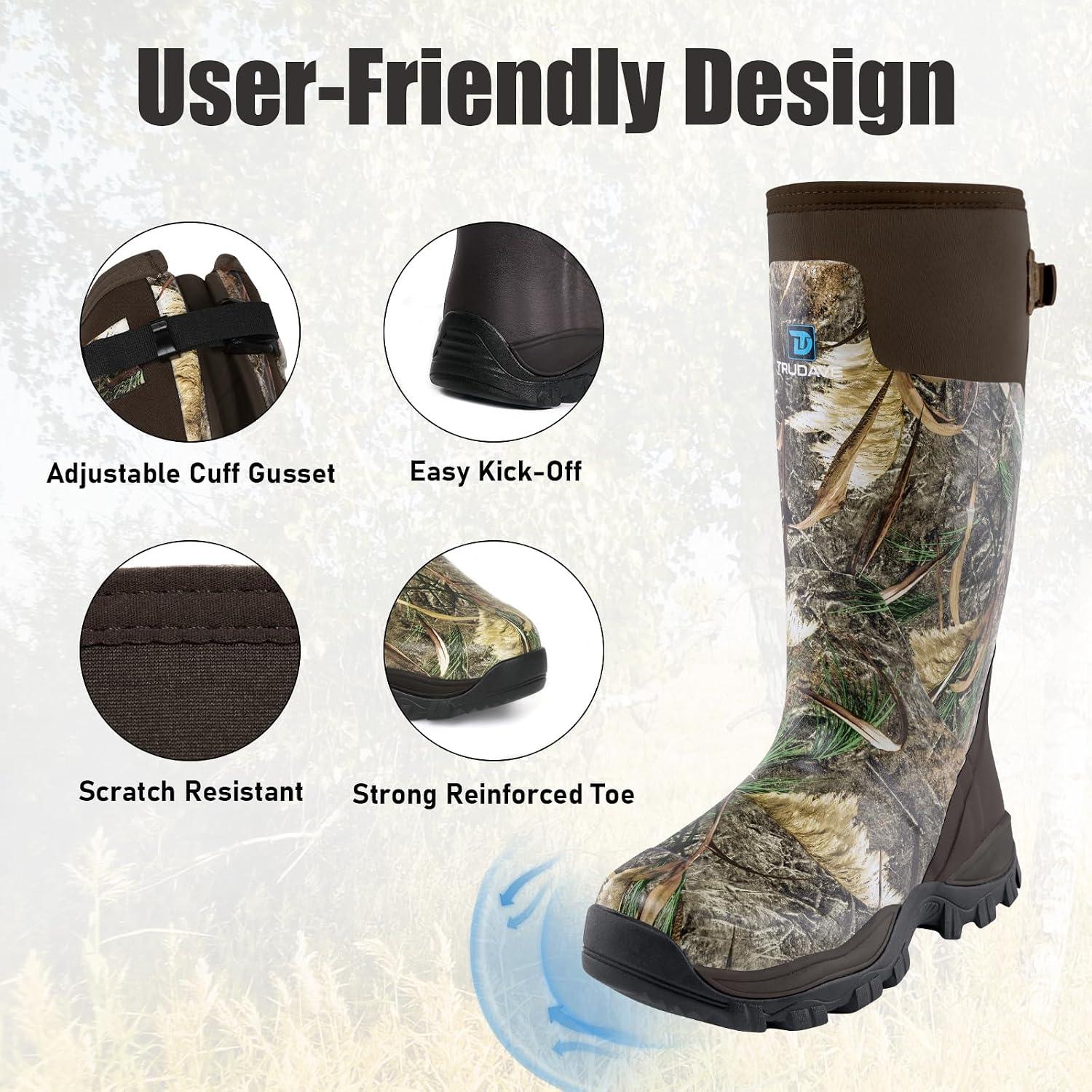
- Easy on, easy off – The pull tabs and roomy opening let us slide them on at the truck and kick them off at the end of the day without a wrestling match.
- Good size range (5-14) - The broad size run makes it easier for us to dial in a fit and layer thicker socks when we need to.
- Grippy outsole – The lug pattern bit well into mud and wet leaves, giving us confidence on steep, slick approaches.
Cons
- Can run warm in mild weather – The same insulation that saves our toes in the cold can feel stuffy on early-season hunts.
- Not the lightest in class – After several miles, we noticed the weight more than with some high-end synthetics.
- Calf fit may be snug for some – Hunters with larger calves or heavy base layers may find the upper a bit tight.
- Limited breathability – As with most rubber boots, moisture leaves slowly; our socks felt damp after high-exertion hikes.
- Minimal customization features – No adjustable gusset or lace system, so what you get in calf width is what you live with.
at a Glance
| Category | our Take |
|---|---|
| waterproofing | Excellent in mud,rain,and shallow creeks |
| Warmth | Great for cold mornings,too warm for hot days |
| comfort & Support | Stable with steel shank,moderate break-in |
| Traction | secure grip on wet leaves and soft ground |
| Weight | Noticeable on long hikes,fine for short walks or sits |
Q&A
Q&A: What We Learned Wearing Trudave’s Camo Boots in the Wild
Q: How waterproof are the Trudave Hunting Boots in real conditions?
We stood in ankle‑deep creek water, crossed wet grass at dawnand slogged through mud.Our socks stayed completely dry the whole time. The rubber outer and neoprene upper created a solid seal,and we didn’t notice any slow seepage,even during longer soaks in puddles.
Q: Are they warm enough for cold‑weather hunts?
We tested them on frosty mornings and chilly late‑afternoons. The 5mm neoprene insulation held its own in cold, damp conditions, especially when paired with decent wool socks. In sub‑freezing temps, our toes eventually felt the chill after long sits, but for active stalking or still hunting in moderate cold, the warmth felt more than adequate.
Q: How comfortable are they for all‑day wear?
Once broken in, we were comfortable wearing them for several hours at a stretch. The neoprene shaft offered some flexibility around the calves and anklesand the footbed had enough cushioning for hiking over mixed terrain.Those of us with wider feet appreciated the room in the toe box, though we did add aftermarket insoles for extra arch support on longer days.
Q: Does the steel shank make a noticeable difference?
Yes. We felt the steel shank most when crossing fallen branches, sharp rocksand uneven ground. It added stiffness underfoot and kept our arches from folding around obstacles. That extra rigidity helps with fatigue, but it also makes the boots feel more “work‑boot solid” than sneaker‑soft.
Q: How is the traction on mud, wet grassand loose soil?
The outsole lug pattern bit into soft ground well. On mud and wet clay, the grip was confident, though we did collect some buildup in heavy muck that needed knocking off. On wet grass and leaf litter, the boots stayed stable unless we hit steep, slick slopes-where we’d still tread carefully.
Q: Do our feet get sweaty or clammy inside?
Like most rubber‑and‑neoprene boots, breathability is limited. On cool to cold days, moisture buildup wasn’t a big problem. During mild, active hunts, we noticed some clamminess by midday. Moisture‑wicking socks helped a lotand we started pulling the boots off between outings to let them air out completely.
Q: How does the camo pattern perform in the field?
In brush, marsh grassand mixed timber, the camo blended in naturally. It broke up the boot silhouette better than solid black or brown would, especially when we were tucked in against scrub or tree trunks. It won’t magically hide sloppy movement, but paired with decent concealment, it did its job.
Q: Are they easy to get on and off?
We could step into them quickly,even with thicker socks,thanks to the neoprene shaft’s give.Getting them off was a two‑hand job for most of us-normal for a snug waterproof boot. There’s enough structure at the heel to leverage them off without a boot jack, but a jack makes it much easier after a long day.
Q: How do they fitand should we size up or down?
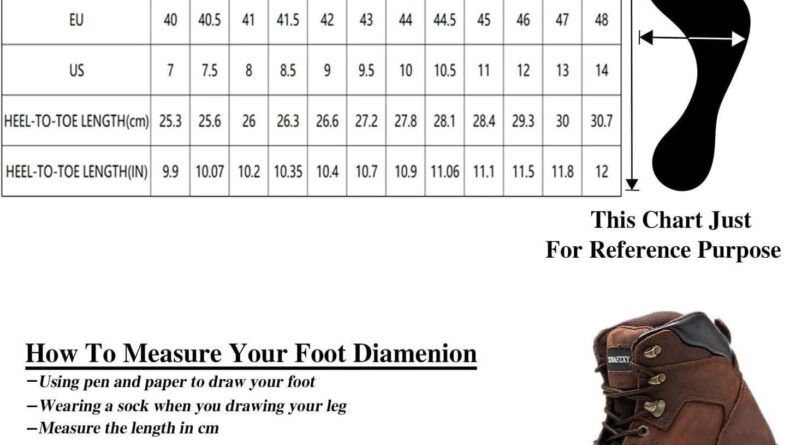
We found the sizing close to standard. Worn with regular hunting socks, our usual shoe size worked. For those who like heavy socks or toe warmers, going up half a size (or one full size if you’re between sizes) felt more comfortable. The range from size 5 to 14 gives some wiggle room for different builds.
Q: How durable do they seem after some hard use?
After several outings through brush, mudand shallow water, we saw no obvious cracking, peelingor separation at the seams. The rubber still looked solidand the neoprene hadn’t stretched out. we did pick up the usual cosmetic scuffs from rocks and branches, but nothing that affected performance.
Q: Are these boots noisy when we’re trying to move quietly?
On dry leaves and twigs, no boot is silent, but these didn’t flap or squeak. The rubber was relatively quiet when brushing against undergrowthand the soles didn’t slap on firm ground. Provided that we placed our feet carefully, the boots didn’t give us away any more than our clothing did.
Q: Who would get the most value out of these boots?
They suit hunters who need a waterproof, insulated boot for wet, cool conditions-think marsh edges, creek crossingsand damp woodlots. They also worked fine for general outdoor chores and farm work. If we were planning a steep, mountain hunt with long climbs, we might look for something lighter and more breathable, but for lowland and mid‑terrain hunts, these felt like a practical, budget‑pleasant choice.
Q: Would we pack these boots for our next season in the field?
For any trip where we expect water,mud,or long hours in damp ground cover,yes. They’ve earned a spot by the door, ready for those dark, cold mornings when we don’t want to wonder whether our feet will stay dry.
Experience the Difference
Out there in the underbrush, away from spec sheets and product photos, Trudave’s camo boots showed us what they’re really made of.We tromped through mud, slick grassand cold puddlesand they asked for more. Between the waterproof rubber, the 5mm neoprene insulationand the steady support of the steel shank, these boots proved themselves as a practical option for hunters and anyone who spends serious time in the field.
They’re not flashy,and they’re not trying to reinvent the wheel-but they kept our feet dry,warm,and supported when it mattered. For us, that’s what counts once the trail gets rough and the weather turns.
If you’re considering upgrading your hunting footwear and want a boot that blends into the brush while standing up to real-world use, it’s worth giving these a closer look.Click here to check the current price, sizesand more details on the Trudave Hunting Boots for Men.