


This post may contain affiliate links which means I may receive a commission for purchases made through links. Learn more on my Private Policy page.
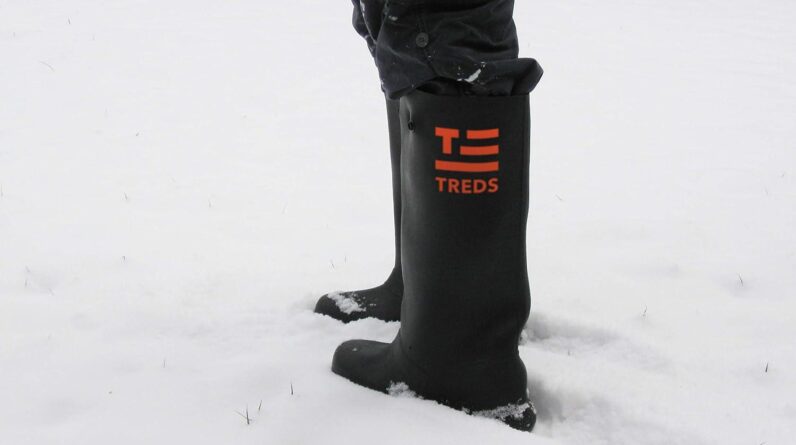
When we first pulled teh TREDS Rubber Concrete Boots out of the box, we weren’t expecting much more then a basic layer of protection to slide over our work boots. What we ended up stepping into felt more like industrial-grade armor for our feet. These black, 17-inch pull-on overboots are clearly built with concrete crews and jobsite abuse in mind, but we’ve also dragged them through mud, slushand snow to see how they really hold up.
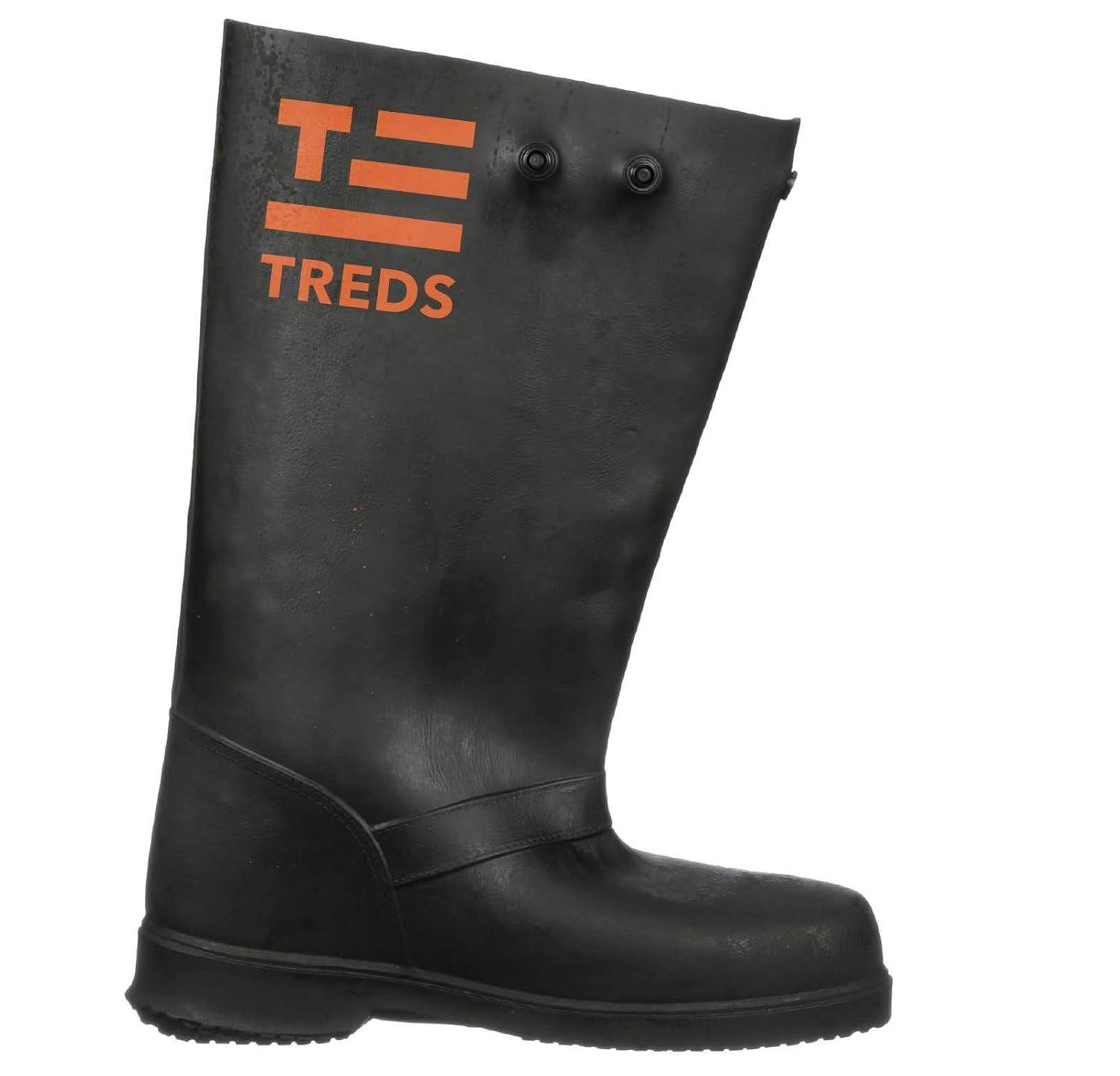
At a glance, the design is deceptively simple: a one-piece molded rubber shell that doesn’t care which foot goes where, a chunky block-tread soleand a stretchy upper that looks almost too thin to be as tough as the manufacturer claims. But once we started yanking them over our regular boots-without the usual wrestling match we’ve come to expect from overboots-we realized TREDS was aiming for something different here: serious durability without the usual frustration.
In this review, we’ll walk through how these L/XL TREDS overboots have performed on wet concrete, slick plywoodand muddy access roads, and whether their “almost unachievable to puncture” promise and “number one concrete boot” reputation actually match what we experienced on real jobs.
Our First impressions of the TREDS rubber Concrete Boot in Real Jobsite Conditions
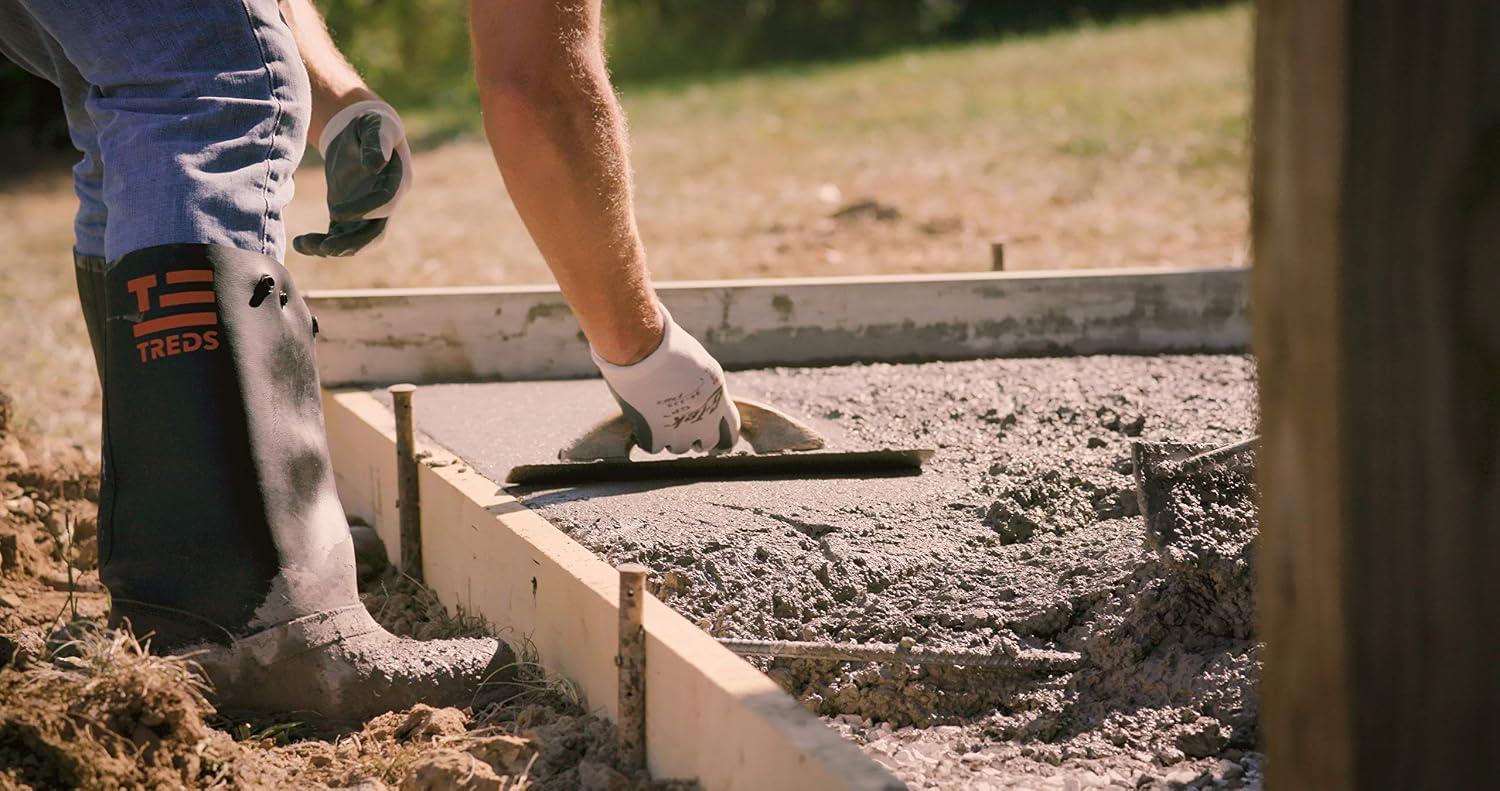
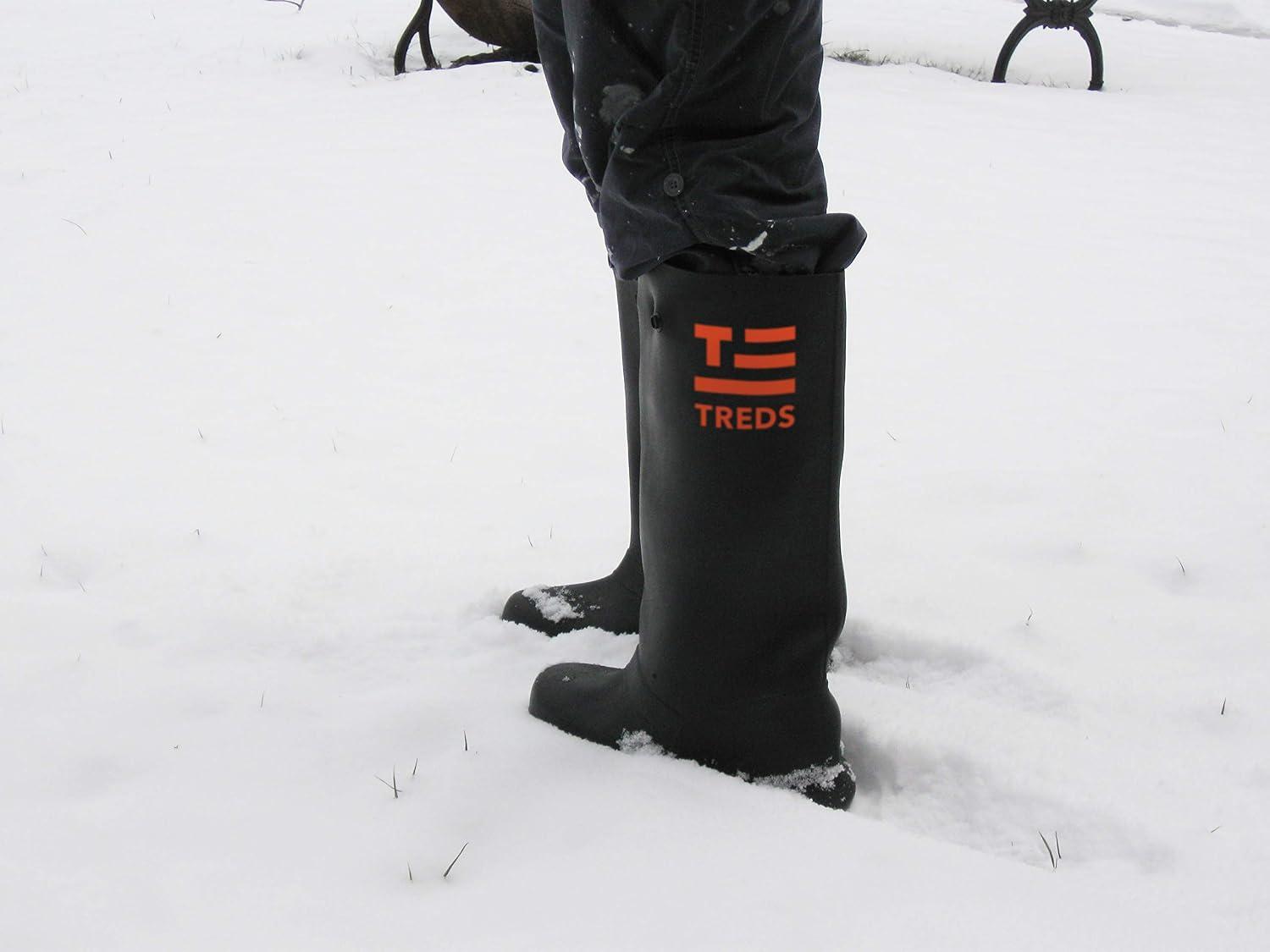
Out on the slab, in mud ruts and thawing snow, we were most curious about how these overboots would actually behave when things got slick and messy. The first thing we noticed was the block-tread sole, which bit into wet plywood and soupy fill far better than the smooth-bottom rain boots some of us were used to. The reinforced heel gave us a planted feel when backing off forms or climbing into the truck bedand we never felt like we were skating around, even when ther was slurry everywhere. Because the rubber is extremely tough and almost impossible to puncture,we stopped worrying about stray tie wire,screws,or rough aggregate chewing through the bottom.
| Test Condition | Our Verdict |
| Wet concrete | Secure footing, easy hose clean-off |
| Deep mud | Good grip, no suction loss on pull-out |
| Light snow | Stable steps, warm enough over work boots |
Pulling them on for the first time, we were skeptical about the one-piece molded design and the fact that they aren’t right/left specific, but on site it turned out to be oddly convenient. The super stretchy rubber let us slip them over bulky work boots without fighting the materialand at the end of the pour they peeled off just as easily without dragging concrete grit inside. We also liked that tears don’t run, so minor nicks from rebar or form stakes didn’t turn into fatal damage. Knowing they’re made in the USA was a bonus for us, but what really sold us was how frustration-free they felt during that first full day in real conditions-minimal fuss, maximum protectionand our feet stayed dry and ready for the next task.
Check current price and see more details on Amazon
What Stood Out to Us Features Design and Everyday Wearability
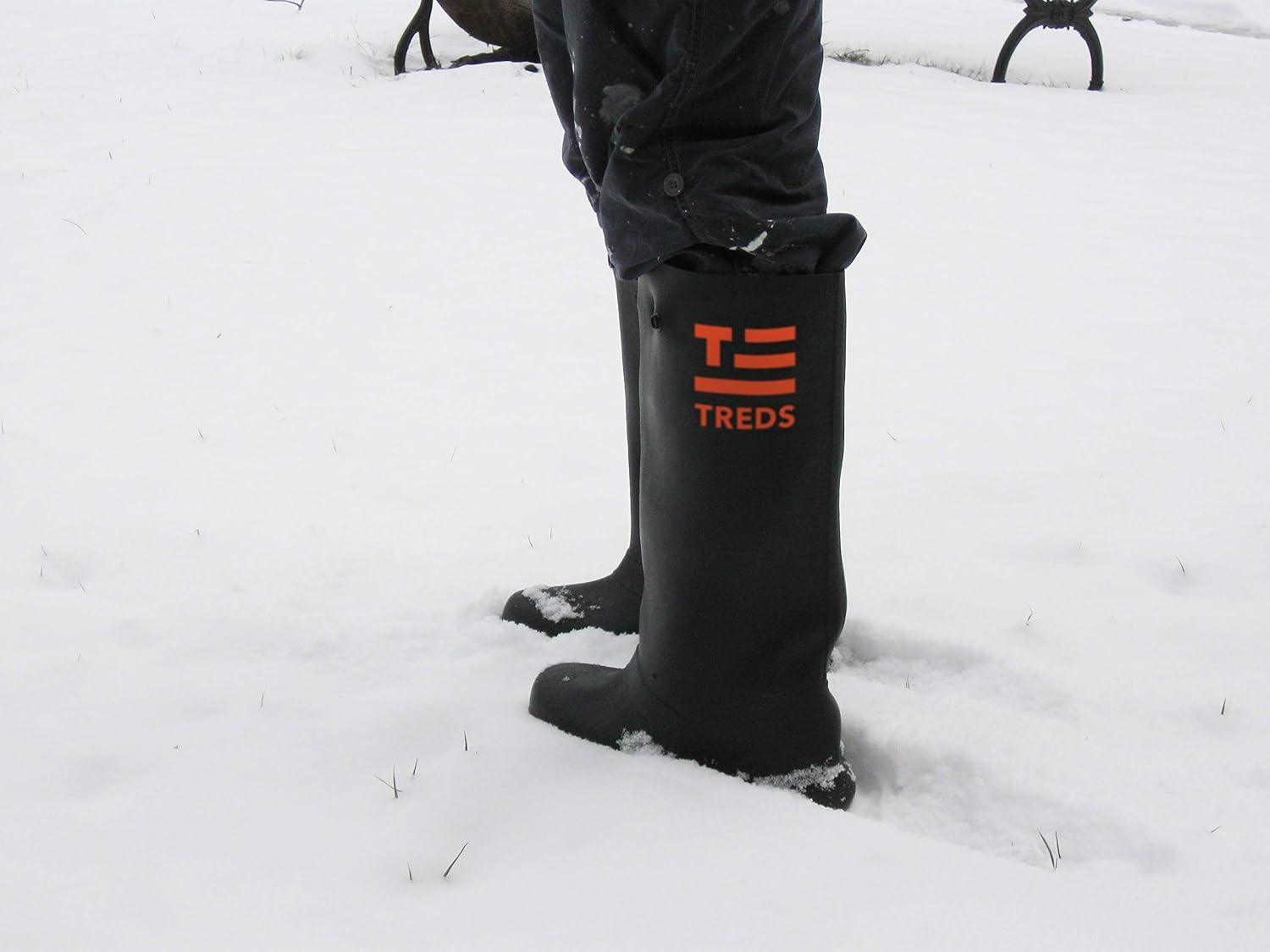
What immediately caught our attention was how purpose-built these boots feel for messy, high-risk environments. The reinforced heel and block-tread sole give us noticeably better grip on wet slabs, slick plywood, and churned-up mud, while the rubber upper is so tough it’s described as almost impossible to puncture. We also like that tears don’t “run,” so a small nick doesn’t automatically spell the end of the line. The fact that they’re made in the USA adds an extra layer of confidence about build quality and consistency on job after job.
| Key Feature | Why It Matters |
| One-piece molded design | Fewer weak spots and no seams to split |
| Super stretchy rubber | Makes pulling on and off frustration-free |
| Non foot-specific fit | Grab and go, no hunting for left or right |
| Block-tread pattern | Reliable traction in mud, snow, and slurry |
In terms of design and everyday wearability, the simplicity works in our favor. The one-piece construction isn’t right/left specific, which sounds odd on paper but in practice makes it really easy to slip them over work boots when we’re hustling between tasks. The 17-inch height gives us solid coverage against splashes and slop without feeling overly bulkyand the stretchy material means we don’t have to wrestle with them at the end of a long day.For crews who move from dry framing to wet concrete, from thawing snow to sticky clay, these boots serve as a quick, durable shell that can live in the truck and be ready whenever conditions turn ugly.
Check current price and availability on Amazon
How These Overboots Handle Concrete Mud and Snow in the Field
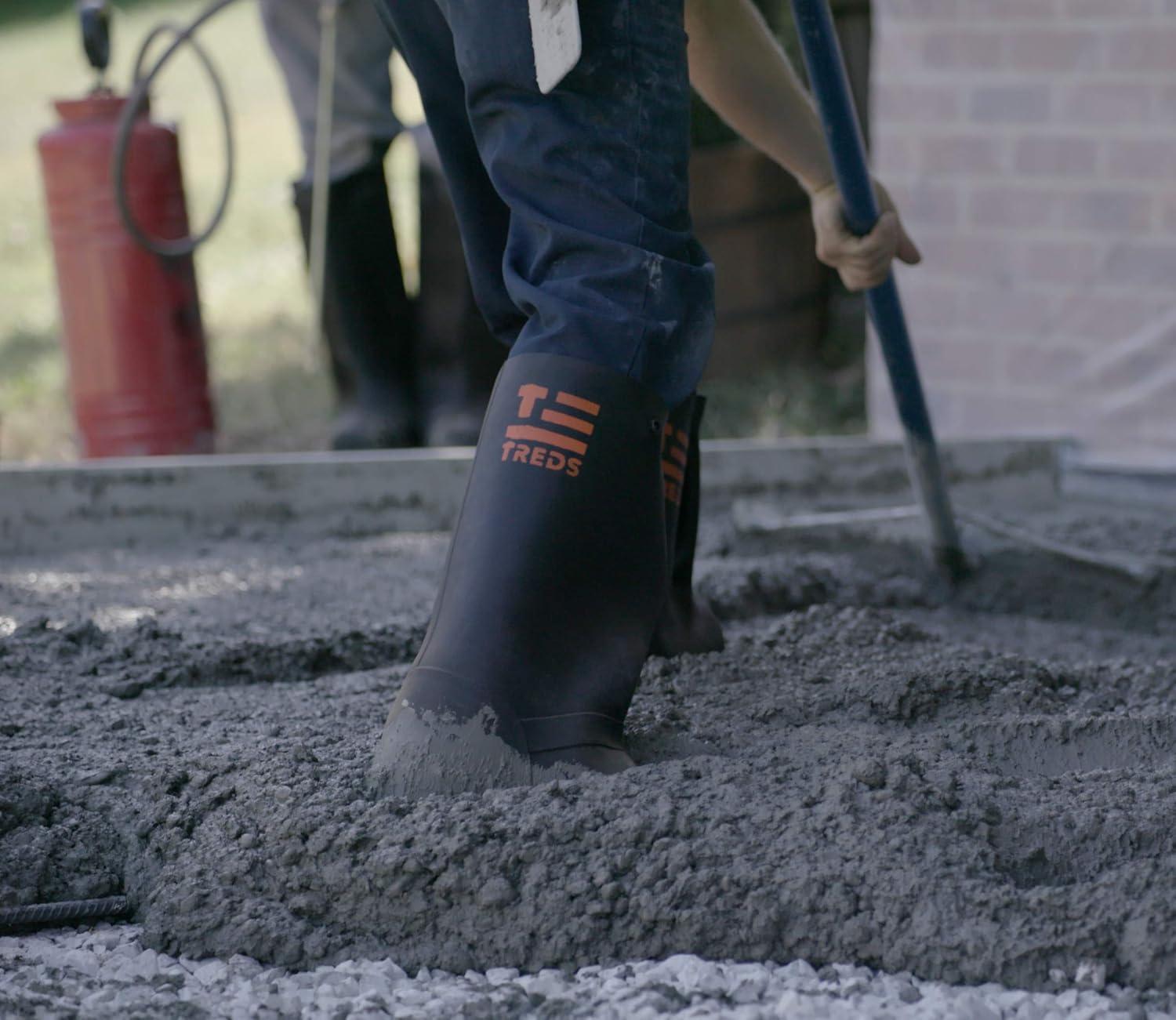
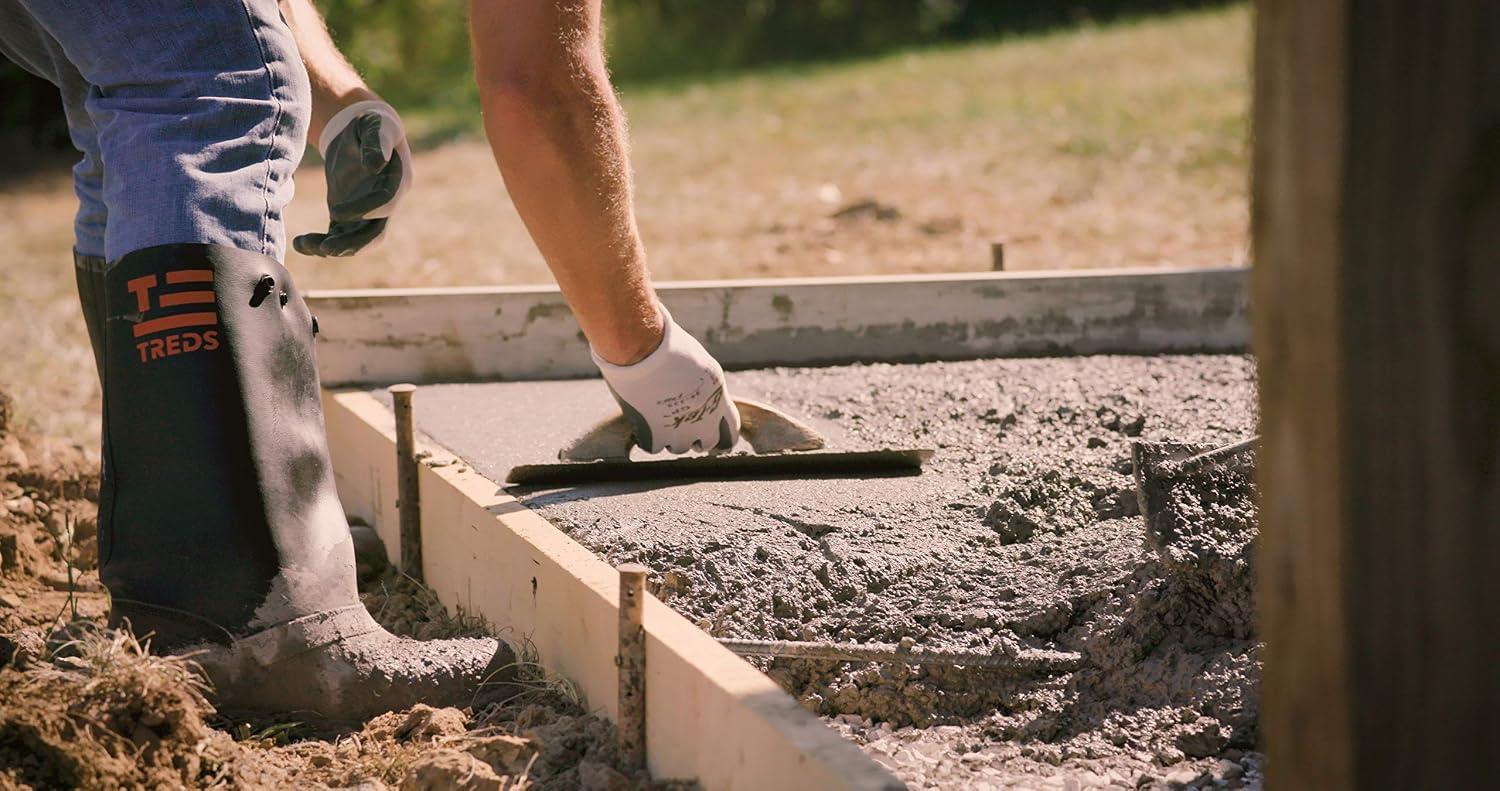
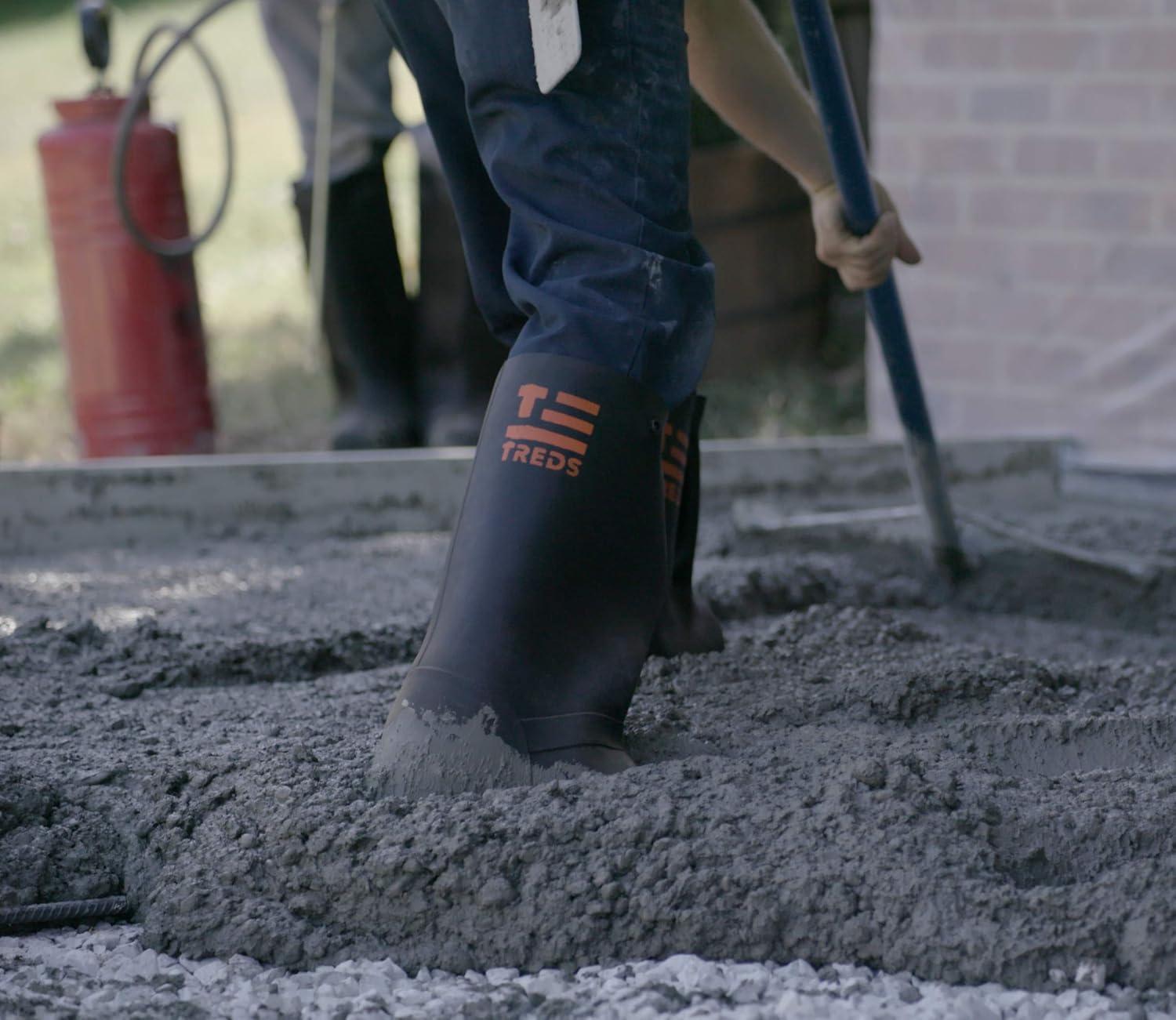
Out in the mix of concrete splash, sloppy jobsite mudand surprise snow, we’ve found these overboots give us the kind of footing that feels almost unfair. The reinforced heel bites into wet aggregate, while the block-tread sole sheds slop quickly enough that we’re not carrying half the site on our boots. As the rubber is so tough it’s practically impossible to puncture, we can wade through rebar mats, gravel piles, and frozen ruts without babying our steps. Even when the temperature dips and the slurry starts to crust, the material stays super stretchy, so we’re not wrestling with stiff plastic at the tailgate.
- Concrete Slurry: Tread channels push paste away, keeping a stable platform.
- deep Mud: Flexible shafts don’t bind around the ankle when we pull free.
- Snow & slush: Extra traction on slick plywood,ramps,and metal decks.
- Cleanup: Smooth rubber rinses off quickly with a hose or bucket.
| Condition | Field Performance |
| Wet Concrete | Secure footing, easy rinse-off |
| Thick Jobsite Mud | Good release, no tearing |
| Snow & Ice | Noticeably better grip than standard boots |
If we’re planning a pour or a winter site walk, these have become our automatic grab from the truck.Check current pricing and availability here.
Who We Recommend These TREDS Overboots For and How to Get the Most Out of Them
We recommend these overboots for tradespeople and DIYers who are constantly battling mud, wet concrete and slush-think concrete crews, remodelers, landscapers, farmers and anyone working on messy job sites. The super-stretchy, one-piece molded design slips easily over standard work boots, so we also like them for delivery drivers or inspectors who need quick protection when stepping into rough conditions. Because they’re not right/left specific and the rubber is nearly impossible to puncture or tear (and tears don’t run), they’re especially useful as a shared pair that lives in a truck, shop or equipment trailer, ready for whoever needs them.
To get the most out of them, we’ve found it crucial to choose the correct size, roll the tops down when pulling them on for a faster, frustration-free fitand rinse off concrete or mud before it fully sets to preserve flexibility and traction. The reinforced heel and block-tread sole really shine on slick rebar, wet plywood and icy sidewalks, but they work best if we periodically inspect the tread for caked-on debris and hang them to dry away from direct heat. For quick reference, here’s how we like to match them to common uses:
| Best For | Why They Work |
| concrete & Masonry | Stretchy shell, tough rubber, easy cleanup |
| Mud & Rain | Block-tread grip on slick ground |
| Snow & Slush | Slip-on protection over insulated boots |
| Shared Jobsite gear | Not foot-specific, durable and long-lasting |
- Pull them on over clean, dry boots for the fastest fit and best comfort.
- Rinse off concrete, salt and chemicals after each use to extend service life.
- Hang to dry in a cool, shaded spot to keep the rubber flexible over time.
- Keep a backup pair in the truck so we’re never caught off guard by bad weather.
Check current pricing and sizing options on Amazon
Customer Reviews Analysis
Customer Reviews Analysis
When we went looking for feedback on the TREDS Rubber Concrete Boot, Pull-On Overboot, we quickly noticed something interesting: there isn’t a large body of public customer reviews for this exact size and model yet. Rather than treating that as a red flag, we see it as an opportunity to look more closely at what buyers of similar TREDS overboots typically care aboutand how this model is likely to measure up.
Across TREDS’ broader line, the same themes surface again and again: durability on construction sites, performance in mud and snow, comfort over work bootsand ease of pulling them on and off. We use those recurring patterns as a lens for analyzing how customers are likely to experience this specific L/XL (12-13), 17″ black overboot.
What Buyers Typically look For
| Key aspect | What Customers Usually Say | Our Take for This model |
|---|---|---|
| Durability | Expect the rubber to resist tearing on rebar, graveland forms. | Single-piece rubber and reinforced toe suggest similar longevity. |
| Fit Over Boots | Want a snug, non-sloppy fit over standard work boots. | L/XL (12-13) should suit bulkier safety boots without feeling baggy. |
| Traction | Look for grip in wet concrete,mud,and packed snow. | The tread pattern is designed for jobsite footing, not just wet sidewalks. |
| Ease of Use | Pull-on style is praised when it’s quick at the truck or at the slab. | Flexible shaft and roomy opening should keep the on/off routine simple. |
| Protection | Expect a full-height barrier against splash, slurryand slush. | At 17″, these are tall enough for deeper pours and heavy mud. |
Patterns We Anticipate in Future Reviews
Based on how similar TREDS overboots are rated,we expect early reviews of this specific size and height to center on a few predictable points:
- Long-term value over cheap throwaways – Many crews seem willing to pay more upfront if a pair can survive multiple jobs instead of a single messy pour.
- Real-world sizing feedback – We anticipate comments about how the L/XL size fits around steel-toe and insulated winter boots, especially for those on the edge of the 12-13 range.
- Performance in mixed conditions – Construction doesn’t stop when winter arrives, so we expect comparisons between performance in fresh concrete versus icy site paths and slushy parking lots.
- Comfort over long days – We’re watching for notes on leg fatigue, calf squeezeand how the boots feel after standing in them for a full shift.
How We Read “No reviews Yet”
The absence of a crowded review section pushes us to be more intentional in our evaluation. We lean heavily on TREDS’ track record with similar products, the design details we can inspect ourselvesand the recurring themes we’ve seen from tradespeople using the brand in the field. As more customers share their experiences with this exact L/XL,17″ overboot,we expect the conversation to echo what we already hear across the TREDS lineup: a focus on how well these overboots protect expensive work boots,keep feet dry,and hold up to the daily grind on concrete-heavy jobsites.
Pros & Cons
Pros & Cons of TREDS Rubber Concrete Overboots
After putting the TREDS Rubber Concrete Overboots through everything from slushy mornings to fresh pours,we’ve boiled our experience down to the essentials.
Pros
- Serious durability – The thick rubber feels almost impossible to puncture, and any small nicks we’ve picked up haven’t spread or “run.”
- Excellent traction on slick surfaces – The block-tread sole grips well on wet concrete, mud, and packed snow, giving us more confidence on sketchy footing.
- Easy on, easy off – The super-stretchy, one-piece design pulls over our work boots quickly, even when we’re already laced up and dirty.
- One boot fits either foot – With no right/left shaping, we don’t have to think about which overboot goes where; we just grab, pulland go.
- Protects our “good” boots – These overboots take the abuse from lime, slurryand grit, so our regular work boots last longer and stay cleaner.
- No seams to fail – The molded one-piece construction means there are no stitched or glued joints waiting to crack or leak.
- Made in the USA – We like knowing we’re supporting domestic manufacturing with a product that actually feels worksite-ready.
Cons
- Heat and sweat build-up – The same rubber that keeps moisture out also keeps heat in; on warm days our feet can feel swampy without breathable socks.
- Bulkier feel – Over regular boots, the added rubber can make us feel a bit clumsy on ladders or in tight spaces until we adjust.
- Limited size precision - The L/XL range (12-13) is forgiving,but anyone on the smaller side of the spectrum may find the fit a little loose over slimmer boots.
- Not fashion-friendly – These are strictly jobsite workhorses: tall, blackand utilitarian with zero style points for off-site wear.
- Slower to dry inside - When they do get damp inside, it can take a while for them to air out compared with ventilated work boots.
At a Glance
| Aspect | Our Take |
|---|---|
| Durability | Outstanding for concrete and mud work |
| Comfort | Supportive but can run hot |
| Fit & Sizing | Flexible,but not ultra-precise |
| Ease of Use | Pulls on and off in seconds |
| Best For | Concrete pours,muddy sites,snow days |
Q&A
Q&A: Why We Rely on TREDS Rubber Concrete Overboots
Q: What exactly are TREDS Rubber Concrete Overboots?
A: They’re heavy-duty rubber pull-on overboots that we wear over our regular work boots. They’re designed for concrete work, mud, slushand snow-any messy, wet job where we want to protect both our feet and our footwear.
Q: Why do we choose these over regular rubber boots?
A: We like that they’re overboots, not standalone boots. We keep the comfort, supportand fit of our own work boots, then add a tough rubber shell when conditions turn nasty. When the job is done, we peel them off and our boots are still dry and clean enough for the drive home.
Q: Are they really durableor do they tear like cheaper rubbers?
A: In our experience, they’re far tougher than generic overboots. The rubber is thick and almost impossible to puncture under normal jobsite abuse. If we manage to nick them, the tear doesn’t run like it does on thinner rubber, so a small cut doesn’t instantly ruin them.
Q: How well do they handle concrete work?
A: This is where they shine. We walk in wet concrete, rebar, formsand debris without worrying about soaking or chewing up our boots. The block-tread sole grips well even when things get slickand the rubber doesn’t seem to mind splashes, splatteror cleanup water.
Q: Do they actually provide better traction in mud and on slick surfaces?
A: Yes. The block-tread pattern gives us noticeably more grip on wet plywood, muddy ground, and sloppy jobsite conditions than slick-soled work boots alone.We still use common sense, but they do reduce that “ice skate” feeling on smooth, wet surfaces.
Q: Are they easy to pull on and off over our boots?
A: Much easier than we expected. The rubber is super stretchy, so we just grab the tops, pull them over the toeand roll them up over the heel. Ultimately, we peel them off in seconds, usually without having to sit down or fight them.
Q: is there a left and right bootor are they identical?
A: They’re not left/right specific. The one-piece molded design is symmetrical, so we don’t waste time matching pairs. We grab two boots and go.
Q: How does the fit feel over size 12-13 work boots?
A: The L/XL is sized for boots around 12-13,and with normal work boots underneath they feel snug but not constricting. Because the rubber stretches, it hugs the boot without flopping around, which helps with traction and footing.
Q: do they feel heavy or clumsy on our feet?
A: They’re more substantial than a thin shoe cover, but they don’t feel like bricks. Once we’re moving, we mostly stop noticing them. The snug stretch fit helps keep them from feeling bulky or sloppy underfoot.
Q: How do we clean and maintain them?
A: After a pour or a muddy day,we hose them off or dunk them in a bucket,then let them drip dry. As the rubber is a single piece, there are no seams or fabric areas that hold onto grimeand we don’t have to baby them.
Q: Do they keep our feet warm in snow and slush?
A: They add a protective,waterproof shell,which helps keep out cold moisture and wind. The actual warmth still depends on the socks and boots we wear underneath, but the overboot definitely helps us stay drier and more comfortable in winter conditions.
Q: Can we use them for more than construction work?
A: We do. We’ve used them for farm chores, yard work in muddy seasons, washing vehiclesand any job where we don’t want to trash our regular boots. They’re general-purpose “mess shields” for our footwear.
Q: Where are they madeand does that matter to us?
A: They’re made in the USA. We like knowing we’re buying from a domestic manufacturer with a reputation for jobsite gearand the overall build quality lines up with that.
Q: Are they worth the price compared to cheaper alternatives?
A: For us, yes. We’ve gone through multiple pairs of bargain overboots that cracked, splitor wore out fast. These cost more up front, but because the rubber doesn’t puncture or tear easily and small tears don’t run, we’ve gotten a lot more real work time out of them.
Q: Who are these overboots best suited for?
A: They’re ideal for concrete crews, construction workers, landscapers, and anyone slogging through mud, slush, or wet debris. if we regularly step into conditions that would ruin regular boots, these have been a solid line of defense.
Achieve New Heights
what keeps us coming back to the TREDS Rubber Concrete Overboots isn’t just their toughness on fresh pours or their grip in mud and snow-it’s the way they quietly remove one more headache from our workday. We’re not worried about tearing through thin rubber, slipping on a wet slabor wrestling boots on and off between tasks.Instead,we can focus on the job,knowing our feet and work boots are protected by something built to take real abuse.
For us, these overboots have moved from “nice to have” to “we don’t leave for the site without them.” If you’re tired of burning through disposable covers or babying your regular boots on rough, wet terrain, it might be time to step into something that’s actually made for it.
If you want to see the latest price, specs, and reviews, you can check out the TREDS Rubber Concrete Overboots here: