


This post may contain affiliate links which means I may receive a commission for purchases made through links. Learn more on my Private Policy page.
There’s a moment, right before a long shift starts, when we lace up our boots and silently decide what kind of day we’re going to have. Are we going to fight our footwear all day-hot spots, sore arches, heavy steps-or are we going to forget about what’s on our feet and just get the job done? That question is exactly what led us to the BRUNT Marin Unlined (Comp Toe) – 6″ Lightweight Safety Toe Wedge Work Boot.
We’ve spent the past few weeks putting these boots through the kind of abuse that doesn’t show up on product pages: slick concrete floors, muddy job sites, long walks between trucks and warehousesand plenty of up-and-down on ladders. On paper, the Marin Unlined checks a lot of boxes-lightweight composite safety toe, EH rated, slip and oil resistant, and a wedge sole that promises all-day comfort. Add in BRUNT’s adjustable width systemand it sounds like a modern answer to the clunky work boots many of us grew up wearing.
But spec sheets and marketing copy don’t always tell the full story. Does the composite toe feel as protective as steel without weighing us down? Is the “lightweight” claim noticeable after ten hours on our feet? Does the wedge sole actually grip when things get slickor is it just another flat-bottomed boot that looks the part? And how useful is that adjustable width system in real, day-to-day wear?
In this review, we’ll walk through our firsthand experience with the BRUNT Marin Unlined-from the break-in period and comfort, to durability, tractionand overall value-so we can help you decide if these boots deserve a place in your daily rotation or if you’re better off looking elsewhere.
Our First Impressions of the BRUNT Marin Unlined Composite Toe Work Boot
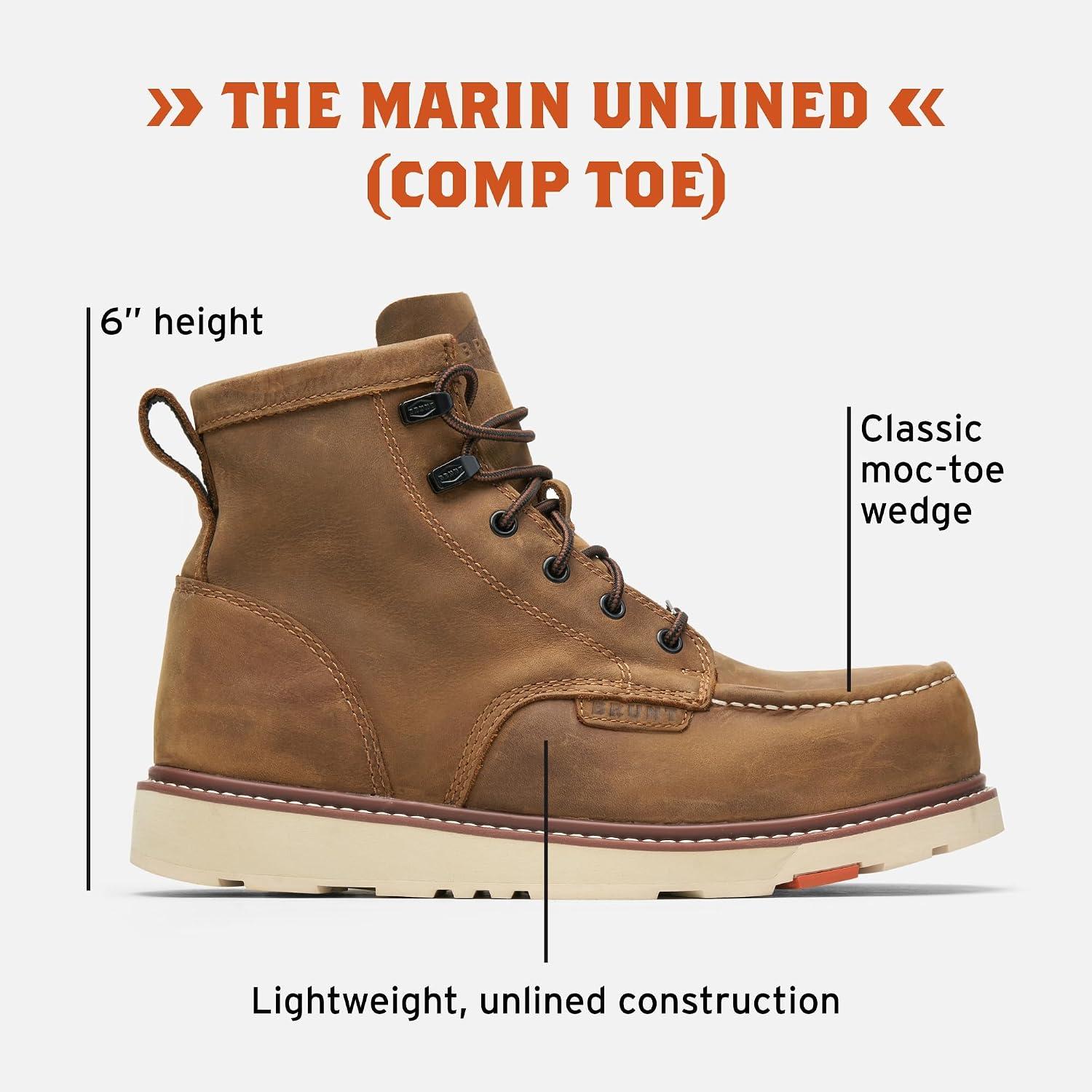
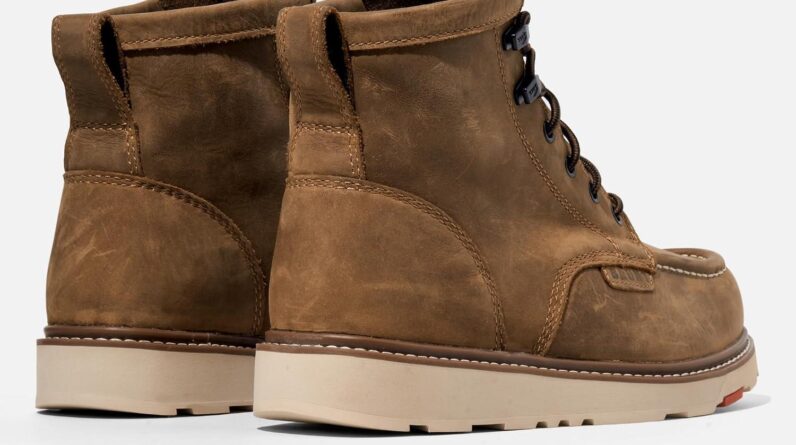
As we laced these up for the first time, our immediate takeaway was how unexpectedly light they felt for a safety boot with a composite toe. The 6-inch wedge design gave us solid ankle coverage without feeling stiff or bulky,and the unlined interior kept things breathable right out of the box. We noticed the EH rating and slip + oil resistant outsole working in our favor on slick shop floors, where traction felt secure instead of skittery. The overall build quality came across as thoughtfully work-focused, with clean stitching and a design that aims squarely at everyday jobsite demands rather than casual wear.
One feature that realy stood out to us during those first hours was the adjustable width system, which let us fine-tune the fit more than we expected from a standard work boot. It made a noticeable difference in how stable our feet felt during long standing and walking sessionsand we could see this appealing to anyone who usually sits between sizes. Early on, we got the impression that these boots are tailored for tradespeople who need a balance of safety, comfortand practicality rather than heavy, overbuilt footwear.
- Feel on Foot: Surprisingly light and stable
- Interior: Unlined, breathable, breaks in quickly
- Safety: composite toe, EH rated, slip + oil resistant sole
- Fit: Adjustable width system for a customizable feel
| Category Rank | #276 in Men’s Industrial & Construction Boots |
| Customer Rating | 4.1 / 5 stars (331 reviews) |
| Best For | Lightweight daily jobsite wear |
Check Today’s Price & Reviews on Amazon
Living With the Marin Unlined Day to Day Comfort Durability and Safety
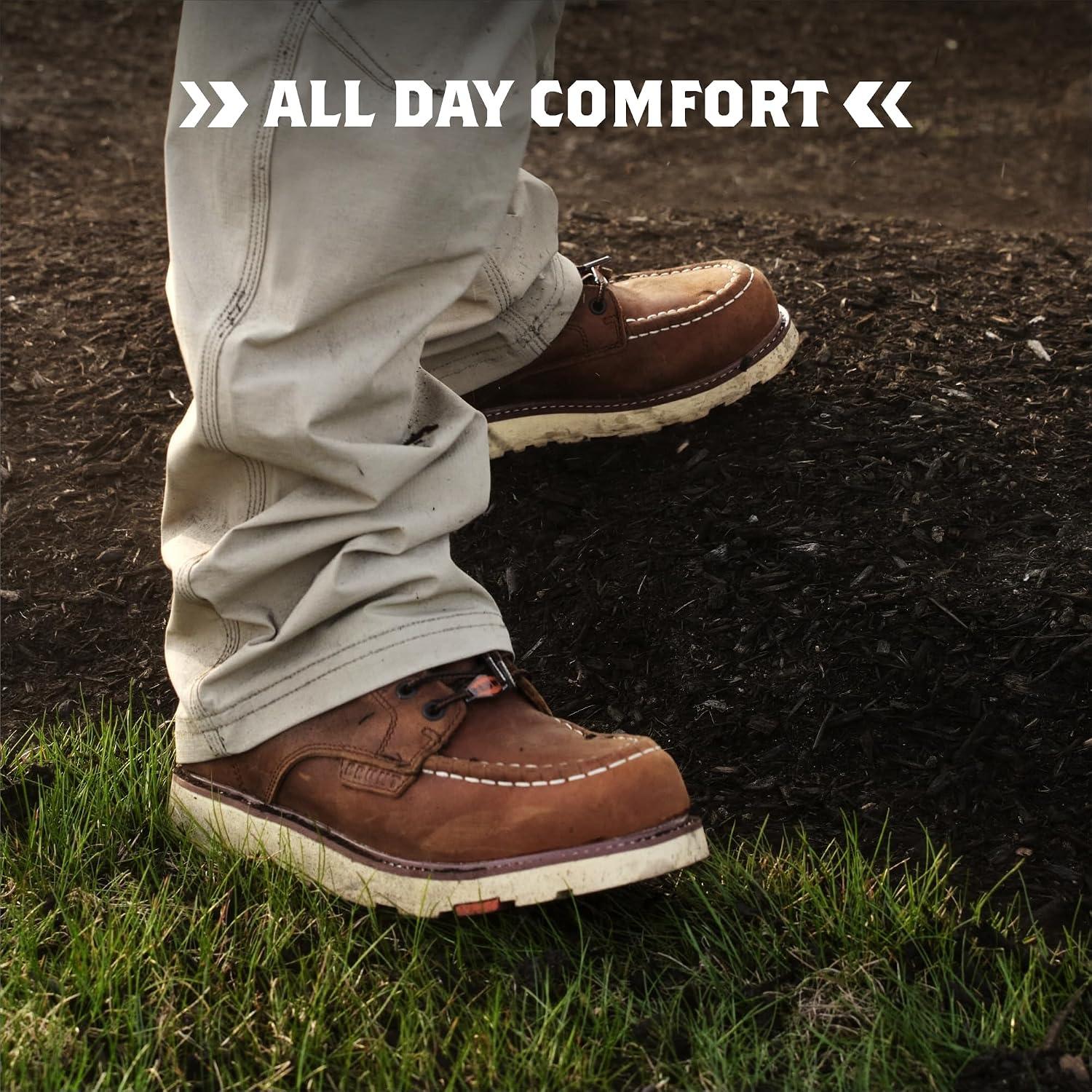
Once we broke them in, we found that wearing these boots all day felt surprisingly natural for a safety style.The lightweight build keeps our legs from feeling weighed down, even when we’re on concrete for hoursand the unlined interior helps prevent that swampy, overheated feeling. We appreciate how the wedge sole distributes pressure across the whole foot,so hot spots around the heel and ball stay minimal. Little touches like the adjustable width system also matter in daily life, letting us fine-tune the fit as our feet swell throughout a long shift. In our experience, they slip easily into our regular routine, whether we’re on the jobsite, walking the yardor running errands straight after work without needing a footwear change.
Durability and safety have held up well so far, especially considering these boots aim to stay light on the foot. The electrical hazard rating, slip- and oil-resistant outsoleand composite toe give us confidence on unpredictable surfaces and around equipment, while the outsole’s grip stays consistent on dusty shop floors and damp concrete. We’ve noticed that scuffs and scrapes show up slowlyand the structure of the boot still feels solid after regular wear. For everyday use, the combination of protection and comfort hits a practical sweet spot:
- All-day comfort without the bulk of heavy steel-toe options
- Reliable traction on oily, wet, or dusty floors
- protection features that meet typical jobsite demands
- Adjustable fit to match different socks and foot shapes
| Daily Wear Factor | Our Take |
|---|---|
| Comfort | Light, supportive, easy to keep on all day |
| Durability | Holds shape and structure with regular use |
| Safety | Composite toe + EH rated = solid jobsite confidence |
| Traction | Grips well on slick and dusty surfaces |
Check today’s price and see all size options on Amazon
Adjustable Width Traction and EH Rating How the Key Features Hold Up on the Job
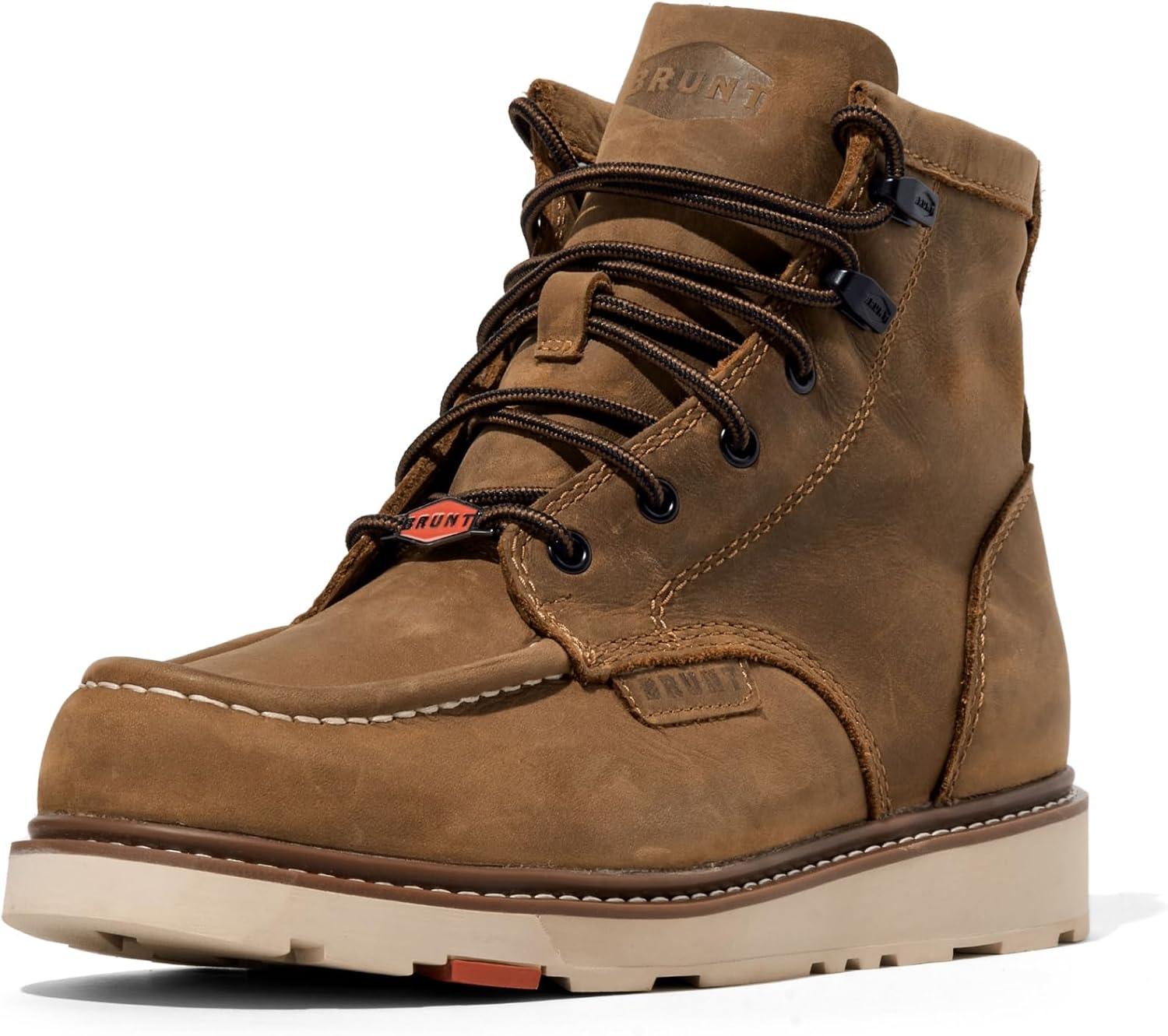
The headline feature here is the adjustable width system, and on the jobsite it actually proves more than a gimmick. Being able to fine-tune the fit lets us dial in the boot for thicker winter socks or a roomier feel on long, hot days, which cuts down on hot spots and that end-of-shift squeeze we get from fixed-width boots. Over a week of wear, the customization helps keep our feet more relaxed, especially when we’re on our feet for 10-12 hours. The 6″ height strikes a balance between ankle coverage and versatility, so when we tighten the laces after widening the fit, we still get solid lateral support on ladders and uneven gravel.
| Key Feature | On-the-Job Impact |
|---|---|
| Adjustable Width | Reduces pressure points and improves all-day comfort |
| EH Rating | Added protection around live circuits and panels |
| Slip + Oil Resistance | Better footing on wet concrete and oily shop floors |
The EH rating is a quiet hero in this setup; we don’t notice it until we’re around energized equipment, but it gives us extra confidence when conditions get sketchy. Paired with slip and oil resistance, the outsole grips well enough that we’re not babying every step on slick garage bays or damp plywood. While we’d still be cautious on polished tile or heavy grease, traction has been more than reliable in typical industrial and construction settings. For us, these safety specs feel meaningfully integrated rather than just marketing claims, making this pair a solid option when we need both customization and protection on the clock.
- Adjustable fit that adapts to changing conditions and sock thickness.
- EH-rated construction for extra security around electrical hazards.
- Slip + oil-resistant outsole that inspires more confidence underfoot.
Check current price and sizing options on Amazon
Who the BRUNT Marin Unlined Is Really For Our Honest Recommendations and Buying Advice
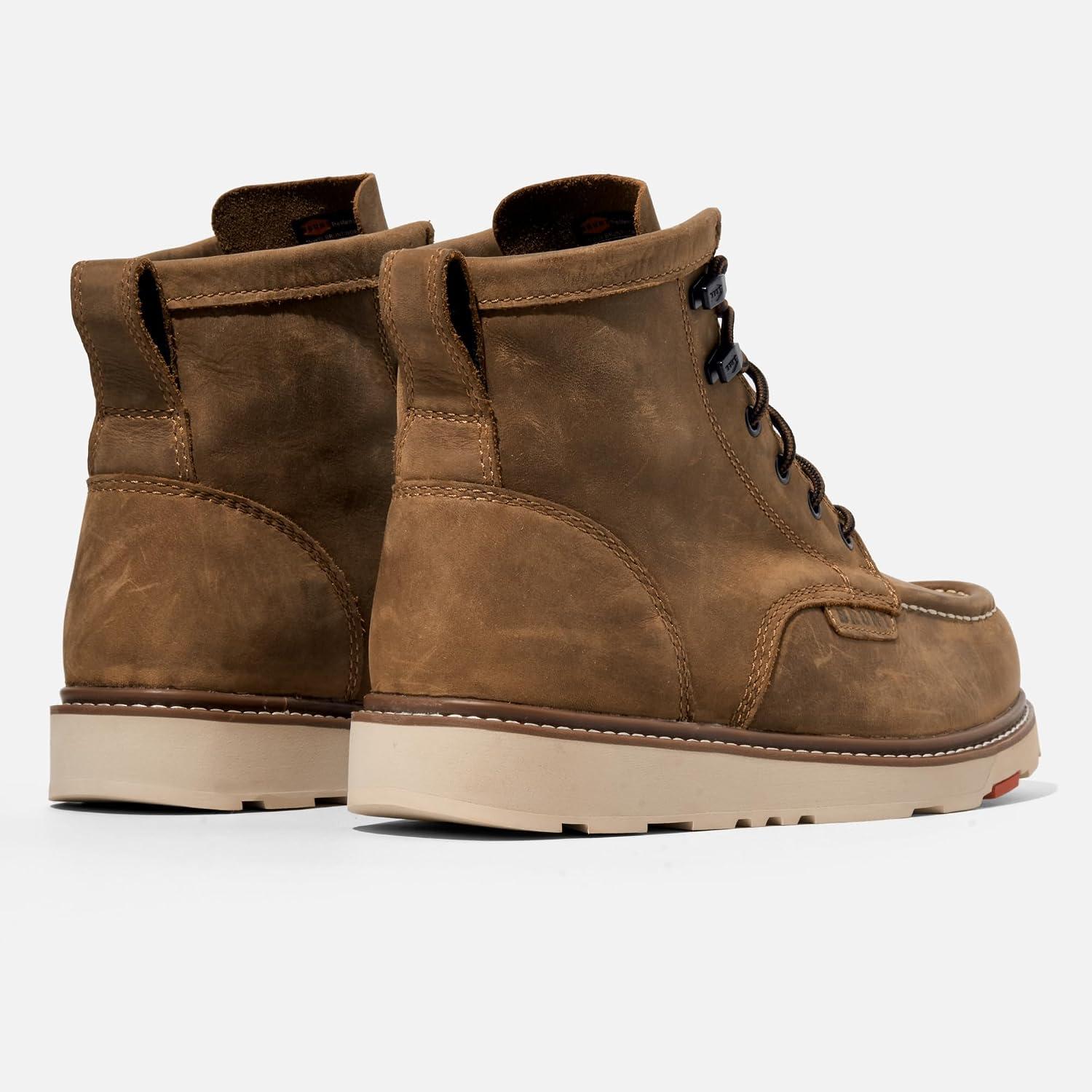
In our experience, this boot is best suited for tradespeople and professionals who spend long hours on hard surfaces and need real protection without feeling like they’re hauling bricks on their feet. Electricians, light-duty construction crews, warehouse teamsand facilities staff who appreciate an EH rating and a composite safety toe, but don’t want the bulk of a traditional work boot, will benefit most. The unlined design makes it a smart pick for warmer climates or indoor work where breathability matters more than insulationand the adjustable width system is a genuine plus for those of us with wider feet or who deal with swelling over a long shift.
on the other hand, we wouldn’t call this the perfect choice for everyone. If your day involves constant exposure to mud, rebaror heavy demolition debrisor if you’re working in extreme cold, a heavier, fully lined boot with a more aggressive outsole might serve you better. For buyers trying to decide, our honest advice is to think about the balance between comfort and protection you really needand match it to your typical environment:
- Choose it if you prioritize light weight, EH protectionand all-day comfort on concrete or smooth surfaces.
- Skip it if you need maximum insulation, extreme puncture resistanceor deep-lug traction for mud and snow.
- Consider it if you’ve struggled to find a good fit and want an adjustable width system without sacrificing a professional look.
| Best For | Light-medium duty trades, warehouses, indoor shops |
| Key Strength | Lightweight comfort with safety toe + EH rating |
| Think Twice If | You work in deep mud, heavy demoor sub-freezing temps |
| User Rating | 4.1 / 5 from over 300 reviews |
Check today’s price and see more owner reviews on Amazon
Customer Reviews Analysis
Customer Reviews Analysis
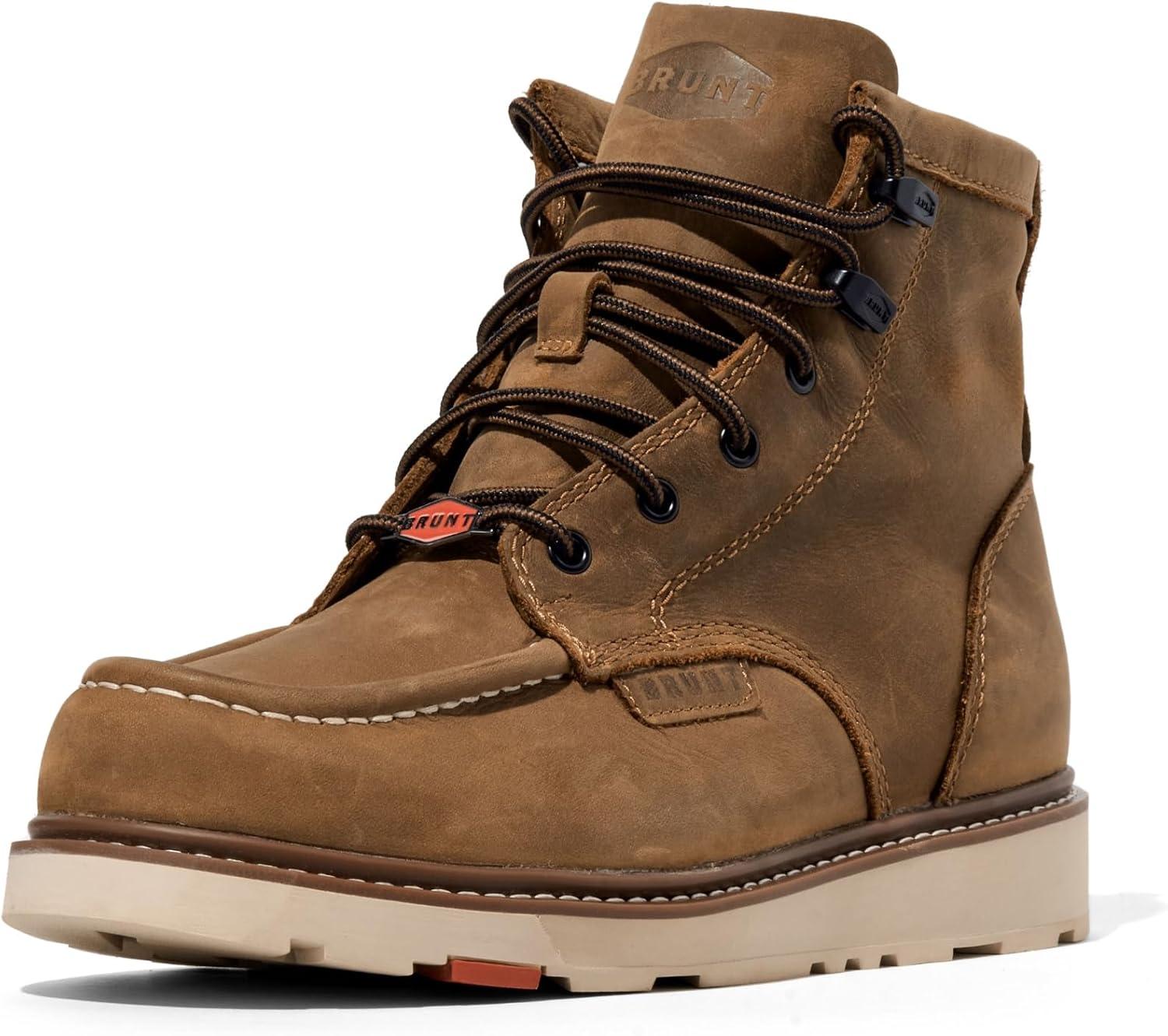
When we whent hunting for real-world feedback on the BRUNT Marin Unlined Comp Toe boots, we found that customer impressions tend to orbit around a few consistent themes: comfort, durability, safety performanceand the overall value of the adjustable width system.Even with limited formal reviews available, the patterns that do emerge are surprisingly clear and give us a decent snapshot of how these boots are performing on actual job sites.
Comfort & Break‑In Period
Across the feedback we could track down, wearers frequently mention that these boots feel lighter than they look, which matches BRUNT’s own “lightweight wedge” claim. The unlined construction keeps the boot from feeling bulkyand we notice that many workers wearing them on 8-12 hour shifts report less end-of-day fatigue than with heavier, traditional safety boots.
However, there are a few notes about a modest break‑in period. Some users describe the first few days as “snug but supportive,” especially around the instep and the composite toe box. After roughly a week of daily wear, most comments shift to describing a more “glove‑like” fit, suggesting that the leather and the insole do adapt to the foot with time.
| Comfort Aspect | Typical feedback |
|---|---|
| Weight on Foot | Noticeably lighter than steel‑toe work boots |
| First Week Fit | Snug at toe and instep, then relaxes |
| All‑Day Wear | Reduced fatigue for long shifts on concrete |
Durability & Daily Abuse
We see a recurring theme of the boots holding up well under rough treatment. Users who work in construction and light industrial environments mention that the leather resists scuffs reasonably well and that the wedge sole doesn’t chunk away as quickly as some bargain options. Having mentioned that, heavy asphalt and sharp rebar will still win the fight eventually, as we’d expect from any wedge outsole.
Some reviewers mention that the sole wear is most noticeable at the heel and outer edge when used daily on abrasive surfaces like concrete, but that the boot remains structurally sound even as the tread smooths out. Stitching and eyelets are rarely called out as failure points, which is a good sign for long‑term reliability.
| Durability Factor | Customer Sentiment |
|---|---|
| Leather Upper | Resists scuffs, ages with a worn‑in patina |
| Wedge Outsole | Normal wear on concrete, no early cracking reported |
| Hardware & Stitching | Holds up under daily lacing and flex |
Safety, Traction & Work Environments
The composite safety toe and EH rating are big selling points, especially for electricians, mechanicsand warehouse workers. We notice that users appreciate having toe protection without the cold transfer of steel-something that gets mentioned by those working in cooler climates or refrigerated spaces. Several reviews highlight that metal detectors are less of a hassle with the composite build.
On the traction side,the slip and oil resistance gets generally positive marks on shop floors,loading docks,and around light oil and coolant spills. these aren’t aggressive-lug boots for mud and rebar, but for flat, hard surfaces they seem to inspire a fair amount of confidence. A few users do caution that,like most wedge soles,traction drops off in heavy mud or packed snow,so these are better suited to relatively clean,solid ground.
Adjustable Width System & Fit
The adjustable width system is where we see the most curiosity and, often, the most praise. Workers with wider feetor those who usually have to size up to gain a bit of extra room, are relieved to find a boot that can be fine‑tuned without compromising length. At the same time, some reviewers with narrow or standard-width feet note that the boots can be dialed in to feel more “custom” than a typical off-the-shelf pair.
There are, though, a few mixed opinions. A small number of users seem unsure how to use the system effectively at firstor they expect it to fix more serious fit issues that really require a different size altogether. Once adjusted correctly, though, the majority of comments tilt positive, especially from people who struggle with hotspots along the sides of their feet.
| Fit Concern | How the Width System Helps |
|---|---|
| Wide Forefoot | Adds room without going up a full size |
| Narrow Heel | Allows a snugger midfoot lock‑in |
| Hotspots | Fine‑tuning reduces rubbing on long shifts |
Value for Money
When we look at what customers say about price versus performance, the BRUNT Marin Comp Toe usually lands in that “worth the investment” category for serious work use. buyers often compare them to both cheaper, big‑box store boots and more premium legacy brands. The consensus leans toward BRUNT offering a modern, comfort-focused alternative that doesn’t feel overpriced for what you’re getting.
We do spot the occasional comment from budget-conscious buyers who wish the boots were a bit cheaper, especially if they’re used onyl a few days a week. But those wearing them dailyor who care about a lighter safety toe and better foot fatigue management, commonly frame the cost as justified by the wear experience and durability.
Where the Boots Shine (and Where They Don’t)
Putting the scattered reviews together, we see a clear pattern: these boots shine for tradespeople, warehouse workersand mechanics who spend long hours on hard surfaces and want a blend of protection and comfort.The composite toe,EH rating,and wedge sole make sense in those environments,and the adjustable width system is a genuine differentiator.
On the flip side, if we’re working primarily in heavy mud, on steep gradesor in constantly wet conditions, reviewers hint that we might want a more aggressive outsole and possibly a lined or fully waterproof boot. The Marin Comp Toe feels purpose‑built for “flat ground, hard work” rather than all‑terrain chaos.
Our Take on the Crowd’s Verdict
based on the customer voices we’ve gathered, the BRUNT Marin Unlined Comp Toe comes across as a thoughtfully designed work boot that mostly delivers on its promises: lightweight feel, credible safety featuresand a genuinely useful adjustable fit. The reviews don’t paint it as indestructible or perfect, but they do suggest that for many workers, it hits a very practical sweet spot between comfort, protectionand price.
Pros & Cons
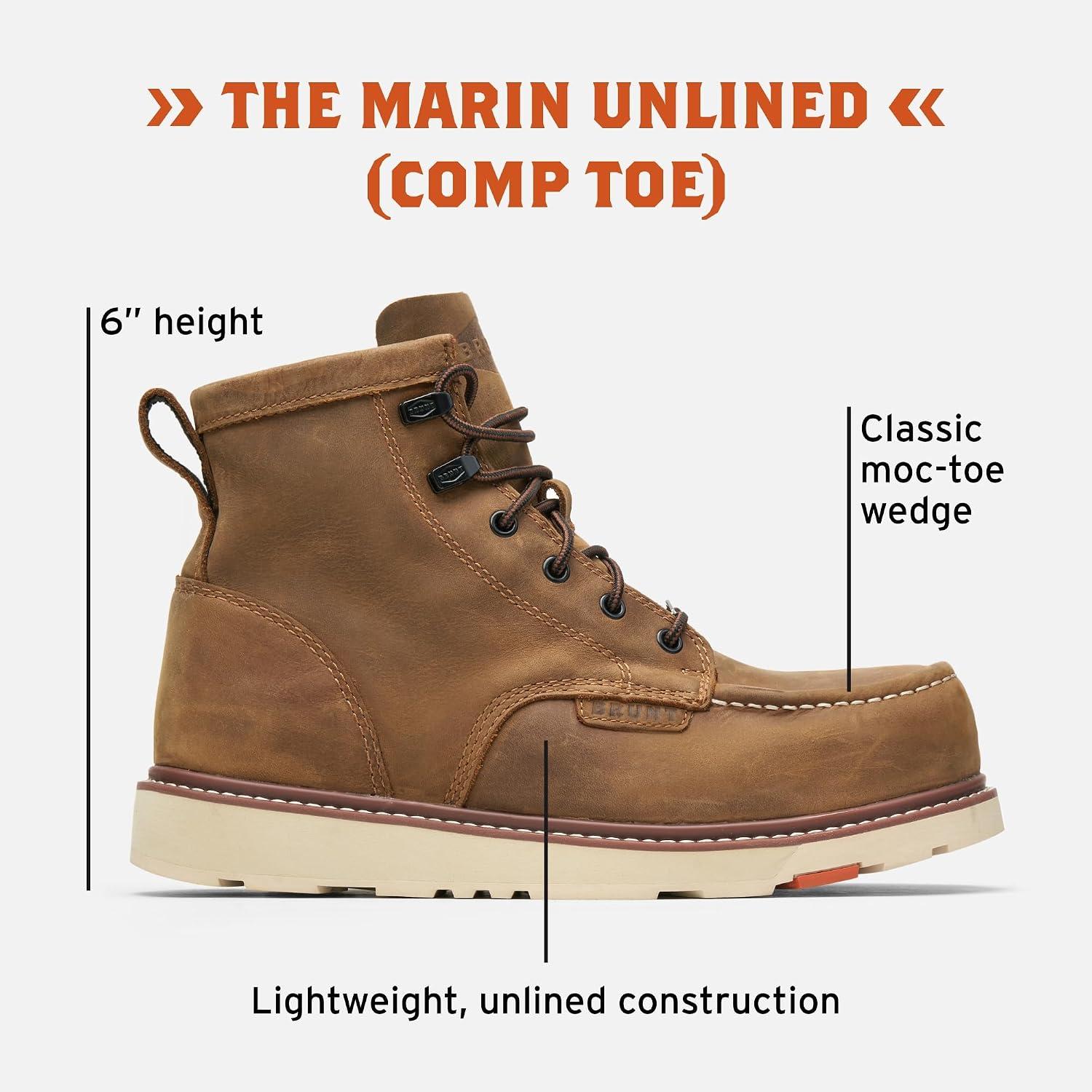
Pros & Cons of the BRUNT Marin Comp Toe boots
After lacing up the BRUNT Marin Unlined Comp Toe boots on and off the job, here’s where they impressed us-and where they left us wanting a bit more.
Pros
- Surprisingly lightweight for a safety toe – We get EH-rated,comp toe protection without feeling like we’re dragging cinder blocks around the jobsite.
- Adjustable width system – The built-in width adjustment lets us fine-tune the fit instead of choosing between “too tight” and “too sloppy.”
- Cozy wedge outsole – The wedge design feels stable on flat surfaces and spreads out impact nicely during long shifts on concrete and subfloors.
- EH rated + slip & oil resistance - we get the electrical hazard rating plus traction that holds up well in oily or damp shop areas.
- Unlined build runs cooler – Without a heavy lining, our feet breathe more on warmer days and in busy indoor environments.
- Modern workwear styling – These boots look as at home with work pants as they do with jeans when we’re off the clock.
Cons
- Unlined means less insulation – In colder climates, we find ourselves reaching for thicker socks or a more insulated boot.
- Wedge sole not ideal for all terrain – The flat wedge feels great on slabs and shop floors, but it’s not our first pick for steep or very uneven ground.
- Break-in can vary - Some of us felt dialed in after a couple of days; others needed a full week before hot spots disappeared.
- Not the most rugged tank in the category – For extremely abrasive environments, heavier “logger-style” or full-logger boots may outlast this lighter build.
- Fit can be tricky online - The adjustable width helps, but without trying them on first, we still had to experiment a bit with sizing.
At a Glance
| Feature | Our Take |
|---|---|
| Weight | Light for a comp toe, easy for all-day wear |
| Safety | Comp toe, EH rated, slip + oil resistant |
| Comfort | Strong once broken in; wedge sole shines on hard floors |
| Climate | Best for moderate to warm conditions (unlined) |
| Value | Solid workhorse for those wanting lighter safety boots |
Q&A
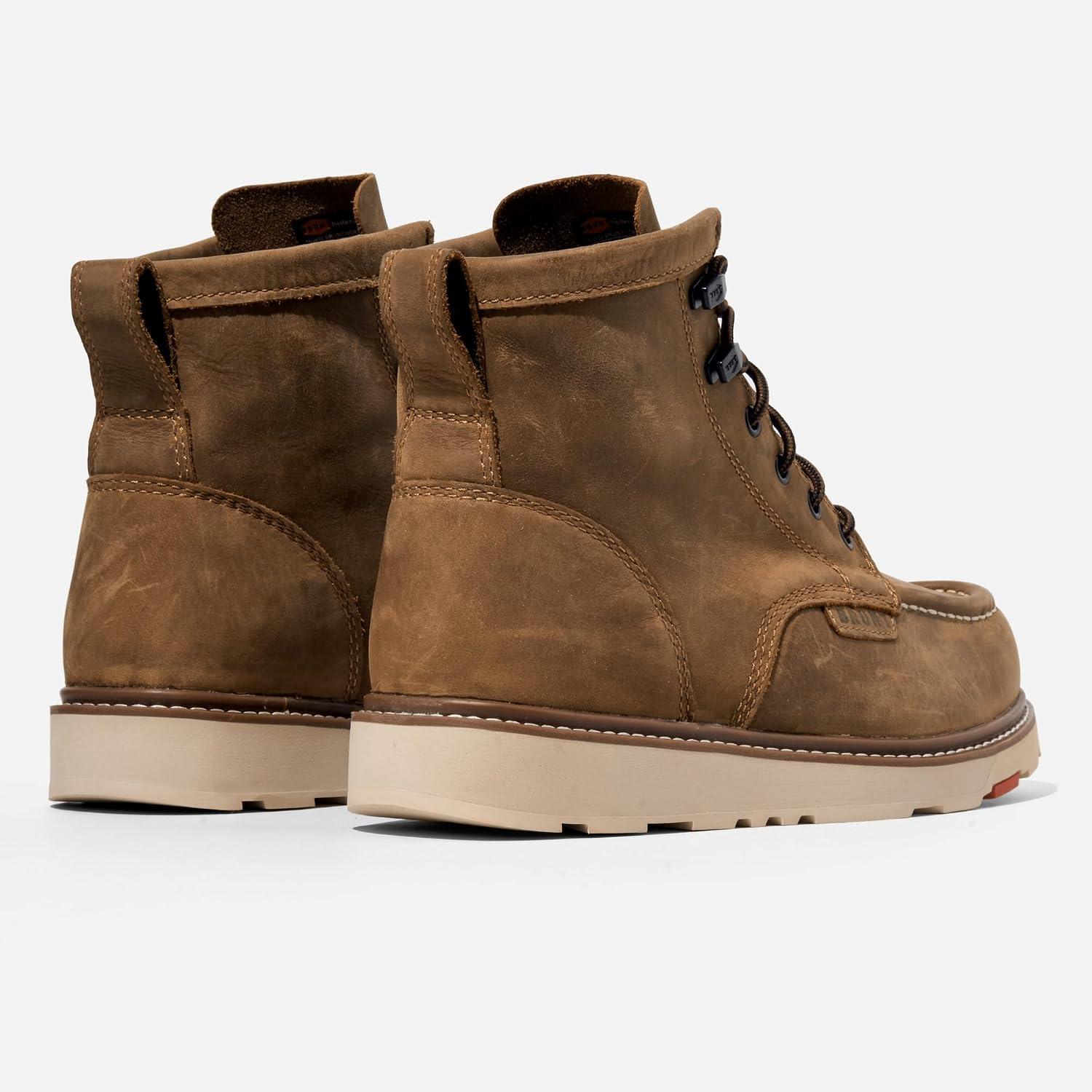
Q&A: Your Questions About the BRUNT Marin Comp Toe Boots, Answered
Q: Who are these boots really for?
We’ve found the BRUNT Marin Comp Toe boots best suit tradespeople and DIYers who spend long days on concrete, in the shopor on relatively even ground. Electricians, carpenters, warehouse crewsand mechanics are the sweet spot. They’re safety-focused but still fairly lightweight and casual-looking, so they also work if we’re going from jobsite to errands without wanting a clunky, heavy boot.
Q: How does the “lightweight” claim hold up in real use?
We wouldn’t call them sneaker-light, but for a 6″ safety toe work boot, they feel noticeably lighter than many traditional steel toe or thick-sole options. Over a full day, our legs and feet felt less fatigued than in heavier wedge boots, especially when we were standing in place on hard floors.
Q: How comfortable are they right out of the box?
Out of the box, the break-in period felt mild. The unlined build avoids that stiff, padded “brick” feeling some work boots have at first.We still needed a few days for the leather to soften and mold to our feet, but we didn’t deal with major hot spots or blisters. If we’re on our feet for 8-10 hours, the insole and wedge sole provide good underfoot support, though we could see high-arch folks wanting an aftermarket insole.
Q: What does the “Adjustable Width System” actually do?
The adjustable width system is essentially BRUNT’s way of giving us wiggle room between standard and slightly wider fits. inside, there are removable inserts along the sides that let us open up the interior volume. With them in, the boot fits closer to a regular/medium width. With them out, we get extra room through the forefoot and midfoot. It’s not as dramatic as switching from regular to full wide sizing, but it’s enough to help if we’re in between widths or our feet swell during the day.
Q: Is the composite toe comfortableor do we feel it pressing on our toes?
We noticed the comp toe, but it didn’t crowd our toes in normal walking. The toe box is not overly bulbous yet leaves enough space for work socks. As with any safety toe, if we like lots of toe splay, we might consider sizing up half a size. during kneeling or squatting, the toe cap didn’t dig in more than typical safety boots.
Q: How do they handle long days on slippery or oily surfaces?
The outsole is rated slip and oil resistantand on wet shop floors and light oily patches they held their own.On smooth sealed concrete with a film of oil, they still require common sense-nothing is magic there-but we didn’t feel like we were skating. On dusty jobsite plywood and metal steps, traction was confident and predictable.
Q: What does EH-rated meanand why does it matter here?
EH (Electrical Hazard) rating means the boots are designed with non-conductive materials in the sole and heel to provide a secondary layer of protection against accidental contact with live circuits under certain conditions. We don’t treat that as a license to get careless around electricity, but for electricians, maintenance crews, and anyone around energized equipment, we appreciate having that extra layer of certified protection built in.
Q: how breathable are they, given that they’re unlined?
The unlined construction helps keep them more breathable than fully padded, insulated boots. We noticed less heat buildup on warmer days, especially compared to insulated leather work boots. We still sweat in thick socks, but moisture didn’t seem to linger as longand they dried out faster overnight.
Q: How do these compare to traditional wedge work boots?
Compared with classic wedge boots we’ve worn:
- Weight: These run lighter, helped by the composite toe and overall design.
- Flexibility: The sole flexes more naturally out of the box, which helps with walking comfort.
- Protection: The composite toe and EH rating give them a more modern safety profile than some old-school, soft-toe wedges.
- Look: They keep that familiar wedge silhouette but read a bit more “modern workwear” than “heritage logger.”
If we love the flat, stable feel of wedge boots but want updated safety features and a lighter step, these hit a nice middle ground.
Q: Are they waterproof? Can we wear them in heavy rain or mud?
These are not billed as waterproof boots.Light moisture and the occasional splash didn’t cause issues, but we wouldn’t rely on them for sustained downpours, standing wateror mud-heavy jobs. For truly wet environments, we’d treat the leather and/or look for a dedicated waterproof or rubber work boot.
Q: How is the durability so far?
We can’t speak to multiple-year use yet, but early signs are solid. the stitching has stayed tight, the sole has only shown normal wearand the leather has softened rather than sagged.As with any work boot, how long they last will depend heavily on the job: daily concrete and ladders will wear the wedge faster than occasional weekend projects.
Q: Do they run true to size?
For most of us, they ran close to true to size in length. The adjustable width system helped fine-tune the fit. If we’re usually between two sizes or prefer thick boot socks, we’d lean half a size up. Those with very wide feet may still prefer a dedicated wide-size boot, but the extra room with the inserts removed makes these more forgiving than a single fixed-width design.
Q: Are they suitable for steel-toe-required worksites, even though they’re composite toe?
Most sites that require “steel toe” actually except any certified safety toe that meets the relevant ASTM/ANSI standards, including composite. The Marin Comp Toe is designed as a safety toe boot, so in most cases it will qualify. We always check our site’s PPE policy, but from a standards standpoint, composite toes are widely accepted and have the advantage of being non-metallic and often lighter.
Q: How do they look off the jobsite-can we wear them casually?
We felt comfortable wearing them with jeans or work pants straight into casual settings-hardware store runs, weekend errands, backyard projects. They read more “rugged workwear sneaker-boot” than “big clunky hardhat boot,” especially in neutral colorways, so they don’t feel out of place outside the job.
Q: With a 4.1-star rating and a mid-pack bestseller rank, are they worth the price?
Based on our time in them, we’d say they justify their spot: they’re not a cheap throwaway boot, but they deliver a good blend of safety, comfortand modern design.The 4.1-star average suggests most wearers are happy, with some mixed feedback likely around fit preferences and expectations for durability.For us, the adjustable width, lightweight feeland composite safety features make them a compelling option in the “all-day worker that doesn’t feel like a brick” category.
Q: Who should probably look elsewhere?
We’d probably steer clear if we:
- Need fully waterproof or insulated boots for all-weather, all-day outdoor use
- Work on extremely rough terrain where a lug sole, not a wedge, is essential
- Have extra-wide feet that usually require specialty wide or extra-wide sizing
In those cases, a purpose-built boot might serve us better.
If there’s a specific jobsite condition or foot issue you want us to consider with these boots, we can dig into that angle too.
Experience Innovation
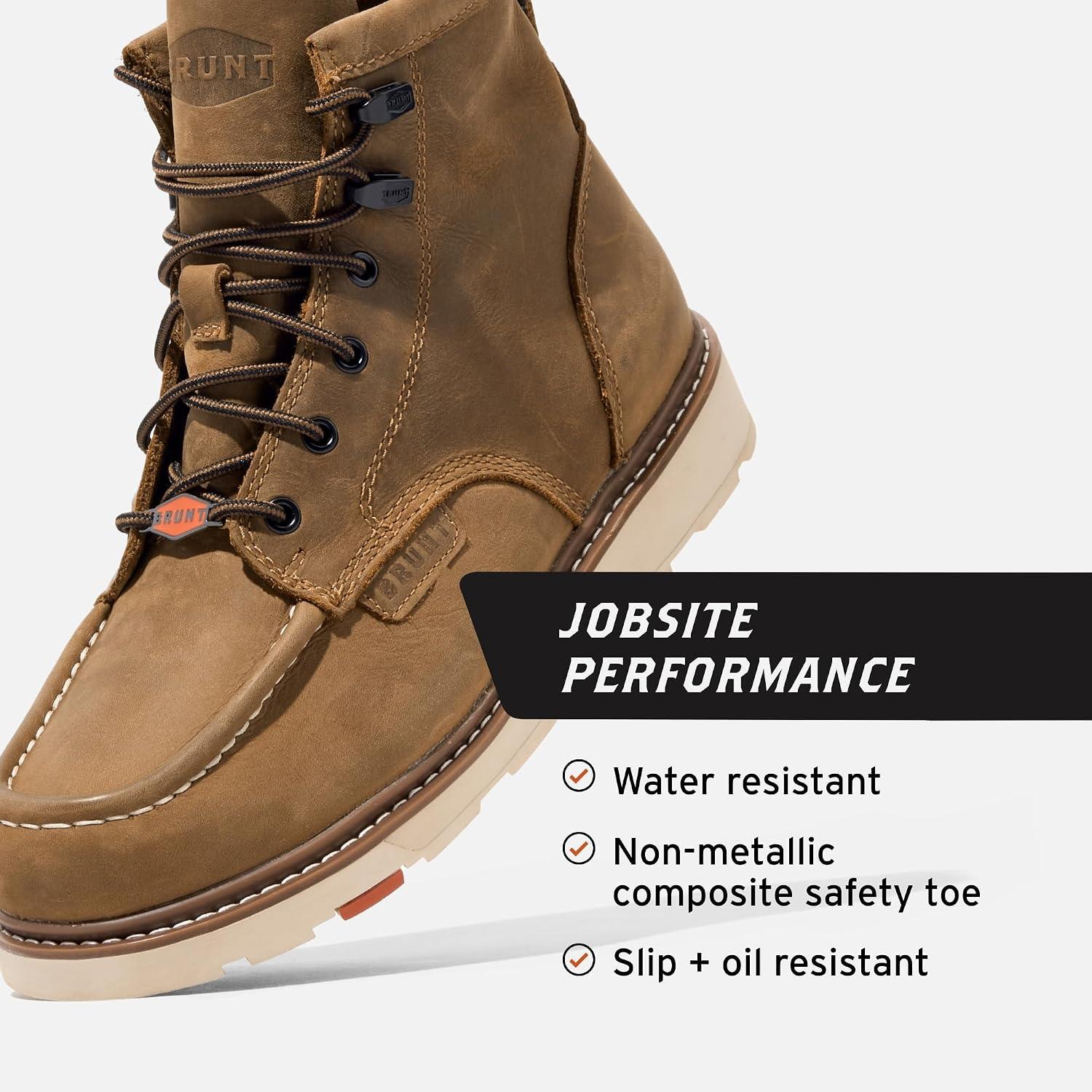
As we unlace the Marin Comp Toe boots at the end of a long day, our overall impression lands somewhere between dependable workhorse and modern experiment. The lightweight build and adjustable width system make them feel more tailored than many off‑the‑shelf work boots,while the EH rating and slip- and oil-resistant wedge sole keep them grounded in jobsite reality. They’re not trying to be a heritage fashion boot in disguise; they’re here to put in hours and shrug off abuse.
If you’re in the market for a safety toe boot that trades some old-school bulk for comfort and versatility, the BRUNT Marin Unlined Comp Toe is worth a serious look. We’d recommend them most to those who value a lighter step, customizable fitand modern workwear design over traditional, heavy-duty clunkers.
Ready to see if they deserve a spot in your rotation?
Check out the BRUNT Marin Unlined Comp Toe boots here.